Tech Days 2025 in Munich
July 16 - 17, 2025
Thank You for an Unforgettable Event!
Tech Days are now behind us – and we’re thrilled by all the amazing moments, inspiring connections, and positive feedback. We're so glad you were part of it!
You don't want to miss next year's Tech Days?
Then register here in our form and stay up to date!
 StMWi/J.Oellermann,
 Fraunhofer AISEC,
 Bayern Innovativ GmbH,
"The Tech Days are the summit meeting for future technologies in Bavaria! This is where experts and tech enthusiasts from various industries, start-ups, established companies, research and consulting come together. The potential for new technological innovations is unique. That's why the Bavarian Ministry of Economic Affairs has been supporting the Tech Days for many years. You too can be at the forefront!"
Tobias Gotthardt
State Secretary at the Bavarian State Ministry of Economic Affairs, Regional Development and Energy
 Bayern Innovativ - Corinna Lehmeyer & Ivonne Wagner,
 Bayern Innovativ - Corinna Lehmeyer & Ivonne Wagner,
 Bayern Innovativ - Corinna Lehmeyer & Ivonne Wagner,
 Bayern Innovativ - Corinna Lehmeyer & Ivonne Wagner,
 Bayern Innovativ - Corinna Lehmeyer & Ivonne Wagner,
 Bayern Innovativ - Corinna Lehmeyer & Ivonne Wagner,
 Bayern Innovativ - Corinna Lehmeyer & Ivonne Wagner,
 Bayern Innovativ - Corinna Lehmeyer & Ivonne Wagner,
 Bayern Innovativ - Corinna Lehmeyer & Ivonne Wagner,
 Bayern Innovativ - Corinna Lehmeyer & Ivonne Wagner,
 Bayern Innovativ - Corinna Lehmeyer & Ivonne Wagner,
 Bayern Innovativ - Corinna Lehmeyer & Ivonne Wagner,
 Bayern Innovativ - Corinna Lehmeyer & Ivonne Wagner,
 Bayern Innovativ - Corinna Lehmeyer & Ivonne Wagner,
 Bayern Innovativ - Corinna Lehmeyer & Ivonne Wagner,
 Bayern Innovativ - Corinna Lehmeyer & Ivonne Wagner,
 Bayern Innovativ - Corinna Lehmeyer & Ivonne Wagner,
 Bayern Innovativ - Corinna Lehmeyer & Ivonne Wagner,
 Bayern Innovativ - Corinna Lehmeyer & Ivonne Wagner,
 Bayern Innovativ - Corinna Lehmeyer & Ivonne Wagner,
 Bayern Innovativ - Corinna Lehmeyer & Ivonne Wagner,
 Bayern Innovativ - Corinna Lehmeyer & Ivonne Wagner,
 Bayern Innovativ - Corinna Lehmeyer & Ivonne Wagner,
Do you also want to play an active role in shaping the future?
Meet at the Tech Days 2025:
➔ Start-ups & innovators
Creative minds with groundbreaking ideas and innovative approaches who are looking for networks, partners and new opportunities.
➔ Established companies & industry leaders
Organizations presenting their latest technologies and solutions or seeking inspiration for the further development of their business model.
➔ Decision makers & investors
Professionals and investors looking for promising partnerships and business opportunities.
➔ Technology enthusiasts & researchers
People from science and technology who want to discover the latest trends and developments.
➔ Consultants & service providers
Experts who offer innovative solutions and services for the digital economy and other industries.



 Bayerisches Staatsministerium für Wirtschaft, Landesentwicklung und Energie,


EuropeanSpaceAgency-ESA astronaut @Matthias Maurer talks on stage with security expert and co-founder of the @Munich Cyber Security Conference @Oliver Rolofs about Europe's role in the geopolitical space race, the importance of "New Space" and space startups for our technological and geopolitical future and, of course, what it's like to orbit the Earth for 176 days at an altitude of around 400 kilometers at a speed of around 28,000 kilometers per hour on board the International Space Station ISS.
And we want to know from him specifically: When is Europe going to the moon?

 Franz Dilger,
European regulation is often seen as an obstacle to innovation and entrepreneurial success. However, the opposite can be the case. With a consistent privacy-by-design strategy, Friendly Captcha has
Friendly Captcha has developed into one of Europe's leading cyber security companies.
Benedict Padberg's personal initiative and Friendly Captcha's founding and success story show that Europe is capable of finding answers to the challenges of the digital and AI age.
 Tristan Post - AI Strategy Institute,
Let's be honest: most workshops on AI regulation are not the most exciting way to spend your time. They start with legal texts, bury you in dense slides, and leave you with little to no lasting understanding of why AI regulation even exists-let alone how to work with it. A week later, most of it is forgotten.
That's why we've taken a different approach. Why not start with the intuition and gain an understanding in the first place why we are not trying to regulate the technology but how it is used.

Let's be honest: most workshops on AI regulation are not the most exciting way to spend your time. They start with legal texts, bury you in dense slides, and leave you with little to no lasting understanding of why AI regulation even exists-let alone how to work with it. A week later, most of it is forgotten.
That's why we've taken a different approach. Why not start with the intuition and gain an understanding in the first place why we are not trying to regulate the technology but how it is used.


Moderation
 Bayern Innovativ GmbH,

Free energy from wind and sun for everyone? This is already possible - without sacrifice, without blackouts, which is crucial for an all-electric society that gets palpitations when the smartphone only shows 1% battery. However, this requires a paradigm shift, as our electricity consumption will in future follow the volatile generation by Mother Nature. AI is the game changer here - it connects our homes directly to the electricity market, networks us with our neighborhood to form a collective swarm storage system and will always opt for the cheapest & cleanest electricity for all of us - even at night, even in winter - for a life full of energy to the rhythm of wind and sun!

Bavaria climate-neutral in 2040 or not until 2045? Key findings from the scenario projects Bavarian Energy Plan 2040 & Bavaria's climate-neutral energy system analysis

This presentation illustrates how Bavaria can shape a sustainable and climate-friendly future. The projects Bayernplan Energie 2040 and the energy system analysis Bayern klimaneutral show what it will take to become climate-neutral by 2040. The challenges in all sectors are highlighted and solutions are outlined using a scenario-based approach. It becomes clear that the expansion of renewable energies and the electrification of the end energy sectors can significantly reduce dependence on energy imports and that the energy sources of the future are electricity, hydrogen, bioenergy, green district heating and synthetic energy yields. Nevertheless, Bavaria cannot be completely self-sufficient and is dependent on strong infrastructural connections - for electricity, hydrogen and CO2 - to its neighboring states.
 Barbara Steinbauer-Groetsch,

The drive towards net-zero emissions as per the Paris 2015 agreement has resulted in significant efforts to develop known and new sustainable energy resources. In order to change the current energy system, alternative resources need to replace wood, coal, oil and gas. One of the recent new findings in the geo-energy sector is natural hydrogen which can be found in many places around the globe as seeps. It has made spectacular news in many media over the past two years, like from the Albanian chromite mine of Bulqizë or recently in Northern Bavaria.
Reasons for the lack of interest in hydrogen exploration so far were multi-fold, like nobody considered natural hydrogen as a viable option, hydrogen cannot be detected easily, gas chromatographs used H2 as carrier gas, other energy resources were available in large quantities and at low cost and more. However, many indications point towards a major clean energy resource of the future considering that in the last few years some 300 seeps have been reported. One of the most famous ones is the eternal fires of Chimaera in Turkey, know to burn since more than 2500 years. In the meantime, the first hydrogen exploration companies have formed and even a first long-term production test is ongoing.
Natural (white) hydrogen was until now not considered in the energy transition. If further developments turn out to be successful, this may result in another unexpected game changer in the energy sector similar to coal replacing peat in 1880. However, the question remains, what such a potential new energy opportunity could look like as part of the future energy mix. This talk will highlight the current status and potential ways forward on this new energy resource.
Moderation
Bayern Innovativ GmbH,
Barbara Steinbauer-Groetsch,
 Till Haunschild,



Europe is at a turning point: global industry is changing radically - and with it the question of how and where production will take place in the future. Digital sovereignty, sustainable energy and resilient production networks are no longer visions, but key levers in global competition. AI is the key to overcoming these challenges. This requires new alliances: international technology leaders, courageous start-ups and excellent research - united in concrete solutions. The Augsburg AI Production Network is already showing how it works: with industrial AI "made in Europe" - from the region, for future-proof production in Bavaria, Europe and the world.

Software development is rapidly shifting from traditional coding towards training and prompting generative AI systems. In the near future, developers will articulate their requirements in natural language and LLM-based software generation will more and more replace the tedious task of coding. This trend will also impact industrial software development, for example, for managing, monitoring, and optimizing industrial processes. However, deploying AI-generated software in critical infrastructures requires a re-evaluation of cybersecurity practices. This talk will highlight the necessary changes in agile industrial software development using generative AI.


Nexustec offers self-developed AI-based process software with vision detection that ensures 100% error-free manual and automated production processes. Application examples include assembly, tool-related activities, packaging, logistics, inline inspections, etc.
Schaeffler has used Nexustec's system solution in the automated assembly and manual packaging of power electronics to safeguard 1.5 million parts to date, achieving a 0 ppm error rate at an automotive OEM.
In addition to process/quality assurance, Nexustec's software provides customers with a powerful tool for digitalizing their production environment, an integration hub for incorporating any devices, machines, controllers and other software, including MES and ERP, and the opportunity to significantly boost their own competitiveness through technological solutions.

The presentation clearly shows how generative AI is changing the software development process in the long term and what contribution it can make to increasing efficiency in complex projects. Using the company's own development environment DARE, it will be explained in a practical way how AI is already being used today for test case creation, code generation and architecture verification. It will become clear that the close collaboration between man and machine is not only changing the development process, but also the role of the software developer - towards an orchestrating, monitoring and interpreting expert. At the same time, security-related risks will be addressed and strategies presented on how organizations can meet these challenges through monitoring, training and targeted measures. The presentation concludes with an outlook on future developments and shows how organizational structures and competencies will transform in the course of AI integration.

Generative artificial intelligence (GenAI) accelerates the programming of machines and makes human-machine collaboration more interesting in the production of smaller quantities. However, safety remains of crucial importance.
Safety analysis is difficult for all potential interactions, often impossible without making assumptions. Therefore, a specific safety analysis must be performed for each new application to verify compliance with the boundary conditions. If the application changes, a reassessment or a new analysis is required.
Compiling the information and carrying out and documenting safety analyses is time-consuming. We are researching how GenAI can be used to support these processes. Initial tests suggest that GenAI accelerates the performance of safety analyses and increases coverage.

Engineers have always had a decisive influence on technological progress - from the industrial revolution to the digital transformation. Artificial intelligence is a powerful new tool available to them today, but its use in technical systems is often still in its infancy and fails due to fundamental hurdles. This presentation aims to motivate people to better combine engineering expertise and AI potential. Let's discuss what it takes to use AI effectively and sustainably in engineering - especially with a view to new technologies and cleantech.
As part of the Augsburg AI Production Network (KIPNW), Augsburg University of Applied Sciences and the Institut für Textiltechnik Augsburg gGmbH operate the model factory "AI Production Platform for Continuous Processes" (KIPP).
At the heart of the model factory is an industrial production plant for the continuous production of nonwovens, which is already equipped with numerous in-line measuring systems and data acquisition systems. The platform is available to a wide range of users for joint industrial research, further education through training and for teaching at Augsburg University of Applied Sciences. Through research and development on a large-scale industrial plant, solutions can be quickly transferred into practice, as numerous past projects have already shown.

With the hyper-connectivity of the (industrial) Internet of Things (IoT), industrial applications can benefit significantly from the integration of connected processes driven by AI innovations. However, this unprecedented growth also brings significant challenges, including fragmented data silos, limited interoperability and lack of user control over sensitive information. Self-sovereign identities (SSIs) offer a robust solution to these problems by allowing individuals and organizations to control exactly when, how and with whom their information is shared.
By leveraging decentralized technologies - which are central to initiatives such as GAIA-X and Factory-X - SSI supports trusted data sharing, collaboration and greater autonomy. In this way, organizations not only expand their capabilities, but also create a solid foundation for new regulations such as the Cyber Resilience Act and the EU Data Protection Act.
This session will demonstrate how owner-centric identity technologies and standards are breaking down data silos, ensuring compliance, improving interoperability and creating secure IoT ecosystems. Learn more about the regulatory requirements SSI meets, how they fit into organizations' compliance strategies and how they help ensure future-proof and efficient solutions.


The TechnikRadar by acatech - National Academy of Science and Engineering is a Germany-wide representative survey that has been investigating the attitudes, wishes and needs of the population with regard to technology and new technologies and their implications since 2017. How open are Germans to technology in general, how do they view the digital transformation and artificial intelligence (AI) in 2025?

Software determines how we work, communicate and think. But as innovation grows, so does responsibility: how do we develop technology that is not only efficient but also ethical?
The DARE method shows how ethics can be systematically integrated into the agile development process - not as an obstacle, but as a driver of sustainable innovation. Practical examples are used to illustrate the undesirable developments caused by a lack of reflection - and how conscious decisions can make software fairer and more transparent.
This presentation is aimed at all those who bear responsibility in software development. It shows why ethics is the key to sustainable technology - and how it can be used specifically as a competitive advantage.

Relying on a choice that has already been made by others spares a lot of cognitive load for users. Taking a decision to choose a different option and taking action upon it is not as trivial as it seems. This is one of the reasons most users won't change a default option when they see one, unless they have a bigger motivation to do so. Think of a shopping cart and delivery options: in most websites the default is to let it deliver to your home door - but what if the default was to bring it to a pick-up station? The impact of this "tiny" change could be huge and sensitively help reducing CO2 emissions.
From small to bigger use cases, this talk is about finding points of leverage to implement sustainable best practices in the concept phase of UX design, in order to make it easier for users to make a (more) sustainable choice.
 Annika-Kathrin Belz - Universität der Bundeswehr,
How do we successfully transfer groundbreaking technologies from research to application? The Bundeswehr Centre for Digitalization and Technology Research (dtec.bw) provides a pioneering answer to this question. With 68 research projects in 11 central subject areas, dtec.bw is setting new standards in research into key digital technologies and actively promoting the transfer of innovations to business, administration and society.
Since its foundation in 2020, dtec.bw has pursued a clear goal: research results must find their way out of the laboratories and into application! At the heart of this process are targeted strategies for knowledge and technology transfer that accelerate the implementation of disruptive technologies.
Close cooperation with partners from science, industry, start-ups and public administration has created a unique innovation ecosystem. This is where prototypes, demonstrators, patent applications and start-ups are created that provide new technological impetus. Embedded in the universities of the Bundeswehr, dtec.bw is developing into a hub for digital and technological excellence.
This presentation provides exciting insights into the mechanisms of technology transfer at dtec.bw, shows best practices and innovation successes for the economy and the Bundeswehr.
In light of geopolitical tensions, growing regulations and dependence on US and Chinese tech giants, Europe's digital sovereignty is increasingly coming into focus. The presentation will show which European cloud and AI solutions - especially in the area of large language models (LLMs) - already represent viable alternatives today. Participants will gain concrete insights into how they can strengthen their digital independence by using these technologies.
AI Strategy Institute
Bayern Innovativ GmbH
BMFTR funding project EniQmA & DB Systel GmbH
BMFTR funding project QCHALLenge & LMU Munich
BMFTR funding project QuaST & Fraunhofer Institute for Cognitive Systems IKS
Chemistree GmbH
choin! GmbH
ComCode
Esri Deutschland GmbH
Expert Analytics AS
fortiss GmbH
Fraunhofer IIS
Labs Network Industrie 4.0 e.V.
metafinanz
Persystems GmbH
Thinkwise
UNWARE GmbH
VDI e.V.

The European Union's AI Act has officially entered into force as of August 1, 2024, representing a transformative shift in AI governance and setting out detailed obligations for providers and deployers of AI systems and solutions. As these stakeholders navigate towards full compliance, deriving actionable and meaningful policies is essential . Jonas Schneider from e:fs TechHub will dive into the key provisions of the Act, focusing on the technical obligations that stakeholders must fulfill to ensure compliance. Attendees will explore how key properties such as fairness and robustness can be measured, implemented, and monitored in practice, ensuring compliance while maintaining innovation and fostering public trust.

This talk provides an overview of the key security risks in LLM-based systems and applications. It covers threats like Prompt Injection, Data Poisoning, Model Leakage, and other vulnerabilities, explaining their impact and showing examples. Practical strategies for securing LLM implementations are also discussed.

The hype surrounding the metaverse promised nothing less than a revolution in our digital interactions and brand strategies. But today, many of the once celebrated metaverse platforms are virtual ghost towns with hardly any active users. Was the hype exaggerated or do the real opportunities lie elsewhere? Using current studies and practical examples, the presentation will shed light on what successful virtual brand worlds can look like and what actually inspires young target groups.

In his presentation, Kevin Schuller will demonstrate,
- How natural language processing and AI algorithms enable interactive communication with company data
- How AI automatically generates evaluations for which management consultants charge daily rates
- What measures are necessary to ensure high quality results and limit the probabilistic behavior of AI
- How these innovations simplify processes and give companies a competitive edge
The presentation provides a simple yet in-depth insight into this innovative technology. Both AI geeks and people without technical knowledge will be equally taken away.
 Jonas Meier,
Defects such as cracks, scratches or flaws lead to component failure, customer complaints, increased rejects in production and loss of reputation.
With Vision AI, you can detect such defects inline - without writing a single line of code. In this hands-on workshop, you will learn how to use Neuralyze®, the low-code platform for industrial image processing, to independently train and evaluate AI models and roll them out on your system.
What you can expect:
Basics that work: From data to annotation to the model lifecycle, you will receive a sound introduction to the most important AI concepts - understandable for beginners, in-depth for advanced users.
Hands-on: With data sets that simulate real production processes, you can develop a powerful AI model in just a few clicks.
MLOps: Consistent data, model and version management as well as a user-centered interface simplify complex processes.
Level-up for professionals: If you already have previous knowledge of AI, you can start directly with advanced tasks such as transfer learning, hyperparameter tuning or tiling.
Your added value:
At the end of the workshop, you will have created a prototype vision AI model and internalized the underlying MLOps steps - the methodological basis for improving your first-pass yield rate in future projects. You will understand what is important when building robust models and take away a clear roadmap for integration into your individual production environment.
Target group:
For quality and production engineers, application engineers, automation and test specialists, departmental data scientists and decision makers looking to scale AI initiatives.
Prior knowledge:
No programming experience required. Basic understanding of industrial processes is an advantage, but not essential. Advanced participants benefit from optional deep-dive tracks.
Turn your camera into a vision AI system - we'll show you how.

Many baby boomers will be retiring in the coming years, which poses major challenges for the manufacturing industry in particular. Valuable product and process knowledge is often lost because it is not or only partially documented. Traditional knowledge management methods are not sufficient to effectively pass this knowledge on to other employees. This workshop sheds light on how generative AI can be used to radically improve knowledge transfer in companies. By using suitable tools, living knowledge bases can be created that are superior to outdated documentation and are actually used. Specific practical examples are used to show how companies can effectively organize knowledge acquisition, processing and transfer in this way.
Many baby boomers will be retiring in the coming years, which poses major challenges for the manufacturing industry in particular. Valuable product and process knowledge is often lost because it is not or only partially documented. Traditional knowledge management methods are not sufficient to effectively pass this knowledge on to other employees. This workshop sheds light on how generative AI can be used to radically improve knowledge transfer in companies. By using suitable tools, living knowledge bases can be created that are superior to outdated documentation and are actually used. Specific practical examples are used to show how companies can effectively organize knowledge acquisition, processing and transfer in this way.

In this workshop, we will work out the pragmatic path to legally compliant AI implementation.
Contents:
- Hosting decisions (cloud vs. on-premise)
- Step-by-step data integration
- Evaluation of use cases according to regulatory requirements
- Involvement of DPO and ISB
Practical part:
Using an AI management system, you will develop and test your own use cases directly on site. You will receive specific solutions tailored to your situation.
Bring your own questions with you. The workshop is geared towards practical work.


TRANSFERleben: The Quiz focuses on the exchange between science and business and thus the idea of transfer - interactive, playful and stimulating. Discuss with other participants, challenge yourself and enjoy the evening with colleagues and new contacts in a pleasant atmosphere.
As part of the evening event, you will answer lots of tricky tasks on current fields of technology and innovation. You will put your specialist knowledge to the test in several rounds of quizzes. You will also broaden your perspective and your network.
Register here: TRANSFERleben: The quiz - Because knowledge connects..: Bayern Innovativ
Innovation without silos: How collaboration is leading Bavaria into the future - insights from 15 years of Munich Aerospace


Immerse yourself in the world of Agentic AI and discover why this technology could revolutionize the future of artificial intelligence. In this presentation, you will learn how Agentic AI differs from traditional rule-based approaches and what advantages it offers. We will shed light on the question of whether Agentic AI will replace rule-based AI assistants and show how to combine the best of both worlds. Find out how you can use this new technology safely and effectively without taking risks.


 Kevin Kron - Boston Dynamics,
 Claude Toussaint - Navel Robotics,


Local public transport as a value-adding factor: How strong local public transport drives the economy and society forward

The study conducted by MCube on the added value of public transport quantifies its often underestimated economic importance. Its annual gross value added exceeds the costs many times over. In addition, public transport acts as a stimulus for numerous economic sectors such as retail, tourism, the real estate market and commuter traffic. The results underline the economic importance of public transport for a sustainable mobility strategy.


Digital health applications (DiGA): Therapeutic potential, practical experience and future prospects

Digital health applications (DiGA) are an innovative element of care in the German healthcare system with the aim of providing evidence-based therapies at a low threshold and suitable for everyday use. Germany is playing a pioneering role internationally and is setting standards for the integration of digital medicine into standard care. The article highlights the therapeutic potential, presents practical experience from the care of over 35,000 patients with companion patella and companion shoulder and provides an outlook on new, increasingly challenging regulatory requirements.

In an era where prevention is becoming as critical as treatment, the convergence of artificial intelligence and non-invasive sensing is opening new frontiers in cardiovascular healthcare. This talk introduces the transformative potential of contactless, camera-based vital signs monitoring - a breakthrough that enables continuous, remote measurement of heart rate, respiratory rate, oxygen saturation, and even blood pressure using only a standard camera and advanced AI algorithms.
We'll explore how this technology redefines early screening and proactive management of cardiovascular diseases, particularly hypertension, which remains one of the world's most pervasive and silent killers. By enabling scalable, touch-free monitoring, this innovation empowers clinicians with new tools to detect anomalies early, personalize interventions, and reduce hospitalizations.
The presentation will highlight both the clinical opportunities and the patient impact, demonstrating how this technology not only enhances efficiency and accessibility in care delivery but also fosters a shift toward truly preventive, data-driven medicine. This is more than a technological leap, it is a paradigm shift in how we understand, monitor, and manage cardiovascular health at scale.
 Thomas Sattelberger,


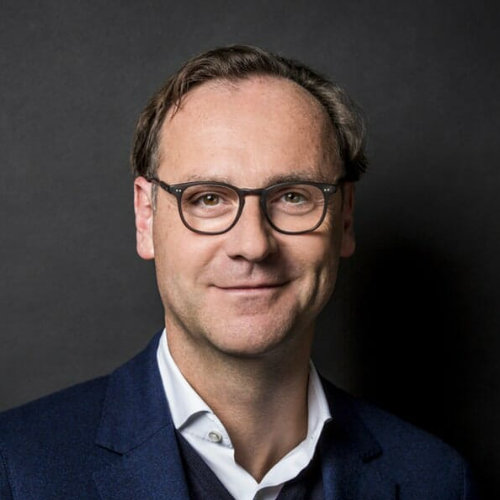


Excellence through Open Source - Insights from Signal, one of the world's most trusted messenger services (eng.)


In a time of rapid technological developments, global markets and increasing crises, the health of employees is a decisive factor for the competitiveness of companies. In particular, the rising number of mental illnesses and the associated days of incapacity to work highlight the urgent need for action. Both individual health behavior and health-promoting work design play a central role here.
Today's workplace health promotion measures include risk analyses, training courses and workshops aimed at providing people with the knowledge they need to promote health in the workplace. The problem is that implementation often fails. A frequently cited problem is the lack of learning transfer during training courses. People find it difficult to create intentions for changes that are recognized as important.
We have created the prototype for a new solution to this problem - the AI-supported app called AI Coach Work Health. It was developed as part of a one-year funding project in a collaborative team. The project was funded by the Federal Ministry of Labor and Social Affairs as part of the "Civic Innovation" funding program of the Civic Innovation Platform - public welfare-oriented AI application with a focus on labor and social policy.
The aim of the app is to support managers in successfully and sustainably implementing measures to promote (mental) health in the workplace - both for themselves and for their employees. However, the app is also aimed at the employees themselves. The app guides users through the scientifically based method of relapse management so that they can effectively change certain thought and behavior patterns or specific working conditions that lead to mental stress (e.g. stress and overload due to high work intensity). The associated 8-week program helps the user to recognize their progress and manage relapses into old patterns better and better. Every week, the user is encouraged to reflect on the current status of goal achievement and to make their own relapse plan even more effective. The program offers structured support to achieve desired changes safely and in the long term, thus contributing to the sustainable improvement of mental health in the workplace.
This app thus makes an important contribution to creating healthier working environments and strengthens the competitiveness of companies through healthier and more productive employees.
This video tells the idea in 2 min: youtu.be/N6PvOd0BgKw
 Breathment GmbH,


Smartheim - How can cities and small municipalities benefit from digital twins?
The example of a "Smart City" is used to show:
- how authorities can benefit directly on the one hand,
- on the other hand, the direct added value can be for the population but also, for example, building applicants and planners.


In this presentation, we will showcase a project in collaboration with our industrial partner, E.ON Digital Technology GmbH, and it is going to be jointly presented with Dr. Corey O'Meara. We explore an approach that allows us to leverage quantum algorithms in production without the need for costly access to quantum hardware, making advanced quantum techniques more accessible and practical for applications. We demonstrate the utility of this approach on power plant demand prediction problem and talk about future opportunities for implementation in diverse industries, highlighting its transformative impact on sectors such as energy, mobility, and healthcare.

A team of innovative companies is supporting the city of Essen in the digitalization of its transport system in order to realize connected and intelligent mobility in the Ruhr metropolis. ITK plays a key role in COMO (Connected Mobility Essen) and is developing the AI solution for real-time traffic management based on a modern forecasting algorithm for live data.

The integration of artificial intelligence (AI) into spatial analyses opens up new perspectives for the sustainability of urban systems. This presentation shows how the combination of AI with geographic information systems (GIS) not only significantly increases the efficiency of work processes, but also generates new insights that are essential for the development of a digital twin of a city. In particular, the combination of these technologies opens up new possibilities for modeling and analyzing urban ecosystems. Practical examples will be used to demonstrate how AI-supported GIS analyses can optimize urban planning and contribute to increasing ecological sustainability.


A promising approach to overcoming the complex challenges in industrial production planning and optimization lies in the use of quantum computing. In this lecture, practical applications of quantum computing to optimization problems in industrial production will be presented and their relevance for industry will be highlighted. Initial results show that hybrid quantum algorithms can already provide advantages over commercial classical solvers and solution methods. Thanks to the improved solution quality, resources such as machines can be utilized more efficiently or, alternatively, several scenarios can be considered in the same time.

Quantum computing can lead to disruptive changes in many areas of industry, for example through the more efficient solution of complex optimization problems in logistics or semiconductor manufacturing. However, in order for industry and society to fully benefit from future quantum computers, low-threshold access is needed that does not require users to have in-depth knowledge of the underlying physics or to manually test the numerous algorithmic configuration methods in quantum computing.
The QuaST decision tree, developed in the "QuaST - Quantum-enabling Software and Tools for Industrial Applications" project funded by the German Federal Ministry of Economics and Technology, provides just such low-threshold access. Quantum-based solutions to optimization problems are made available to the user in an automated manner, exploiting the strengths of both classical and quantum computers. The QuaST decision tree suggests to the user the most suitable quantum algorithms and quantum hardware for a previously defined optimization problem.

Quantum computing meets software development - approaches to strengthening the EU's digital sovereignty

Quantum computing (QC) is classified as a future key technology at both national and EU level. The immense potential of this technology can have disruptive effects for the economy and thus for the sovereignty of Germany and the EU as a whole. In order to fully exploit this potential, the necessary digital infrastructure must be developed and provided in addition to the underlying hardware.
This article presents the results of the QC Next innovation concept and its implications for future QC software development. In particular, the necessary innovative steps to strengthen the competitiveness of the German quantum computing software ecosystem against the international competition are discussed. This includes strategic approaches and goals as well as added value for future end users. A central approach is the pooling of expertise and resources in order to build a significant, scalable and efficient reference architecture. The realization of such a reference architecture in conjunction with a critical mass of QC software developers and components would be a strong impulse towards the realization and commercialization of concepts and applications in the field of quantum computing in Germany and Europe. This would contribute to strengthening the future key technology of quantum computing and digital sovereignty at national and European level.
Federal Quantum Alliance - why federal companies and authorities are involved in post-quantum cryptography


 Felix Gerlsbeck,

Agentic AI systems make independent decisions, adapt to new information, and drive automation. However, their success depends on high-quality data. Poor data leads to unreliable outcomes, erodes trust, and impacts business performance. This talk dives into why data quality is essential for AI-driven decision-making and why it's not just a technical concern, but has critical business impact.
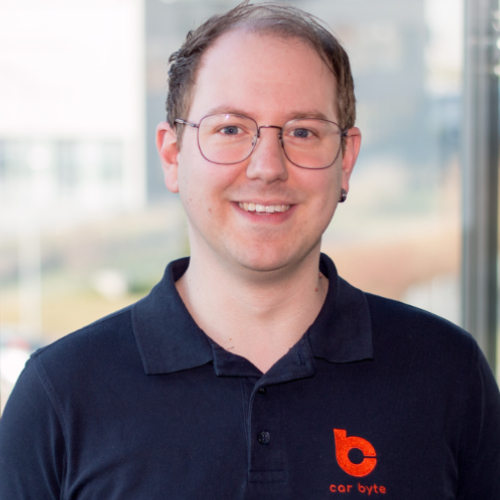
Companies face challenges in quickly launching products by meeting tight deadlines, reducing costs by achieving built-in quality, and generating sustainable value streams by upgrading their products after SOP to increase customer experience. Traditional software engineering practices are struggling to keep up with this increasing demand for faster, more efficient, and adaptive solutions in the rapidly evolving software-defined world. This is why there is a pressing need for innovative approaches that can enhance productivity and drive innovation.
AI-driven software engineering emerges as a revolutionary approach to address these challenges. This new paradigm aims to automate routine tasks, provide intelligent insights, and facilitate more efficient collaboration among development teams by leveraging collaborative AI agents. An AI agent is a software entity that autonomously performs tasks or makes decisions based on a natural language description interpreted by a large language model. A coordinated group of AI agents is leveraging collective capabilities to achieve goals more efficiently than a single agent could do on its own. This involves specialized agent roles that complement each other enabling them to handle complex tasks. The Multi-Agent system can take on tasks anywhere along the entire development cycle from requirements engineering to testing but also within supporting processes such as project management. This transforms the whole development lifecycle.
This presentation demonstrates how the traditional development processes such as V-model and agile, along with the necessary roles and process flows, can be transformed into a Many Multi-Agent Development System. Additionally, the role of the developer as the "Human in the Loop" is emphasized to ensure the constant quality and to facilitate continuous learning and adaption of the AI agents. Using an example in the area of requirements elicitation, the advantages of multi-agent systems are illustrated, showcasing their ability for efficient collaboration and problem-solving in complex development processes. This approach not only enhances productivity but also allows developers to focus on more creative and strategic tasks, ultimately leading to more innovative and robust software solutions.

 Florian Matt - Metafinanz,

 Katharina Keilhofer - StMUV,
Digitalization is shaping our society at an increasingly rapid pace and is fundamentally changing how companies work, interact with customers and assume responsibility. New technological possibilities, especially in the field of artificial intelligence, open up enormous opportunities, but at the same time present companies with the challenge of using innovations ethically and sustainably.
The responsible shaping of digitalization, also known as corporate digital responsibility (CDR), is becoming increasingly important in this context. Events such as the CDR Award highlight the many opportunities to place people and the environment more at the center of digital progress. Consumers in particular benefit from this, for example by being able to transparently track how their data is handled. For this reason, the Bavarian State Ministry of the Environment and Consumer Protection (StMUV) launched a CDR pilot project last year.
As part of this project, Bavarian SMEs are supported in a multi-stage process to better understand the topic of digital responsibility and integrate it into their own processes in a meaningful way. As project results, including recommendations for action, will be made publicly available after completion, other companies can also benefit from the experience and support gained.
The presentation is divided into two parts: First, the StMUV will present the relevance of CDR for consumer protection. This will be followed by a brief introduction to the topic of corporate digital responsibility and how Bavarian SMEs can benefit from the CDR pilot project.
 Tobias Frech,
Tobias turns work into impact. With his 30 years of experience in digital business, he develops sustainable automation solutions that fit his clients' culture. His passion: AI that does not replace, but strengthens - human-centered, effective, value-oriented. The path is created by walking - he has not only learned this in 15 years of karate, but has also experienced it anew in every project. His customers come for AI Automation. They stay for transformation.

The requirements for corporate networks and security systems are changing radically: traditional, hardware-based architectures are increasingly reaching their limits in the face of cloud use, mobile working and growing threats. Analogous to the transformation of retail through platform models such as Amazon, SASE (Secure Access Service Edge) is also fundamentally changing the IT security landscape.
This pitch shows how Cato Networks is redefining network security as a service with a global, converged platform - flexible, scalable and easy to consume. This not only gives IT teams greater control and visibility, but also the ability to future-proof their infrastructure with agility. The presentation will outline why the "Amazonization" of network security is no longer a vision, but already a reality - and what opportunities this opens up for modern IT strategies.


In our presentation, we will show you the challenges posed by the new Cyber Resilience Act (CRA for short) and how these can be tackled efficiently and effectively. We will guide you through the necessary steps from risk analysis and security engineering to security monitoring and patching. Based on our many years of experience, we present a hybrid approach that combines the regulatory perspective with the engineering perspective. In order to find tailor-made solutions, we also look at how legacy components can be dealt with. Finally, we show examples of how security engineering can be seamlessly supplemented with appropriate incident response and vulnerability management.
We are writing the year 2025. Nobody drives a car without airbag and seatbelt. Our cars have become incredibly safe to use.
In stark contrast, we still find software for our most critical (embedded) systems developed using the state-of-the art from 50 years ago.
This short presentation consists of a practical demonstration of how unsafe software can let attackers skip security checks - and an outlook how modern programming languages mitigate up to 80% of security problems.

In today's interconnected world, few companies operate in isolation. A typical bill of materials (BOM) for any finished product reveals a web of dozens, if not hundreds, of suppliers. This intricate supply chain usually spans multiple companies, even countries and regulatory environments, making it nearly impossible to monitor and safeguard every component effectively.
The stakes are high: disruptions in the supply chain can lead to significant business setbacks.
In this landscape, the challenge becomes clear: how do we prioritize interoperability and seamless information exchange while simultaneously ensuring robust security and control?
Drawing on insights from one of the most complex supply chains-military multi-domain operations at NATO-we will present innovative solutions and essential capabilities to break this cycle. Join us as we explore strategies to enhance both interoperability and protection, paving the way for a more resilient future in supply chain management.
 Privat,
Unternehmertum and the Munich Security Network present the first draft of a cybersecurity start-up map for the DACH region. The aim is to draw a comprehensive picture of the innovative companies that are shaping the digital security of tomorrow.
In times of increasing importance of data sovereignty, transparency about the players in the cybersecurity sector is crucial and a strategically relevant growth area beyond that.


This workshop provides a practical overview of how to evaluate, manage, and improve your organization's application security program. It focuses on practices applicable both at the organizational level and within the software development lifecycle. Participants will gain guidance on using the OWASP SAMM (Software Assurance Maturity Model) framework to assess their current security posture, plan improvements, and avoid common implementation pitfalls. The goal of the workshop is to equip participants with the knowledge and tools to assess their application portfolio and establish or enhance their application security program

Artificial intelligence (AI) is changing the world. But what does that mean and how do you go from hype to a successful AI solution?
In this workshop, you will learn what causes most AI startups to fail, experience how successful startups identify problems and develop scalable AI solutions as teams. Whether you are a future innovator, founder or decision maker, the methods of AI startups can help you to lead the AI revolution.
Artificial intelligence and digital business models - innovation with legal challenges and solutions

AI, AR and Mesh - Artificial intelligence and virtual worlds are becoming part of the healthcare sector

The digital transformation of the healthcare sector is progressing rapidly - driven by artificial intelligence (AI), augmented reality (AR) and new forms of networked, virtual spaces such as the spatial web and mesh platforms.
This workshop will shed light on how these technologies are already changing diagnostics, therapy and medical training as well as control and automated process organization in the healthcare sector - and where the journey is heading. Application examples will be used to show how AI supports precise diagnoses, AR enables immersive training and virtual collaboration spaces are ushering in a new era of interdisciplinary collaboration. In addition, the participants will work with us on the possibilities for future control and process-oriented management automation in the healthcare sector and the experiences and activities that the participants are already driving forward in this area. At the same time, ethical, regulatory and technological challenges associated with the integration of these innovations will be addressed.
The workshop invites participants to rethink healthcare - networked, intelligent and expanded.
Overview
Tech Days 2025 offers you two exciting days presenting the latest technological developments and trends in the fields of digitalization, innovation and sustainability. With six specialized tracks and overarching cross-cutting topics, you will experience a unique event that will provide you with in-depth insights into the digital transformation and show you concrete solutions for the challenges of tomorrow.
Tech Days 2025 brings the topics of the future to the stage:
- Europe's Tech Sovereignty
- Affordable & Reliable Energy
- Transformed Future-proof Production
- Agentic AI & Robotics
- Urban mobility: digital, intermodal & resilient
- Protected & Connected Health Data
- Innovation, ventures & cybersecurity
Cross-cutting topics - focus on future technologies:
Our cross-cutting topics are integrated into all six tracks and offer an overarching view of the technologies and solutions that will shape the future:
- Cybersecurity : in the face of increasing digital threats, cybersecurity plays a central role in digital transformation. Here you can find out all about the latest trends and technologies that are helping to protect companies and societies.
- Artificial Intelligence (AI): Artificial intelligence is changing the world at a rapid pace. Find out how AI is already being used today and what potential it holds for the future - from automation and healthcare to research and development.
- Sustainability: Sustainability is a decisive factor for the future viability of the economy and society. Discover how companies are taking on ecological, social and economic responsibility through innovative approaches and actively contributing to the transformation.
1. Europe's Tech Sovereignty
- How can Europe strengthen its digital sovereignty without decoupling itself from global innovation networks?
- What role do European cloud initiatives, open source standards and regulatory frameworks play for a self-determined digital infrastructure?
- Where does a conflict of objectives arise between technological innovation dynamics and state control?
- How can start-ups and SMEs also be integrated into a sovereign European digital strategy?
2 Affordable & Reliable Energy
- Which technologies and business models enable affordable and scalable renewable energies?
- How can digital solutions help to intelligently manage volatile power generation and consumption?
- What are the biggest hurdles in the transition to decentralized, resilient energy systems - both technical and regulatory?
- How can we ensure that structurally weak regions and vulnerable groups also benefit from the energy market transformation?
3. transformed future-proof production
- What makes production truly future-proof - and what does the factory of the future actually look like?
- What opportunities do automation, AI and digital twins offer for efficiency, flexibility and sustainability?
- How can small and medium-sized companies benefit from this transformation - without being left behind?
- What social challenges does the digitalization of production entail, e.g. in the area of qualification and employment?
4. agentic AI & robotics
- What potential do autonomous systems and "agentic AI" offer for industry, mobility or medicine?
- How can we build and maintain trust in adaptive, largely self-deciding systems?
- Where do specific risks arise due to loss of control, lack of transparency or misconduct on the part of intelligent machines?
- What principles and standards are needed to reconcile responsibility, safety and innovation?
5. urban mobility: digital, intermodal & resilient
- How can mobility be networked, sustainable and at the same time crisis-proof?
- What role will real-time data, platforms and autonomous systems play in the mobility mix of tomorrow?
- How can rural areas also be connected to intelligent mobility solutions?
- What are the biggest challenges in terms of infrastructure, regulation and user acceptance?
6. protected & connected health data
- How do patients experience the advancing digitalization in healthcare?
- What opportunities and challenges do digital health applications (DiGA) offer for therapy and everyday life?
- How will innovative technologies such as deep learning change medical care in the future?
- What practical experience has already been gained with digital healthcare solutions in Germany?
- How can contactless healthcare systems contribute to early detection and prevention?
- What can we expect in the field of digital medicine in the coming years?
7. innovation, ventures & cybersecurity
- How can companies create a culture of innovation that both promotes disruptive technologies and creates sustainable competitive advantages?
- What role do venture capital and corporate venturing play in financing tech start-ups - and where do conflicts arise between the pressure to grow and
long-term value creation?
- How do startups succeed in convincingly communicating both innovation potential and cybersecurity compliance in their pitches?
- Which new business models and technologies are revolutionizing the cybersecurity industry - from AI-supported threat detection to zero-trust architectures?
Here you can find our exhibitor plan.
 AI Strategy Institute,
 Aperion Analytics GmbH,
 CATO Networks GmbH,
 Chemistree GmbH,
 Expert Analytics AS,
 GBS Electronic Solutions GmbH,
 Labs Network Industrie 4.0 e.V.,
 metafinanz Informationssysteme GmbH,
 SECLOUS GmbH,
 STACKIT GmbH & Co. KG,
 Thinkwise,
 trinnovative GmbH,
 Universität Augsburg - KI-Produktionsnetzwerk,


The Tech Days 2025 will take place in the Werksviertel-Mitte in Munich - more precisely in the TonHalle and the Technikum. With its urban charm and creative atmosphere, the former industrial area offers the perfect setting for professional exchange and innovative impulses.
The TonHalle is home to the exhibition, the TonHalle Stage and the TonHalle Loft for networking and interactive formats. The central stage for presentations and keynotes awaits you in the Technikum.
You can find a detailed site plan below.
Do you have any questions?
Then contact the project team at techdays(at)bayern-innovativ.de.