2nd Forum on the Bavarian Cultural and Creative Industries
Next Level: Creative Industries
Under the theme “Next Level: Creative Industries,” the Forum for the Bavarian Cultural and Creative Industries brings together funders, institutions, and key players in Bavaria’s cultural and creative industries. The focus is on practical examples, insights, and discussions surrounding creative tech, cross-innovation, and creative ecosystems and spaces. The forum highlights where the industry is already driving innovation today and how the creative industries are thinking “outside the box” with new technologies, ideas, and collaborations to take future-oriented topics to the next level.
Speakers' Comments

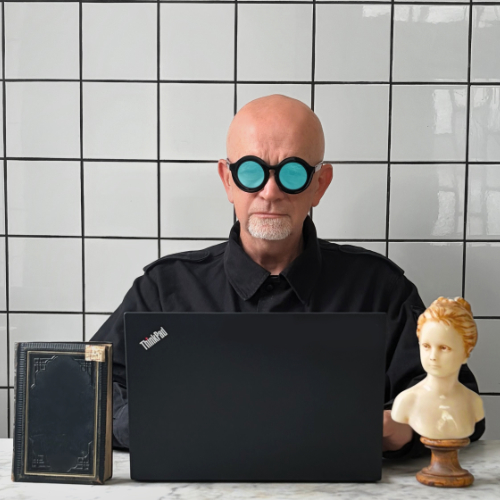 Igor Stromajer,
 Dominik Hupf,
 Lisa Demetz,
 Alexander Vukitsevits,
 Robert Maybach,
 Astrid Laufkoetter,
 Christian Hartmann,
 Ricarda Jaksch,
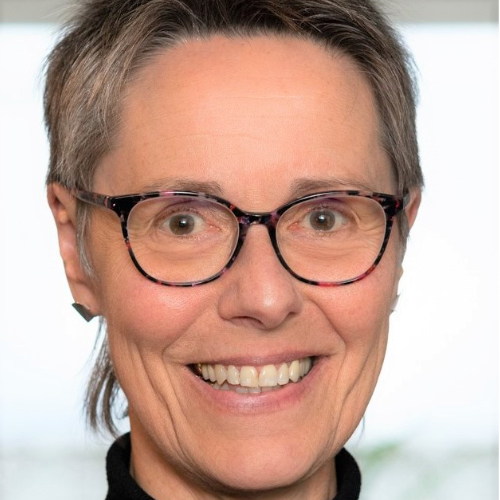 Monika Wrba,
 Jacqueline Walk,
 marcel Aigner,
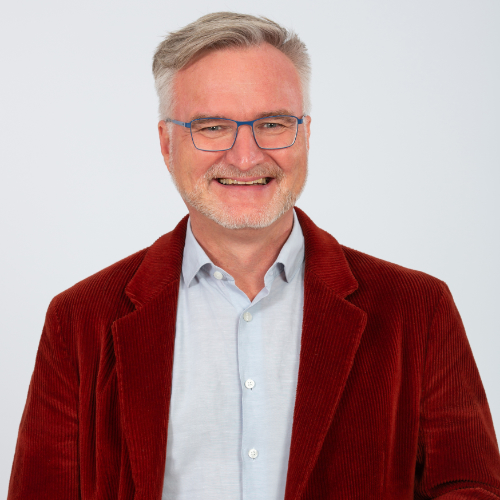 Jürgen Enninger,
 Kreativ München,

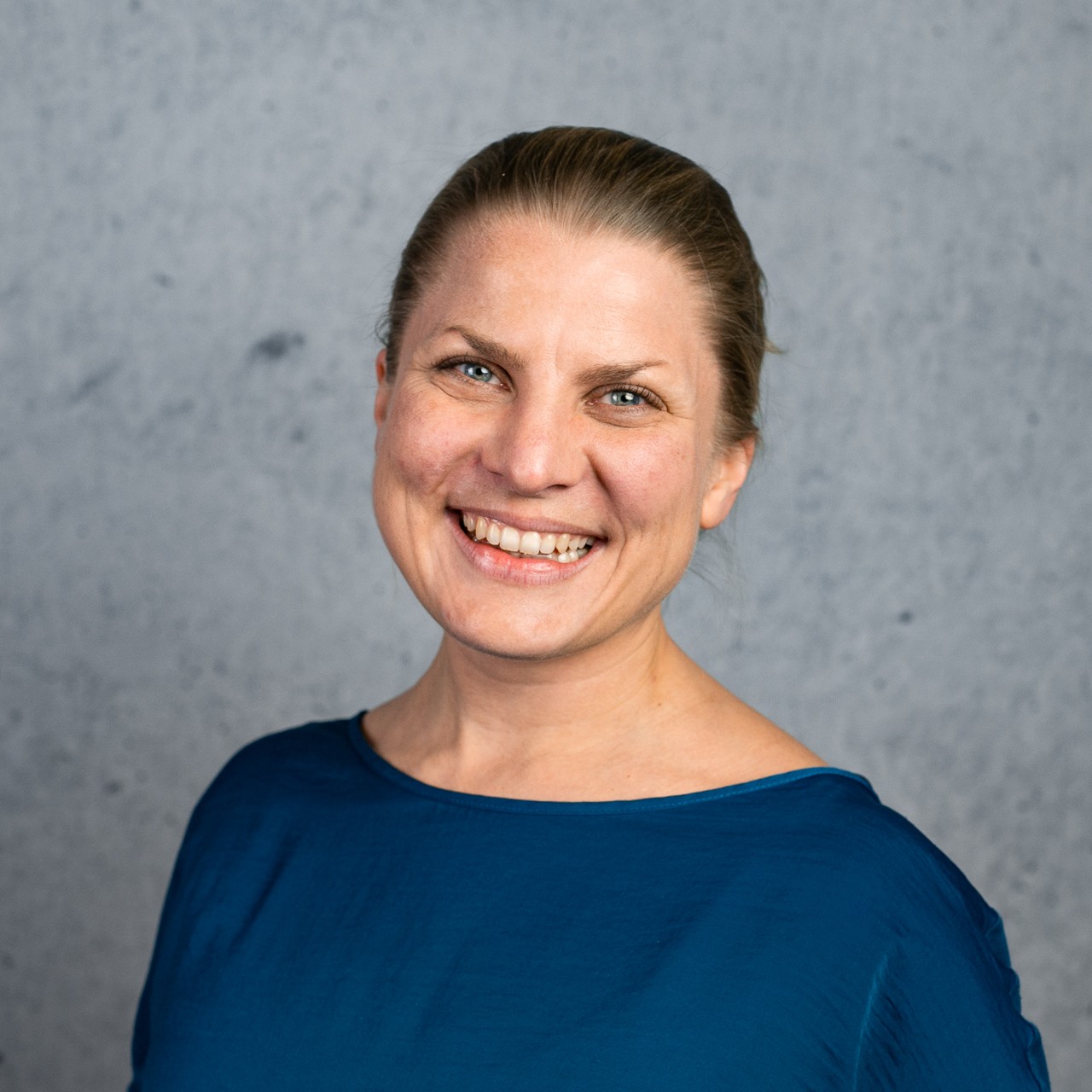 Cindy Ngo/Medien.Bayern GmbH,
 Sandra Stromberger,
"The most exciting developments happen when people from different disciplines come together, experiment, and further develop their ideas in the right spaces."
Andreas Auberger
, Head of CreativeTechHUB, Bayern Innovativ GmbH, Nuremberg
Next Level: Creative Industries
What's it about?
The cultural and creative industries generate new ideas, foster new perspectives, and bring together different disciplines, sectors, and stakeholders. As such, they are not only an economic force but also a partner in innovation for businesses, cities, regions, and processes of social transformation.
Next Level: Creative Industries focuses on the role of the creative industries in tomorrow’s innovation system and on the people, technologies, places, and networks that enable new developments.
Track A: Creative Tech & Cross-Industry Innovation
What will be possible?
New technologies alone do not create innovation. What matters most is what emerges when creative, technological, and entrepreneurial perspectives come together. The “Creative Tech & Cross Innovation” track focuses on new forms of collaboration, unconventional partnerships, and the question of how ideas are turned into concrete applications.
Track B: Spaces & Ecosystems
What do we need to do that?
Behind every innovation are the people, networks, and places that make it possible. In the “Spaces & Ecosystems” track, we turn our attention to the infrastructure of the creative industries: creative spaces, communities, incubators, and networks where ideas are born, tested, and further developed.
Real-world examples demonstrate how creative development is fostered locally and why innovation is virtually inconceivable without the appropriate spaces and networks.



De-Innovation: De-Digitalization as a Practice
Tactical Deconstruction of Innovation as a Subversive Artistic Strategy to Save Machines and Humanity
Igor Stromajer,
Parallel Lecture Series: Creative Tech & Cross Innovation | Ecosystems & Spaces, including a lunch break (12:50 p.m. to 1:50 p.m.)
In“Track C,”starting at 11:45 a.m., we’ll focus on the topic of Creative Tech & Cross Innovation. The central question is: How does something new come about? We’ll discuss new forms of collaboration at the intersections of creativity, technology, and innovation. At the same time,“Track Ö”will explore the topic of Ecosystems & Spaces. The central question here is: What do new ideas need to grow? The focus will be on the places, networks, and structures that enable, support, and sustain innovation over the long term.
Further details on the tracks can be found above in the program tabs “Creative Tech & Cross Innovation” and “Ecosystems & Spaces.”
Digital Monolith Traunstein
In the art project “Digital Monolith,” international art and local culture merge with the high-tech innovations of a global market leader. Accessible and vivid, the installation in public space symbolizes the inspiring synergies between business and culture, while simultaneously serving as a catalyst for innovation in these two seemingly disparate fields. In a plot twist, the monolith turns out to generate developments that exceed all expectations—even surprising the artist herself or himself.
Monika Wrba,
In Conversation: What Does the Next Level Require?
Prospects for Creativity, Innovation, and Ecosystems in Bavaria
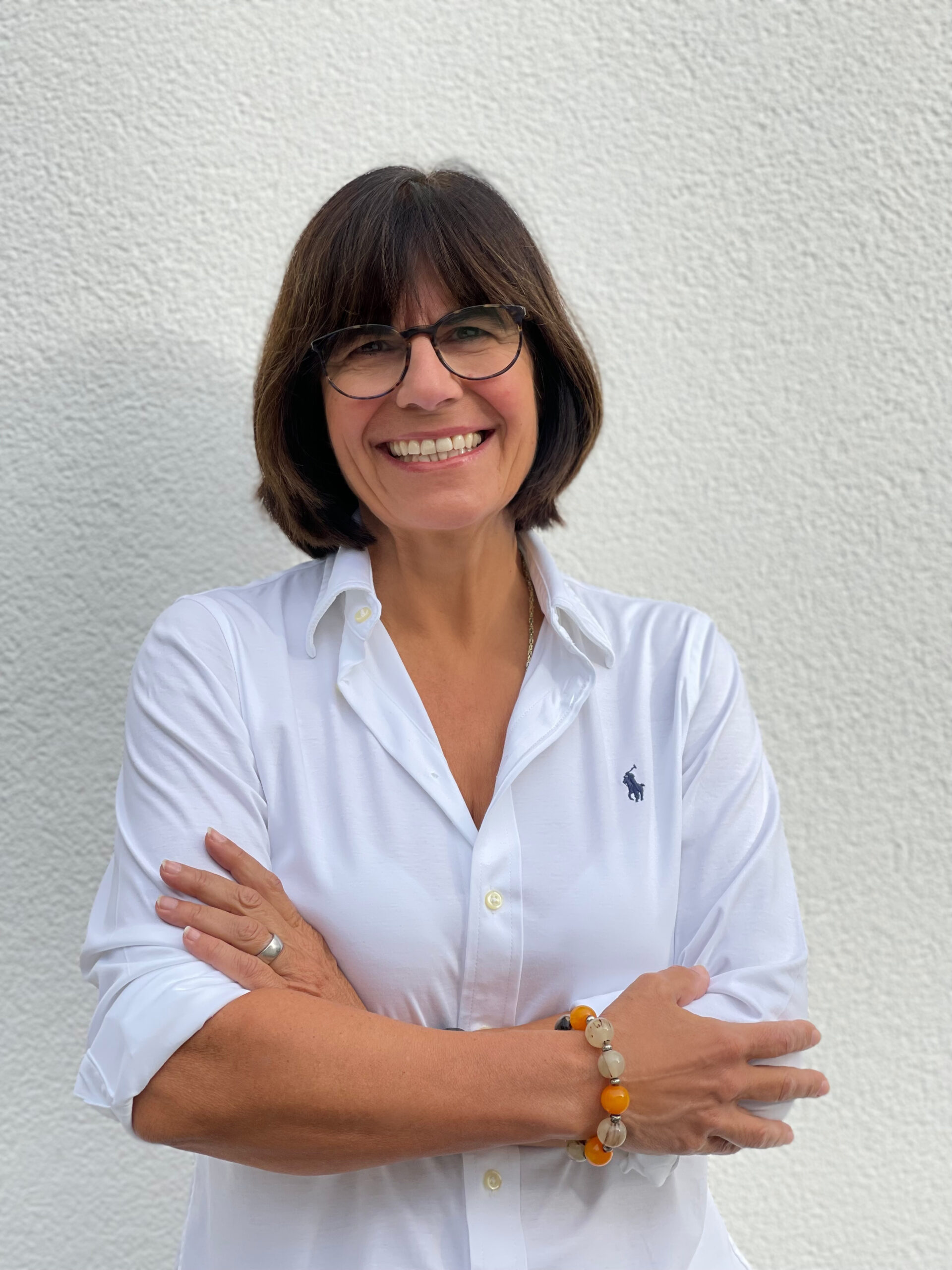
How Innovation Succeeds in CO Partnerships—What Makes Cross-Industry Collaboration Effective
Innovation does not arise automatically where different industries, perspectives, and areas of expertise come together. It arises when diversity is consciously cultivated. Drawing on initial insights from the CO.VISION funding program run by MFG Baden-Württemberg, this presentation highlights the factors that make cross-innovative collaboration sustainable: from a shared challenge, through readiness for cooperation and co-creation, to bridging competencies and expertise in the creative industries as part of the value chain.
Alexander Vukitsevits,
What Can Design Do? Design as an Interdisciplinary Field
Design is more than just creating things: As an interdisciplinary field, it bridges the gap between people, technologies, and systems. This presentation demonstrates how design connects different perspectives, makes complex relationships understandable, and enables new solutions.
Cross Innovation Day at OM7 – Insights and Lessons Learned
What happens when companies put their most pressing questions in the hands of creative professionals—and two sides that could hardly be more different come together? Cross Innovation Day at OM7 is a new format designed to structure this very moment and make it productive. In this pitch, we’ll share our real-world experiences: What does it take for interdisciplinary collaboration between the business sector and the creative industries to truly be effective?
We’ll show how the Cross Innovation Day is structured, what works—and what doesn’t—when very different stakeholders collaborate. And we’ll explore the conditions under which cross-innovation formats generate real added value.
Stepping Out of the Bubble: The Art of Organizing Productive Coincidences—The Mechanics Behind Successful Cross-Innovation Journeys
Stepping Out of Your Own Bubble: Curated encounters bring together people who might otherwise never have met, creating fertile ground for new ideas and collaborations.


Social Innovation Hackathon
Here, we see in a very practical way how the creative industries can drive innovation: At the Social Innovation Hackathon, creative professionals work together with social startups to further develop their innovative ideas.
Jacqueline Walk,
Next-Level Collaboration: How Creative Tech Is Transforming Creative Production
Creatives and technology—a field of tension that has always oscillated between fascination and skepticism. Today, creative tech tools are sometimes invisible helpers, sometimes disruptive game-changers. But how is creative tech transforming artistic production today? From time savings to democratization to copyright issues: The possibilities are enormous, the hurdles are real. What does this mean for collaboration? And what is lost in the process—or do we actually gain something? Using examples from Wavelab—the innovation lab and startup center at the Munich University of Music and Performing Arts—we’ll show how creative tech not only optimizes processes but also creates new possibilities.
Christian Hartmann,

Playful Progress: The Added Value of Gamification
Why do games keep us hooked for hours, while other apps and applications are often closed after just a few seconds? In this talk, we’ll explore this question together to crack the code of engaging experiences.
Spaces Instead of Frames: What Becomes Possible When XR Becomes a Creative Tool?
Extended Reality breaks free from the rectangular image format. Instead of just watching stories, we step right into them. Silke Schmidt demonstrates how augmented, mixed, and virtual reality, along with immersive video, are creating new, walk-through experiential spaces.
Using concrete real-world examples, she highlights the potential of this new dimensionality.
Creative Coding
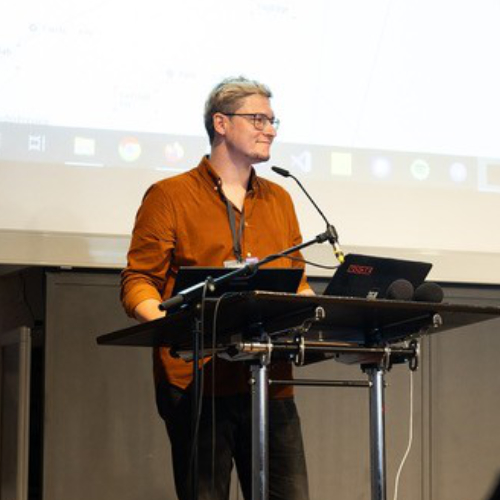
Code doesn’t have to stay in the background. Christoph Ignaz Kirmaier and Thomas Geissl show what happens when programming becomes part of the creative process
 Christoph Ignaz Kirmaier,
 3e8.studio e.U.,
Ricarda Jaksch,
What Happened to After-Work Beers? How to Reach People and Build a Community Today.
In an age of event overload and information fatigue, it’s becoming increasingly difficult to truly reach people and build lasting connections. A community forms where meaningful encounters happen time and again. This talk brings together insights from over 15 years of community building and highlights the role that the right people, partnerships, special places, and genuine encounters play in the process.

Tumblinger Creative Hub: From Vacant Space to Micro-Ecosystem
The Tumblinger Creative Hub demonstrates how vacant office spaces can be transformed into new creative micro-ecosystems through curation, community-building, and co-creation.
Kreativ München,
Possible Practice—A Creative Hub Between an Automotive City and a Budget Freeze
Can a space for the creative industries emerge in a city known for its auto industry—especially when funds are extremely tight? In Ingolstadt, the answer is ELFI. The path to getting there inevitably took two steps. First, in the absence of a “grand solution,” a vacant dental lab was turned into a temporary creative hub to test acceptance and viability. Armed with these insights, once the path was finally clear, the actual space was established in the building designated for that purpose. In between lay tough negotiations, a budget freeze, and the lingering question of whether the whole project would fail. Marcel Aigner doesn’t present a finished “best practice,” but rather a “possible practice”—that is, what becomes possible when you test with temporary solutions, learn from setbacks, and keep going despite tight finances.
marcel Aigner,
From a Town to an Ecosystem – Introducing the “Future Places” Network
Individual creative places in rural areas can achieve a great deal—but it is only when they form a network that they realize their full potential. The “Zukunftsorte” Network knows this from its own experience: dynamic individual projects have given rise to a Germany-wide community. In this talk, Philipp shares his insights on how sustainable rural ecosystems develop from individual creative initiatives.

Seeking an ecosystem, finding the future.
When creative spaces, local governments, and an engaged urban community come together, new uses, encounters, and perspectives for places emerge. The panel will synthesize the insights from the track and discuss how this collaboration revitalizes vacant spaces, strengthens neighborhoods, and fosters long-term, effective creative ecosystems from many small innovations.
marcel Aigner,
Ricarda Jaksch,
Christian Hartmann,
Kreativ München,
Alexander Vukitsevits,
 Igor Stromajer,
Monika Wrba,
Christoph Ignaz Kirmaier,
Jacqueline Walk,
 3e8.studio e.U.,