Technological Sovereignty in the Materials Sector
materials.next 2026 brings together industry, research, and application to discuss how the circular economy, material substitution, digital material data, and resilient supply chains can contribute to technological sovereignty. The focus is on how companies and institutions can rethink materials, data, and value creation to secure the supply of materials and strengthen their competitiveness and capacity for transformation in the long term.
Speaker
 BMW Group,
Herbert Negele
Head of Materials Development and Lightweight Construction, BMW Group
 Harald Gossner,
Dr. Harald Gossner
Senior Principal Engineer, Intel

Prof. Dr.-Ing. habil. Marion Merklein
Cluster Spokesperson for New Materials
 Fotostudio Galerie-Foto Neunzer,
Dr. Dominik Blaumeiser
Technology Catalyst & Sustainability, Siemens Healthineers AG
 RUB / Marquardt,
Prof. Dr. Alexander Hartmaier
Professor of Materials Mechanics, Ruhr University Bochum
 Dr. Sabine Langkau,
Dr. Sabine Langkau
Head of the Sustainability Innovations and Policy Business Unit, Fraunhofer ISI
 Schaeffler Technologies AG & Co. KG,
Dr. Johannes Moeller
Director of Advanced Materials, Schaeffler Technologies AG & Co. KG
Program and Additional Information
Agenda

Visions for the Future: How Can the Circular Economy and Digitalization Contribute to a Resilient Supply of Raw Materials?
The automotive industry faces the challenge of delivering new customer experiences and vehicle features while meeting ambitious sustainability targets and strengthening value chain resilience – all under intense cost and competitive pressure. How can these objectives be achieved together?
Engineering materials innovations are a key enabler of these objectives, helping to meet the demanding requirements of automotive engineering while improving cost efficiency and overcoming the apparent trade-off between profitability and sustainability. Innovative materials span plastics, metals, surface technologies and renewable raw materials. Within the complex automotive value chain, they are transformed into components and subsystems across multiple supplier tiers.
From an automotive manufacturer's perspective, this presentation examines the industry conditions and technological drivers shaping future vehicle generations. It explores the implications for automotive engineering materials, highlighting emerging trends and potential solutions.

How can companies build more sustainable, resilient, and future-proof supply chains? This presentation explores the role of transparency and supplier engagement in supply chain decarbonization, highlights key action areas, and illustrates the growing impact of regulatory frameworks using CBAM as an example.
The True Value of Materials Data – FAIR Data as a Foundation for AI and Circular Materials Engineering
Materials research and engineering generate vast amounts of valuable data – from chemical compositions and processing parameters to microstructures, material properties, and application-specific material performance. However, currently much of this information remains scattered across individual files, laboratories, and organizations, making it difficult to reuse the data and almost impossible to exploit it systematically for training of artificial intelligence models.
This talk will illustrate how modern research data management can turn such scattered materials data into reusable digital assets. Using concepts and examples from NFDI-MatWerk, it will show how FAIR principles (Findable-Accessible-Interoperable-Reusable), standardized metadata, semantic data structures, and digital workflows can make materials data interoperable for long periods of time across different units.
Particular attention will be given to the transition from FAIR data to AI-ready data. Machine-learning models require more than large quantities of data: they need well-described, traceable, machine-readable, and physically meaningful information. Establishing such data infrastructures therefore creates value far beyond documentation and regulatory compliance. It enables companies and research institutions to reuse historical data, combine experimental and simulation results, accelerate materials and process innovation, and ultimately establish closed digital information loops supporting both AI-assisted engineering and circular materials strategies.
The automotive industry faces the challenge of delivering new customer experiences and vehicle features while meeting ambitious sustainability targets and strengthening value chain resilience – all under intense cost and competitive pressure. How can these objectives be achieved together?
Engineering materials innovations are a key enabler of these objectives, helping to meet the demanding requirements of automotive engineering while improving cost efficiency and overcoming the apparent trade-off between profitability and sustainability. Innovative materials span plastics, metals, surface technologies and renewable raw materials. Within the complex automotive value chain, they are transformed into components and subsystems across multiple supplier tiers.
From an automotive manufacturer's perspective, this presentation examines the industry conditions and technological drivers shaping future vehicle generations. It explores the implications for automotive engineering materials, highlighting emerging trends and potential solutions.
Workshops/Interactive Session:
Workshop 1:
Data-Driven Material Cycles: What data is needed at each stage to manage materials in a circular manner effectively and economically?
Workshop 2:
Who Benefits from Circularity? Partners, Incentives and Business Models for High-Quality Recycling


Workshop 3:
The Circular Economy Needs a Common Language: How Standardized Material Flow Visualizations Create Transparency in Circular Materials
 Prof. Dr. Peter Weidinger,


Look forward to exciting encounters, new perspectives, and personal exchanges with people from businesses, research institutions, networks, and other organizations.
Representatives from the following companies, among others, have already confirmed their attendance:
Audi, BMW, Brose, Intel, Schaeffler, Siemens Healthineers, and others.
You can look forward to a diverse group of participants with a wide range of experiences, ideas, and perspectives. Take this opportunity to strengthen existing connections, meet new contacts, and discover interesting avenues for your own work.
Join us and look forward to meaningful conversations, new connections, and valuable insights!
Look forward to an accompanying exhibition featuring companies that present innovative solutions and technologies for a circular, digitized, and self-sufficient future of materials. Discover new ideas, exciting approaches, and potential inspiration for your value chain, and engage directly with the experts. The exhibition complements the technical program with practical innovations and fresh perspectives.

The venue, the ZOLLHOF – Tech Incubator in Nuremberg, is easily accessible by public transportation. You can check for the right connection directly using the VGN schedule information. If you’re traveling by car, parking options in the area include the Breite Gasse parking garage and the Frauengasse parking garage.
materials.next 2026: The Event for Industry, Research, and Innovation
The event is aimed at specialists and executives from industry, materials manufacturers, and materials-processing companies, as well as from research and development. Stakeholders in materials science, materials engineering, digitalization, data management, strategy, innovation, transformation, sustainability, the circular economy, and regulation will also find relevant insights here.
The focus is on how materials can be used as a strategic lever for competitiveness, resilience, and transformation, and what role the circular economy, material availability, and digitalization play in this context. The event offers expert guidance, practical perspectives from industry and research, and concrete points of reference for your own work—ranging from material substitution and data standards to regulatory requirements and new approaches along the value chain and material cycles.
What questions will be answered?
• Which materials do we need to rethink today in order to remain technologically competitive tomorrow?
• How can we reconcile the circular economy with economic efficiency?
• How can companies substitute materials in a meaningful way?
• What data and standards are needed for closed-loop systems?
• How can material availability be resiliently secured in a volatile environment?
• What role do regulation, transparency, and digitalization play in technological sovereignty?
Don’t miss out on the answers—register now.
Technological sovereignty has become a key issue for the future of industry and innovation policy:
While increasingly volatile supply chains threaten the availability of critical raw materials, regulatory requirements for climate protection and digital traceability are also on the rise. In this context, closed-loop material cycles offer the opportunity to serve as a sustainable method for simultaneously achieving climate protection goals and tapping into additional local sources of raw materials.
This trend is being reinforced by the Action Program for the National Circular Economy Strategy, which was recently adopted by the Federal Cabinet. As a result, the circular economy, raw material security, and digital applications are coming even more into focus. materials.next views this development not as a short-term opportunity, but as part of a fundamental transformation process: technological sovereignty in the materials sector.
These topics are the focus of materials.next 2026
The thematic focus areas for materials.next 2026 have been finalized. The focus is on strategic and technical issues at the intersection of the circular economy, material availability, resilience, and digitalization. materials.next is designed to be cross-industry and examines different perspectives on materials—from structural to functional materials.
 iStock/Weedezign,
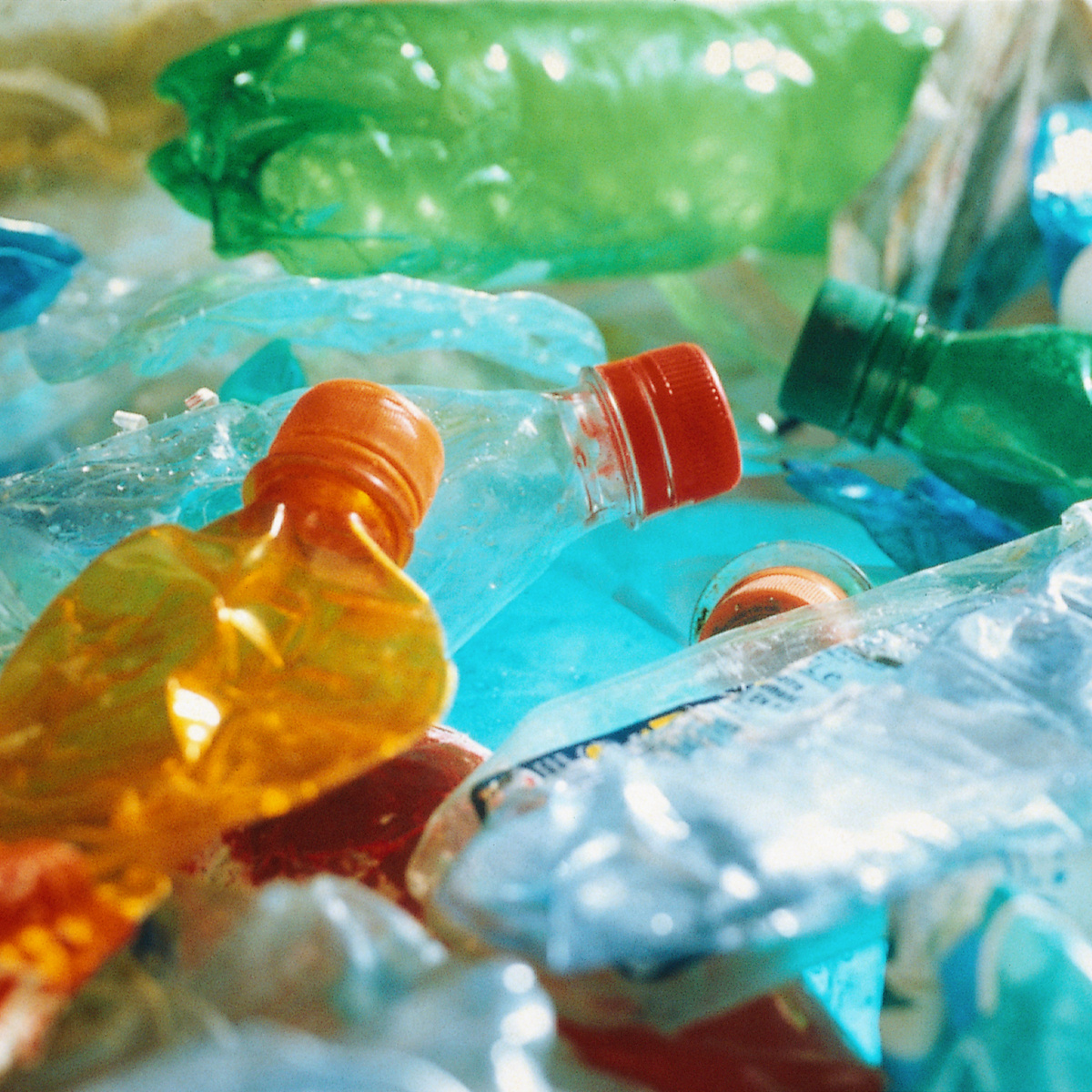
Thinking Economically About the Circular Economy and Utilizing It Strategically
The circular economy is increasingly becoming a matter of supply security, competitiveness, and industrial independence. materials.next 2026 demonstrates how materials, material flows, and value creation can be designed in such a way that circular processes are both ecologically sound and economically viable. The focus is on secondary raw materials, circular material strategies, materials with substitution potential, and the question of which materials need to be reimagined today in order to remain self-sufficient and resilient tomorrow.
 iStock/andresr,
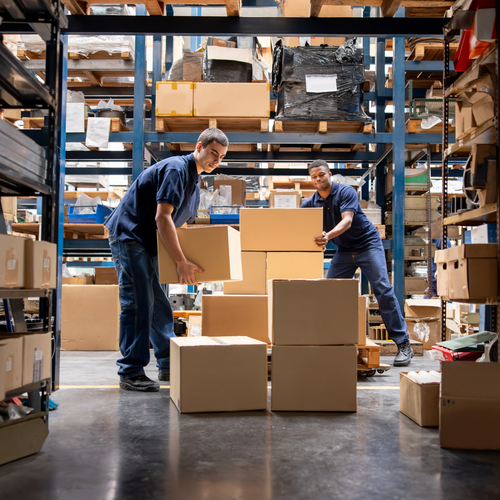
Material Availability, Supply Chains, and Industrial Resilience
Materials are increasingly becoming a key factor in industrial sustainability. Critical raw materials, geopolitical risks, and fragile supply chains are heightening the need for robust strategies for security of supply and resilience. materials.next 2026 explores how material availability, resilient supply chains, and the use of substitute materials can help ensure industrial capacity and strengthen European sovereignty in material-intensive industries.
 iStock/Antonio_Diaz,
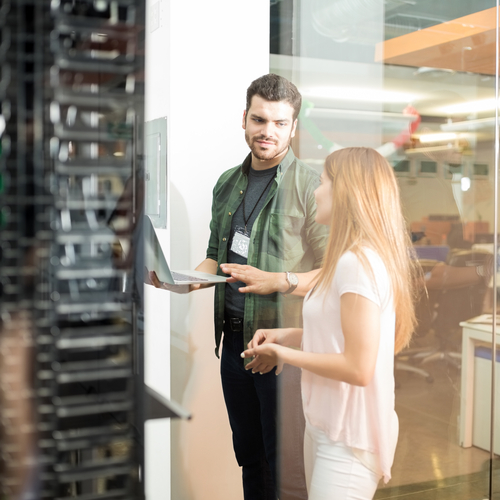
Digitalization, Data Standards, and Closed-Loop Systems
No data, no sovereignty. Anyone who wants to make materials traceable, close loops, and meet regulatory requirements needs shared, interoperable data models, standards, and digital applications. materials.next 2026 explores how digital material data, material twins, and the digital product passport can enhance transparency, traceability, and data sovereignty.