Better Connected, Faster Results: How Collaboration Advances Cancer Care
August 26, 2026
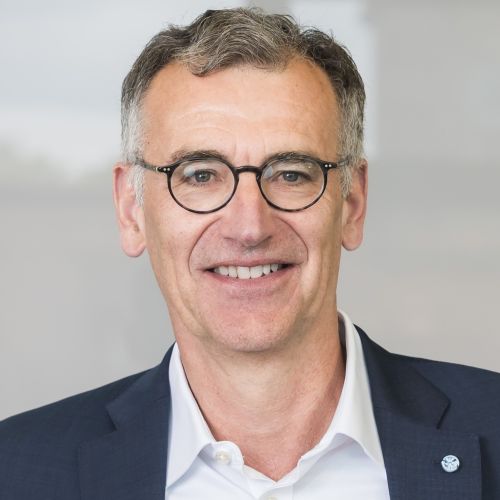
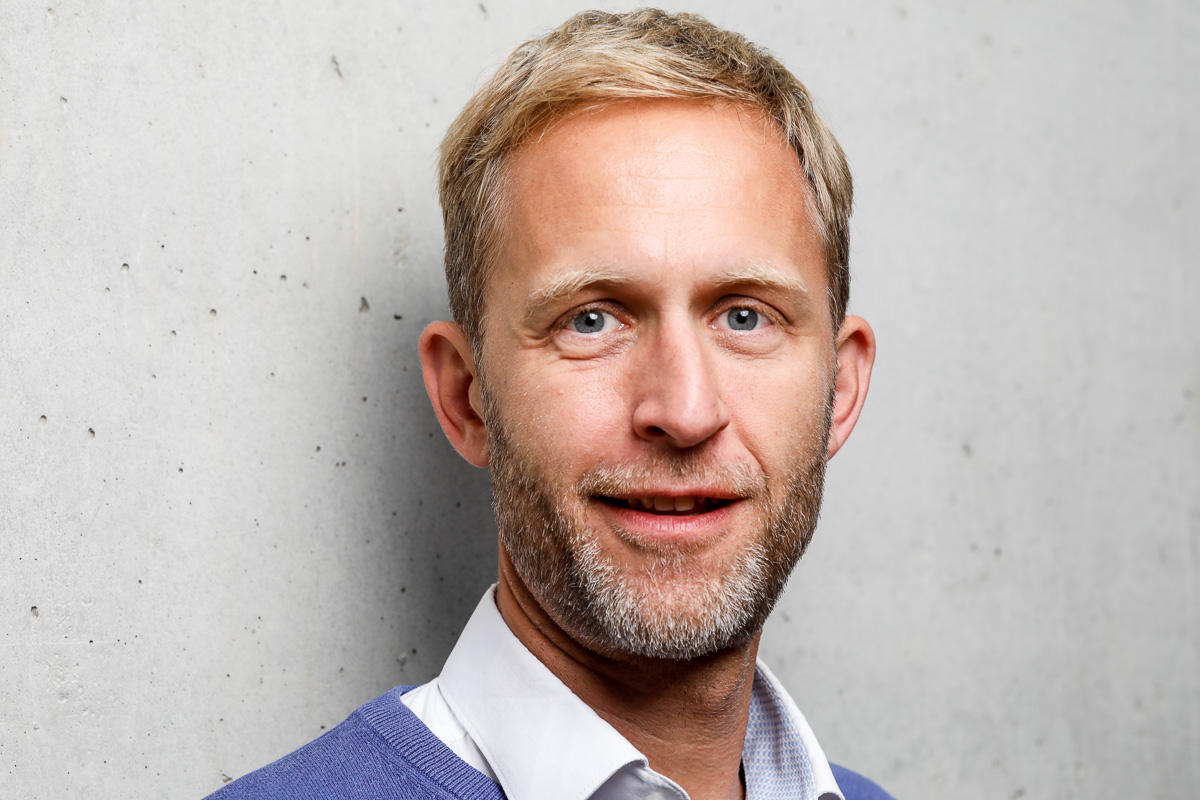
Innovation arises where different ideas and perspectives come together. At the Innovation Matchmaking Oncology event, startups and representatives from Bavarian university hospitals come together to jointly develop promising ideas for cancer medicine. In this interview, Dr. Harald Unterweger from the healthcare team at Bayern Innovativ and Prof. Dr. Stefanie Corradini from the BZKF discuss why collaboration between medicine, research, and industry is so important and how new technologies can find their way into everyday clinical practice.
Dr. Unterweger, why are initiatives like the Innovation Matchmaking Oncology necessary?
Innovations rarely emerge in isolation. In oncology in particular, close collaboration between hospitals, research institutions, startups, industry, and investors is essential to ensure that good ideas actually become solutions for patients. Initiatives like Innovation Matchmaking bring the right stakeholders together early on, foster new collaborations, and help shorten development times and accelerate the translation of innovation potential into clinical care.
What role does the BZKF play in connecting hospitals and innovative companies?
Prof. Dr. Stefanie Corradini: The BZKF provides an ideal platform for connecting the six Bavarian university hospitals with external partners. This allows innovative ideas to be aligned with clinical requirements at an early stage and further developed collaboratively. It thus fosters an environment for new collaborations and helps to specifically advance promising developments in Bavaria—with the goal of ensuring that new approaches reach patients as quickly as possible.
What challenges do hospitals face today when introducing new technologies and innovations?
Prof. Dr. Stefanie Corradini: The real challenge often lies in implementing these innovations in everyday clinical practice. In addition to the medical benefits, data protection, regulatory requirements, technical interfaces, resources, and existing workflows must all be taken into account. An innovation must therefore not only function well, but also be practicable and sustainable when integrated into patient care.
What should startups bring to the table if they want to collaborate with hospitals?
Prof. Dr. Stefanie Corradini: Above all, an openness to the actual needs of everyday clinical practice. In my view, contact with a hospital should be sought as early as possible in the development phase so that clinical requirements and potential hurdles can be taken into account from the very beginning. A good technological idea alone isn’t enough—it must solve a relevant problem, be practical, and create clear added value for patients or treatment teams. It’s also important to be willing to work together to further develop solutions.
Which areas of innovation do you currently view as particularly promising for oncology?
Prof. Dr. Stefanie Corradini: From my personal perspective as a radiation oncologist, I see particularly great potential in artificial intelligence, intelligent imaging, and data-driven, personalized treatment approaches. I find technologies that help us characterize tumors more precisely, tailor therapies more individually, and make clinical processes more efficient particularly exciting.
Why is knowledge transfer so important in cancer medicine?
Prof. Dr. Stefanie Corradini: Knowledge transfer in oncology is not a one-way street: findings from research must find their way into clinical care, while at the same time, experiences, questions, and new ideas from everyday clinical practice should flow back into research. This two-way exchange is crucial for the targeted development of relevant innovations.
What role do patients play in cancer research today?
Prof. Dr. Stefanie Corradini: The early involvement of patients is now an important part of good research. They bring a different perspective to research questions, priorities, and relevant endpoints than we have from a clinical or scientific standpoint. I find this perspective to be a great asset because it helps align research more closely with the actual needs of those affected.
What message would you like to share with the participants of the Innovation Matchmaking event?
Dr. Harald Unterweger: Take advantage of this opportunity to talk openly about challenges, needs, and ideas. The best collaborations often arise from conversations that weren’t even planned in the first place. Be curious, think beyond existing boundaries, and actively seek out partners who complement your perspective. Innovation arises where different areas of expertise come together.
What potential do you see in the ideas and pitches presented at the Innovation Matchmaking event?
Prof. Dr. Stefanie Corradini: I had the opportunity to attend the last Innovation Matchmaking event and found it particularly exciting to see how diverse the participants’ ideas were—and how far along they were in their development. If we succeed in creating the right matchmaking opportunities with the Bavarian university hospitals here, we’ll foster exactly the kind of environment where good ideas can turn into concrete collaborations and, ultimately, truly major innovations.
Thank you very much for the interview!
In this interview, Dr. Harald Unterweger and Prof. Dr. Stefanie Corradini discuss the importance of collaboration, knowledge transfer, and AI innovations in oncology. Find out why networking among hospitals, research institutions, and startups is crucial for the future of cancer medicine, and meet the key players in person at the Innovation Matchmaking Oncology event.
Contact us