Review of the 8th "Working World 4.0" Network Conference
Designing Innovative Work Environments: The Interplay of People, Organizations, and Technology
November 25, 2026
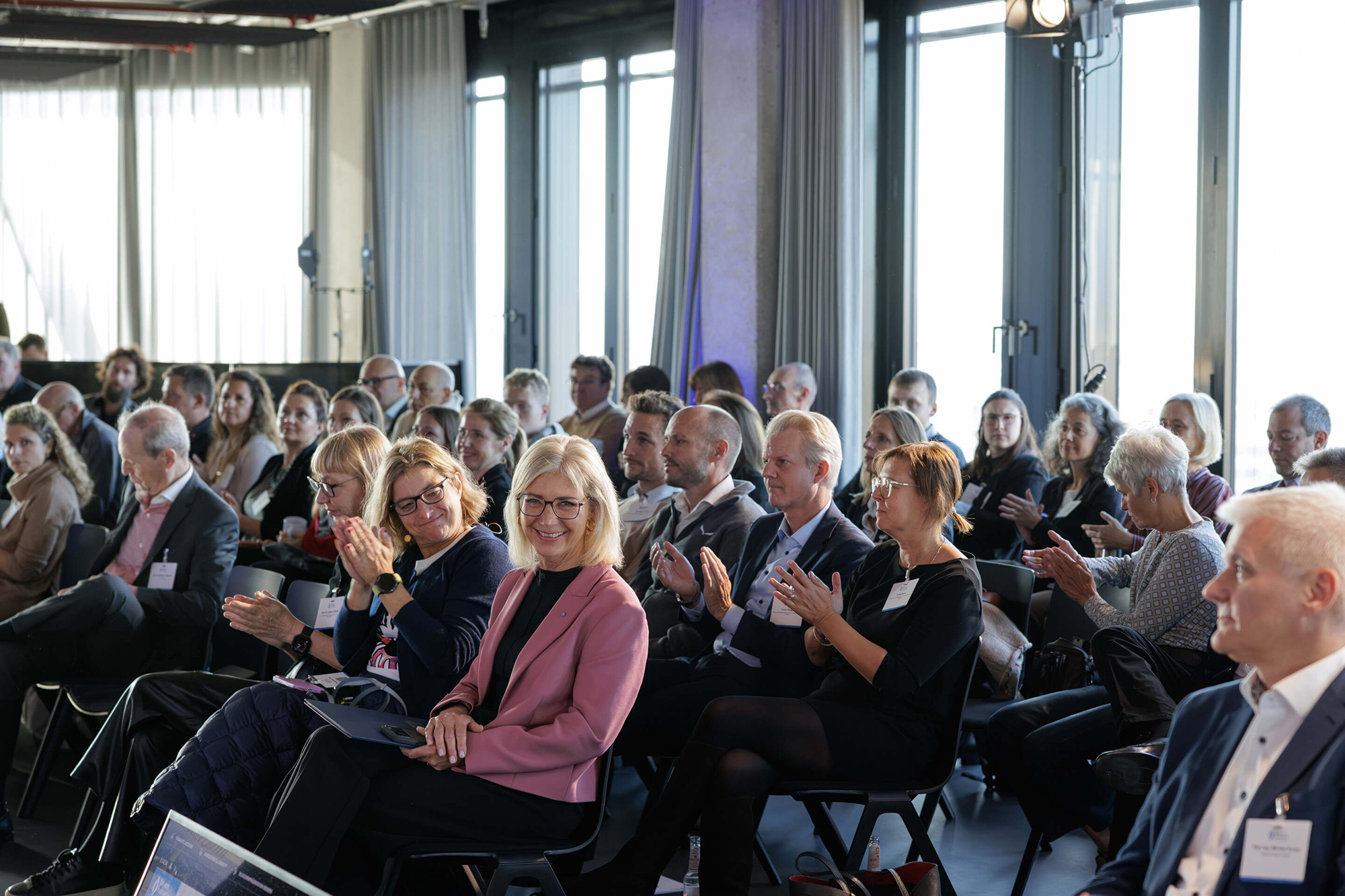
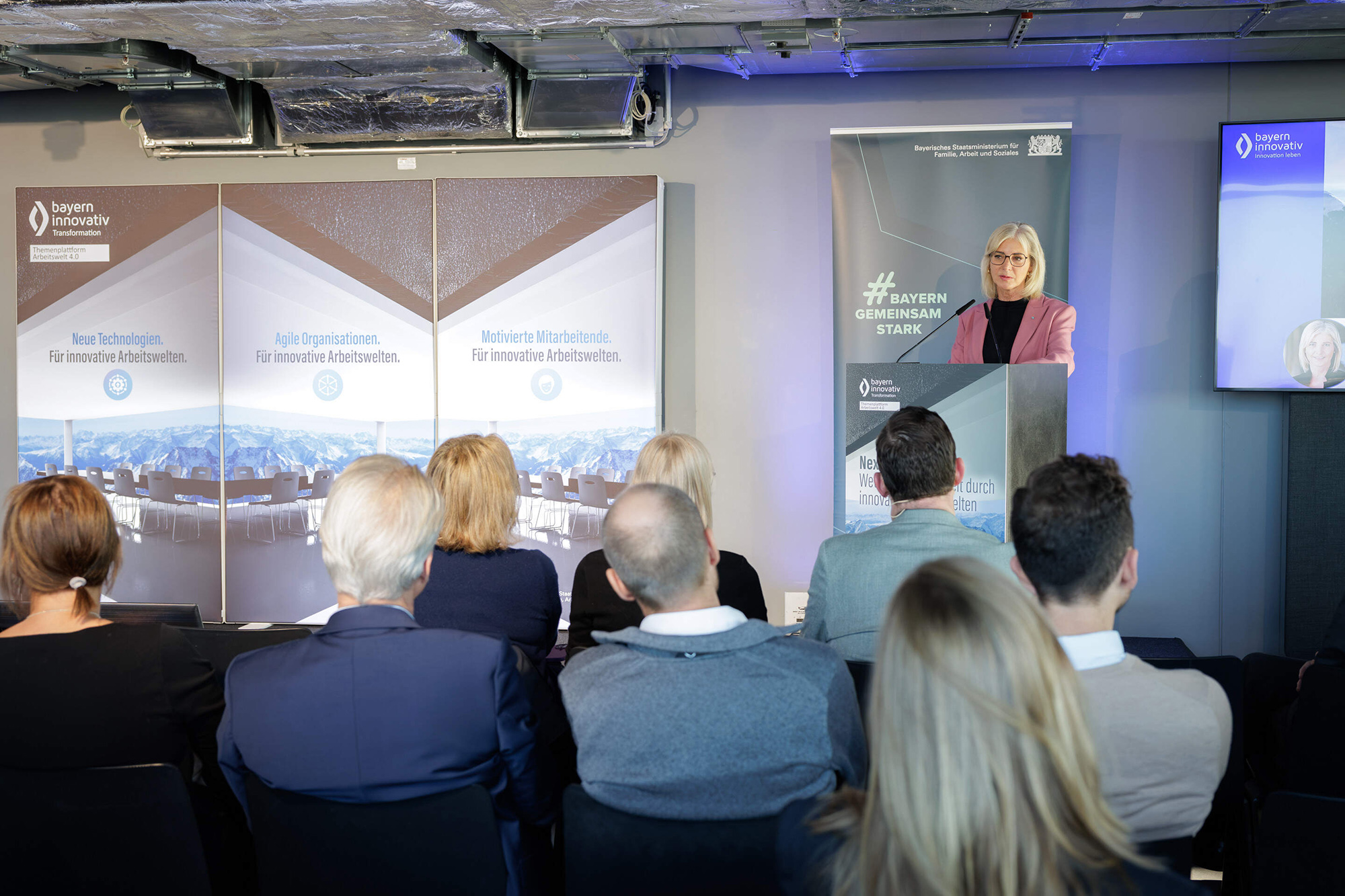
Innovative work environments boost productivity and innovation, making them a key driver of competitiveness for businesses and economies. The interplay between technology, organization, and people is crucial. The eighth network conference of the “Working World 4.0” thematic platform—funded by the Bavarian State Ministry of Family, Labor, and Social Affairs and organized in cooperation with acatech —the German Academy of Science and Engineering—and experts on October 29, 2026, in Munich’s Werksviertel district.
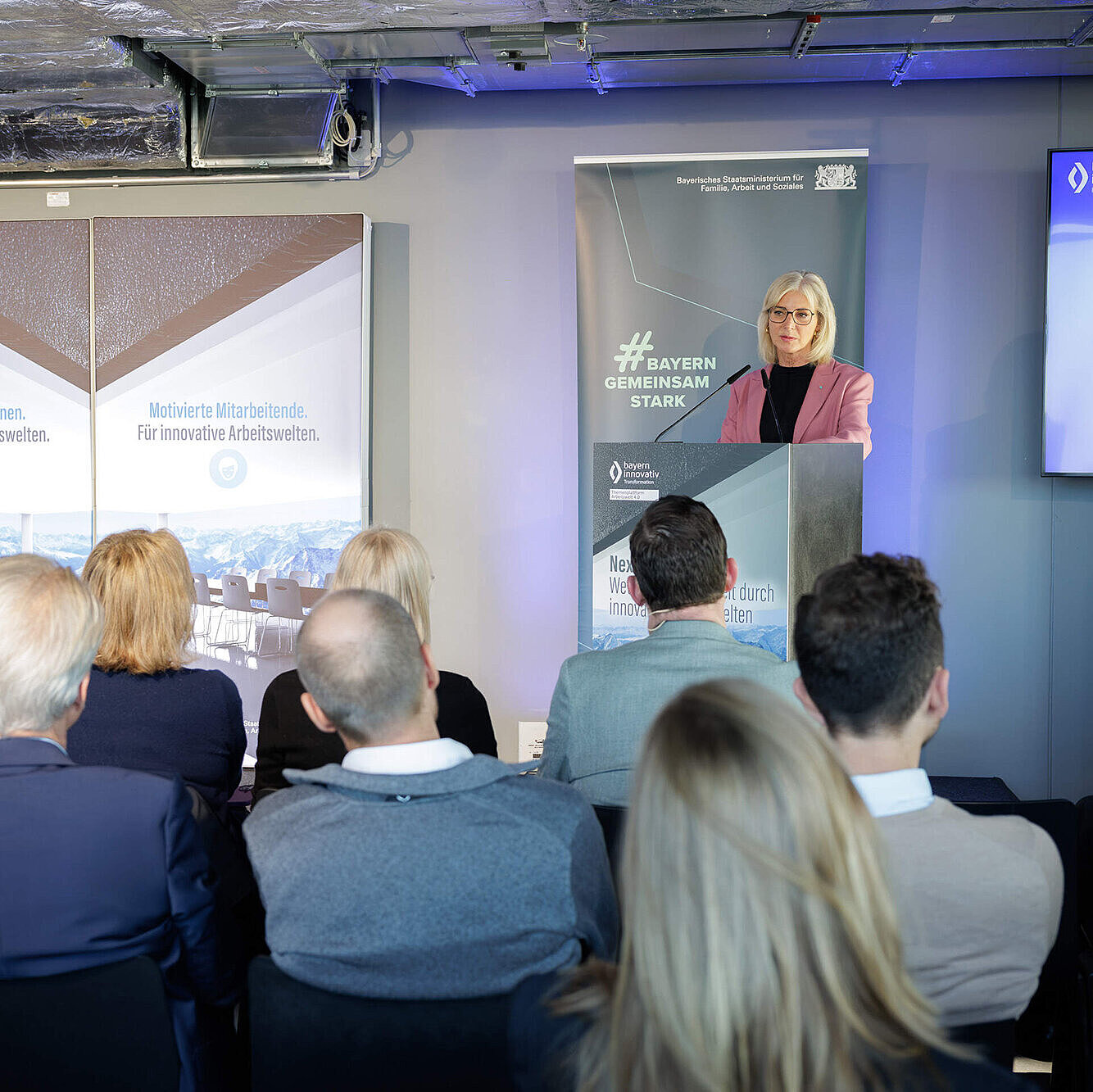
Bavaria’s Minister of Family and Labor and Deputy Minister-President Ulrike Scharf, MdL, made it clear in her opening remarks: “Technology creates opportunities; people drive progress. Those who remain open-minded, who pursue continuing education, and who help shape innovative work environments make our home region competitive. This is how Bavaria remains strong together. Our ‘Workplace 4.0’ thematic platform—one of three key measures of the Pact for Continuing Vocational Education—serves as a solid pillar in this transformation.”
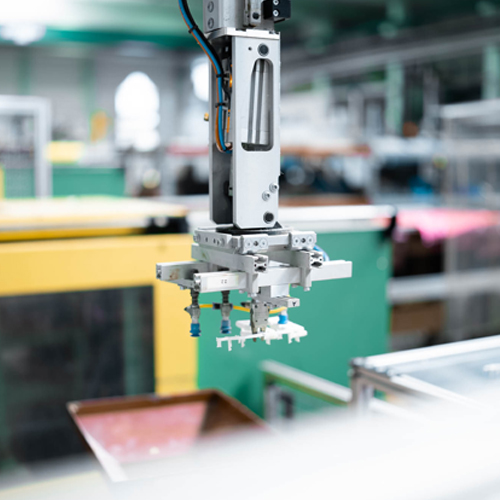
A look at the future of work reveals how this transformation can take shape in concrete terms: It will be shaped by AI, robotics, and intelligent automation—but these technologies will only realize their full potential if they solve specific challenges and support people. In light of demographic change, automation can boost productivity and relieve people of dangerous, monotonous, or stressful tasks. This requires not only technological innovation but also safety, continuing education, and an open dialogue about where digital solutions make sense and where human involvement remains essential.
Keynote: Innovative Work Environments: With AI, Without AI, Despite AI
Professor Dr. Isabell M. Welpe, holder of the Chair of Strategy and Organization at the Technical University of Munich, opened the conference and emphasized that success does not come solely from leading technology, but rather from rethinking work, collaboration, and leadership. Companies that shape this transformation lay the groundwork for exceptional success and value creation. AI can significantly boost productivity. However, this gain does not automatically benefit the entire organization. To realize this potential, companies must fundamentally redesign processes and collaboration and actively lead the implementation of AI.
Three engaging keynote presentations delved deeper into the competitive factors that shape innovative work environments: people, organization, and technology. They made it clear that sustainable change can only succeed when technological possibilities are linked to organizational development and the needs of people.
Technology as a Competitive Factor: Solutions That Support People
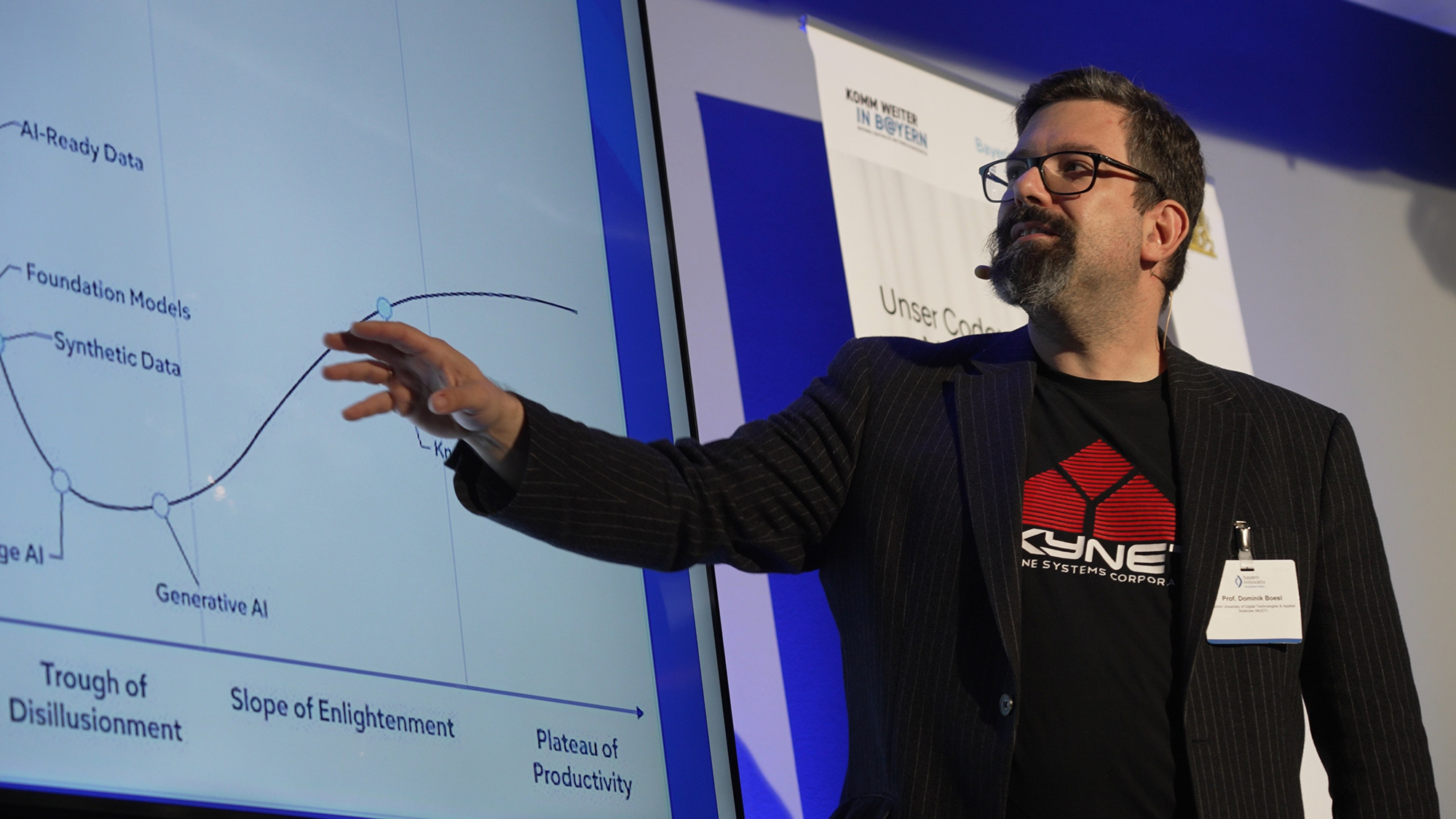
The presentation by Prof. Dr. Dominik Bösl of the Munich University of Digital Technology (MUDT) emphasized that AI and robotics offer great opportunities but will not immediately meet all expectations. In light of demographic change, automation is becoming increasingly necessary—especially for dangerous, monotonous, and physically demanding tasks. For it to benefit people, clear safety and participation guidelines, targeted training, and human oversight are needed. It is crucial to apply technology to specific problems. The future of work depends on whether we design technologies responsibly, leverage our own strengths, and invest today in skills and appropriate applications.
Organization as a Competitive Factor: Combining New Skills with Existing Strengths
In her keynote address, PD Dr. Angela Graf from the Bavarian Research Institute for Digital Transformation (bidt) focused on organization. Digital technologies open up a wide range of opportunities for innovation—from more efficient processes to new products, services, and business models. For these to actually result in innovation and competitive advantages, companies must also further develop their organizational structures: structures, processes, and routines, as well as collaboration and self-image. A central task is to combine new skills and ideas with existing strengths. Digital transformation is therefore not merely a technical task, but equally an organizational one. It can touch on a company’s identity: Who are we? What defines us? And who do we want to be in the future? Answers to these questions are crucial not only for shaping the transformation but also for gaining competitive advantages.
People as a Competitive Factor: Fostering Trust and Development
In her presentation, Selina Streit of XITASO focused on the human element and demonstrated the importance of trust, self-organization, and continuous development for innovative work environments. An innovative, people-centered work environment is built on trust, self-organization, and continuous development. Mentoring, thematic communities, and autonomous, interdisciplinary teams can strengthen autonomy, competence, and a sense of connection. Those who trust employees as experts and support their development create the essential conditions for creativity, performance, and innovation. This requires learning opportunities, participation, and collaboration that incorporates diverse perspectives.
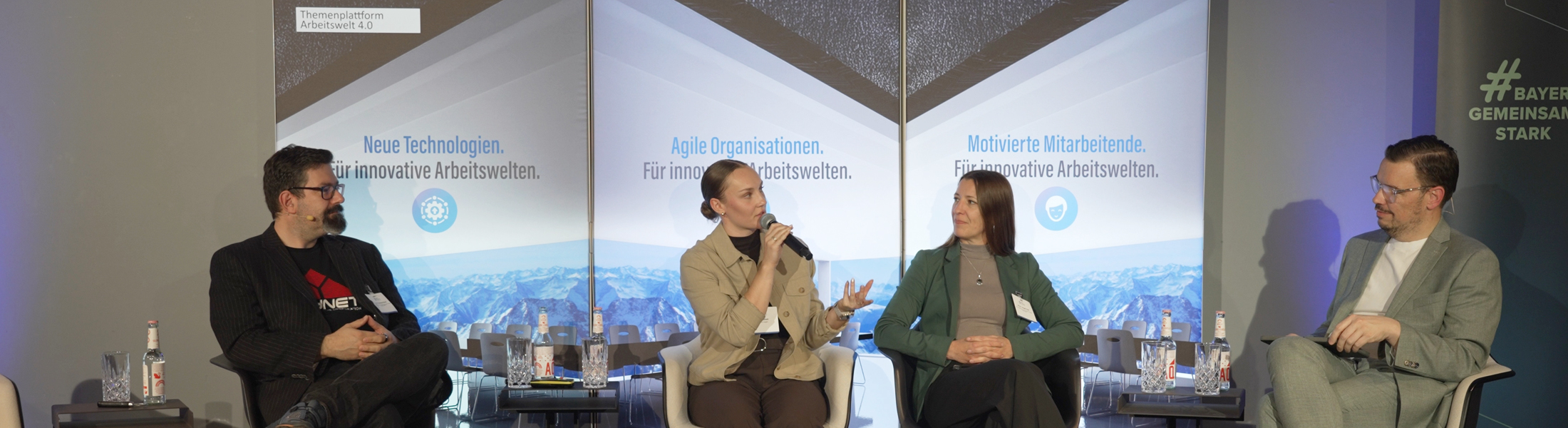
Panel Discussion: Progress Comes from Collaboration
Technology alone does not drive progress. What matters most are people who are committed to solving specific challenges and who are well-equipped to do so—with the necessary technical expertise, communication skills, and interdisciplinary knowledge. Change requires trust and participation. Mentoring, peer-to-peer learning, and leaders who serve as role models can help break down fears and status barriers. This creates a space where new ideas can be tested and implemented.
During the panel discussion, it became clear that new technology and deep-tech startups can create jobs and foster new prosperity. To harness this potential, the panel emphasized the need to foster the appropriate framework conditions. At the same time, collaboration with AI agents is becoming increasingly commonplace: people are working with them, delegating tasks to them, and taking responsibility for their use. According to the panel’s assessment, this will be part of everyday work life in a few years. However, it is not yet possible to fully foresee what new job profiles and applications will emerge from this.
Exhibits Bring the Future of Work to Life
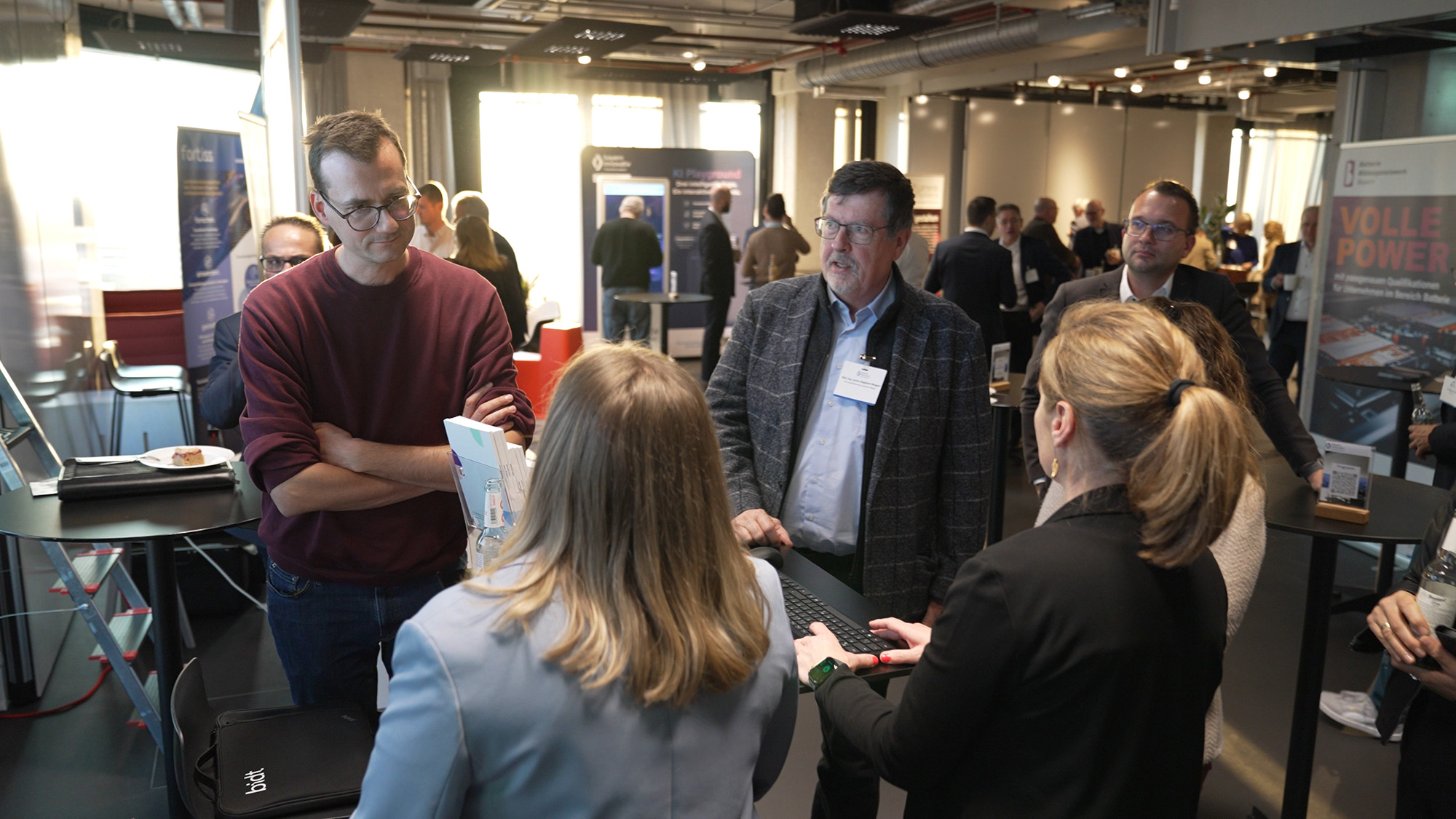
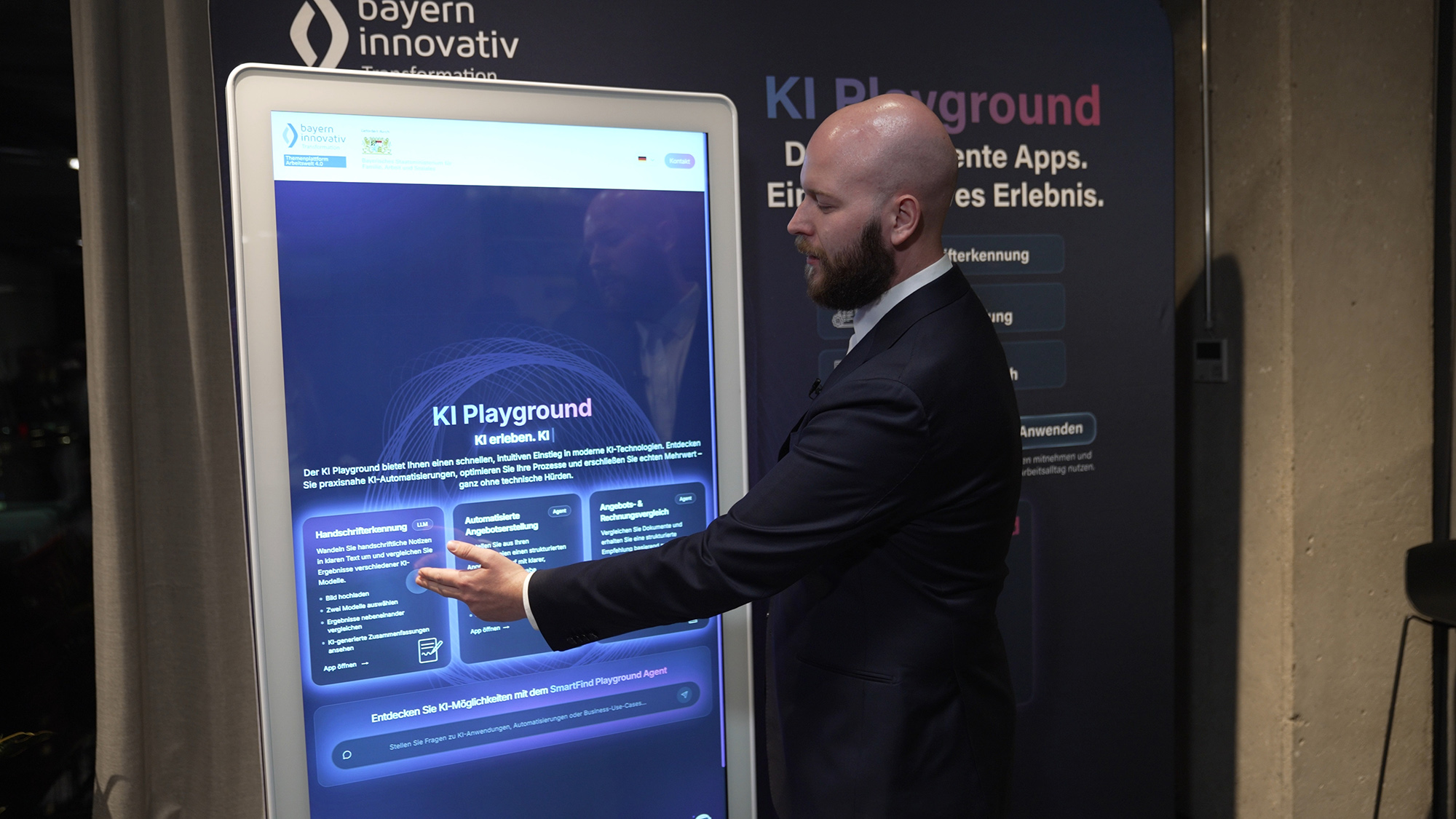
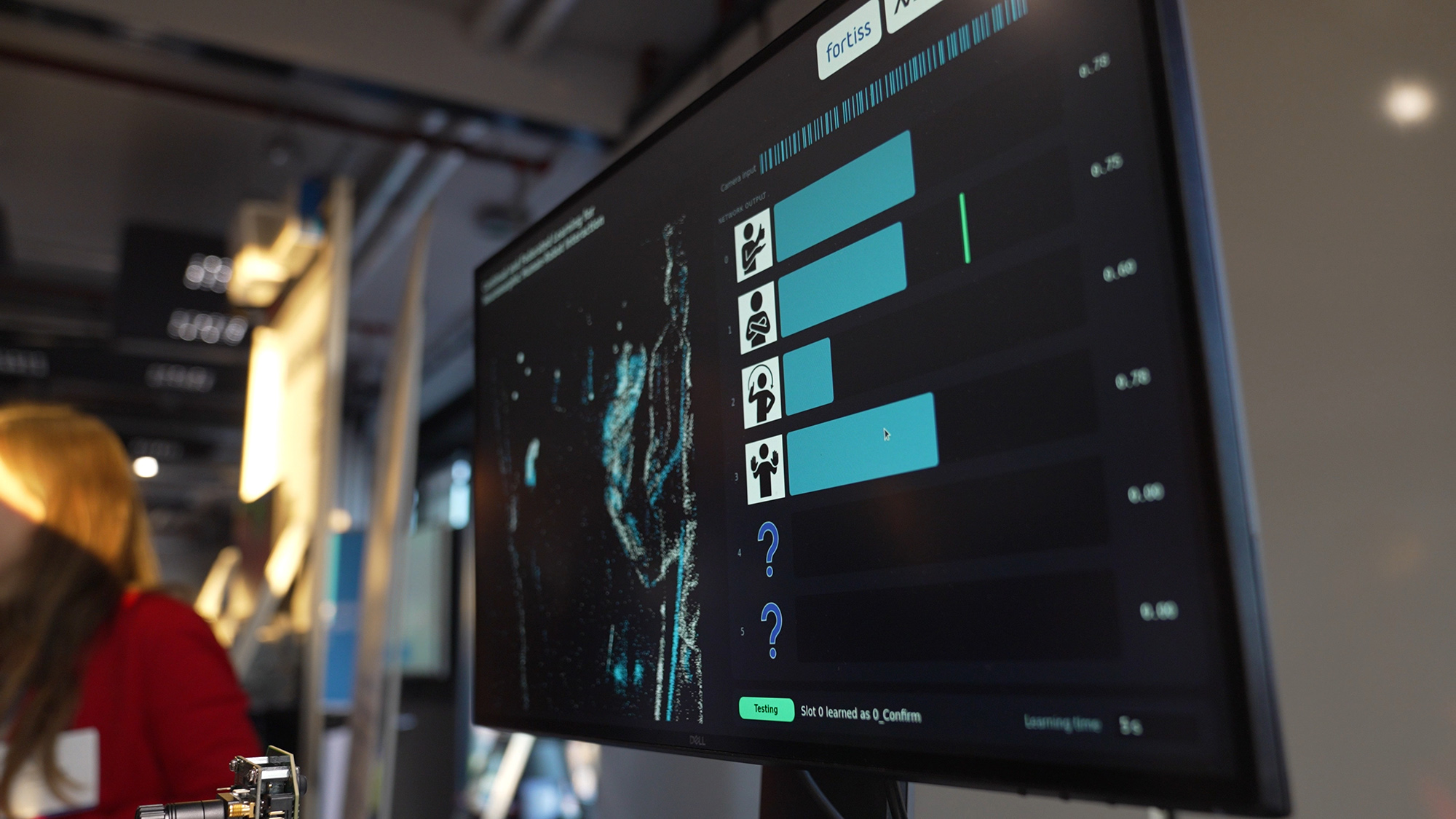
Another highlight of the conference was the interactive exhibition, which brought the future of the workplace to life. The exhibits ranged from the AI Playground to adaptive human-robot interaction with neuromorphic AI and worker assistance for innovative work environments, all the way to an interactive dashboard that vividly consolidates data on Bavaria’s digital workplace. In addition to expert presentations and demonstrations, the networking conference also offered a variety of opportunities for discussion and exchange.
Key Takeaways from the Networking Conference
- Technology alone does not drive progress: What matters most are people who want to solve concrete problems and are well-equipped to do so in terms of technical expertise, communication skills, and interdisciplinary knowledge. Employees should be equipped with future skills.
- AI can significantly boost productivity—but these gains do not automatically benefit the entire organization. To achieve this, companies must fundamentally redesign processes and collaboration and actively lead the implementation.
- Change requires trust and participation: mentoring, peer-to-peer learning, and leaders serving as role models help break down fears and status barriers—and create a space where new ideas can be tested and implemented.
Conclusion: The future is shaped by our actions
The network conference made it clear: An innovative world of work does not emerge through technology alone. What matters most is using AI, robotics, and automation wisely, further developing organizations, equipping employees with future skills, and empowering them to actively shape the transformation. AI agents could become a natural part of collaboration in just a few years; it remains to be seen what new applications and job profiles will emerge as a result. At the same time, new technology and deep-tech startups can create jobs. To harness this potential, we need responsible design, appropriate framework conditions, and the courage to explore new paths.
Your Contact