Carbon Management in Practice
Opportunities, Areas of Application, and General Conditions
November 17, 2026
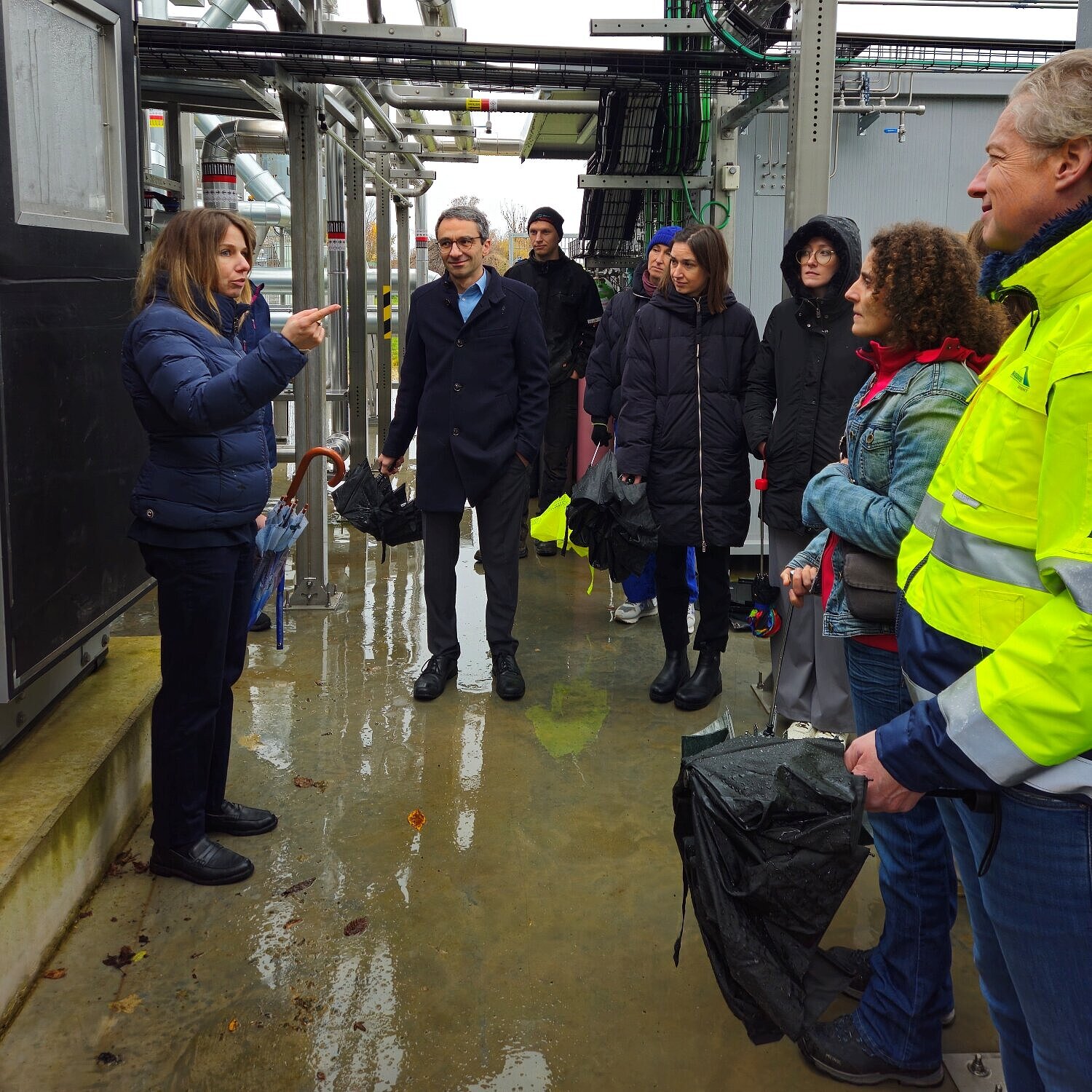
How can carbon management contribute to climate protection, and under what conditions? The third expert group meeting organized by the Bavarian State Ministry of Economic Affairs, Regional Development, and Energy on the CCU/CCS Action Plan for Carbon Management in Bavaria focused on practical experiences, current political developments, and the perspectives of environmental organizations. A visit to a biogas plant with a bio-LNG facility demonstrated concrete applications on site. Insights and discussions also highlighted where CCU and CCS can be useful in addressing unavoidable residual emissions.
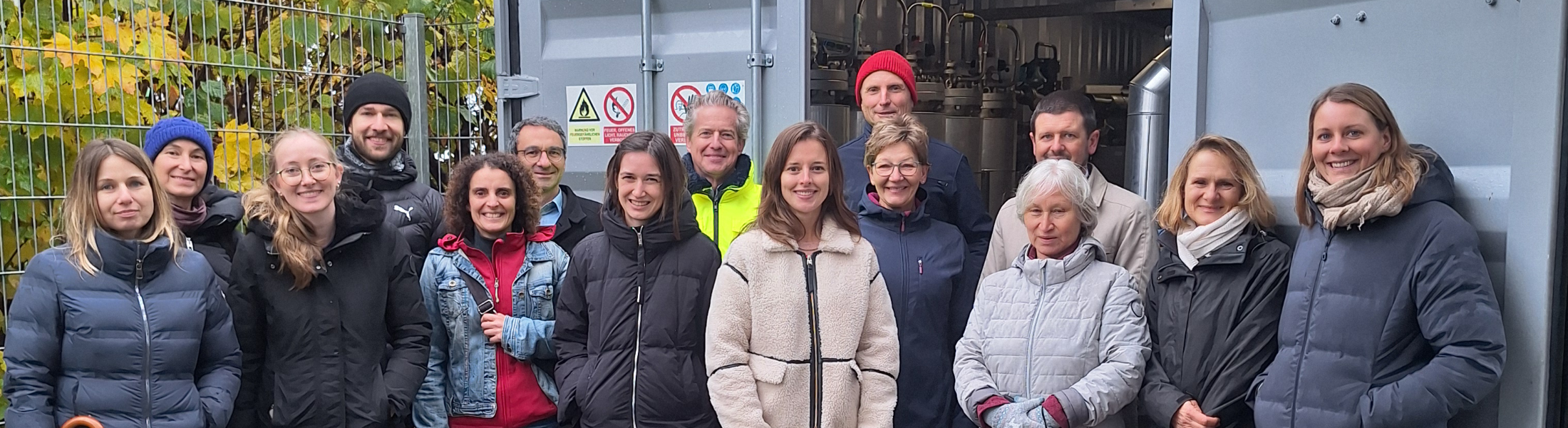
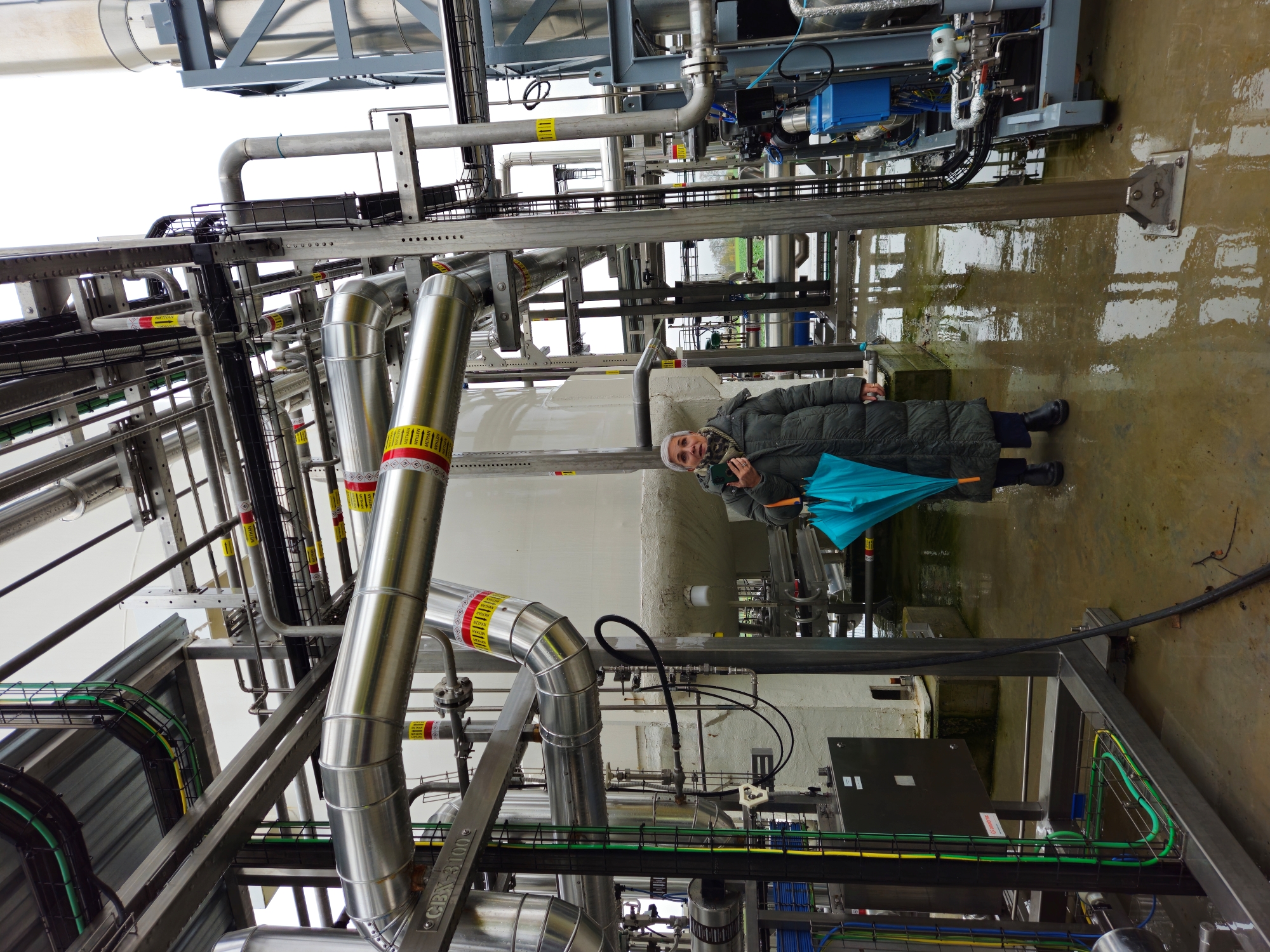
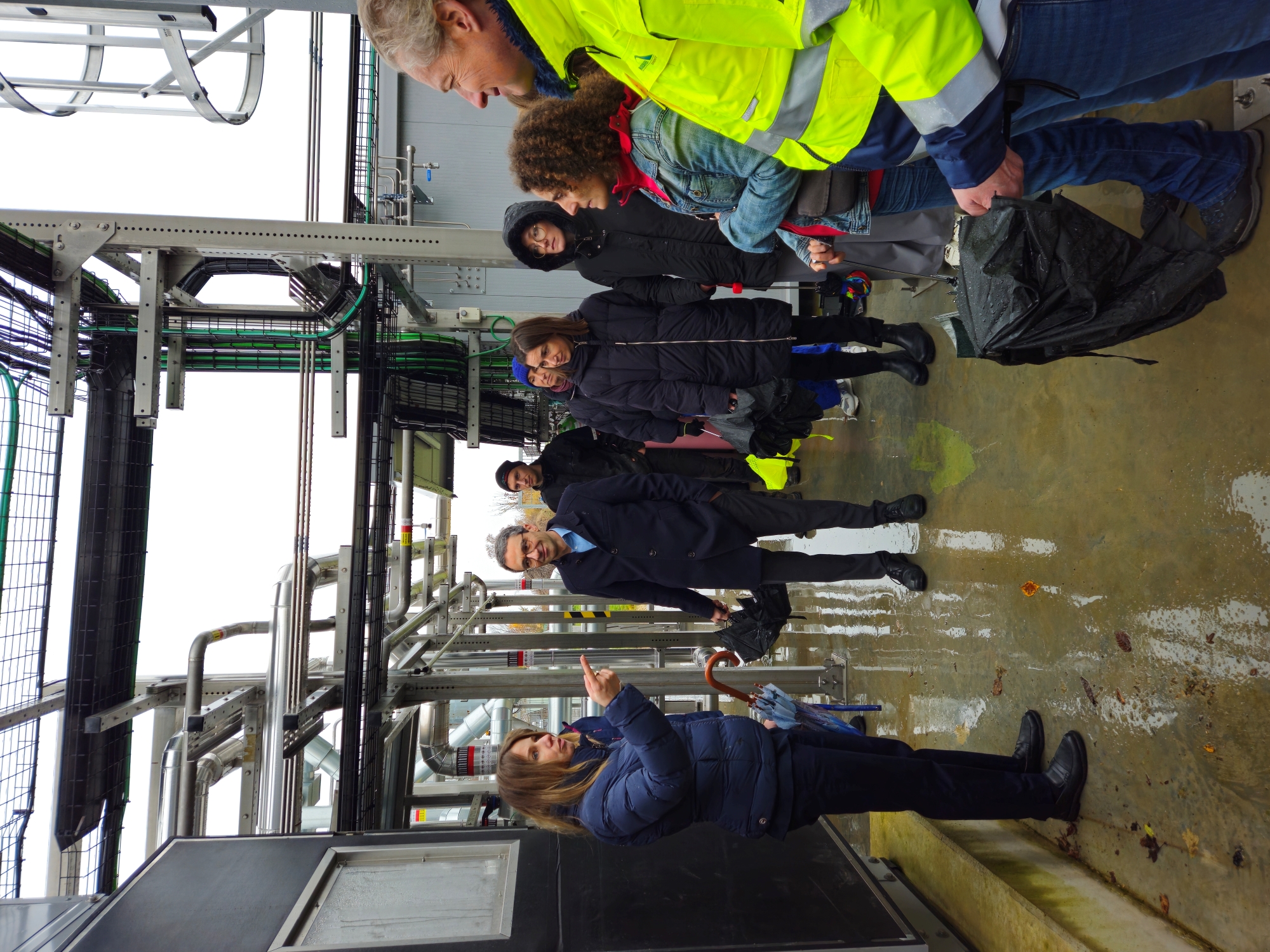
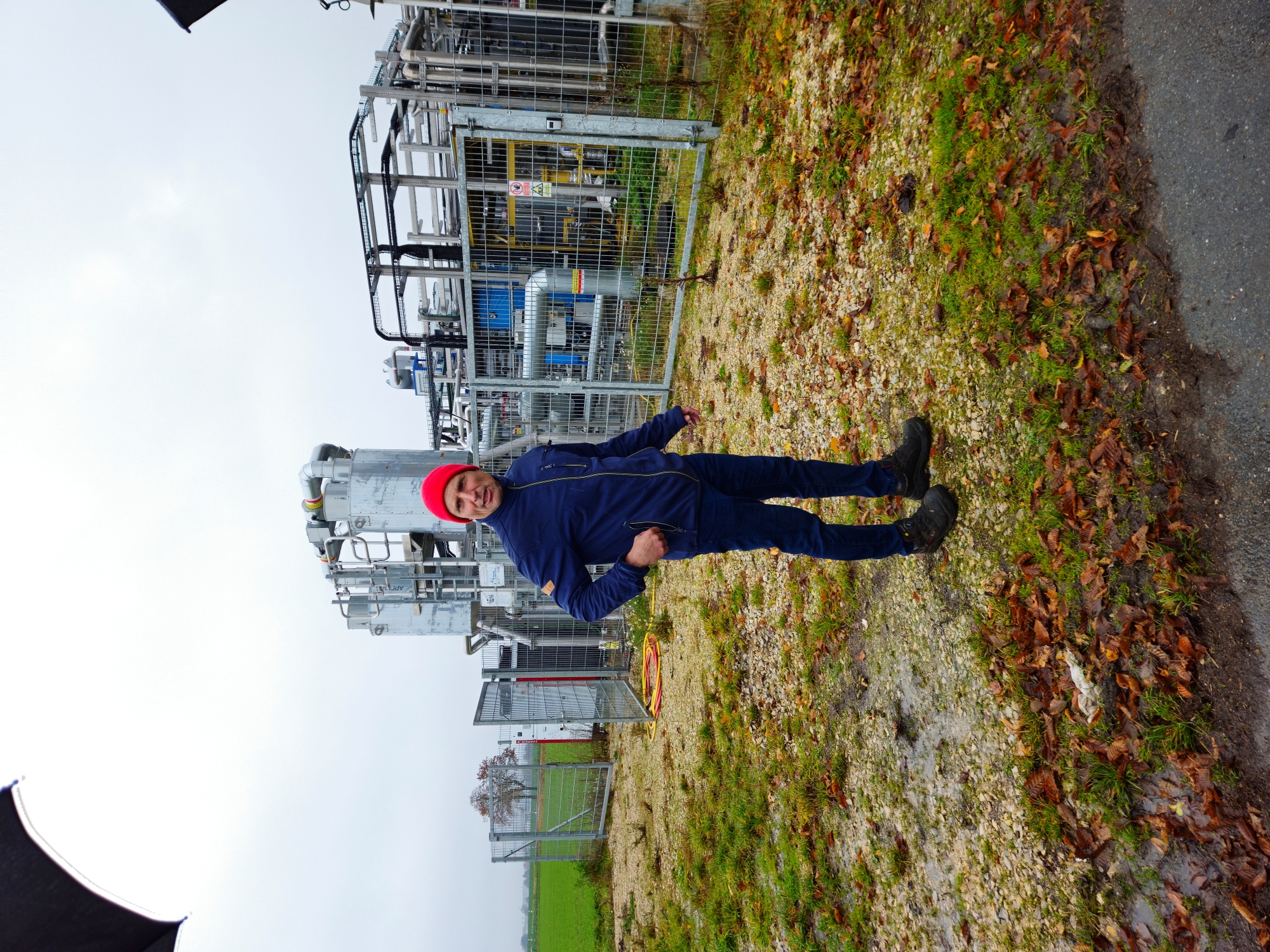
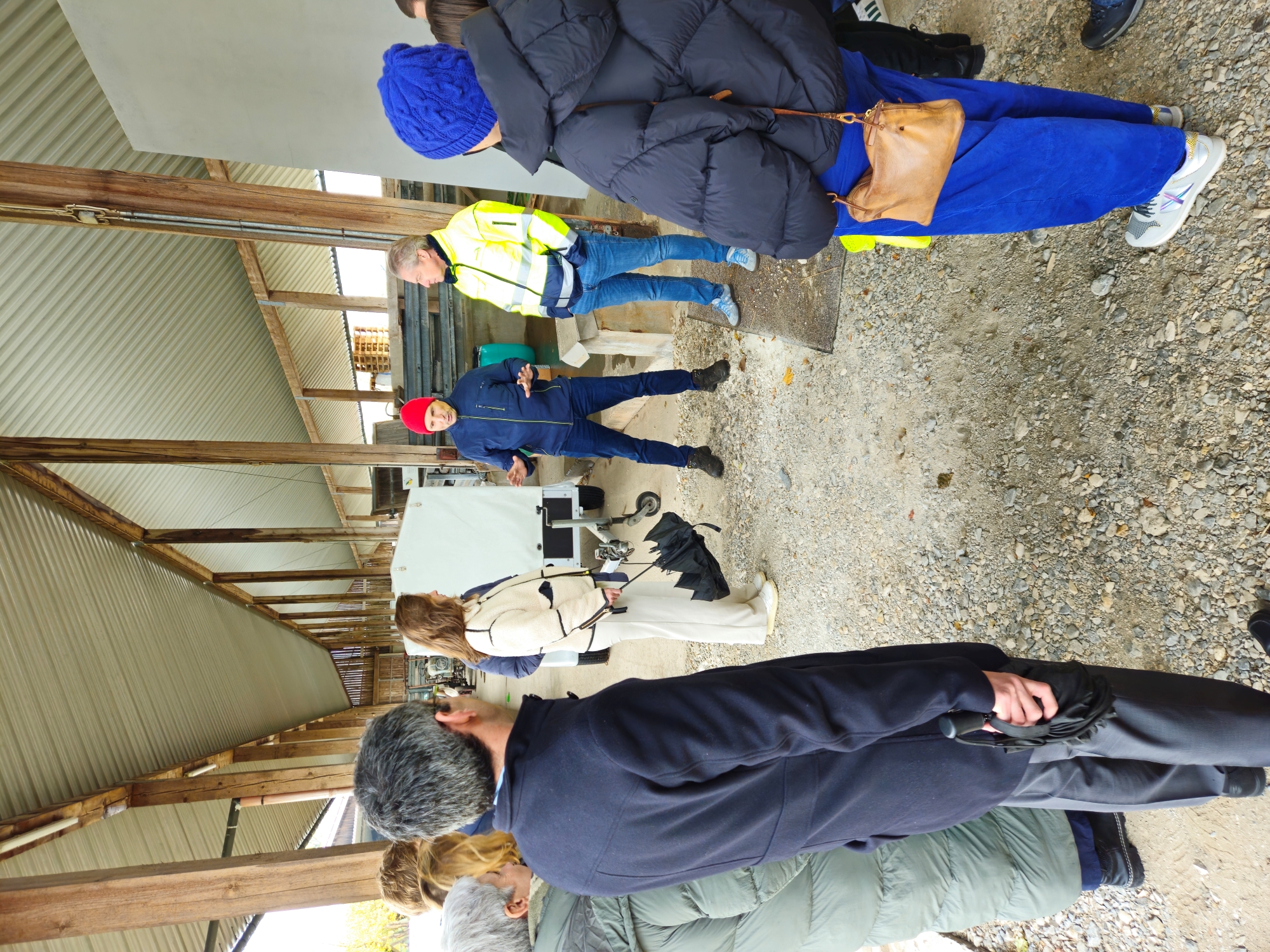
To kick things off, Lena Friedmann from Pro CryoMechanics Germany presented the biogas plant and its attached bio-LNG facility. The participants then visited the Werner Schilmeier GmbH facility in Obermichelbach. There, they saw firsthand how biogas can be used to produce bio-LNG for heavy-duty transportation and biogenic CO₂ for further use. The company’s pioneering spirit was particularly impressive: Since the biogas plant was built, the family that owns the business has continuously explored sustainable and innovative ways to utilize the resources.
Another item on the agenda focused on current political and legislative developments in carbon management at the federal and EU levels. The focus was on the long-term strategy for negative emissions, the further development of the EU Emissions Trading System, and funding opportunities. These included the preliminary process for Carbon Contracts for Difference (CCfD) and research and development funding under BIK Module 2.
Which applications should be prioritized in carbon management, and where does CCS make sense?
These questions were addressed in the presentations, and the subsequent discussion made it clear that climate benefits, environmental compatibility, and public participation must be considered together. The discussion focused on meaningful and necessary applications of CCU and CCS for unavoidable residual emissions, environmental requirements, and the importance of an early, open dialogue.
We would like to thank all participants for the exchange and Werner Schilmeier GmbH in Obermichelbach for the practical insights.
More information on the Carbon Management Coordination Office
AI-edited
Your contact: