 Accessibility

 Language
The Competence Network Digital Agriculture Bavaria (KNeDL)
AI opens up new scope on the farm
It makes data from the barn and field understandable, recognizes correlations and supports decisions. This page shows in a practical way where AI can help today and how farms can get started sensibly and without detours.
Digital technology has long been part of everyday agricultural life. Machines, sensors and systems are constantly collecting information. Much of it remains unused due to a lack of time and overview.
This is precisely where artificial intelligence comes in. It evaluates data, links information and makes developments visible that would otherwise remain hidden on the farm. Not abstract, but applicable.
AI supplements practical knowledge. It provides hints, not guidelines. Experience on the farm remains crucial, but is supported by new perspectives.
A clear introduction is important. Applications must fit the farm and bring concrete benefits. This page shows what options are available and how AI can be integrated step by step into everyday working life.
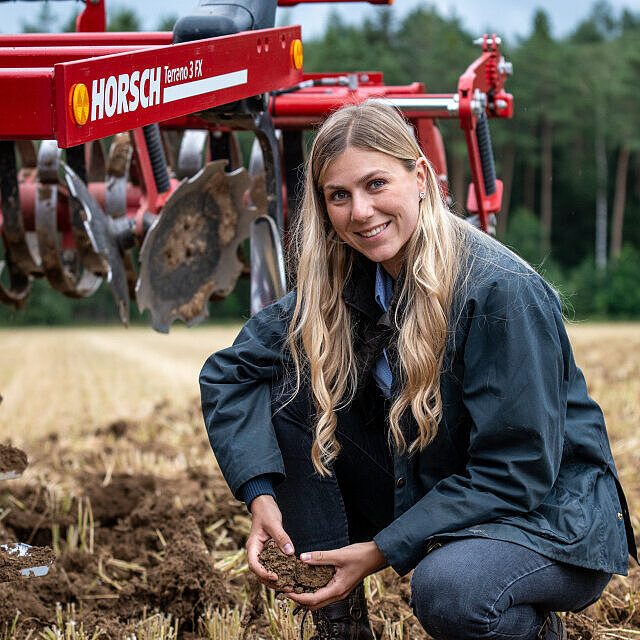
How does a traditional family farm become a digital farm? In this interview, farmer and agricultural influencer Barbara Steinberger talks about her path to AI in crop cultivation and farm management.
She describes which applications can be implemented with a manageable budget and how artificial intelligence improves specific decision-making processes. She also shows which tools are particularly worthwhile for small farms and why AI is not just an issue for large farms. A practical discussion about opportunities, hurdles and the future of agriculture.
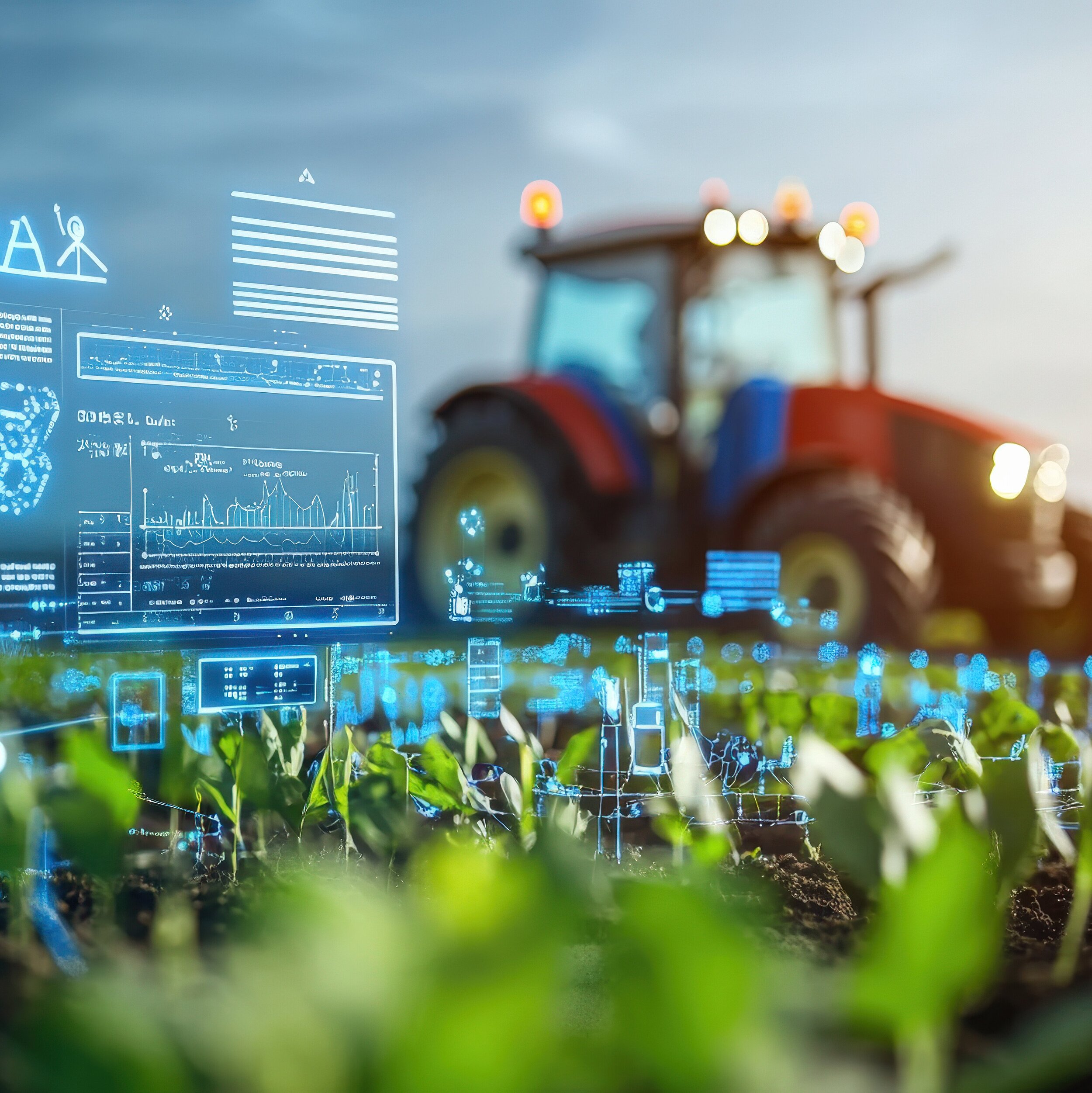
Rising costs, more documentation requirements and limited working hours - many farms are under pressure. At the same time, the amount of data on the farm is growing every day. This is exactly where AI can help: not as a technological gimmick, but as a tool that creates order and makes decisions more informed.
The decisive factor is not to "introduce AI", but to start at the right point. What is the specific problem? Which task costs time or money? Starting small, gaining experience and making targeted investments reduces risks and keeps you in control. From pilot projects and funding programs to the conscious handling of your own data - a structured start pays off.
This article shows you how to approach AI pragmatically, which initial steps make sense and what is important to ensure that digital tools really suit your business.
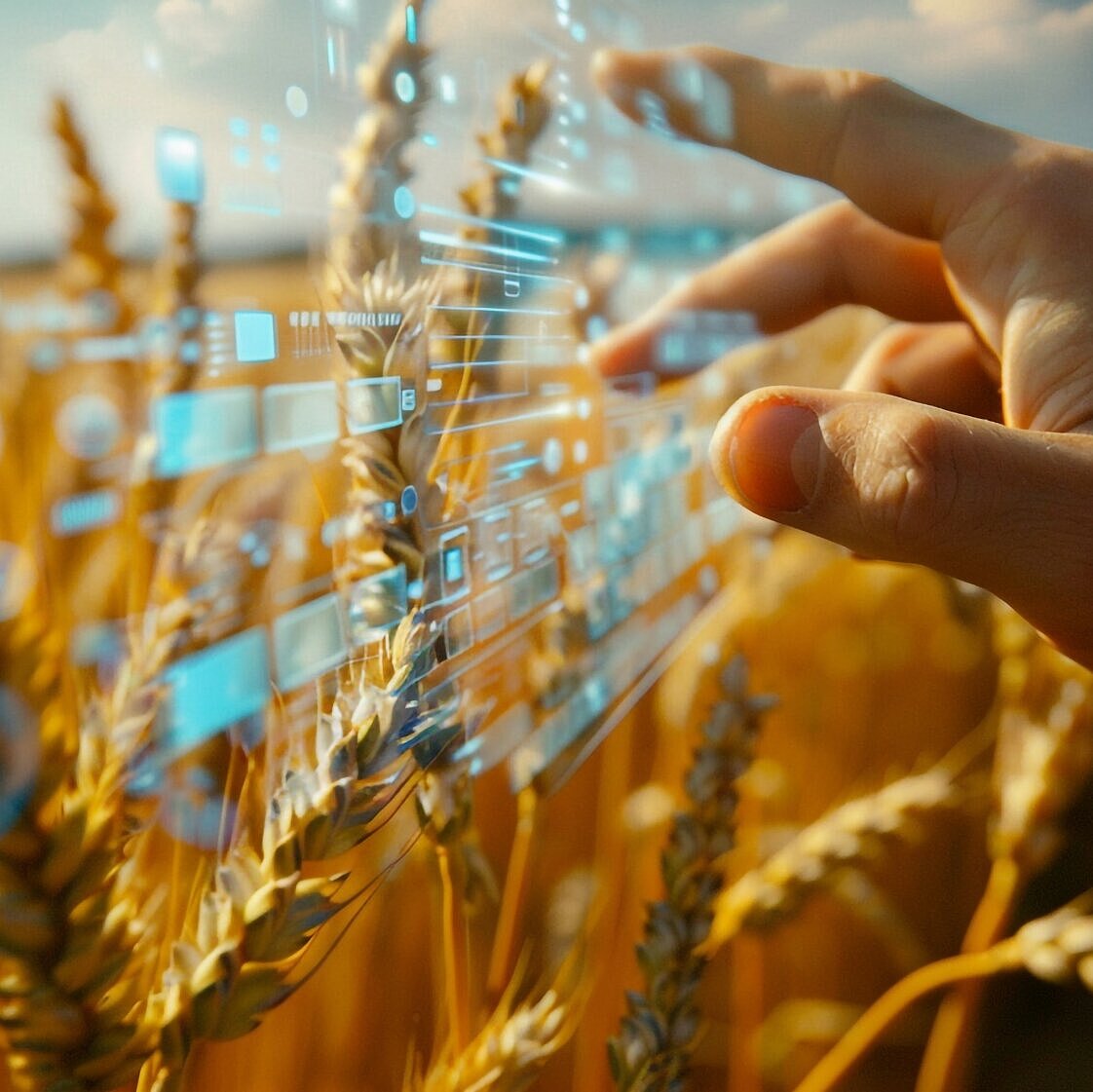
Artificial intelligence has long since arrived on the field and in the barn. It helps to make connections visible that are easily overlooked in everyday life - for example, when animals change their behavior or plants come under stress. Sensors record data, intelligent systems analyze it and provide concrete information for the next step. This provides an additional view of the farm - not as a substitute for experience, but as a useful addition.
Especially in times of increasing demands and scarce resources, AI can provide support: Making work processes more efficient, improving animal welfare, securing yields. It is always important to remember that people make the decisions. Technology provides the basis.
Read this article to find out how these solutions are already working in practice and what specific benefits they bring.


You can find more of our focus topics here:
Field robotics Digital barn Data management Vertical farming Energy systems
Your contact:


 Julia Bartels | Bayern Innovativ GmbH,