Technological Sovereignty in the Materials Sector
materials.next 2026 brings together industry, research, and application to discuss how the circular economy, material substitution, digital material data, and resilient supply chains can contribute to technological sovereignty. The focus is on how companies and institutions can rethink materials, data, and value creation to secure the supply of materials and strengthen their competitiveness and ability to adapt in the long term.
Why Technological Sovereignty in the Materials Sector Is Gaining Importance Now
Technological sovereignty has become a key issue for the future of industry and innovation policy:
While increasingly volatile supply chains threaten the availability of critical raw materials, regulatory requirements for climate protection and digital traceability are also on the rise. In this context, closed-loop material cycles offer the opportunity to serve as a sustainable method for simultaneously achieving climate protection goals and tapping into additional local sources of raw materials.
This trend is being reinforced by the Action Program for the National Circular Economy Strategy, which was recently adopted by the Federal Cabinet. As a result, the circular economy, raw material security, and digital applications are coming even more into focus. materials.next views this development not as a short-term opportunity, but as part of a fundamental transformation process: technological sovereignty in the materials sector.

These topics are the focus of materials.next 2026
The thematic focus areas for materials.next 2026 have been finalized. The focus is on strategic and technical issues at the intersection of the circular economy, material availability, resilience, and digitalization. materials.next is designed to be cross-industry and examines different perspectives on materials—from structural to functional materials.
 iStock/Weedezign,
Thinking Economically About the Circular Economy and Leveraging It Strategically
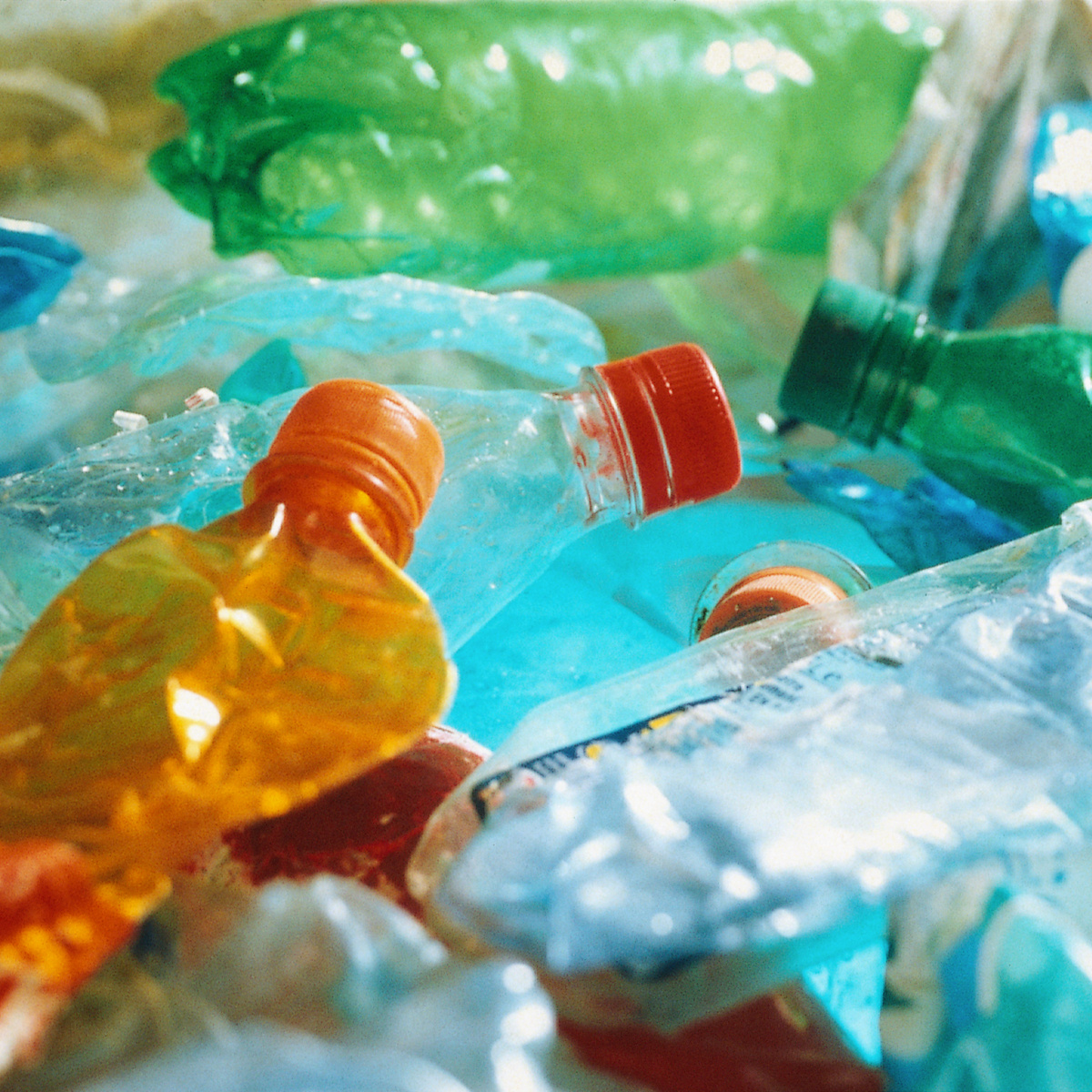
The circular economy is increasingly becoming a matter of supply security, competitiveness, and industrial independence. materials.next 2026 demonstrates how materials, material flows, and value creation can be designed so that circular cycles are both ecologically sound and economically viable. The focus is on secondary raw materials, circular material strategies, materials with substitution potential, and the question of which materials need to be reimagined today in order to remain self-sufficient and resilient tomorrow.
 iStock/andresr,
Material Availability, Supply Chains, and Industrial Resilience
Materials are increasingly becoming a key factor in industrial sustainability. Critical raw materials, geopolitical risks, and fragile supply chains are heightening the need for robust strategies for security of supply and resilience. materials.next 2026 explores how material availability, resilient supply chains, and the use of substitute materials can help ensure industrial capacity and strengthen European sovereignty in material-intensive industries.
 iStock/Antonio_Diaz,
Digitalization, Data Standards, and Closed-Loop Systems
No data, no sovereignty. Anyone who wants to make materials traceable, close loops, and meet regulatory requirements needs shared, interoperable data models, standards, and digital applications. materials.next 2026 explores how digital material data, material twins, and the digital product passport can enhance transparency, traceability, and data sovereignty.
What questions will be answered?
• Which materials do we need to rethink today in order to remain technologically competitive tomorrow?
• How can we reconcile the circular economy with economic efficiency?
• How can companies meaningfully substitute materials?
• What data and standards are needed for closed-loop systems?
• How can material availability be resiliently secured in a volatile environment?
• What role do regulation, transparency, and digitalization play in technological sovereignty?
Don’t miss out on the answers—register now.
The Program for materials.next 2026
The program for materials.next 2026 is organized by theme. It will feature strategic insights, expert presentations, and practical perspectives from industry, research, and application. The topics covered will include, among others:


materials.next 2026: The Event for Industry, Research, and Innovation
The event is aimed at specialists and executives from industry, materials manufacturers, and materials-processing companies, as well as from research and development. Stakeholders in materials science, materials engineering, digitalization, data management, strategy, innovation, transformation, sustainability, the circular economy, and regulation will also find relevant insights here.
The focus is on how materials can be used as a strategic lever for competitiveness, resilience, and transformation, and what role the circular economy, material availability, and digitalization play in this context. The event offers expert guidance, practical perspectives from industry and research, and concrete points of reference for your own work—ranging from material substitution and data standards to regulatory requirements and new approaches along the value chain and material cycles.
materials.next 2026: The Event for Industry, Research, and Innovation
The event is aimed at specialists and executives from industry, materials manufacturers, and materials-processing companies, as well as from research and development. Stakeholders in materials science, materials engineering, digitalization, data management, strategy, innovation, transformation, sustainability, the circular economy, and regulation will also find relevant insights here.
The focus is on how materials can be used as a strategic lever for competitiveness, resilience, and transformation, and what role the circular economy, material availability, and digitalization play in this context. The event offers expert guidance, practical perspectives from industry and research, and concrete points of reference for your own work—ranging from material substitution and data standards to regulatory requirements and new approaches along the value chain and material cycles.
FAQ
materials.next is Bayern Innovativ’s event series dedicated to current issues shaping the future of materials. Each edition focuses on a specific theme. In 2026, the focus will be on technological sovereignty —with an eye toward the circular economy, digitalization, and the question of how materials, data, and value creation can be strategically integrated.
The venue, the ZOLLHOF – Tech Incubator in Nuremberg, is easily accessible by public transportation. You can check for the right connection directly using the VGN schedule information. If you’re traveling by car, parking options in the area include the Breite Gasse parking garage and the Frauengasse parking garage.
Technical Contact

 Dr. Philip Goik,
Contact Marketing

Organizational Contact