Köthen Converts Surplus Electricity into District Heating
A new power-to-heat plant in Köthen converts excess wind and solar power into district heating and is expected to reduce grid congestion and CO₂ emissions
June 11, 2026
Source: E & M powernews
In Saxony-Anhalt, Köthen Energie GmbH will use surplus electricity from solar and wind power plants for district heating in the future.
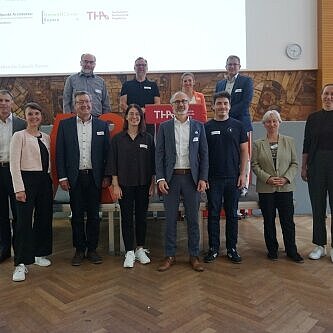
Köthen Energie GmbH has commissioned a power-to-heat plant in Köthen, Saxony-Anhalt, to convert surplus electricity into heat. Saxony-Anhalt’s Energy Minister Armin Willingmann (SPD) was also present at the ceremony on June 9.
The plant is designed to help reduce grid congestion by absorbing electricity from wind and solar power plants, converting it into heat, and feeding it into the district heating network. According to the company, the plant can process electricity with a capacity of up to 1.2 MW for this purpose. This allows renewable energy plants to remain connected to the grid even during periods of high feed-in.
The project was financed by the transmission system operator 50 Hertz with approximately 600,000 euros. In return, 50 Hertz gains the ability to control the plant to alleviate grid bottlenecks.
In a press release from the Ministry of Science, Energy, Climate Protection, and Environment (MWU) of the state of Saxony-Anhalt, Willingmann cited the plant as an example of the use of innovative technologies to stabilize the power grid. “In the future, wind power in particular can be converted directly into heat here. This is not only technically sound, but also the right approach from an energy policy perspective,” said the minister.
According to those involved, the plant is also intended to reduce the use of fossil fuels in heat supply. This could also lower CO2 emissions from district heating.
Willingmann also highlighted the importance of such projects for the energy transition: “Federal Minister of Economics Katherina Reiche should come to Köthen to see how pragmatically and economically sensibly the energy transition can be implemented through innovation,” Willingmann continued: “The power-to-heat plant uses affordable local energy sources, increases supply security, and makes district heating more economical.”
Author: Katia Meyer-Tien