Ice Storage Meets Heat Pump
This Is What the Future of Heat Supply Looks Like
November 5, 2026
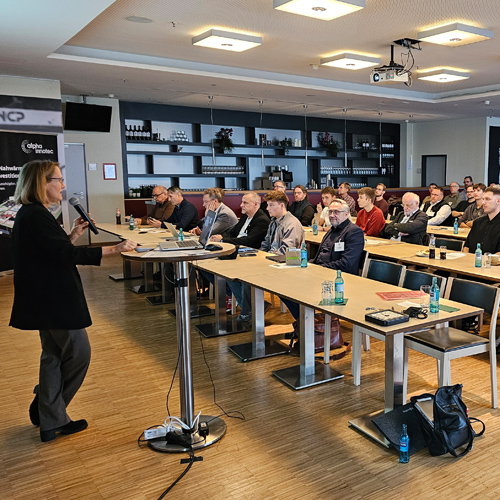
How can heat pumps, thermal storage systems, district heating networks, and smart energy systems be combined into practical solutions? The Cluster Meeting held on October 29 at the PSD Bank Nürnberg ARENA addressed this question. Expert presentations and on-site insights demonstrated the wide variety of approaches for buildings, neighborhoods, and commercial areas.
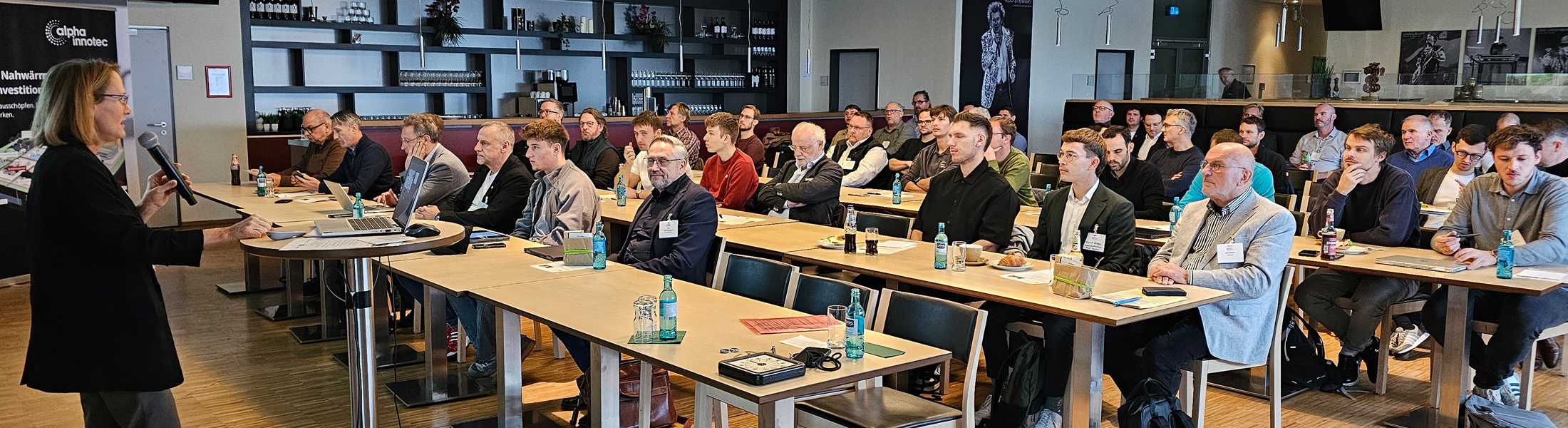
The focus was not on a single technology, but rather on the interplay of various solutions. The presentations explored the challenges of the heating transition, heat pumps and ice storage, district cooling, sector coupling, as well as cost-effectiveness and funding opportunities. The event thus addressed the central question of how heating and cooling can be efficiently and flexibly integrated in the future.
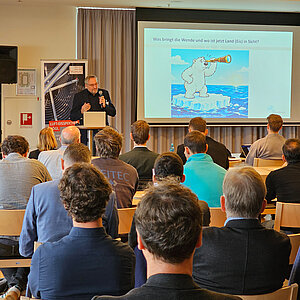
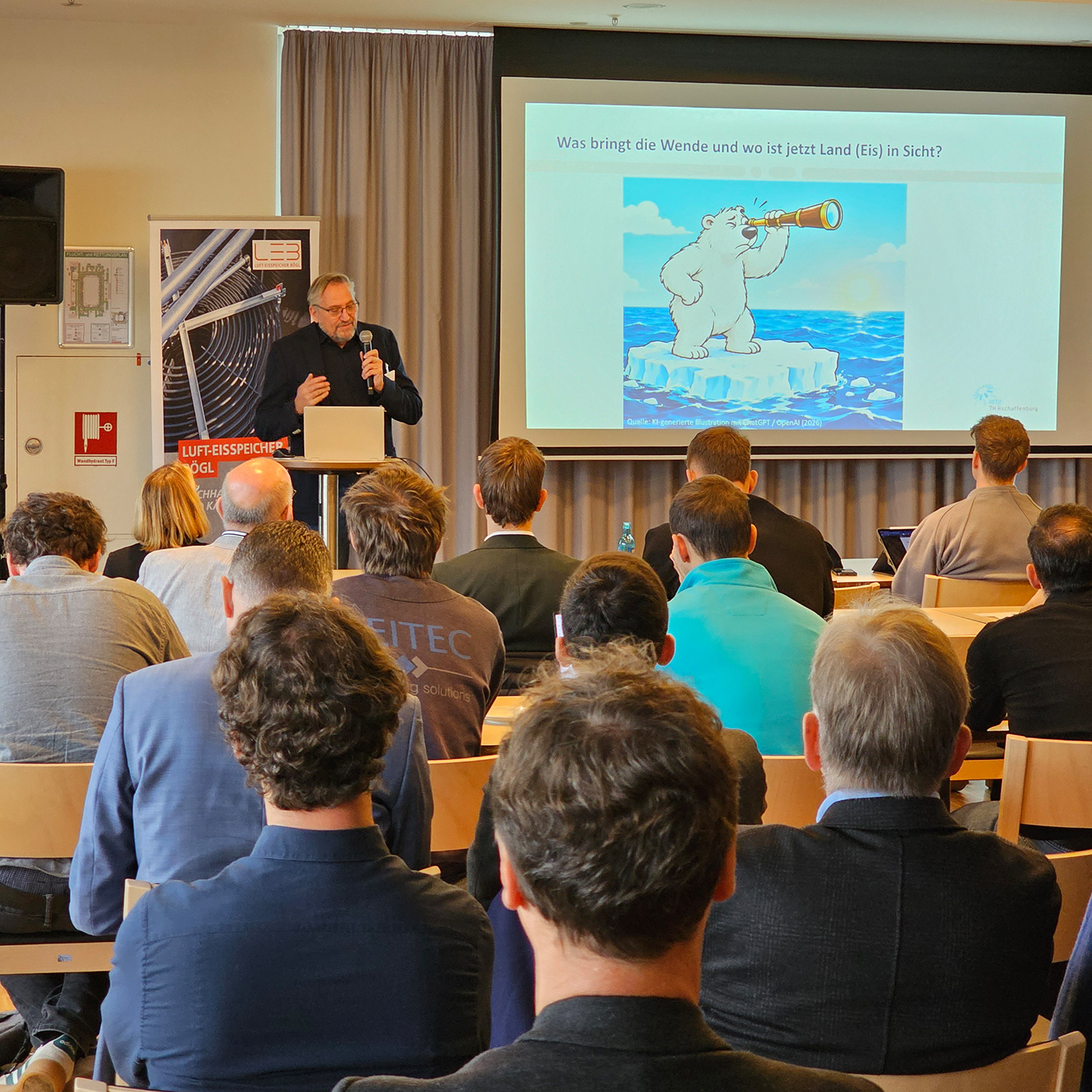
Prof. Dr. Dirk Pietruschka from the Aschaffenburg University of Applied Sciences discussed the challenges of the heating transition. His key message: “Flexibility is the raw material of the energy transition.” The other presentations also highlighted the role that storage systems can play in this context: They help absorb excess energy and better integrate renewable energy into supply systems.
Florian Czerwek of the Max Bögl Group demonstrated how such approaches might look in practice using building and neighborhood concepts featuring heat pumps and ice storage systems. One concept presented combines a cold district heating network with decentralized brine-water heat pumps, ice storage systems, and a central technical solution. Further insights were provided by Andreas Wimmer (AIT Group), Thomas Vogel (Zeitgeist Engineering), Fritz Wallner (Markt Schierling Municipal Utility), and Julius Seidler (Institute for Energy Technology IfE GmbH). Prof. Dr. Volker Stockinger from the Technical University of Nuremberg moderated the concluding discussion.
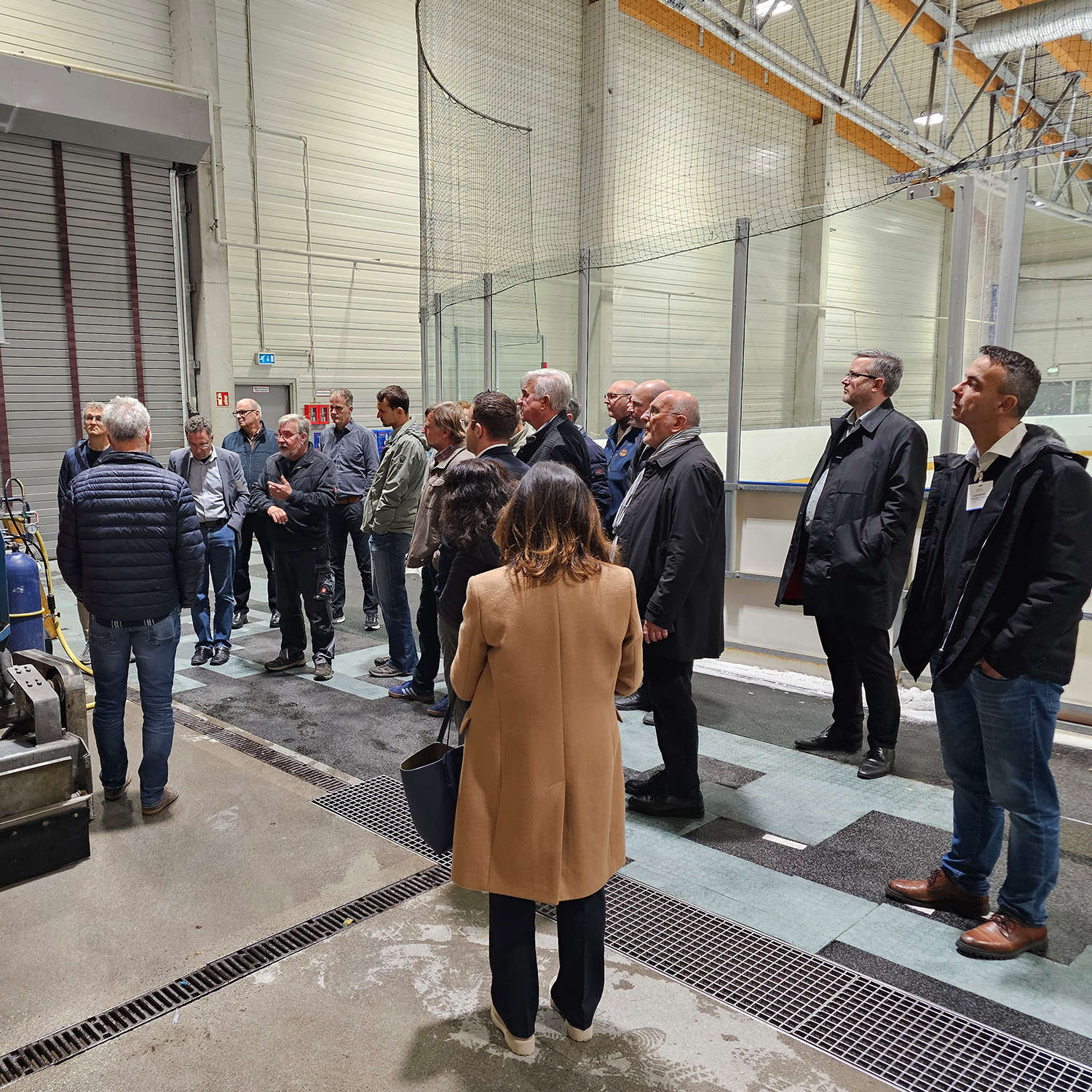
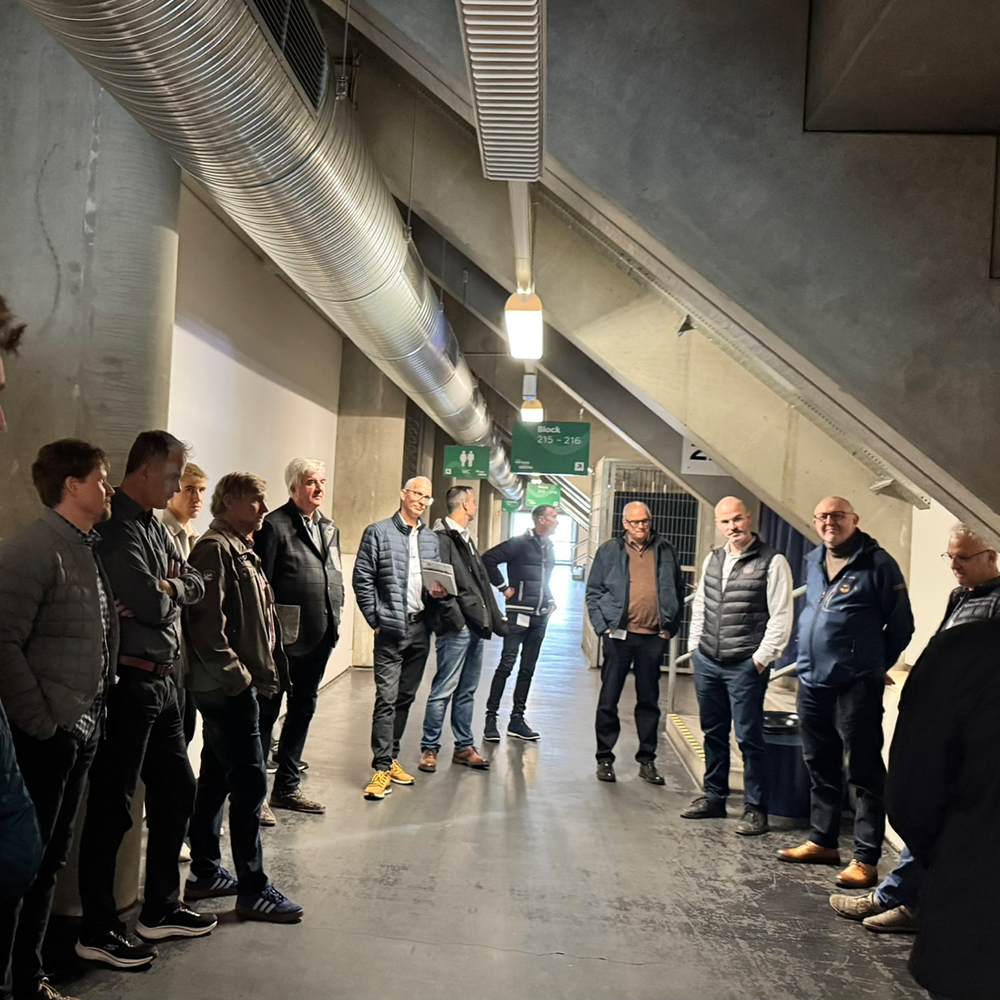
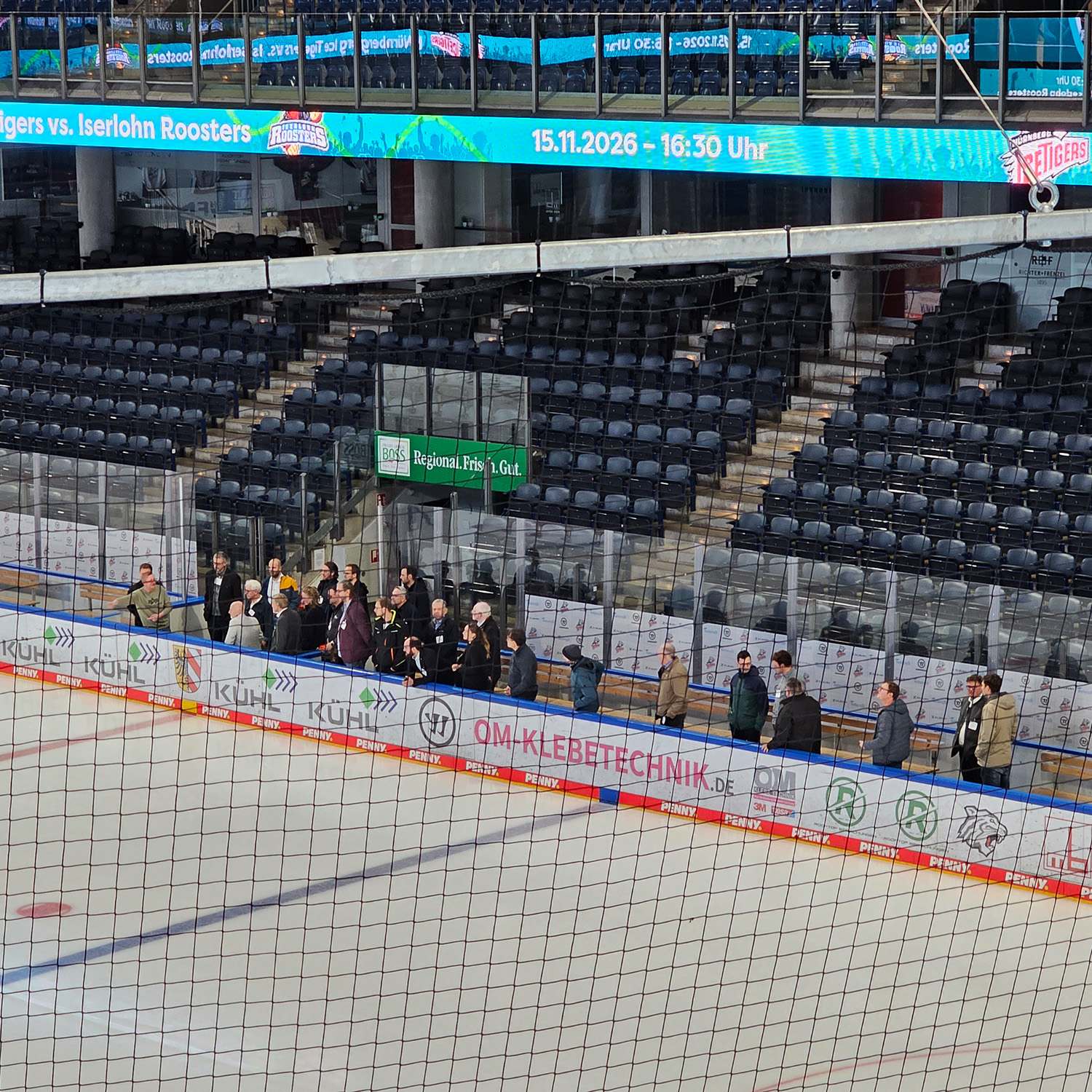
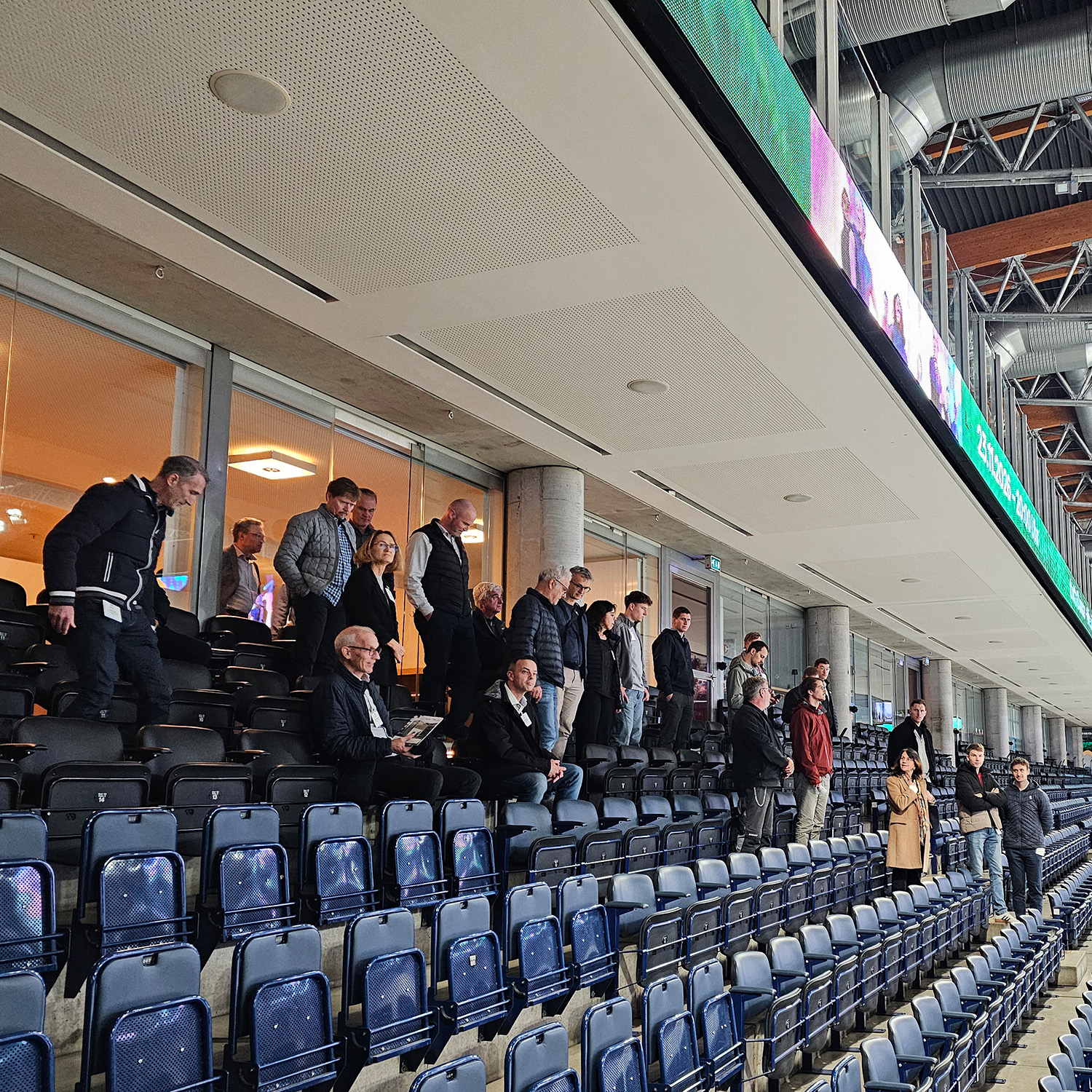
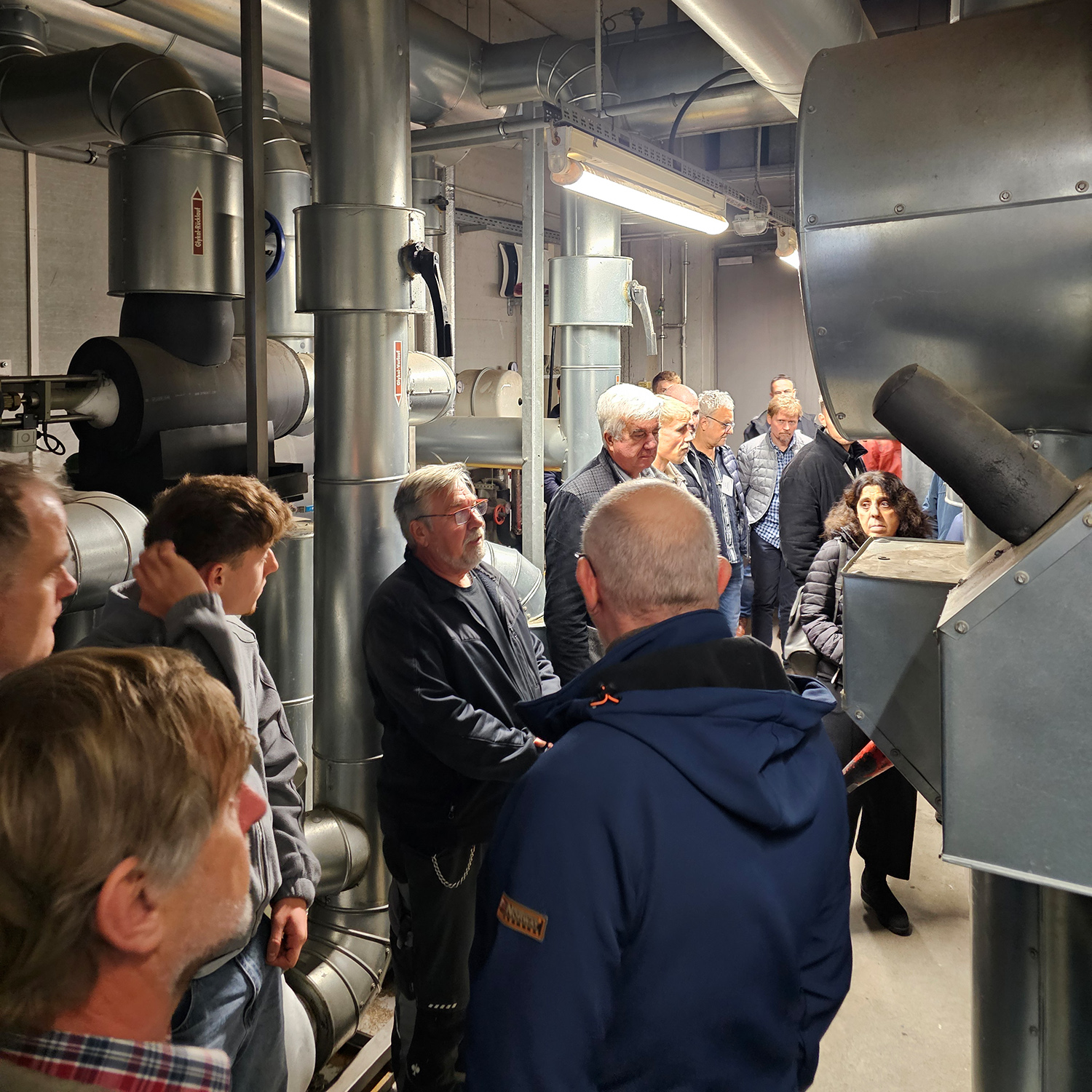
A highlight of the program was the behind-the-scenes tour of the arena. There, participants gained insights into the building services and the cooling system—and thus into the specific energy supply requirements of a multipurpose arena.
From Technical Feasibility to Implementation
During the closing discussion, it became clear that innovative solutions and technologies are available; the challenge lies in consistently putting them into practice. Among other things, the panelists discussed the need for greater courage to explore new avenues, better utilization of resources such as waste heat and photovoltaic power, and smart solutions that combine economic efficiency with sustainability.
They also discussed the role of the federal and local governments as role models, the implementation of obvious measures such as insulation and thermal building component activation, and attracting more young people to the trades and STEM professions.
The Cluster Meeting demonstrated:
The heating transition requires more than just innovative individual technologies. The key is to intelligently integrate them and put the solutions into practice. An important insight here: Storage systems are the gold of the energy transition!
Many thanks to the event partners, the Max Bögl Group and the AIT Group/alpha innotec, to all the speakers, and to the participants for the professional exchange and lively discussion.
More information on the Energy Technology Cluster
Text: Edited by AI
Your Contact