Review of the Berlin Energy Days
Berlin ENERGY DAYS 2026: Impulses for the energy transition from politics, practice and research
12.05.2026
Three days of professional exchange, current debates and concrete practical impulses: At the Berlin ENERGY DAYS 2026, the team gathered valuable impressions on storage technologies, heat planning, resilience and transformation strategies.
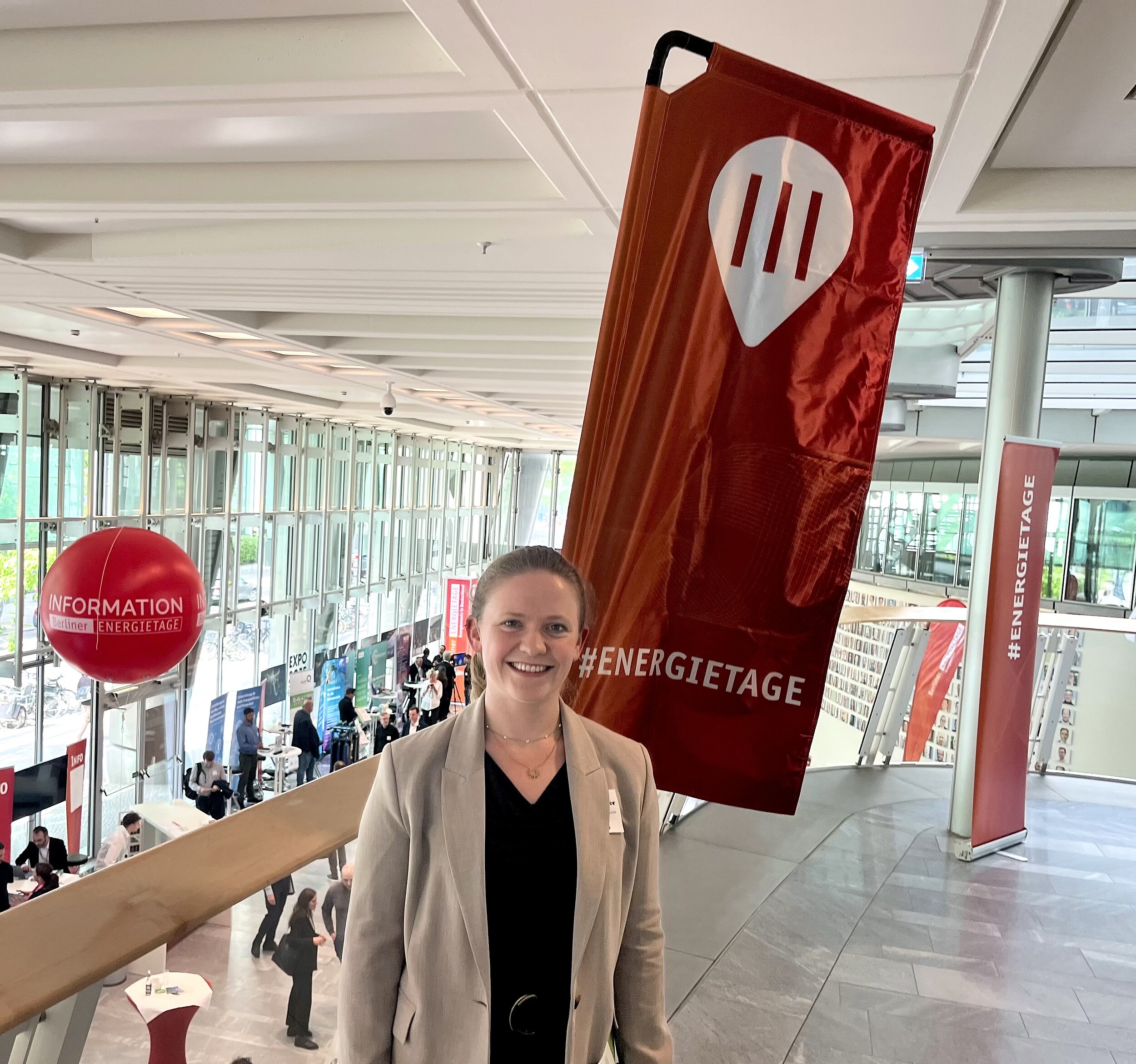
The Energy & Construction team was once again represented at the Berlin ENERGY DAYS this year. The event is regarded as the leading event for the energy transition and climate protection in Germany and once again brought together stakeholders from politics, business, science and practice in Berlin in 2026.
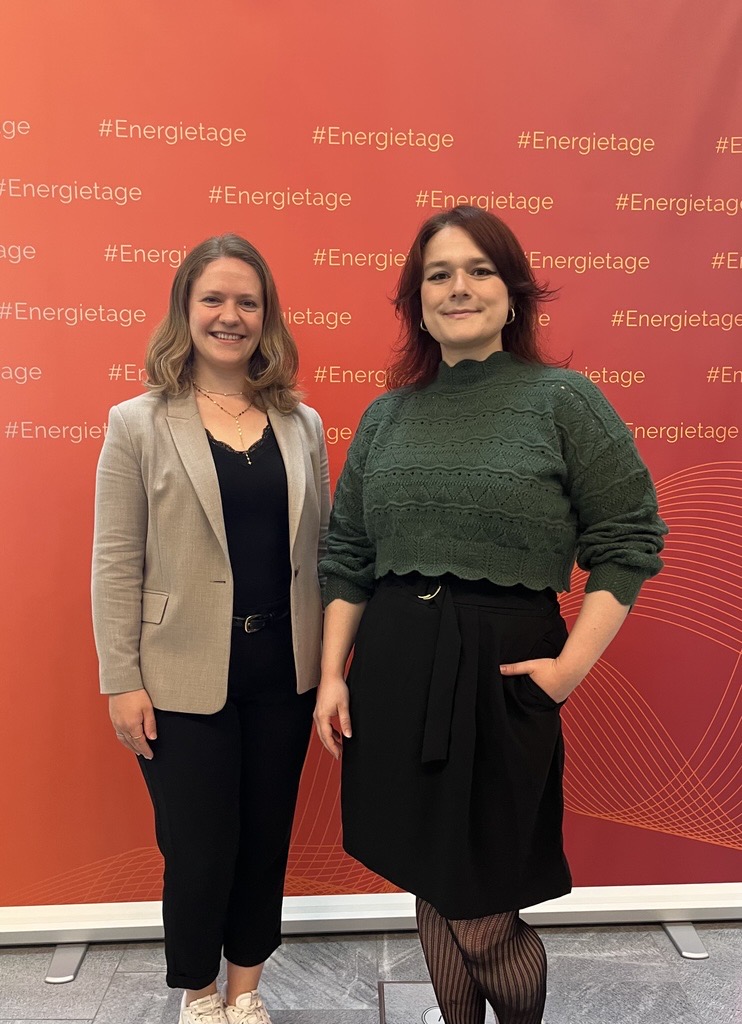
To kick things off, our colleagues Ina Schabesberger and Kathrin Baumgartner took part in the official opening and then attended the IEEKN/AGEEN conference "Rethinking progress: Networked. Efficient. Financially viable." and specialist presentations on energy storage as a multi-tool for resilience and security of supply. It became particularly clear that energy storage systems today go far beyond their traditional role in the energy transition: They are a central building block for grid stability, security of supply and crisis resilience. At the same time, it was emphasized that different storage technologies, such as battery, hydrogen and heat storage, each require different framework conditions. The kick-off event for the Energy Districts innovation competition, which aims to link research funding with specific transformation projects on site, provided a further interesting impetus.
The second day of the event was characterized by several specialist sessions, including on municipal heating planning, transformation processes, resilience in industry and commerce and the debate on the capacity market and power plant strategy. From the discussions, the colleagues took away in particular that although many municipal heating plans create important foundations, their effectiveness depends largely on their binding nature, data quality and implementation expertise. It also became clear that transformation is not just a technological task: financing, speed and coordinated cooperation between the players involved are at least as crucial. Furthermore, self-supply from renewable energies, storage solutions and flexibilization are becoming increasingly strategically important for companies. Tuesday concluded with a panel discussion by the Building Technology Task Force of the German Confederation of Skilled Crafts (ZDH) on the role of the skilled crafts sector in the decarbonization of the building sector. One thing became clear: The skilled trades sector brings concrete solutions to the table, but needs more reliable political framework conditions and fewer bureaucratic hurdles in order to really be able to exploit its key role in the heating transition.
On the third day, two specialist sessions with a strong practical and local focus were on the agenda. Of particular note here was the new BEE energy transition calculator, which makes the status of the energy transition visible down to district level. The tool can make an important contribution to making local potential, requirements and developments more transparent and thus improve the basis for decision-making for grid operators, project developers and local authorities.
Our conclusion: The Berlin ENERGY DAYS have once again shown that the energy transition can only be successfully shaped through the interplay of technological innovation, reliable framework conditions, sustainable financing models and good networking.