"80 percent of heating systems are not set correctly"
Data-driven control solutions and continuous operational optimization are intended to reduce energy consumption, operate heating systems more efficiently, and prepare buildings for the heating transition.
October 28, 2026
Source: E & M powernews
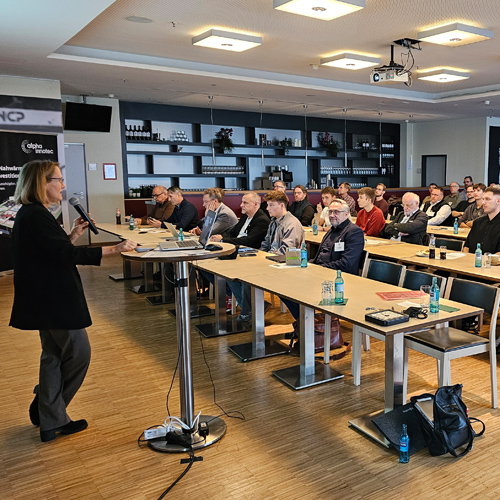
“myWarm” Managing Director Klaus Hense explains in an interview with the editorial team why system data is becoming increasingly important for efficient operation.
My Warm , a specialist in heating and measurement data , has expanded its business to include digital control solutions. In an interview with the editorial team, Managing Director Klaus Hense explains that the approach focuses primarily on adapting existing heating systems to the actual needs of buildings. To achieve this, the company combines data from system operations with weather data and, with “Optimize-Control,” offers a digital boiler room that actively intervenes in heating control.
According to Hense, a large portion of the country’s building stock requires action in this area. He cites a study by the “BaltBest” research project (Impact of Operational Management on the Efficiency of Heating Systems in Existing Buildings), which found that around 80 percent of the heating systems examined were either not set at all or set incorrectly. “This presents a huge opportunity to save costs quickly and affordably,” says Hense. The experience gained from the company’s own projects paints a similar picture. According to the company, My Warm has hydraulically balanced more than 200,000 heating surfaces since 2010, identifying opportunities for optimization in every building.
Hense cites, among other causes, excessively high flow temperatures, a lack of adjustments based on weather conditions, and heat generators that continue to operate with settings from when they were first commissioned. Hense: “While a building’s usage, components, and requirements change over the years, the heating system’s settings often remain unchanged.” As a result, the heating systems operate inefficiently.
This is where the company’s digital boiler room solution, “myWarm Optimize-Control,” comes in. It enables the monitoring and control of the heating system’s ongoing operation. According to Hense, the solutions are suitable for all buildings and types of heating systems. However, he sees the primary focus for heating optimization as being on buildings in energy efficiency class E or lower, because their baseline consumption is higher and, consequently, the potential savings are greater.
The CEO views heating optimization as a measure that property owners can implement even before making changes to the building envelope or replacing the heat generator—and without major investments. However, he does not want optimization to be seen as a substitute for insulation, window replacement, or other renovation steps. Rather, it can improve the initial conditions. As an example, Hense cites lowering the flow temperature. This can help prepare an existing heating system for the use of a heat pump or connection to district heating in the first place.
With Optimize-Control, My Warm goes far beyond a one-time setup of a system. Since 2010, the company has recorded 13.8 billion temperature measurement points, says Hense. It combines this data with current operating data from the respective system, as well as weather data and forecasts. The algorithm uses this information to determine an operating point and controls the existing components accordingly. Hense points out that this approach distinguishes the solution from others that are limited to monitoring and displaying operating data.
10 to 15 percent savings without additional calibration
The technical foundation is a building controller that My Warm integrates into the existing heating system. Among other things, it records flow temperatures, data from mixers and sensor pumps, and information about the heat generator. The data is then transmitted to My Warm’s systems, where it serves as the basis for control. Optimize-Control can access existing system components via interfaces. According to the company, major structural changes are generally not required for this. During operation, the system runs largely automatically.
Hense cites average energy savings of between 10 and 15 percent when using the digital heating system without additional hydraulic balancing. About 10 percent of projects achieved savings of at least 15 percent. Combining it with adaptive hydraulic balancing increases savings to up to 35 percent.
However, Hense believes that stable regulatory requirements are necessary for investments in heating optimization. The uncertainty of recent years has led companies in the real estate industry to postpone investment decisions. They have taken a wait-and-see approach to avoid having to make adjustments due to new legal requirements. In Hense’s view, the fact that hydraulic balancing remains mandatory and that requirements for digitalization and heating control are in place creates a foundation for investment. At the same time, he calls for more consistent implementation and monitoring of existing requirements.
Author: Heidi Roider