Review: added value with image data and AI
At the AgriTech AI Vision Day at the AgriTechHUB, experts from research institutions, companies and start-ups met in Freising to discuss the future of AI-supported image processing in agricultural technology. The focus was on specific applications, key challenges and the transfer of innovative solutions into practice. It became clear: The technology has come a long way - now it's the implementation that counts.
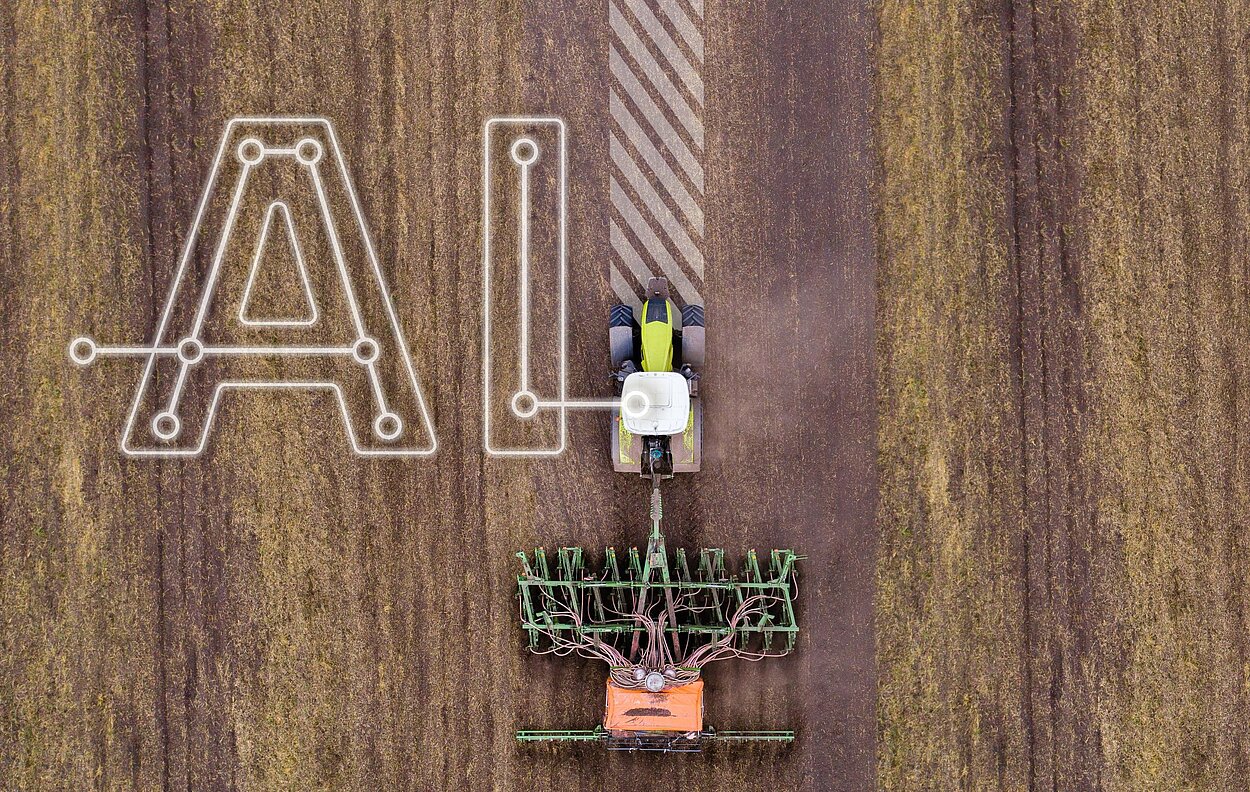
How is AI-supported image processing transforming agricultural technology - today and in the coming years? This question was the focus of the AgriTech AI Vision Day, which the AgriTechHUB hosted at the Creativity and Innovation Lab at Weihenstephan Triesdorf University of Applied Sciences (HWST) in Freising. The aim of the event was to make current developments tangible and to specifically promote the exchange between research, companies and start-ups.
The morning offered high-caliber impulses from different perspectives
Prof. Dr. Torsten Schön from Ingolstadt University of Applied Sciences provided insights into the status of autonomous driving in the automotive industry and derived relevant developments for agricultural technology from this. Markus Riedi from Opto GmbH presented innovative approaches to AI-supported microscopy and their potential for future applications in agriculture. Prof. Dr. Florian Haselbeck from Weihenstephan-Triesdorf University of Applied Sciences presented AI-supported crop protection early warning systems and showed how data-based approaches can detect risks at an early stage.
"I am convinced that AI is a key tool for the agriculture of the future, for example to use resources such as pesticides and fertilizers in a more targeted manner. At Weihenstephan, we are actively shaping this development: through application-oriented research as well as through modern, future-oriented content in our degree courses," says Prof. Haselbeck.
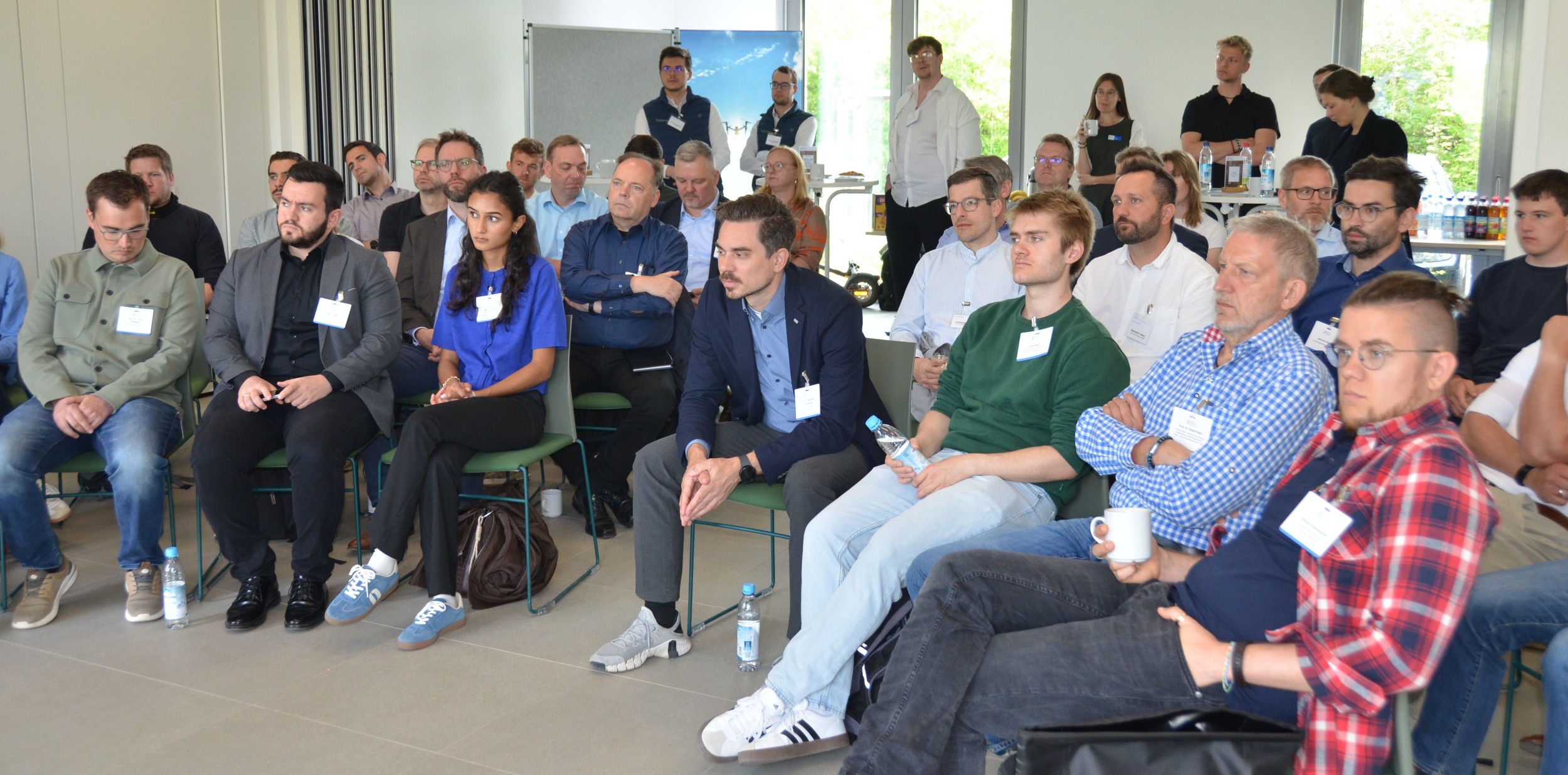
In the ensuing discussion, it became clear which challenges need to be addressed in order for AI-supported image processing to be used successfully in practice. A key prerequisite is high-quality and sufficiently extensive data sets - especially in the complex and dynamic environment of nature. At the same time, a sound understanding of AI technologies is required in order to realistically classify and make targeted use of their potential. "However, the decisive lever lies in implementation: solutions must be scalable, robust and practical," emphasizes Christian Metz, project manager of the AgriTechHUB at Bayern Innovativ.
The afternoon: pitches and workshops
Another highlight of the program were the start-up pitches from the TUM Venture Lab and the Bavarian AgriTech environment. Companies such as AGAi, Karevo, KIREAP, TALOS and FeldSchau presented their innovative approaches and impressively demonstrated how new technologies can be used in practice.
The program was supplemented by practice-oriented workshops in which the participants worked together on specific issues - in cooperation with Fendt and the Weihenstephan-Triesdorf University of Applied Sciences, among others. The event also offered numerous opportunities for networking and the development of concrete cooperation approaches.

A particular highlight was the presentation of the first white paper "AgriTech Bayern: Where the industry will win tomorrow - technologies and levers for competitiveness", which was developed under the leadership of Joseph Schapfl, project manager of the AgriTechHUB. The publication highlights key lines of development and provides important impetus for the future direction of the industry.
The conclusion is clear: research in the field of AI-supported image processing is already well advanced. The task now is to systematically translate these findings into marketable applications. What is needed are integrated, economically viable solutions that offer farmers real added value. Innovation is not created in isolation, but in close cooperation between companies, research institutions and start-ups. This is precisely where the AgriTechHUB comes in and creates an ecosystem in which viable solutions are developed together.