Nanotechnology Cluster Networking Day
Collaboration Is Key: Nanotechnology Cluster’s Networking Day Brings Together Different Disciplines
July 22, 2026
How does nanotechnology translate into concrete innovation? At the Nanotechnology Cluster’s networking day in Würzburg, experts from industry, research, and intermediary organizations discussed current applications, technological challenges, and new opportunities for collaboration—ranging from medicine and agriculture to geothermal energy, automation, and robotics.
Nanotechnology as a Unifying Cross-Cutting Theme
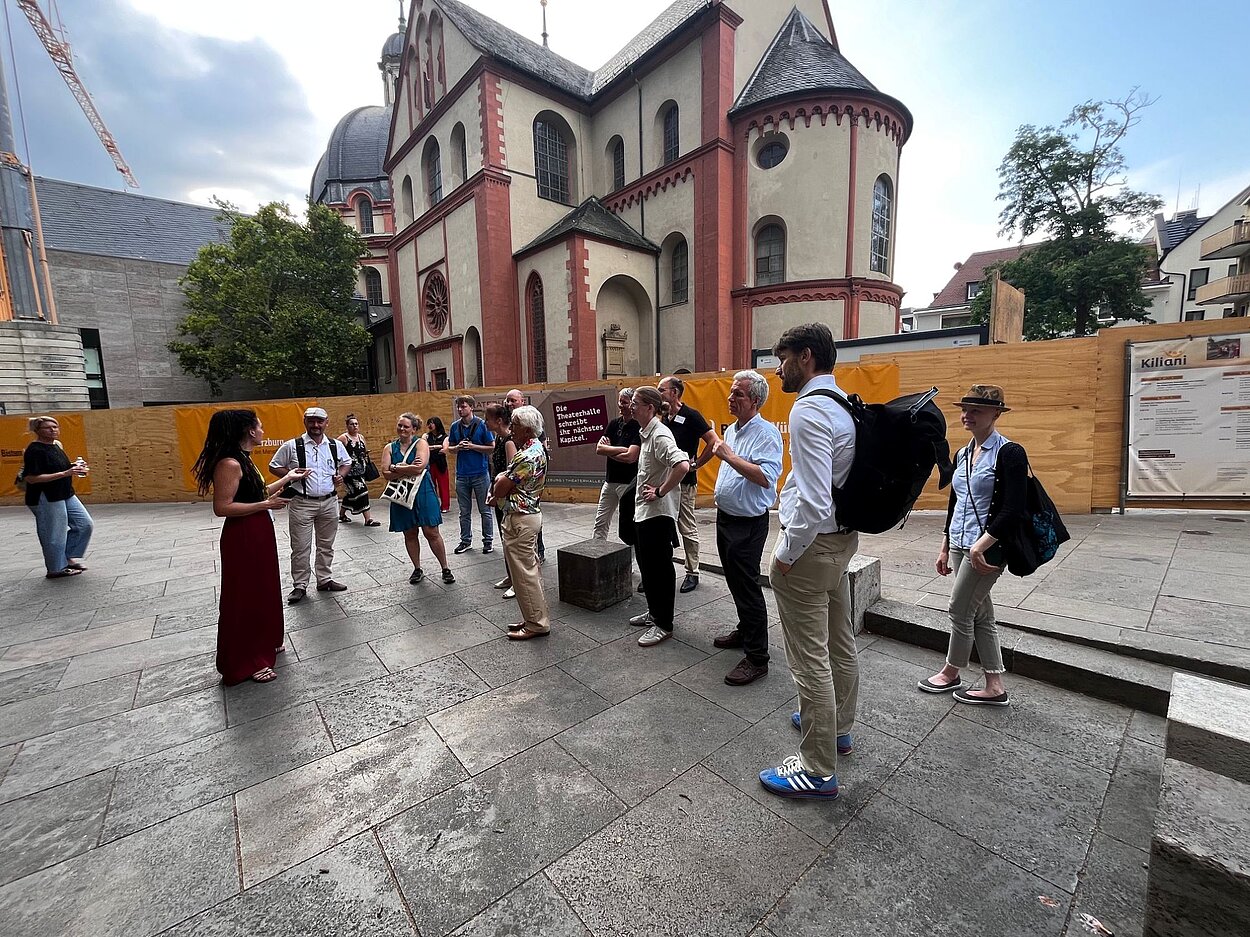
The two-day networking event brought together experts from various fields of nanotechnology. Participants included representatives from companies, research institutions, and intermediary organizations. Topics ranged from medicine, agriculture, and nanosilver to geothermal energy, materials development, and industrial production.
The second day of the event, in particular, offered a broad insight into the possibilities of nanotechnology through project presentations from various fields of application. The presentations were discussed in detail and provided even participants from more distant disciplines with a solid understanding of new technologies, challenges, and potential solutions.
It became clear that what matters is not so much the term “nanotechnology” itself as the specific technological function it performs in products and processes. Nanostructured materials, surfaces, particles, coatings, or analytical methods are often invisible. However, they play a key role in making numerous products more powerful, more efficient, or even feasible in the first place.
Innovation arises at the interfaces
A key insight from the network day was the importance of interdisciplinary cooperation. Many future advances will not arise within a single field, but rather at the intersections between nanotechnology and other disciplines—such as medicine, agriculture, energy, manufacturing, engineering, or robotics.
The exchange between the various fields highlighted how important it is to link technological expertise with specific application questions at an early stage. In this way, existing research and development results can give rise to new products, processes, and joint innovation projects.
Nanotronics: Nanotechnology Meets Automation and Robotics
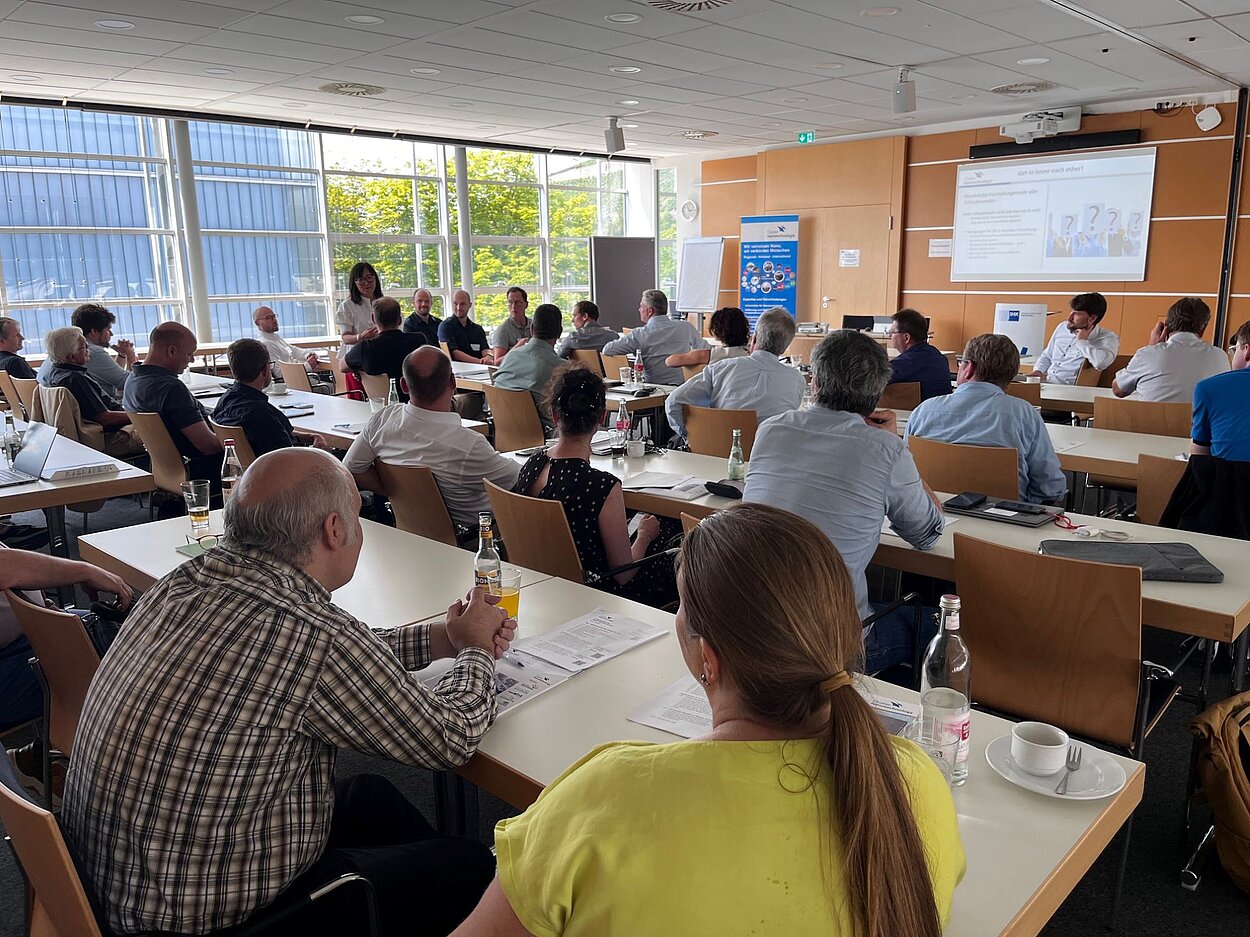
The “Nanotronics” session focused on the intersection of nanotechnology, automation, and robotics. Participants discussed the mutual benefits of closer collaboration and how innovations in both fields can be advanced together.
Automation can help make nanotechnology processes more precise, reproducible, scalable, and cost-effective. Conversely, nanotechnology-based materials, sensors, surfaces, and coatings can enable new functions and improve the efficiency of mechatronic and robotic systems.
Fields such as humanoid robotics in particular demonstrate how closely material development, sensor technology, actuator technology, lightweight construction, and system integration will need to interact in the future. This opens up numerous opportunities for joint research, development, and industrial application.
Specific Ideas for Further Collaboration
During the event, specific ideas for collaboration and open questions emerged that require expertise from multiple fields to address. The networking day thus fulfilled an essential function: it brought together different perspectives and laid the groundwork for potential next steps and joint innovation projects.