New Kempten Site: An End Becomes a Beginning
On the occasion of the State Prize for Bavarian Creative Hubs
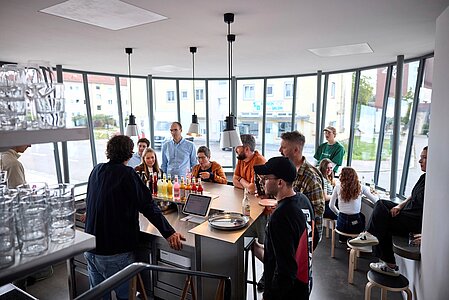
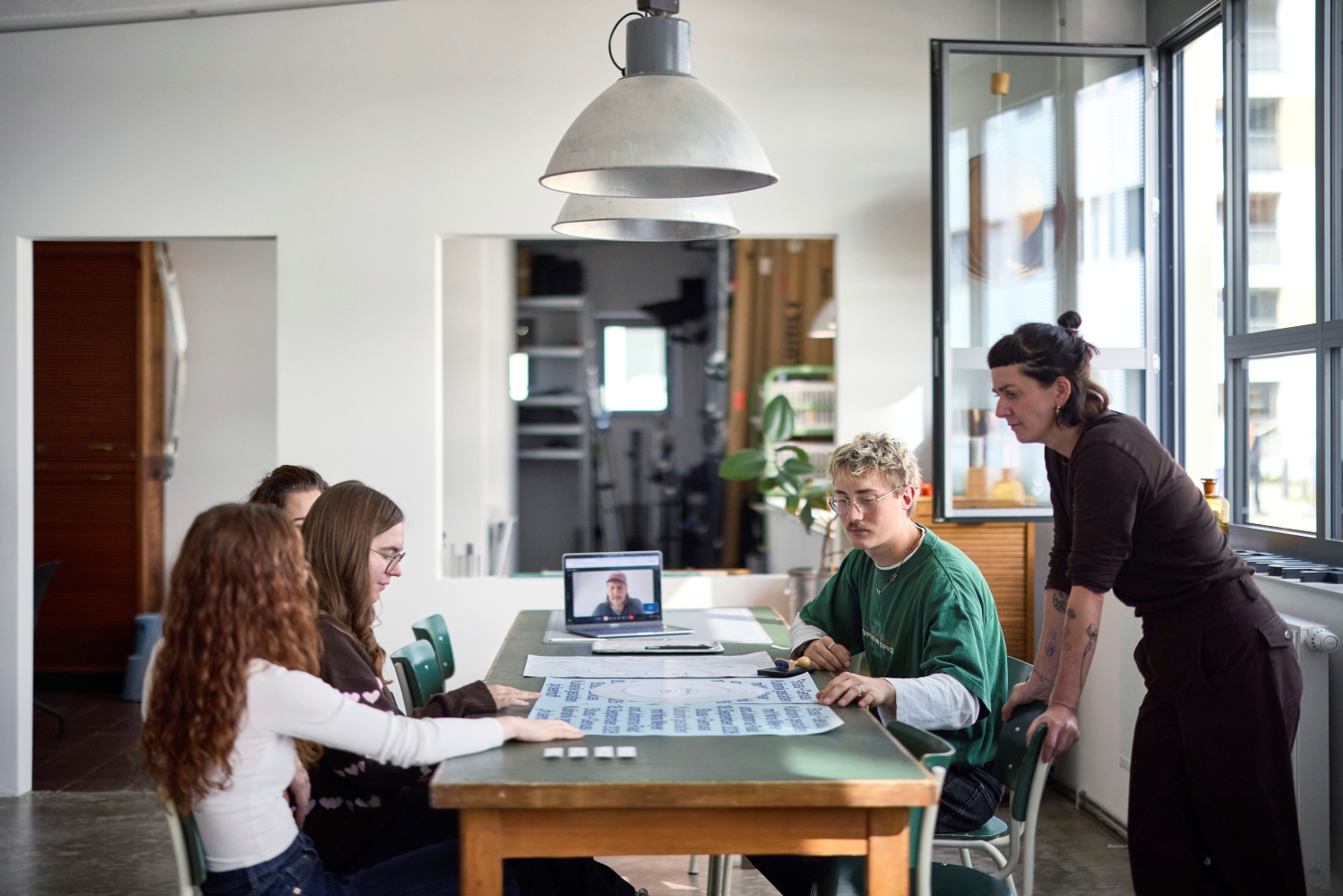
Coffee cups, bread, cheese, and fruit are arranged on a long table. Some are having breakfast; others have opened their laptops. Some have known each other for years; others are sitting at the table together for the first time today. A photographer next to a strategy consultant, a designer next to someone from a nonprofit initiative. People talk about what they’re currently working on. Later, everyone disperses throughout the building again.
The community breakfast is a tradition at Neue Areal. It shows what the place aims to be: not just a workplace, but a space for connection.
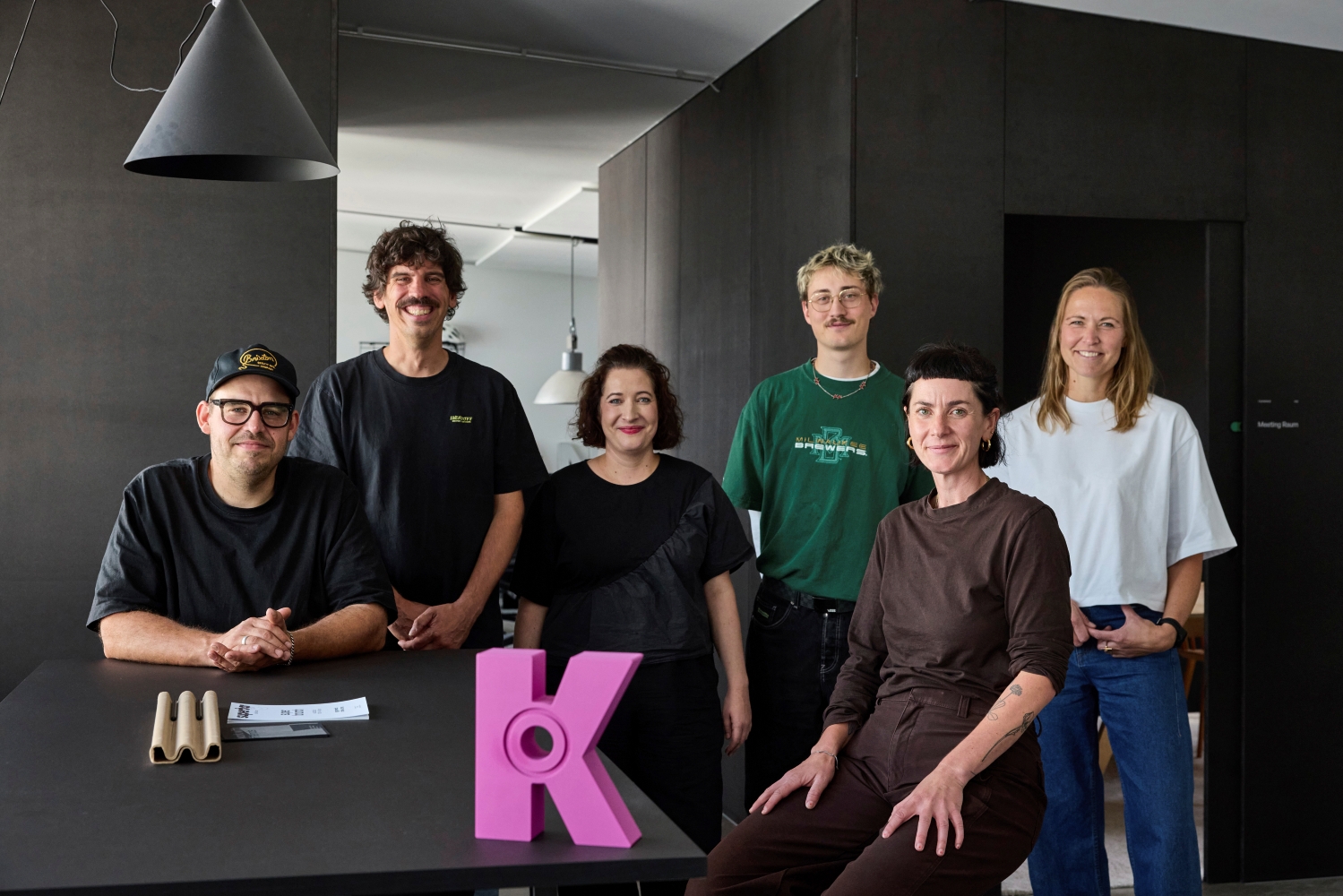
The origins of the Neue Areal date back to 2014. Back then, Tom Herzhoff and Simon Schnetzer founded the Gründervilla as a meeting place for creatives, entrepreneurs, and solo self-employed professionals. For ten years, people worked there, made connections, and developed projects. At the regular Kässpatzen meetups, the community also got together outside of the office.
Then the building’s story came to an end. The lease expired, and the Gründervilla was demolished at the end of 2024.
A new chapter also began in terms of personnel. Simon Schnetzer stepped away from the project, and Tom’s brother, Philip Herzhoff, took his place. “I originally joined to help develop the Gründervilla together with Tom. Then came the unexpected termination of the lease,” he explains. “That was our chance to rethink everything. To build a place from scratch where people can meet, work, and get things off the ground together.” The brothers decided against simply trying to replicate the Gründervilla at a different location. The existing concept should live on, but at the same time be able to evolve and grow. To do this, they not only needed a new building but also had to answer a fundamental question: How must such a place function so that people will actually use it?
A creative space must be financially viable
This question is also crucial because the Neue Areal is not backed by a publicly funded cultural center. Tom and Philip Herzhoff built the space privately through their company, superraum GmbH. They bear the financial risk themselves.
This sets the project apart from many publicly funded creative spaces. Jobs, event spaces, and a sense of community cannot emerge here simply because they are socially desirable. They must function in everyday life and attract enough people to be self-sustaining.
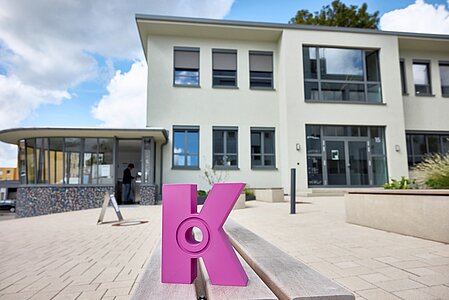
An opportunity to do so arose in Parkstadt Engelhalde, where a building had stood vacant for quite some time. The owner, Sozialbau Kempten, completely renovated it and then leased it to the Herzhoff brothers.
Martin Langenmaier, managing director of Sozialbau Kempten: “Parkstadt Engelhalde thrives on the fact that housing, work, and daily life are conceived not as separate entities but as an integrated whole.” Thomas Heubuch, managing director of Sozialbau Kempten, adds: “For us at Sozialbau, it was clear from the start: A neighborhood like Parkstadt Engelhalde needs more than just apartments and offices; it needs a place that brings people together and makes creativity visible.”
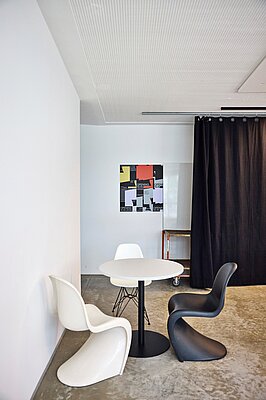
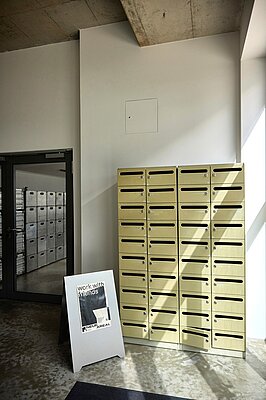
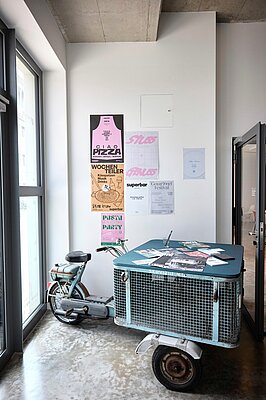
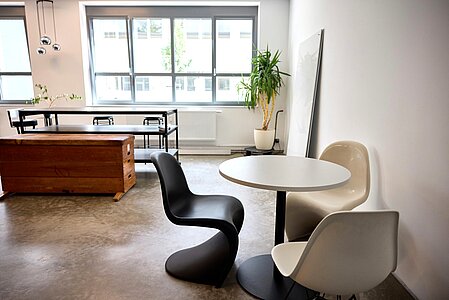
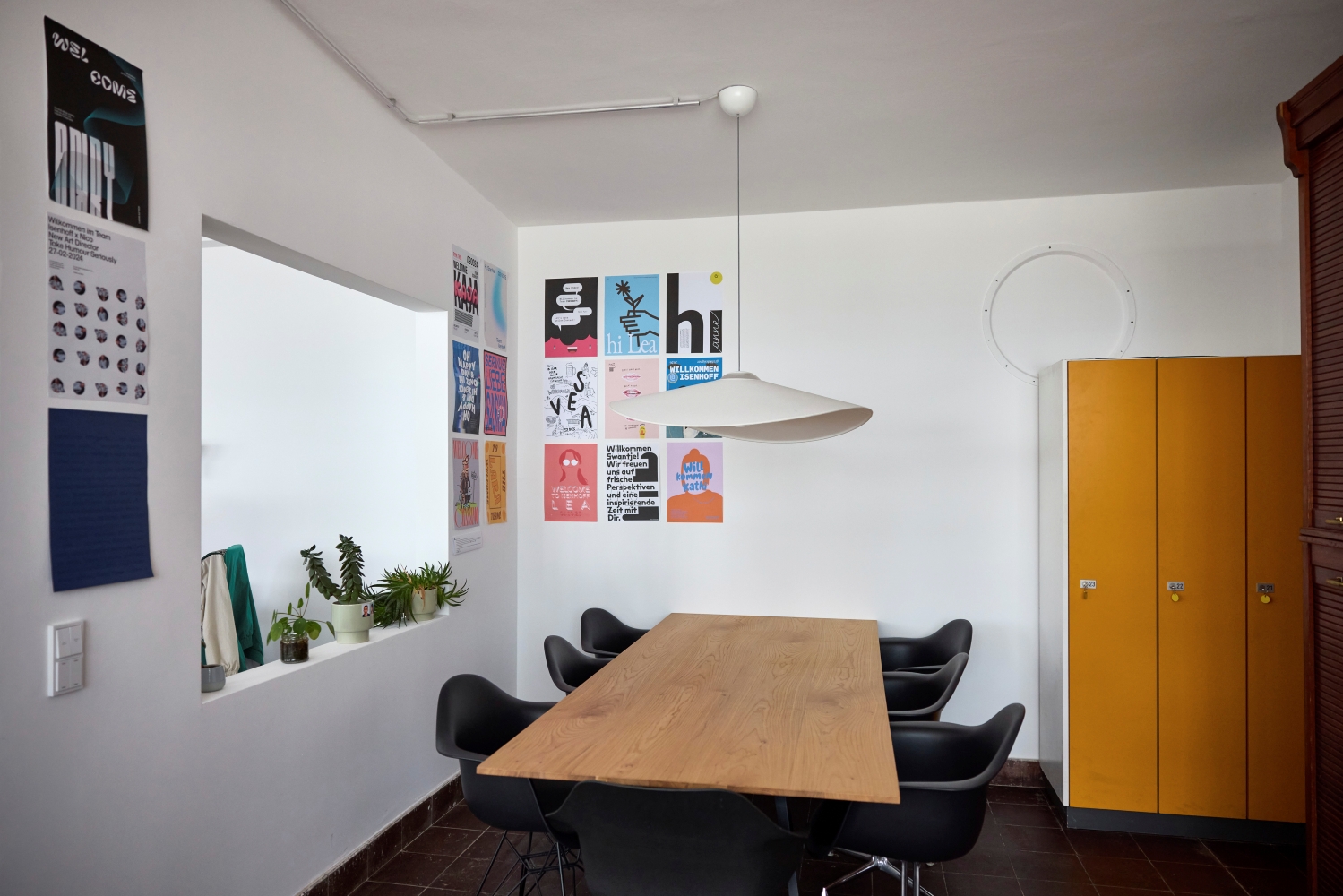
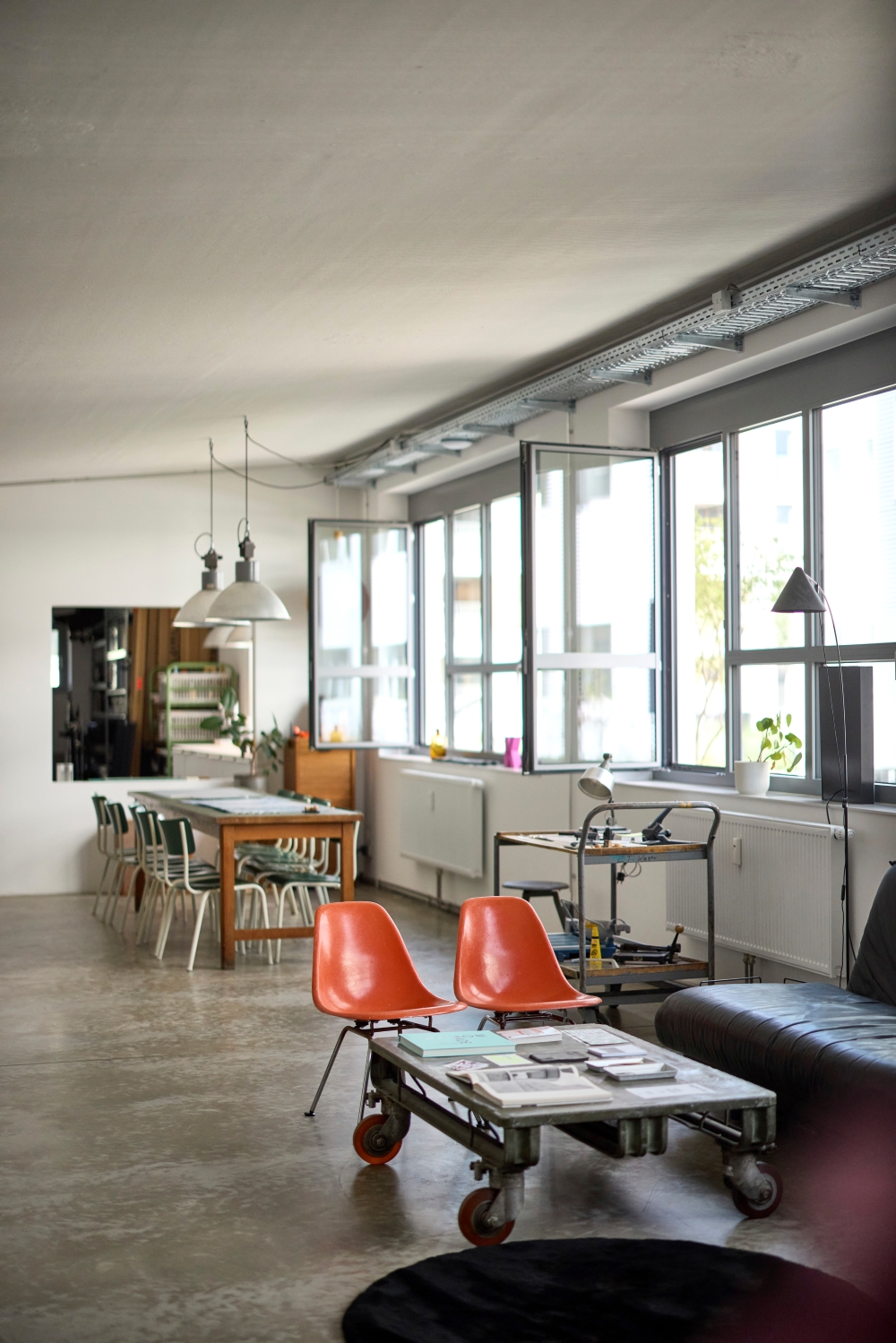
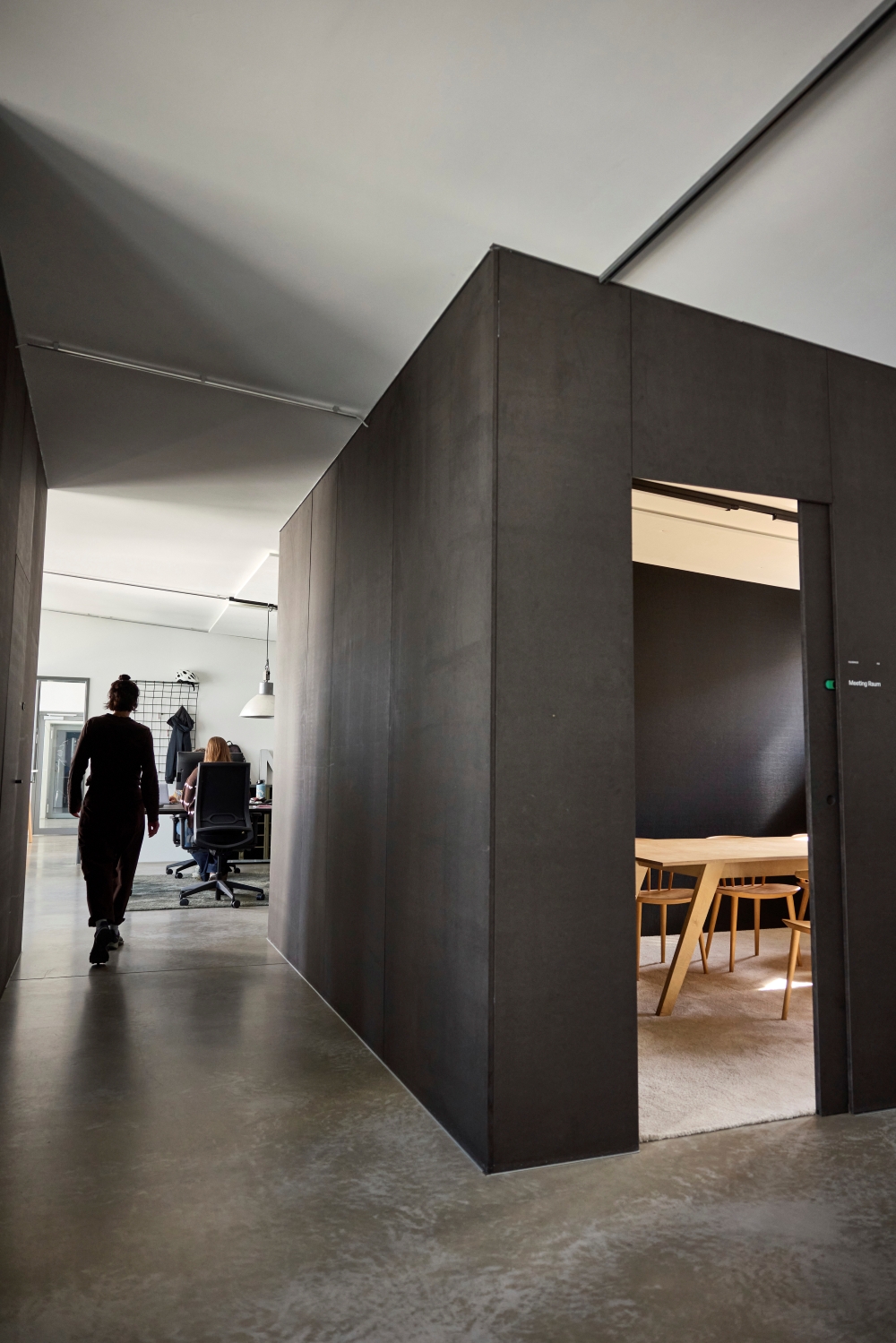
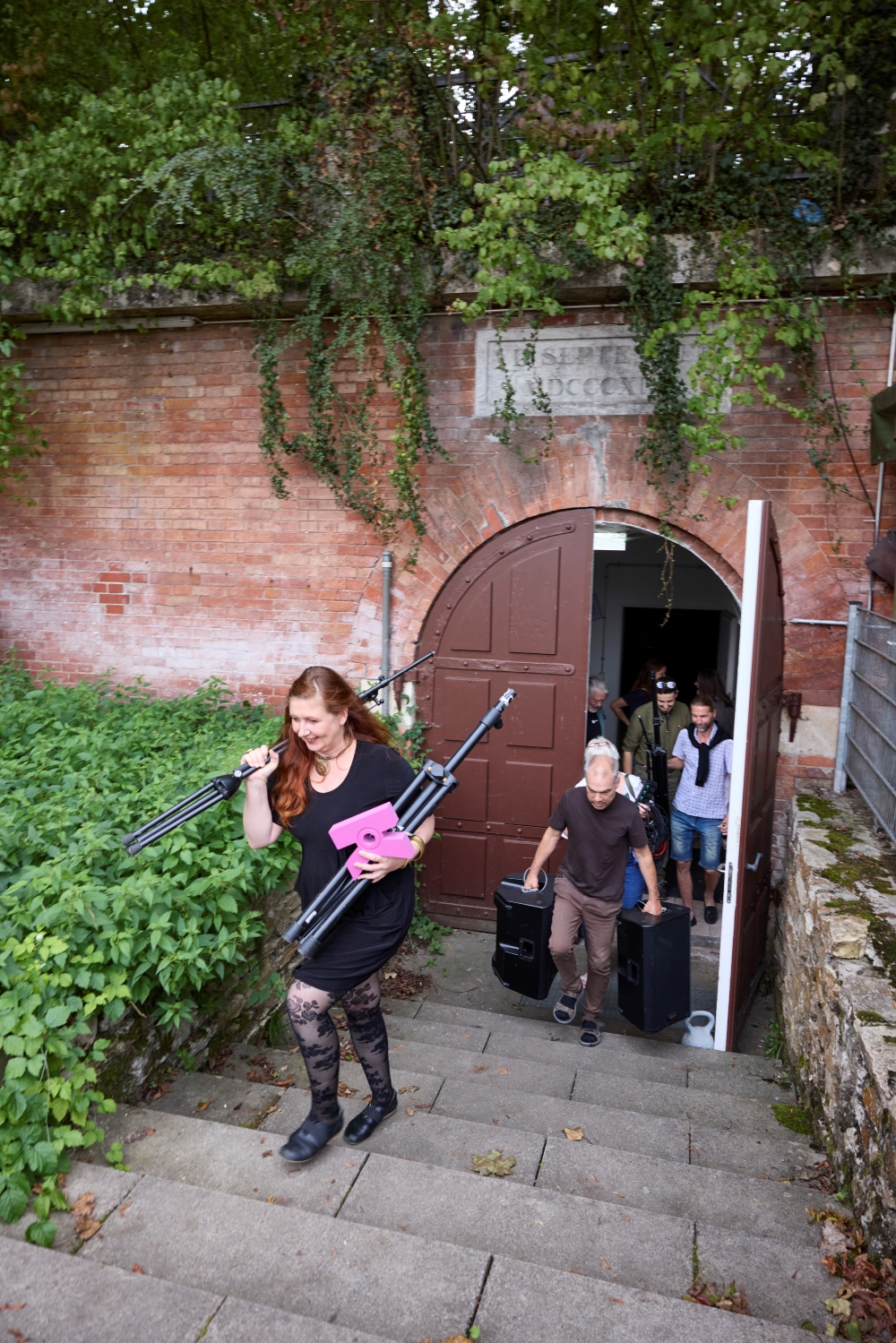
The operators handled the interior design themselves. The goal wasn’t to create the “perfect” office straight out of a catalog. They reused secondhand furniture, repurposed existing elements, and built other items themselves. Wood and metal meet open shelves and desks. Large windows flood the workspaces with light. The former gatehouse was transformed into the Superbar.
For Tom Herzhoff, secondhand items, upcycling, the circular economy, and shopping at local retailers are all part of the building’s philosophy. This improvisational approach isn’t driven solely by environmental concerns; it fits a place that is meant to change and evolve.
Just under 1,000 square meters—a space that isn’t defined by anything in particular
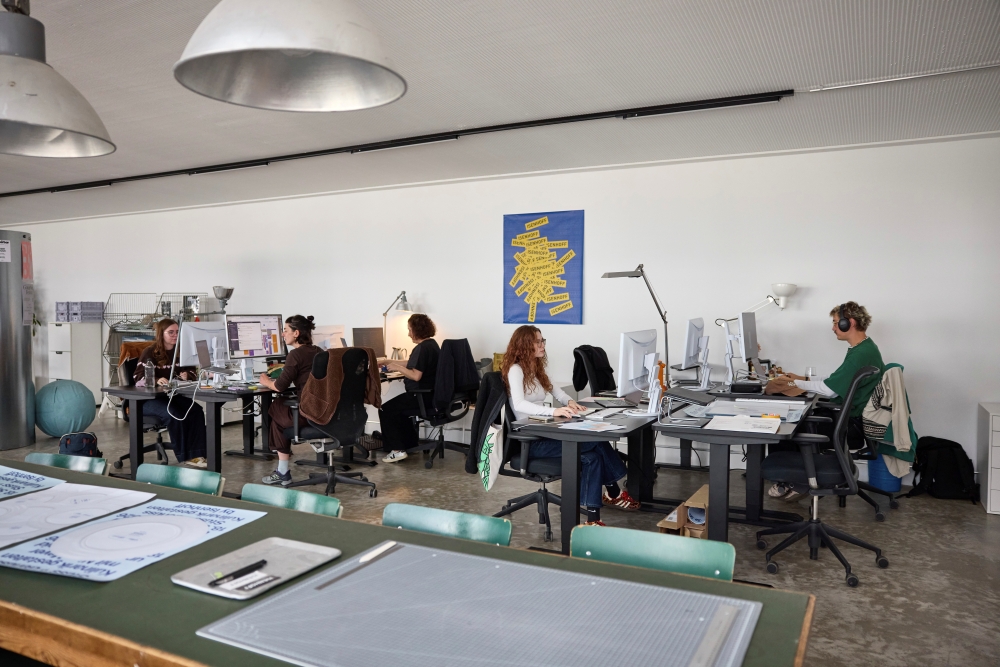
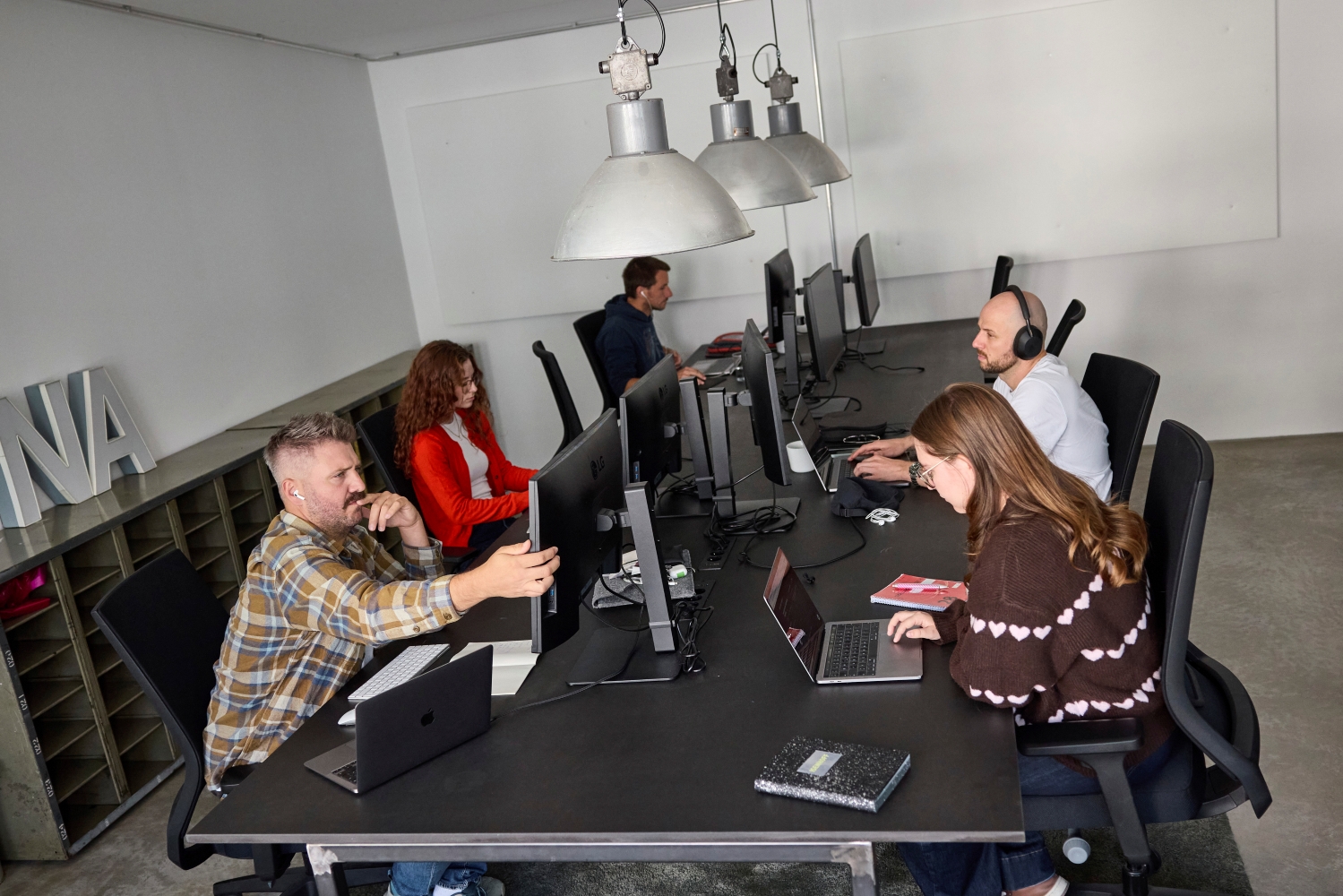
One answer to the question of how such a place can function lies in its adaptability. The Neue Areal covers just under 1,000 square meters. About 60 people work here regularly. They come from fields such as design, architecture, film, photography, advertising, music, visualization, and consulting. In addition, there are flexible coworkers.
Those who come to work in the morning can use a Flex Desk, rent a permanent workstation, or work in their own office. But just a few steps away, the character of the building changes.
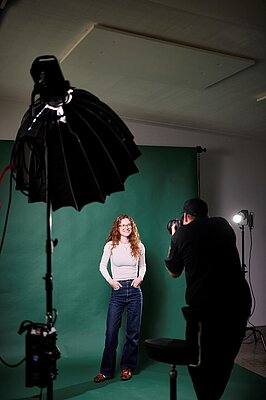
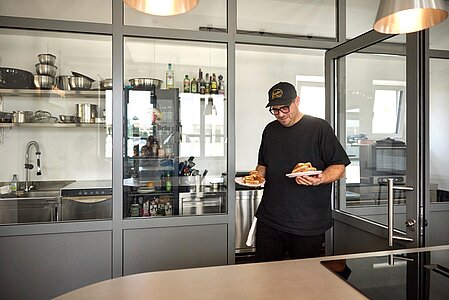
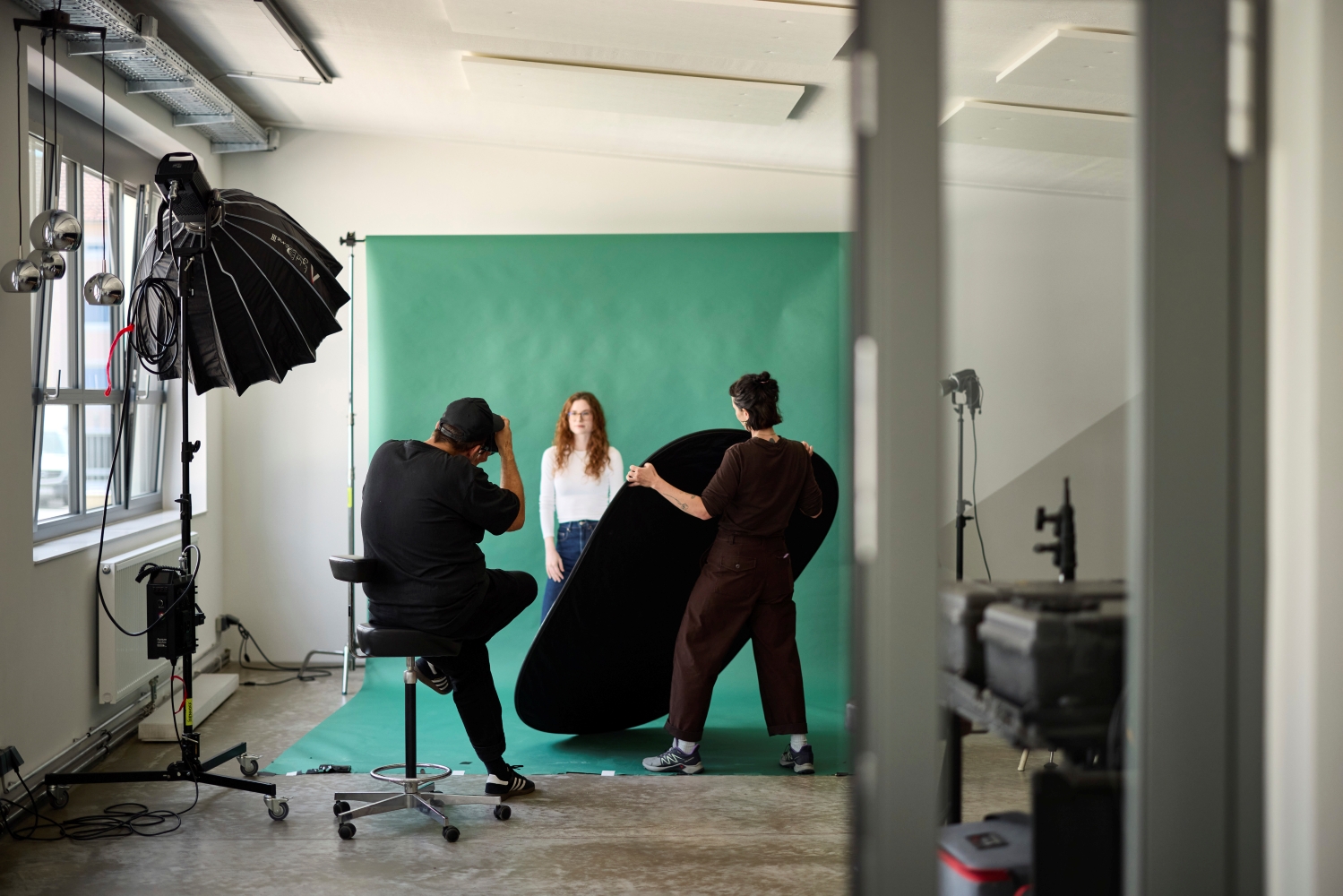
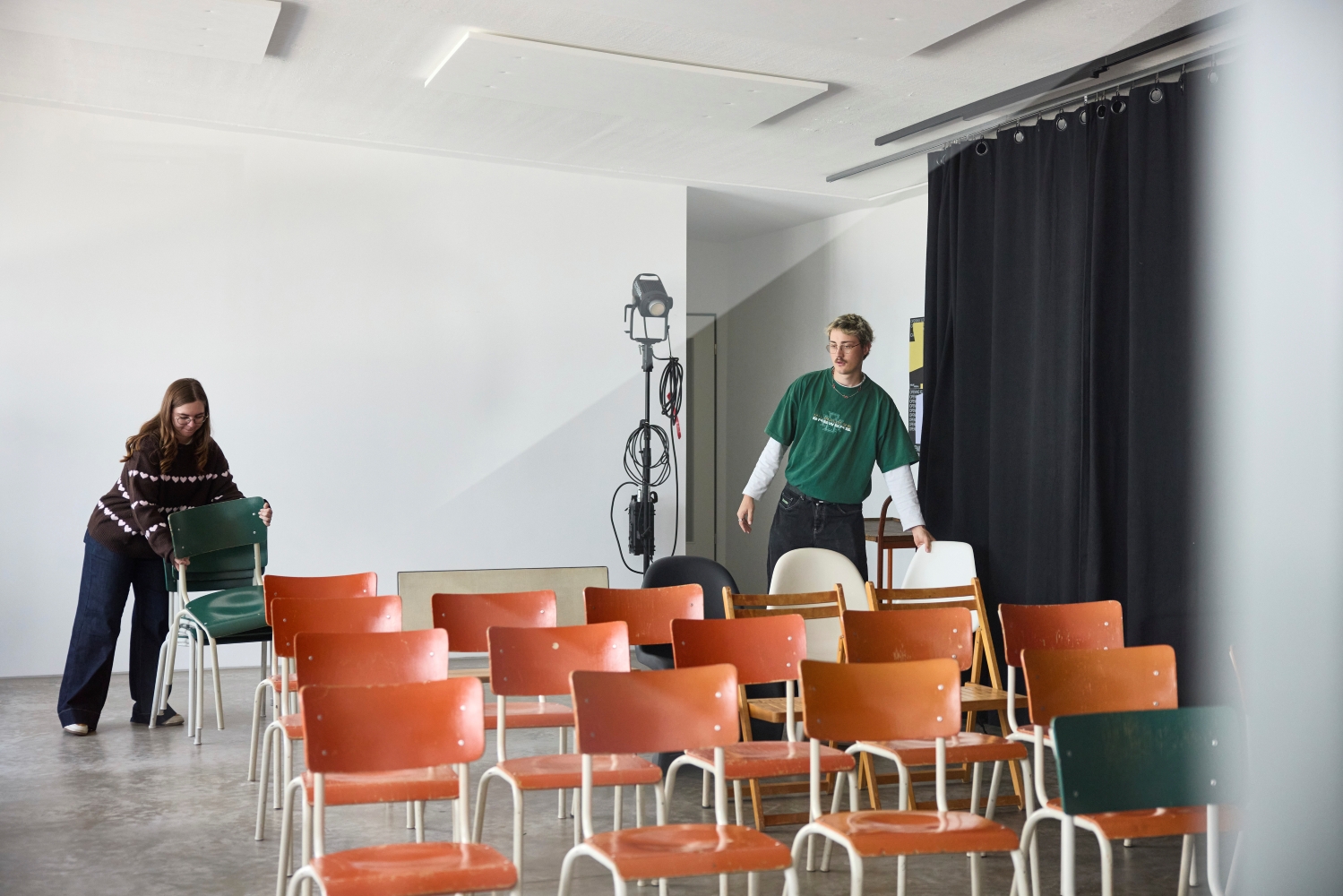
The 65-square-meter Flexspace can serve as a workshop space, lecture hall, or photo studio. The Kitchen features a large kitchen island and space for shared meals, tastings, or cooking events. The Superbar functions as both a gathering place and an event space. The outdoor area is also used for markets, workshops, or other events.
The spaces are designed to impose as few restrictions as possible on what can take place within them. “We’re not just landlords—we’re enablers,” says Tom Herzhoff.
This also means that a space doesn’t have to serve the same function every day. A space where people work intently in the morning can host a workshop later in the day. A space where people eat together at lunchtime can host an event in the evening.

What Happens Between Appointments
Even more important than the spaces themselves, however, is what can’t be planned.
Small agencies, solo freelancers, companies, and initiatives share more than just an address at Neue Areal. While people are working intently in one office, a team is preparing a workshop in the kitchen. Someone grabs a coffee and stops by a coworker’s desk on the way back.
Such casual encounters aren’t a side effect—they’re part of the concept. People who would otherwise work in different places are meant to run into each other here and exchange ideas.
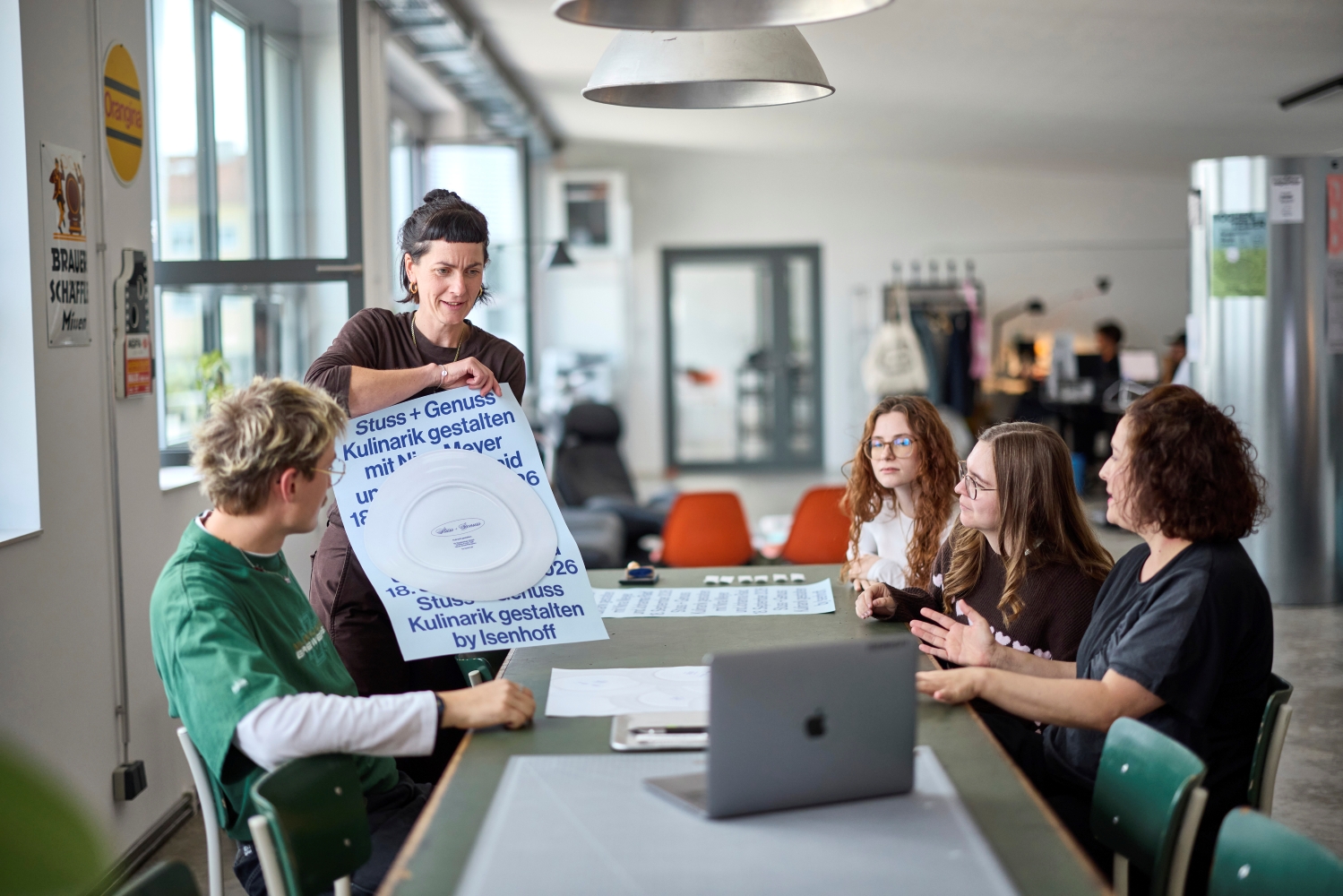
Other gatherings are deliberately organized. Every two months, there’s a community breakfast. Also every two months, Kässpatzen are served—now not only for the people in the building, but also for the neighborhood and anyone interested. At the “Stuss & Genuss” event, guests from the business world, the creative scene, and the entrepreneurial community talk about their experiences.
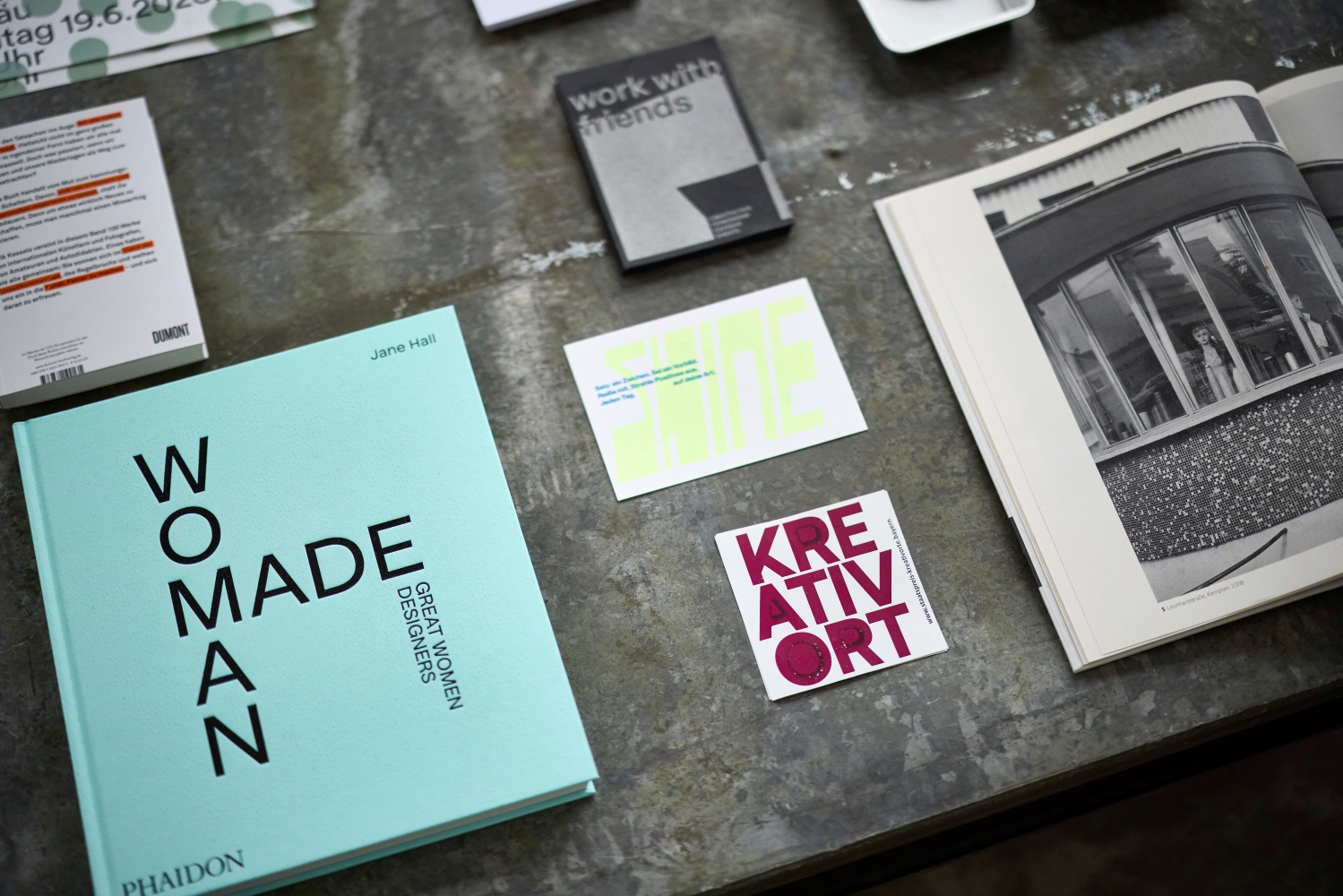
In addition, there are events that, at first glance, seem to have little to do with coworking: linocut workshops, cooking events, a design market featuring regional creatives, or the Gravel.Run.Yoga Festival. In March 2026, it brought together cycling, running, and yoga with an expo, a flea market, food, and music.
“If it were always just the same 60 people hanging out here, nothing new would happen. A community thrives on movement—on new people joining in, things mixing together, and suddenly something happening that no one expected,” says Tom Herzhoff.
That’s precisely what sets it apart from an office building with a communal kitchen. The Neue Areal isn’t just inward-looking; it brings people from outside into the building.
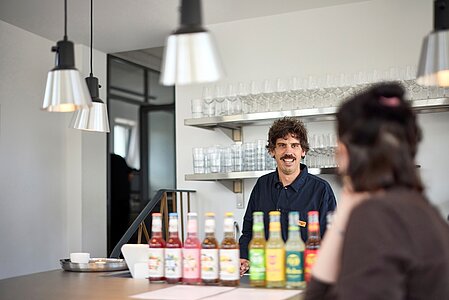
The Superbar in the former gatehouse also follows this principle. It’s not open exclusively to users of the Neue Areal. On Thursdays, it’s already open as a café at noon, and these hours are set to be expanded in the future.
Why Kempten?
The fact that none of this is happening in Munich, Berlin, or Hamburg is part of the story behind the Neue Areal. The creative hub is located in Kempten, in the heart of the Allgäu region—well outside the major cities typically associated with coworking, the creative industries, and startup culture.
For Tom and Philip Herzhoff, creative infrastructure must not be limited to major cities. The Neue Areal aims to create a meeting place for the cultural and creative industries in the Allgäu, bring together regional companies and creative professionals, and at the same time revitalize the new Parkstadt Engelhalde neighborhood.
In this way, the space fulfills several functions at once. It provides infrastructure for the self-employed and small businesses, serves as an event venue, and acts as a gathering place for a community. At the same time, it opens its doors to the neighborhood.
Sometimes it’s a client project, sometimes a lecture or a design market. And sometimes it’s simply about enjoying Kässpatzen after work. It is precisely this mix that could be decisive in determining whether a privately funded creative space is sustainable in the long term: it can’t just rent out space. It must create reasons for people to come—and, above all, to come back.
The idea lives on and continues to grow
The Gründervilla no longer exists. What took shape there over the course of more than ten years could not simply be transferred to a new building anyway. After all, community isn’t tied to furniture or square meters. It must constantly reinvent itself.
That’s exactly what’s happening right now at the Neue Areal. More art exhibitions and open get-togethers are planned, and new formats may be added. Not everything has been finalized yet—and that, too, is part of the concept.
Some things are planned. Others begin casually: over coffee, on the way through the kitchen, or in the morning at a long table amid bread, cheese, and open laptops.
AI-edited
 Bayern Innovativ/Simone Hörmann,
 Bayern Innovativ/Simone Hörmann,
 Bayern Innovativ/Simone Hörmann,
 Bayern Innovativ/Simone Hörmann,
 Bayern Innovativ/Simone Hörmann,
 Bayern Innovativ/Simone Hörmann,
 Bayern Innovativ/Simone Hörmann,
 Bayern Innovativ/Simone Hörmann,
 Bayern Innovativ/Simone Hörmann,
 Bayern Innovativ GmbH/Simone Hörmann,