Boaznkäfer: Creativity Doesn't Need a Big City
On the occasion of the State Prize for Bavarian Creative Hubs
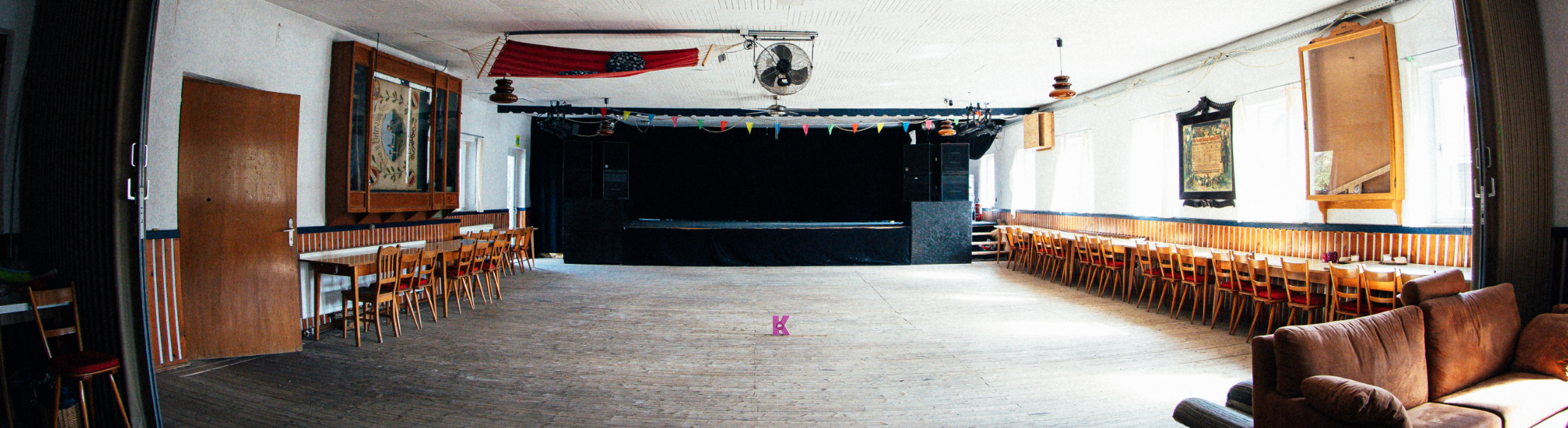
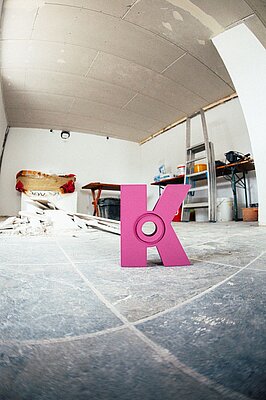
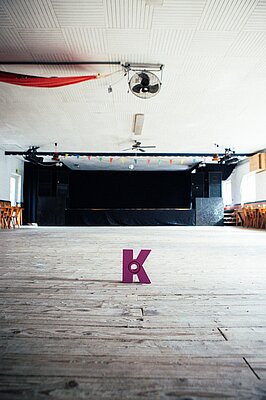
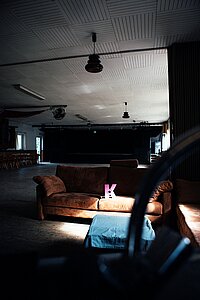
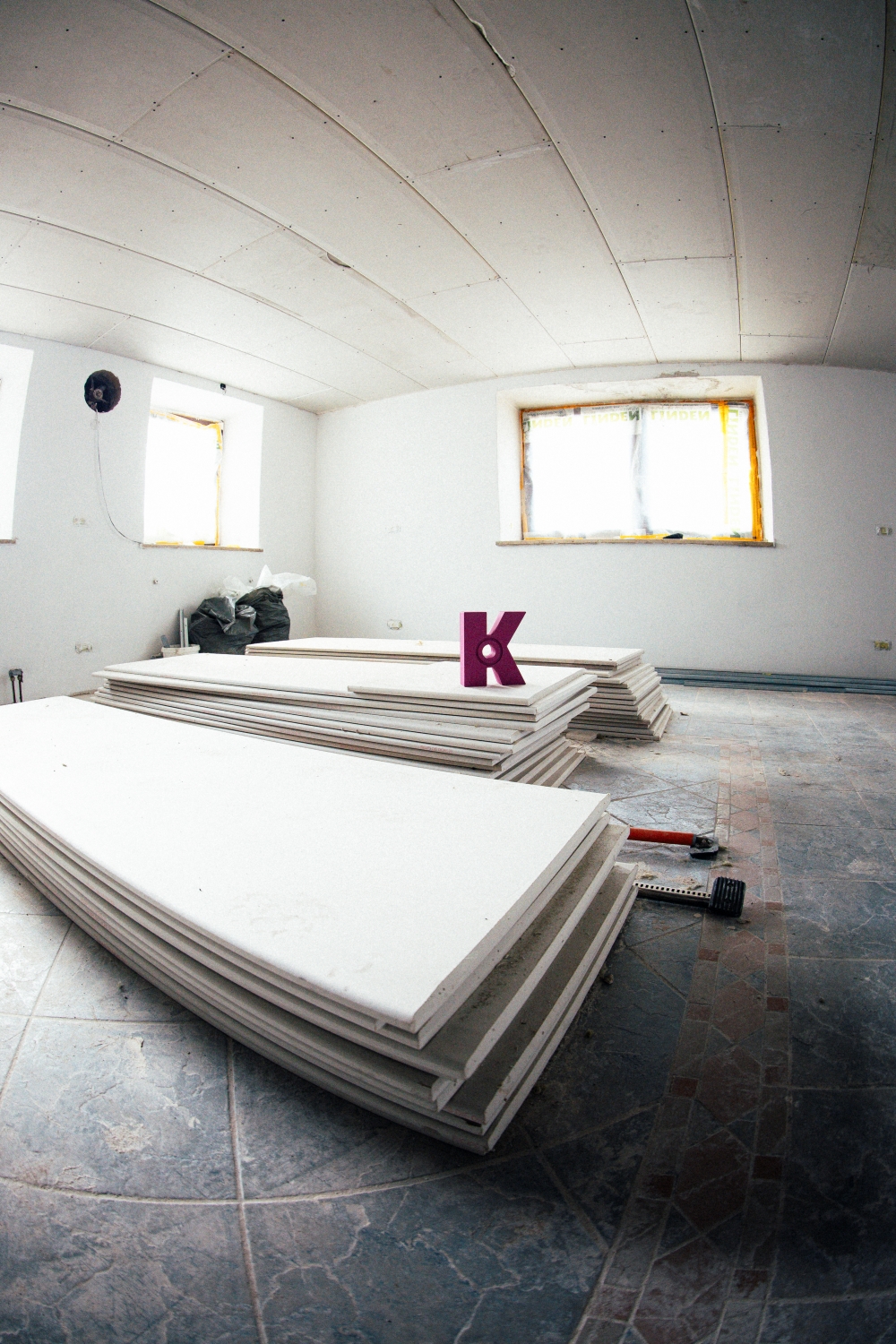
Tools lie scattered on the floor of the ballroom, cables dangle from the ceiling, and fresh paint is drying on the walls. Mirjam Dressendörfer, vice president of the Kulturensöhne & Töchter e.V. association, opens one door after another: Rehearsal spaces and artists’ apartments are taking shape in the attic, and a small theater is taking shape in the former butcher shop. In the future, the ballroom will host concerts and film screenings, while the old tavern will continue to be filled with the aroma of Bavarian specialties.
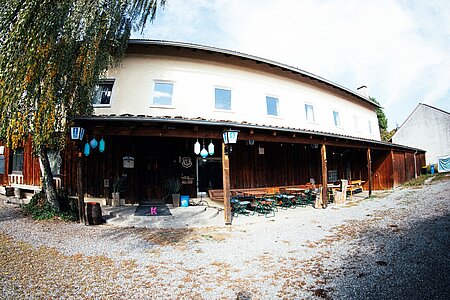
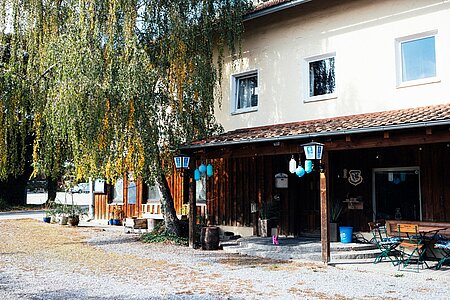
The renovation is still underway, but the direction is clear: in Ottering, a former tavern is being transformed into the Boaznkäfer, a venue for music, theater, readings, and workshops. Those who previously had to drive into town for cultural events will now be able to experience them right on their own doorstep. And, almost more importantly, they’ll have the chance to help shape it.
This is made possible because the previous innkeepers are retiring. What remains is a building steeped in history—and the question of what comes next.
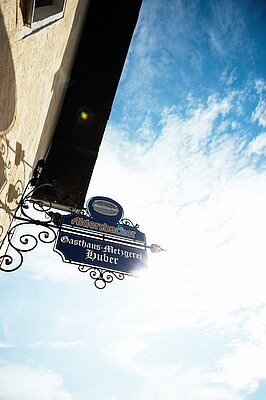
A Tavern Takes on a New Role
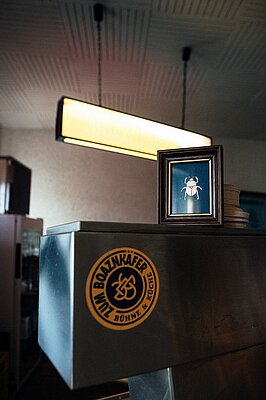
“The Boaznkäfer is our heraldic animal,” says Mirjam Dressendörfer. With this name, the sponsoring association Kulturensöhne & Töchter e. V. is deliberately making an unusual statement: “Boaznkäfer,” the Bavarian word for bark beetle, is considered a pest in the forest, but at the same time it creates space there for new growth. This image fits perfectly with the project in Ottering: The old tavern isn’t disappearing—it’s transforming.
Where people used to come mainly to eat and drink, concerts, plays, readings, and workshops will take center stage in the future. Behind the project are cultural professionals with regional roots who know the problem from personal experience: Outside of metropolitan areas, there is often a lack of stages, rehearsal spaces, and places for exchange. The Boaznkäfer aims to fill precisely this gap.
More Than Just an Event Space
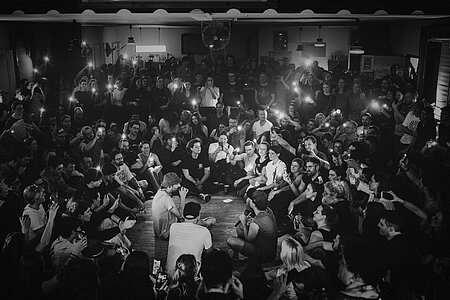
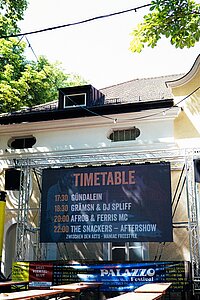
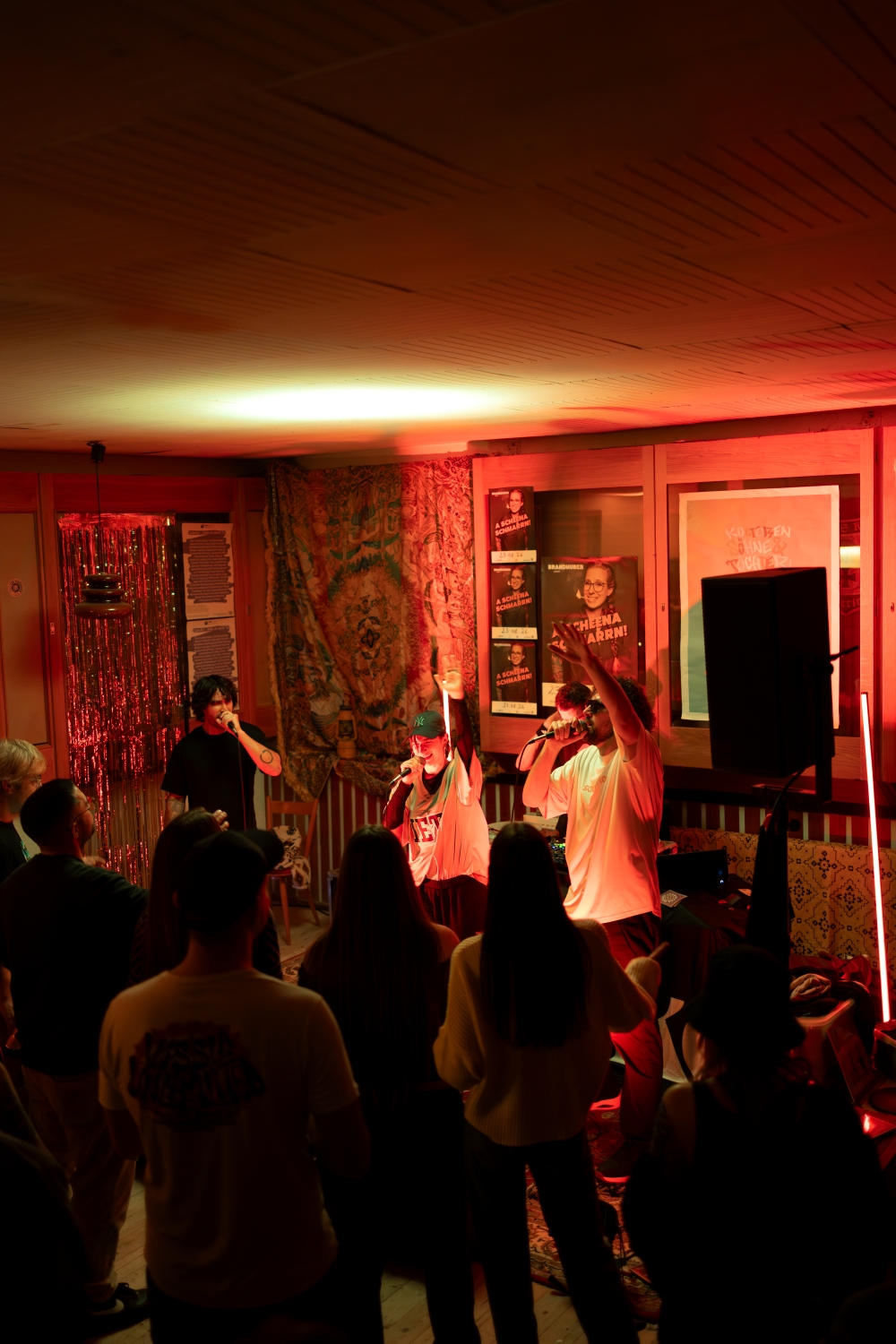
The program deliberately aims to reach beyond the existing cultural audience. Alongside established artists, local initiatives and up-and-coming bands take the stage. Families and young people are encouraged not only to watch but also to get involved themselves—through workshops, open mic nights, and hands-on craft activities.
“We’re not saying, ‘Everything was better in the past.’ We’re saying, ‘Now it’s going to be even more vibrant,’” Mirjam Dressendörfer sums it up.
Numerous cultural events have already taken place elsewhere in 2026, with more planned. These include performances by Hannes Ringlstetter, Sara Brandhuber, Eva Karl Faltermeier, Gerhard Polt and the Well Brothers, dicht & ergreifend, LaBrassBanda, and Maxi Pongratz.
Currently, no large-scale events or concerts are permitted in the building itself because fire safety regulations do not allow it. The team therefore plans to host them at other venues until April 2027. The building isn’t finished yet. But the events that have taken place so far and those planned for the future already show the role it is meant to play: not just as a stage, but as a permanent hub for creativity.
More Than Just a Building: A Network Supports the Community
The fact that the concerts are taking place elsewhere for the time being demonstrates one thing above all: Behind the Boaznkäfer stands a resilient network of people, initiatives, municipalities, and partners. It supports the project even before the venue is allowed to open its doors. The tavern remains the vision and the anchor. It is meant to become the future home where this potential takes root for the long term.
“The tavern is important, but the creative hub isn’t limited to the building itself,” says Mirjam Dressendörfer. What matters most, she explains, is what the space enables: encounters, collaboration, regional networking, creative development, and long-term momentum for the region.
Dining remains part of the concept
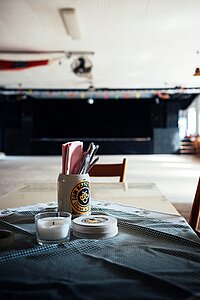
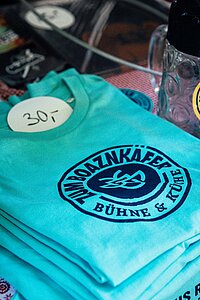
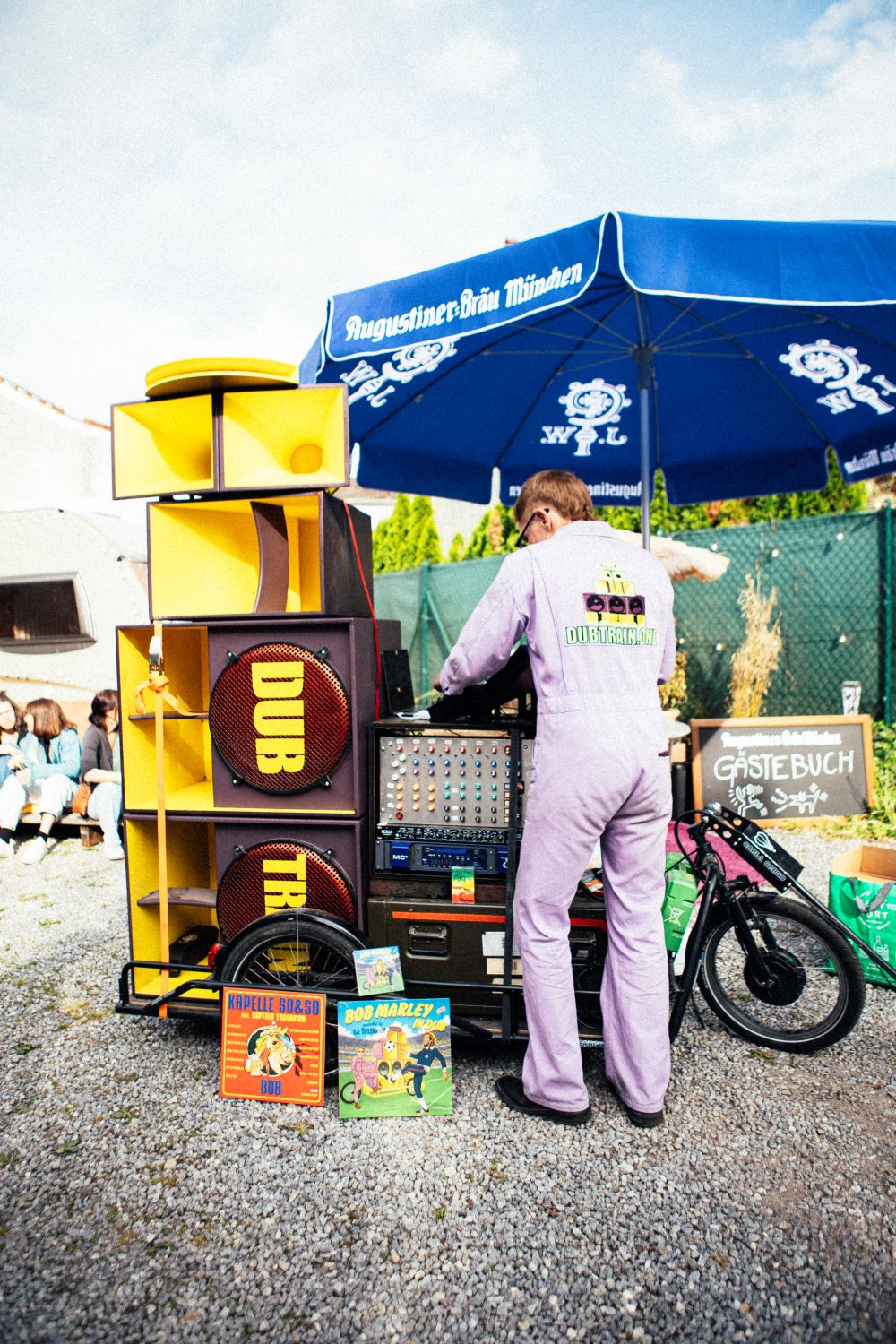
The tavern lives on despite its new use: a small menu featuring Bavarian dishes, a beer garden, and street food at events. This is more than just an additional offering. The restaurant keeps the venue alive even between concerts and readings. A club meets, a band rehearses, someone stops by for a coffee—even when there’s no event taking place. In this way, the restaurant, stage, and workspace merge into something new, rather than creating a purely cultural institution.
A Place for Different Generations
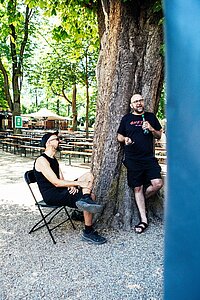
The association calls the Boaznkäfer its “village living room”: clubs, neighborhoods, and people of all ages are encouraged to use it. At the same time, it provides a space for independent culture—including bands, artists, and young initiatives that struggle to find suitable venues elsewhere.
People with diverse needs should also be able to access the building: low-step pathways, accessible spaces, and a low-stimulus area are on the list. The timing of these measures will depend on the renovation schedule and funding.
The vision thus extends far beyond mere events: The Boaznkäfer aims to create conditions under which people can shape culture themselves.
The Boaznkäfer doesn’t just provide a space for culture. It also creates opportunities for growth for everyone working creatively in the region: as infrastructure for the cultural and creative industries. Here, networks, projects, and new perspectives emerge—not just events.
Creative people gain visibility locally, get to know one another, and find partners for joint projects. Rehearsal spaces, artist apartments, and a small performance stage are intended to help them stay in the region rather than moving to the city in search of a stage, a community, and workspace.
What a Village Can Build on Its Own
Many towns face the same question: What becomes of a tavern when the owners retire? The Boaznkäfer’s answer: Don’t preserve the building as a historic landmark—instead, carry on its legacy. In the future, dining, culture, volunteer work, and regional collaboration will all come together under one roof.
Until then, the association still has work to do: renovating the roof, meeting fire safety requirements, setting up a small performance stage, taking further steps toward accessibility, and developing its own youth program. The plan is to finance these efforts in the long term through membership dues, events, grants, and donations.
Where the Tavern Ends
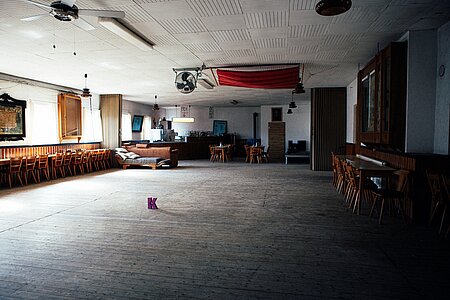
In the evening, the ballroom lies quiet. Furniture and equipment are still missing, and some structural changes aren’t finished yet. And yet, you can already imagine what will be possible here: a band rehearsing. A club meeting. A child at their first workshop. A young artist performing in front of an audience for the first time.
The Boaznkäfer isn’t looking back—it’s looking forward: It’s taking a space that has become available, repurposing it, and turning it into a permanent hub for culture, community, and creative development in the region.
One thing is clear: creativity doesn’t need a big city. It needs space, time, and people who take responsibility. In Ottering, a former tavern is bringing all of that together.
AI-edited
 Bayern Innovativ GmbH/Felix Blöchinger,
 Bayern Innovativ GmbH/Felix Blöchinger,
 Bayern Innovativ GmbH/Felix Blöchinger,
 Bayern Innovativ GmbH/Felix Blöchinger,
 Bayern Innovativ GmbH/Felix Blöchinger,
 Bayern Innovativ GmbH/Felix Blöchinger,