
Review: International Mechatronics Forum 2026
September 28, 2026
The International Mechatronics Forum 2026, held at the GreenTech Hub near Memmingen, once again demonstrated its role as one of the most important platforms for cross-industry exchange in the fields of mechatronics, robotics, automation, and artificial intelligence. For the 18th time, specialists, executives, researchers, and innovation leaders from across the DACH region gathered to discuss current developments, exchange experiences, and initiate new collaborations.
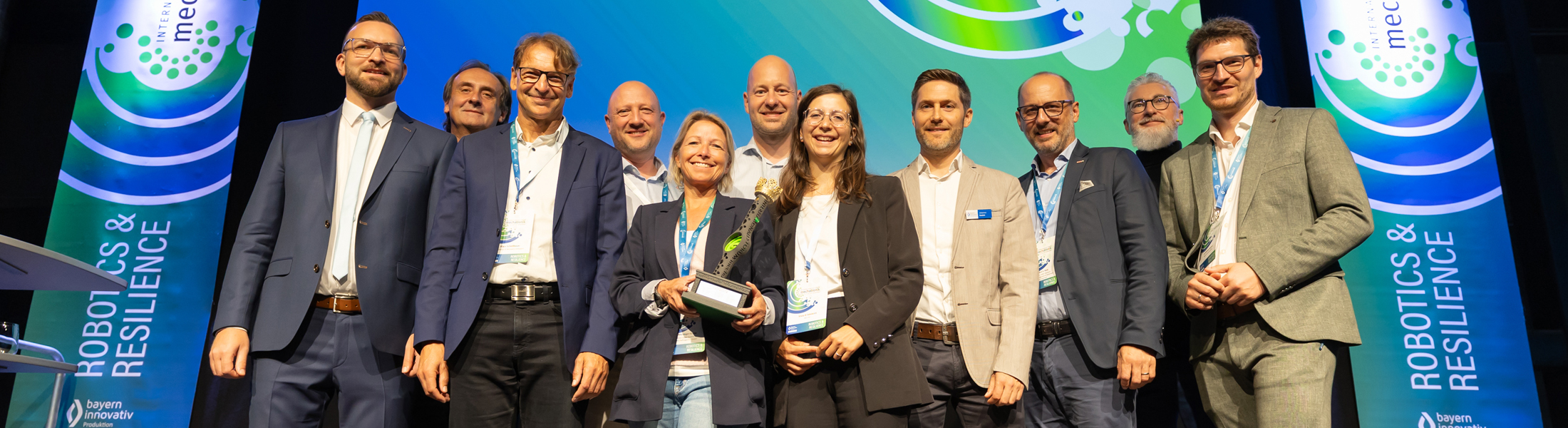
Over the course of two days, the forum provided numerous insights into the industry’s future topics. The focus was particularly on the key themes of “Robotics & Resilience,” which highlighted how companies can respond to technological changes while simultaneously strengthening their competitiveness.
A recurring theme of the event was the conviction that innovation arises above all where different perspectives come together. For more than two decades, the International Mechatronics Forum has thrived on the close collaboration of its partners from Bavaria, Austria, South Tyrol, Switzerland, and other European regions. This collaboration not only generates technical ideas and technological partnerships but also fosters personal relationships that build trust and enable long-term partnerships.
The accompanying exhibition impressively showcased the innovative strength of the mechatronics industry. Numerous exhibits illustrated how modern technologies are driving the development of intelligent products and production processes. From robotics to digital development and simulation methods to applications of artificial intelligence, it became clear just how closely mechanics, electronics, and software are converging today.
The role of artificial intelligence was discussed in particular depth. There was broad agreement that AI is a key driver of innovation, but its successful use must always put people first. Many presentations emphasized that technology is not an end in itself, but rather a tool to support people, make processes more efficient, and open up new possibilities. The guiding principle “Human First” ran like a common thread through numerous conversations and discussions.
The importance of the next generation was also highlighted. Participants agreed that young professionals must be actively introduced to new technologies. In addition to technical know-how, creativity, critical thinking, and the ability to translate innovations into practice were identified as crucial prerequisites for successfully shaping the future of industry.
The panel discussions and networking sessions made it clear that Germany and Europe possess outstanding expertise and great potential for innovation. At the same time, it was emphasized that the current challenges can only be overcome through collaboration, openness, and the courage to embrace change. Small and medium-sized enterprises (SMEs) in particular were highlighted as key drivers of innovation and technology transfer.
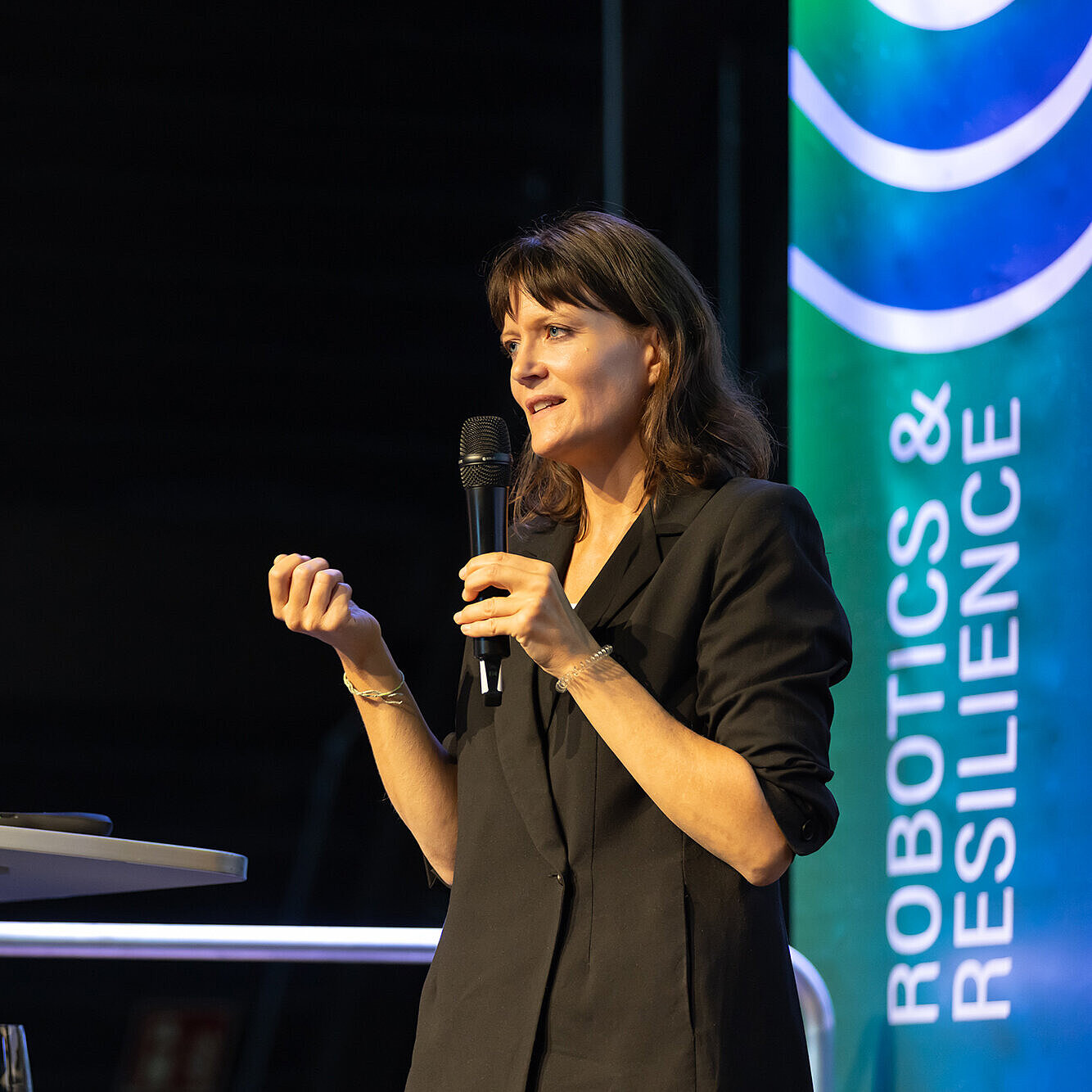
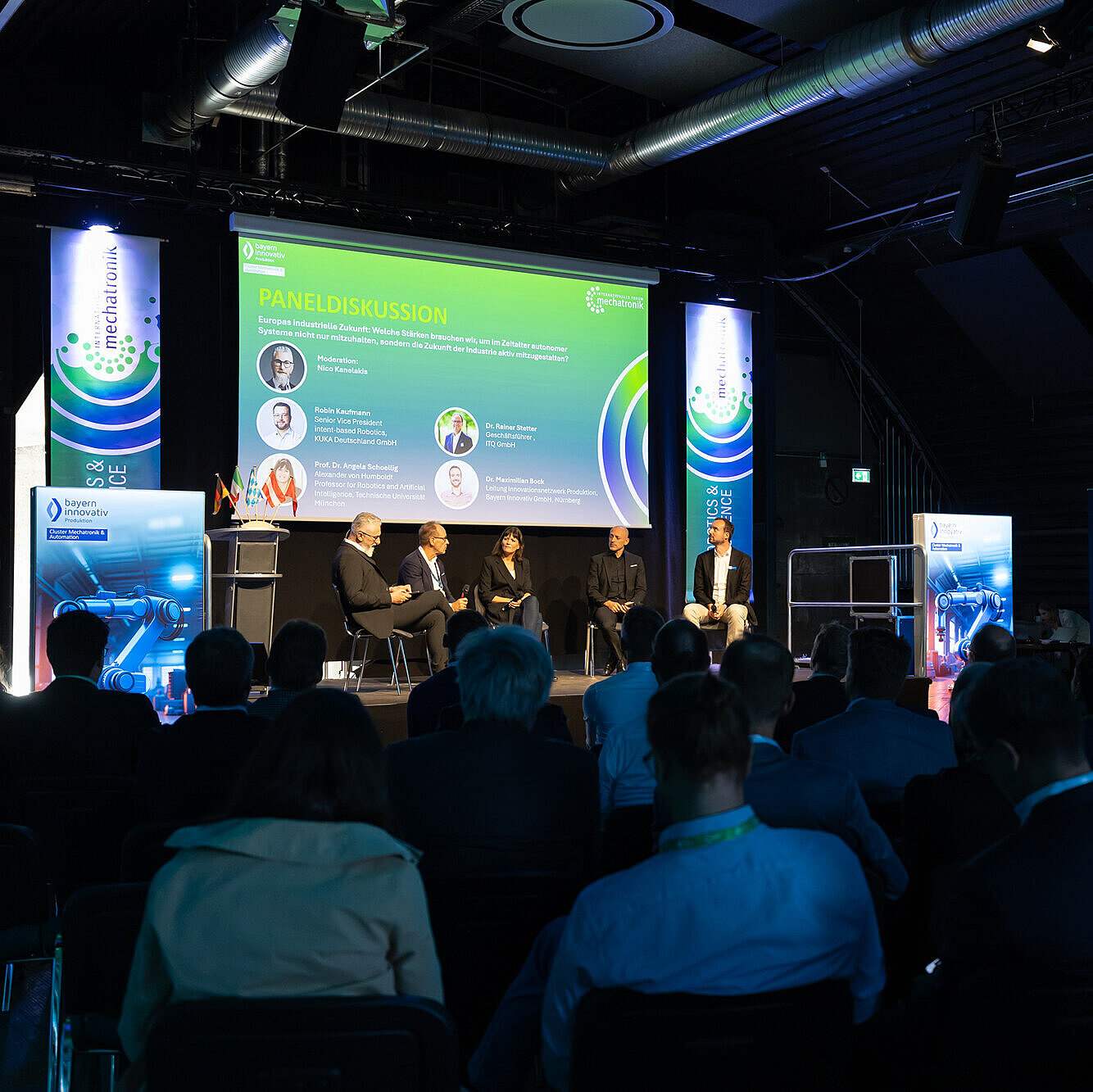
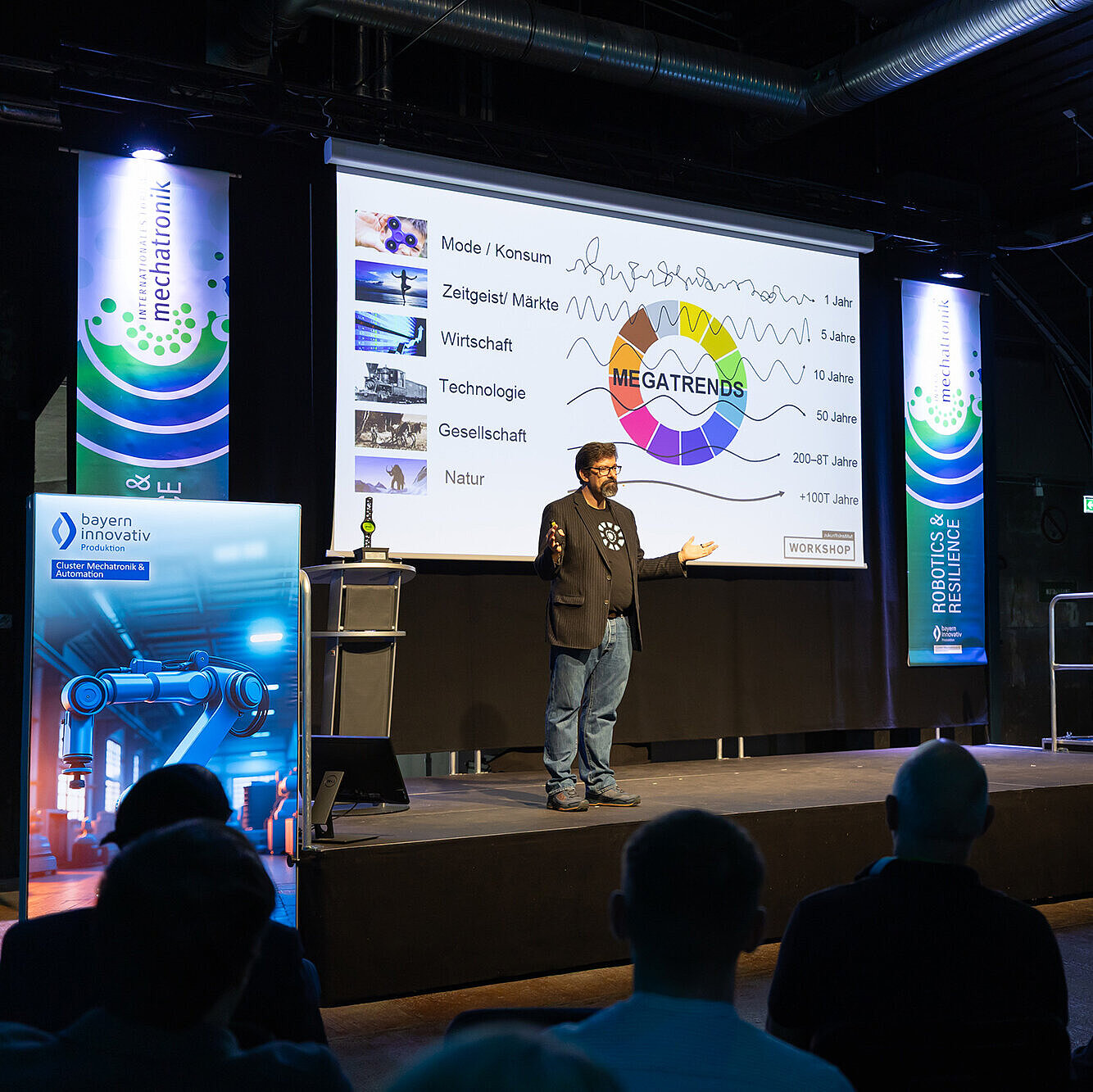

The technical program was complemented by practical insights into industrial applications and modern manufacturing environments. Participants gained a comprehensive understanding of how companies use new technologies to continuously advance products, processes, and business models.
Dr. Andreas Hackner, Head of the Mechatronics & Automation Cluster, summarizes the forum’s central message: “The International Mechatronics Forum 2026 has impressively demonstrated how much can be achieved when knowledge is shared, experiences are exchanged, and innovations are advanced together. Especially in times of great change, collaboration, innovative strength, and the courage to break new ground are the foundation for a successful future.”
With its strong focus on networking, knowledge transfer, and cross-border collaboration, the International Mechatronics Forum 2026 has once again demonstrated how important personal exchange is for the future of industry. The event thus sent a strong signal about the innovative strength of the European mechatronics ecosystem and the joint shaping of industrial transformation.