
Image recognition: when technology takes a closer look
28.05.2026
Image recognition is fundamentally changing agriculture: AI precisely analyzes image data, detects deviations at an early stage and supports well-founded decisions in the field and in the barn. From precise crop protection to digital early warning systems for animal welfare, it shows how data-based technologies can increase efficiency, sustainability and transparency on the farm.
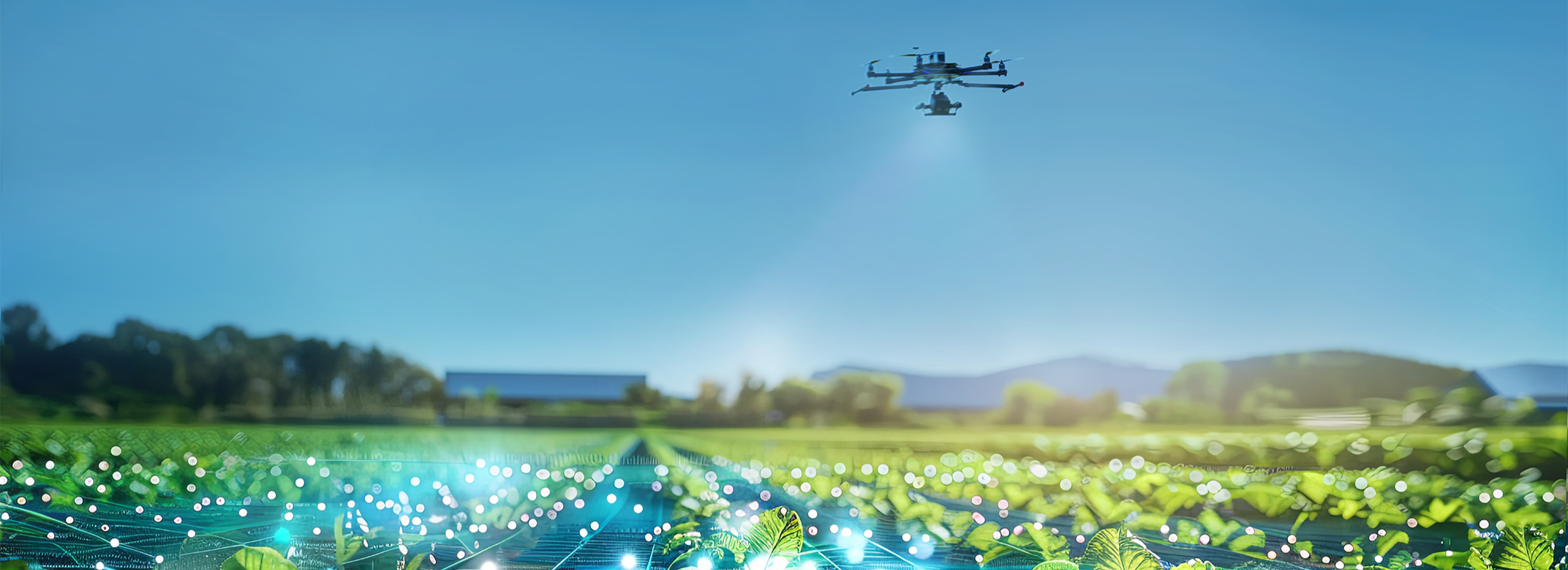
We see a lot, but by no means everything. This is exactly where image recognition comes in: It recognizes patterns that escape the human eye and translates visual impressions into measurable cues.
Image recognition does not simply store images or videos. It analyzes them. It recognizes structures, classifies patterns and derives information from them. This is particularly relevant in agriculture. This is because many decisions are based on what is visible: plant population, weed pressure or animal behavior. AI-supported image recognition helps to react earlier, in a more targeted and comprehensible manner and to make decisions based on data rather than gut instinct.
The brain behind the camera: how AI understands images and makes them usable
When we talk about image recognition, it often sounds as if a machine has eyes like ours. In reality, however, a computer initially only sees numbers. Each pixel represents a color or brightness value. Meaning is only created once an AI system has learned which patterns are typical and which deviate from them.
The core is the model, i.e. the trained "knowledge" of the AI. Technically, this is usually based on a neural network. These are inspired by the human brain, but are highly simplified and more of a tool than a true reflection of our thinking. Instead of memorizing fixed rules, the system learns from many examples. In return, it receives many images from real-life situations. These can be images from the barn, photos from the field or drone images. From these examples, the model learns what the normal state looks like and how to recognize anomalies.
When a new image is taken later, the model does not compare it with a single reference photo. It classifies the image by using what it has learned from many examples. This happens step by step. First simple structures stand out, then shapes, and finally entire objects or deviations. In practice, it is important that the AI does not understand like a human. It recognizes patterns and probabilities. This is precisely where its strength lies, because it looks consistently and can also evaluate large quantities of images evenly.
Knowledge check: The four-step image recognition chain (simply explained)
- Take a picture
The picture is taken with a cell phone, drone or barn camera, for example. - Recognize patterns
The model finds typical features in the image, for example edges, contrasts and shapes. - Classify
The AI assigns what it sees to a category, for example crop, weed, animal or conspicuous feature. - Output
The system issues a marker, map or warning. The farm decides what to do with it.
The logic of "capture image, evaluate, use result" corresponds to the usual procedure in computer vision applications ("machine vision").
And yes, this also applies to videos. A video is basically a sequence of many individual images. The difference is the timeline. Then the AI not only recognizes what is in the image, but also what changes. This is particularly helpful in stables because stress or discomfort is rarely visible in a single moment. It usually manifests itself through movement, posture, speed or withdrawal. It is therefore a development that is noticeable over several seconds or minutes.
Precision in the field: eyes on drones for greater efficiency
A particularly tangible example of the benefits of image recognition is crop protection. For a long time, where there were weeds, the whole area was treated. Even where no plant needs protection. This is a burden on the environment and the budget. Modern systems take a different approach. Drones capture the field from the air and analyze the crop down to the centimeter. Image recognition distinguishes between crop plants and weeds at an early stage of development. This data is used to create a digital application map. The tractor then knows exactly where intervention is required. The sprayer only opens its nozzles where it really makes sense. Under favorable conditions, considerable amounts of herbicides can be saved. The focus is not on the area, but on the individual plant.
"I work a lot with offline patch spraying (pinpoint treatment of weed nests) and am collaborating with a start-up here. A drone flies over the fields to be treated and captures high-resolution image data. This georeferenced data is used to create a map, which is then used to spray the fields. For me, it's important that I can continue to use the existing technology."
Barbara Steinberger, farmer from Lower Bavaria
The digital eye in the barn: a guardian angel for animal welfare
Image recognition is also changing everyday life in the barn. Camera systems with AI support observe animals continuously and objectively, something that humans alone cannot do. This is crucial, as farm animals instinctively hide symptoms of illness or stress (such as tail biting) as soon as people enter the barn. The AI therefore analyzes movement and posture in undisturbed moments and often detects anomalies days before the human eye. This digital early warning system enables rapid intervention, protects the animals and significantly reduces the use of medication.
"AI-based image recognition gives us clues for the time being, but we humans make the decisions. For me, the cameras in the barn or on the pasture are like an additional sensory organ that runs around the clock and recognizes changes, identifies animals or draws attention to stress, illness or births. This makes many things more objectively measurable and gives us a kind of early warning system for herd management. And if you use it correctly, it can make a real contribution to greater animal welfare and economic stability."
Kathrin Schuberth, Innovation Manager Digitalization in Animal Husbandry, Competence Network Digital Agriculture Bavaria (KNeDL), Bayern Innovativ GmbH
Future prospects: Opportunities and limits
Where are we today - in 2026?
Reliable market studies show: AI-supported image recognition has left the pilot phase behind. The market for AI applications in agriculture is now worth billions and has been growing at rates of over 20 percent for years. Depending on the market definition, forecasts reach into the high single-digit billion range at the beginning of the 2030s. The direction is clear: computer vision applications ("machine vision") are among the most dynamic drivers of digital agriculture.
In Germany, this development can already be seen in practice. According to a representative survey by Bitkom and DLG, 47% of agricultural businesses are actively working with AI or are planning corresponding applications. This development is supported politically. Since 2020, the Federal Ministry of Agriculture, Food and Home Affairs (BMLEH) has funded 36 joint projects as part of AI research projects with around 44 million euros.
What we can expect tomorrow
Development continues in the direction of networking. Drones, ground-based robots and stationary sensors are increasingly working together. Such networked systems enable comprehensive data collection based on a division of labor. At the same time, hyperspectral imaging is gaining in importance. It can detect changes in plant physiology before visible symptoms appear. Another key trend is edge AI. Algorithms run directly on machines or sensors in the field or barn. This saves time, reduces data volumes and increases the data sovereignty of farms.
The hurdles along the way
Despite all the opportunities, challenges remain. High-quality systems are often cost-intensive for smaller farms. Service models and collaborations can help here. Clear legal frameworks, data protection and practical training courses are just as important.
Conclusion: a technology with responsibility
Today, image recognition is more than just a technical aid. It helps to use resources in a targeted manner, improve animal welfare and reduce losses. But technology alone does not make progress. The decisive factor remains the people on the farm. Used correctly, image recognition is a strong partner, not as an end in itself, but as a tool to combine workload reduction, ecological responsibility and economic stability in the long term.
Contact us
