
Everything Flows
How the Creative Industries Are Breathing New Life into the Gasworks
July 8, 2022
The energy supply has been shut down—and yet the gasworks in Augsburg is just getting started. As a creative hub of the future. Since 2016, this vast site has been undergoing a transformation. Through swa KreativWerk GmbH & Co KG, a subsidiary of Stadtwerke Augsburg (swa), in collaboration with artists, creative professionals, and the City of Augsburg, a space for growth and innovation is taking shape here. In all forms of culture and creativity. The tremendous commitment of everyone involved is paying off: This year, the Augsburg Gasworks is winning the State Prize for Bavarian Creative Hubs.
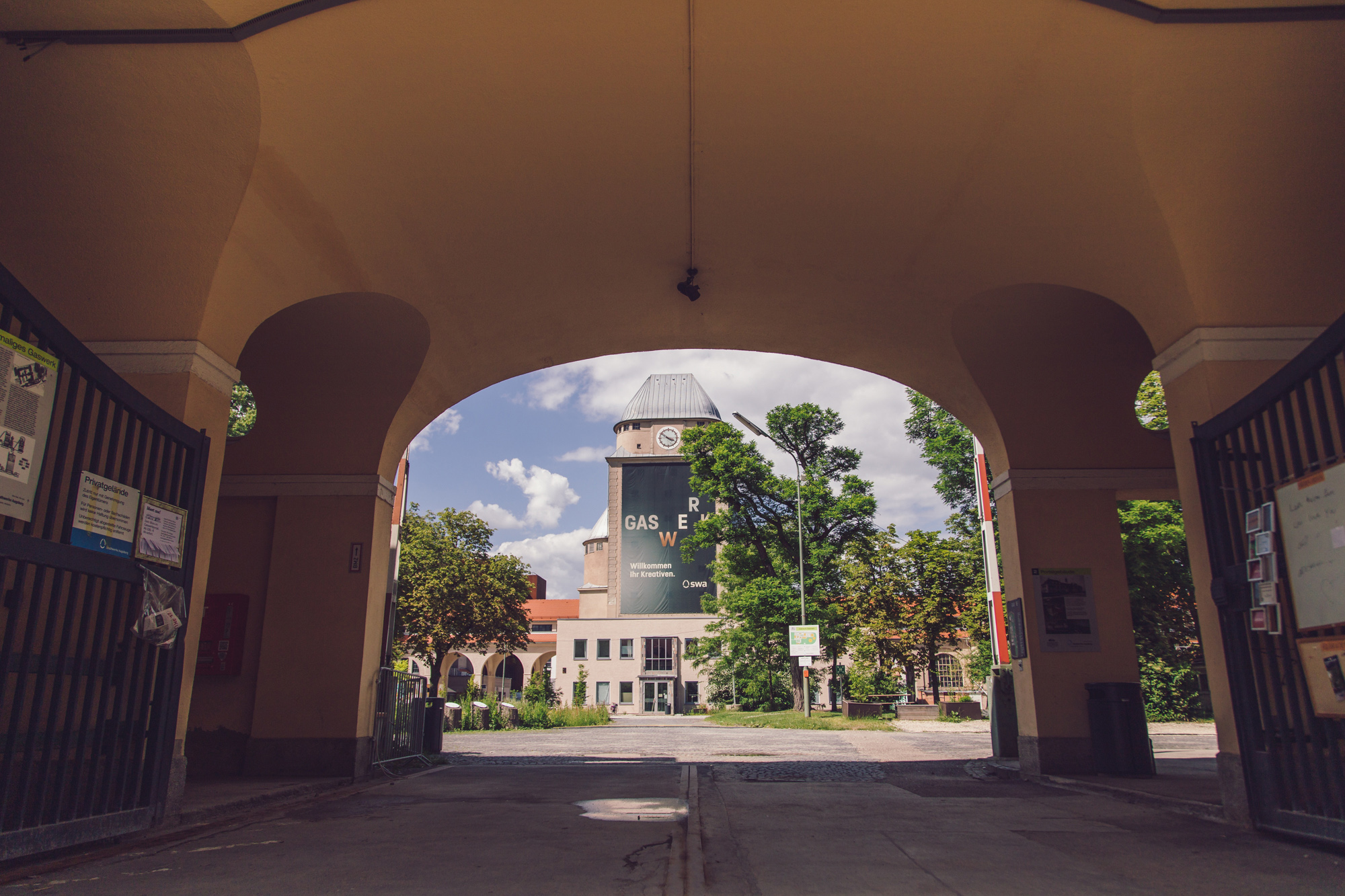
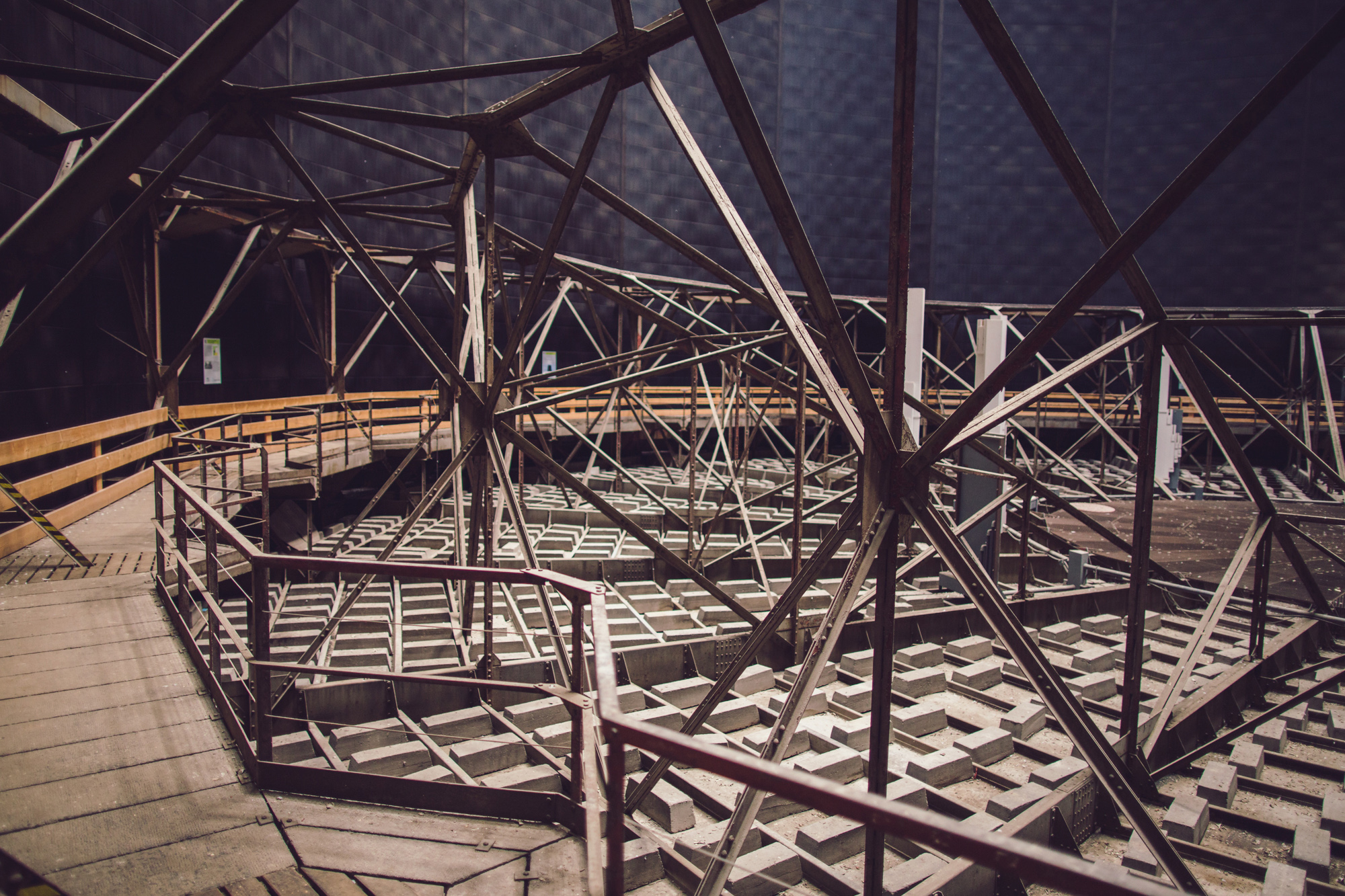
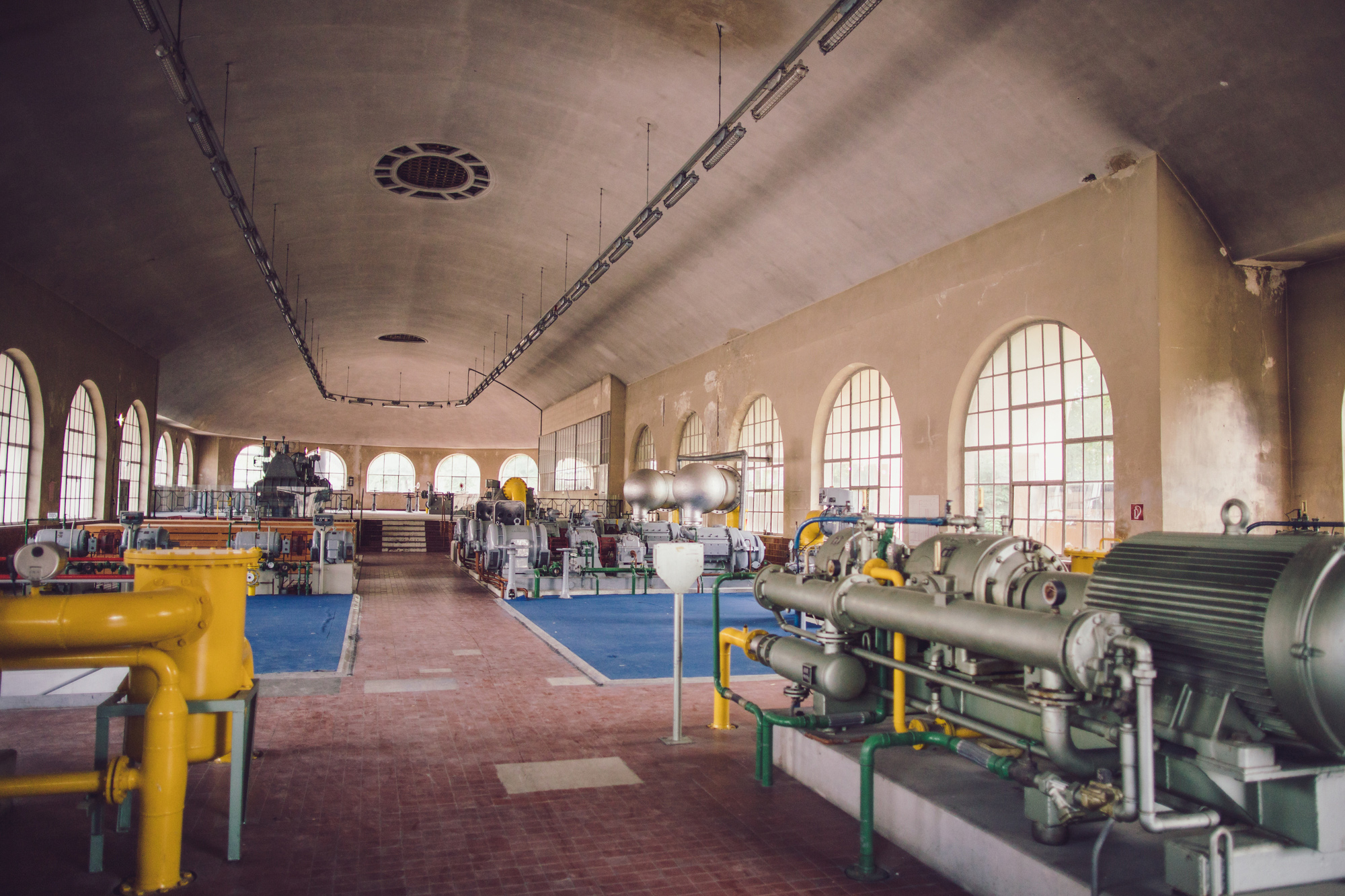
Visible from afar is the large cylindrical gas storage tank—built in 1953 to meet the need for more gas storage, and today a striking architectural landmark on a 70,000-square-meter site with thirteen buildings. Gas has not been produced in the Oberhausen district since 2001. Nevertheless, there’s a lot going on at the Augsburg Gas Works. The site is evolving into a space for exchange by bringing together the creative industries and cultural offerings in a way that is unique to Augsburg. And it can serve as an example for other cities that are developing new ideas from old industrial sites and leveraging their own unique structural characteristics. “A laboratory for the future,” as the website puts it. A place where culture and business converge, where creative professionals network, and where the unique site itself provides inspiration.
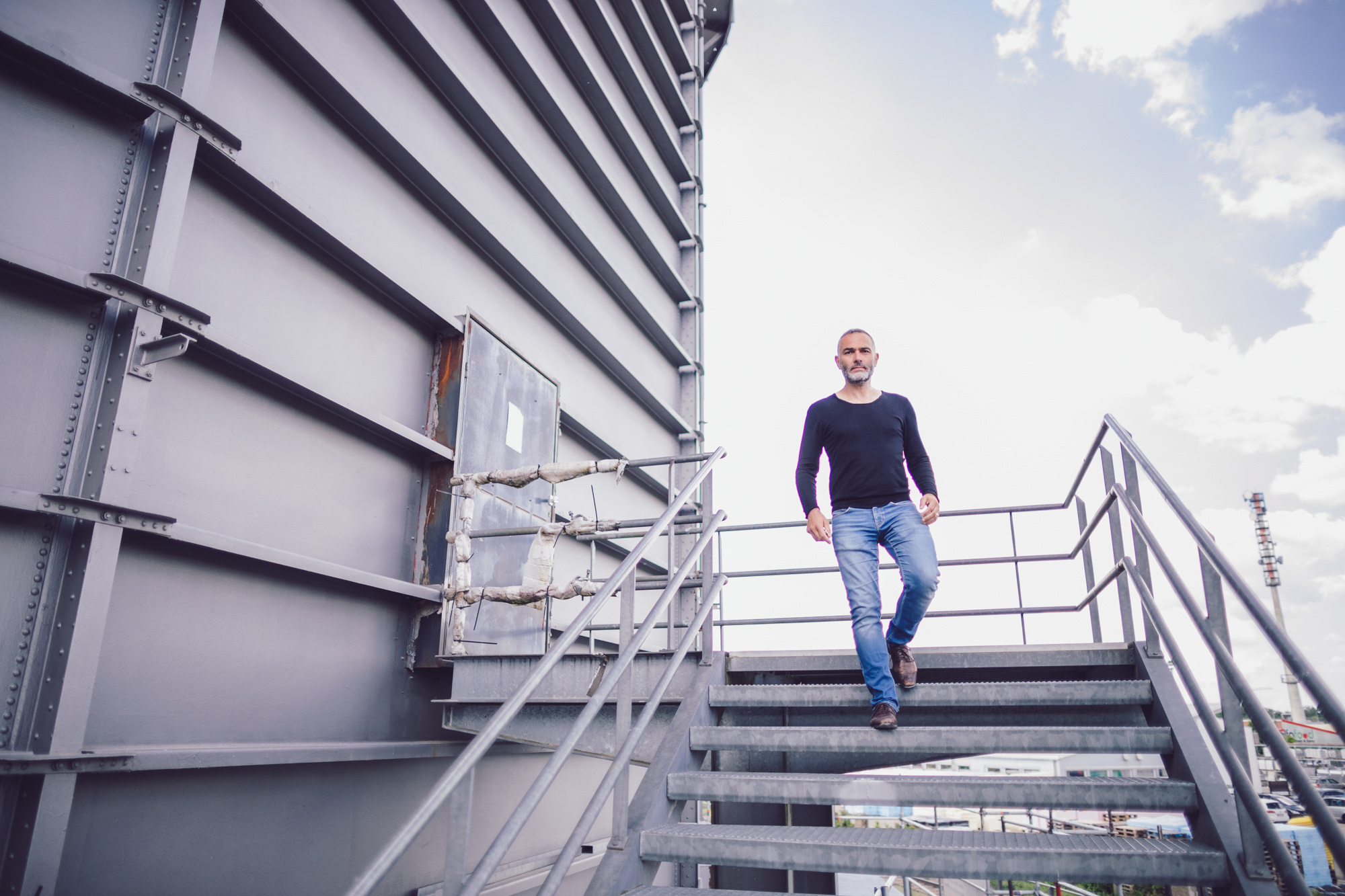
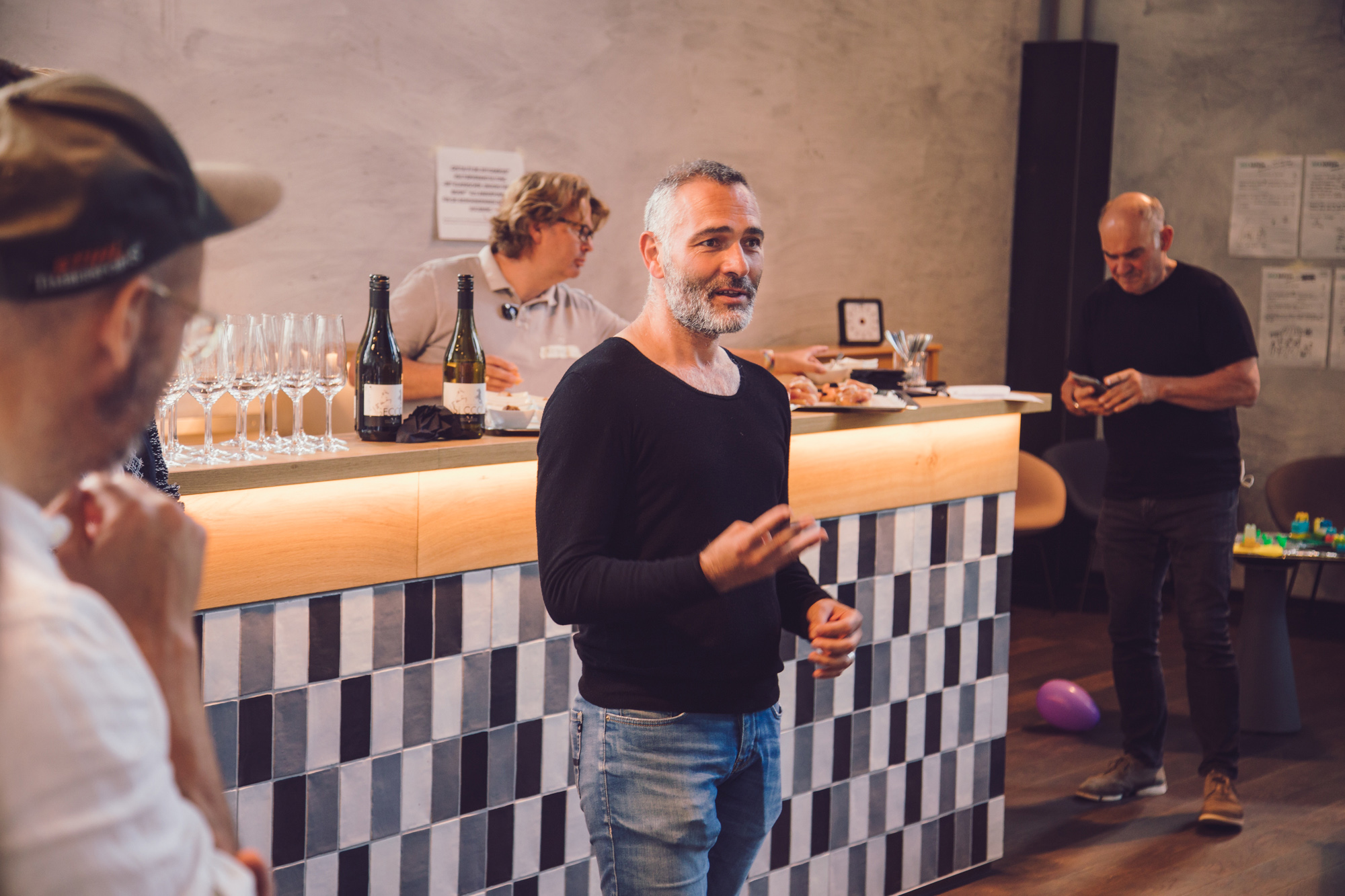
“The cultural and creative industries in Augsburg are highly profitable,” says Nihat Anac. The 43-year-old is the general manager responsible for the entire Gaswerk site at swa. The swa Group currently employs around 2,000 people. “Interest and demand are very strong. The mix of cultural professionals and the creative industries—including advertising professionals and coworking spaces—is exactly what we envisioned at the start of the transformation six years ago,” explains swa Managing Director Alfred Müllner. “This development is a dynamic process involving everyone involved.”
Successful, Diverse, and Small-Scale
In fact, with cultural and creative industries accounting for over 10 percent of the total economy, Augsburg ranks among the strongest urban centers in Bavaria and throughout Germany. “The sector in Augsburg consists of over 1,096 companies employing 4,851 workers subject to social insurance contributions,” says Jürgen K. Enninger. The 53-year-old is the City of Augsburg’s Director of Culture, World Heritage, and Sports. Annual revenue totals around 600 million euros.
“The creative industries in Augsburg are very successful, very diverse, very heterogeneous, and highly fragmented,” says Jürgen K. Enninger, describing the regional sector. Synergies arise through the architects at the University of Augsburg, Klassik Radio—which moved its broadcasting center and headquarters from Hamburg to Augsburg less than a year ago—and, of course, the live music business, which accounts for half of the revenue in the music industry.
Some time ago, the city of Augsburg teamed up with other German cities to conduct a study examining the economic significance of music. The results were published a year ago: The music industry in Augsburg generates 127.6 million euros in revenue, and over 1,900 people are employed within the music ecosystem. The city is fulfilling the responsibility toward this sector that emerged from this study through initiatives such as the Musicbox at the Gaswerk, a building with over 50 rehearsal rooms for musicians.
Building Networks, Fostering Connections
“What makes the Gaswerk special is this mix of festival space, plenty of music in the surrounding area, its connection to the neighborhood, its long and rich industrial history, the link to the Augsburg State Theater via the Brechtbühne, the small recording studios, and the coworking spaces,” says Enninger. “This entire creative industry ecosystem can be found there, with a strong sense of belonging to the neighborhood—but also with a very strong appeal that extends beyond the region.” He is firmly convinced that this will continue to solidify in the coming years. The Gaswerk has long since established itself in the urban context; it is particularly well-known as a festival venue. Networking, in particular, is expected to grow even more in the coming years because the Gaswerk simply offers the best conditions for it.
But according to Enninger, in addition to fostering exchange, the Gaswerk offers other advantages for creative professionals: Transportation connections are excellent, and rents for studios and office spaces at the Gaswerk are significantly lower than in the Bavarian capital, which is less than 60 kilometers away. In other words: Munich is close, but Munich’s rents are not. The goal is to foster a community on the Gaswerk grounds—one that benefits everyone: cultural professionals, creative professionals, agencies, companies, and entrepreneurs.
But how can we foster interaction across this large site? “We’ve organized several networking events—but that was before the pandemic,” says Anac. There are also open studios in collaboration with the City of Augsburg. Everyone from Augsburg and interested individuals from the surrounding area are also invited to stop by the Gaswerk premises. Various regular get-togethers also foster interaction.
The aforementioned Musicbox is part of the Gaswerk complex that demonstrates how the creative industries and culture come together: Spread across four of the five floors are 51 rehearsal spaces for musicians of a wide variety of genres. It all depends on every sector, says Anac, “just like in an orchestra.” If four or five different players are missing, the whole piece doesn’t sound like what it’s supposed to be. All segments of the creative economy are therefore important. “Although music certainly plays a major role.” The advertising market and the software and games market are major segments—followed closely by the music industry.
"Not all festivals are the same"
In addition to its spaces for the creative industries and cultural exchange, the Gaswerk Augsburg has long since made a name for itself beyond the city limits as the venue for the renowned youth culture festival “Modular.” It just took place again in June—with an impressive lineup: Alongside well-known acts like Bilderbuch and Haiyti, promising musicians such as Betterov and Nina Chuba performed. “Not all festival grounds are created equal,” says Patrick Jung. The 33-year-old is the director of the Modular Festival, the largest non-commercial youth and pop culture festival in the Augsburg region. Since 2019, it has been held on the grounds of the Gaswerk, organized by the Stadtjugendring and sponsored by the City of Augsburg. In addition to the concerts, there are workshops and panel discussions. This year, around 27,000 visitors attended the festival.
According to Jung, the move of the festival to the gasworks site didn’t become a concrete plan until 2017, even though the city community had been considering it before then. “In 2018, we then worked intensively for the first time to ensure that this move could be accomplished a year later.” Jung and his team are very grateful for the creative freedom offered by the Gaswerk grounds. The developers of the Gaswerk incorporated the festival’s requirements into their plans and development measures for the site.
The close collaboration between Stadtwerke and the Modular Festival is paying off. For example, this ensured that there would be enough power outlets available. And it means that not only headliners like the bands Giant Rooks and Bilderbuch can perform on the grounds, but private-sector productions can also take place there. “We got involved in the ecosystem of both swa KreativWerk and Stadtwerke, sitting down with construction planners and architects. What was achieved there has a lot to do with establishing a foundational framework.” Sometimes it was the Modular Festival team itself that first met with the authorities to secure access to certain parts of the site for the festival—since the gasworks remains a protected historic landmark to this day.
For Jung, it is precisely this state of flux that defines the Gaswerk: “Because everything is still in flux, you can help shape it yourself and have the opportunity to change things. And that’s what sets the creative industries apart. It’s a fundamental and central locational advantage.” This allows the Modular Festival to create unique selling points that other festivals don’t offer. The atmosphere on the grounds also plays an important role—the only other venue in Germany with a similar character is Ferropolis, a venue in Gräfenhainichen that hosts Splash!, the country’s largest hip-hop festival.
Initial Impulse from the Brechtbühne
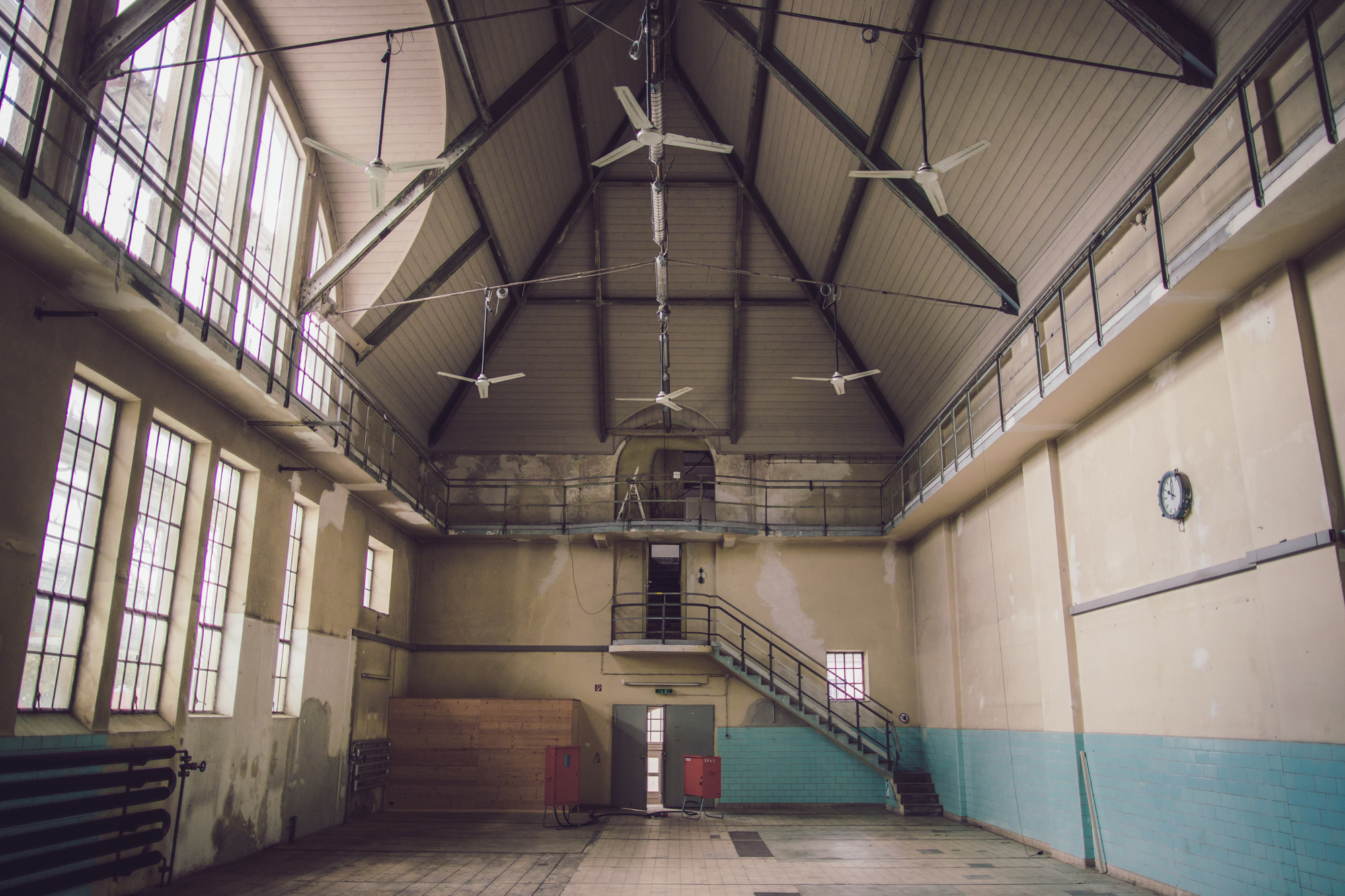
But the gasworks has even more to offer—such as ballet evenings and theater performances. Immediately after construction was completed on the furnace house, the Brechtbühne of the Augsburg State Theater moved in there. In addition to productions, the 5,500-square-meter space houses workshops and a dedicated ballet studio.
As the city itself notes, this has been an initial and important boost for the Gaswerk and the cultural scene. The Brechtbühne will remain in the Ofenhaus until the renovation of the theater in the city center is complete.
The past two years of the COVID-19 pandemic slowed down the development of the Gaswerk—so for Nihat Anac, the best moment on the grounds was when the Modular Festival opened its doors this year: “All of a sudden, there were around 7,000 people in front of the stage, partying and dancing. That was so breathtaking.” Because after all that time, it felt so unusually normal. But Anac also mentions the moment of the grand opening—in January 2019. The Gaswerk handed over the spaces to the State Theater and the restaurant operator. Anac has already been to the Ofenhaus restaurant with many guests. “They all said: When you’re brought here, you don’t know where you are—New York or Berlin? But no one would expect a restaurant like this in Augsburg.”
“And that’s what’s so great about this site.” Anyone looking at the Gaswerk site today can see: This is a significant hub for the creative industries, where unique and inspiring things are taking shape. A place of transformation, in other words. For the site itself and for the people who work there and who make this space possible in the first place.