
Energy efficiency starts with good connections
The Bavarian Energy Efficiency Network Initiative (BEEN-i) brings together people, ideas, and new perspectives to promote greater energy efficiency
October 30, 2026
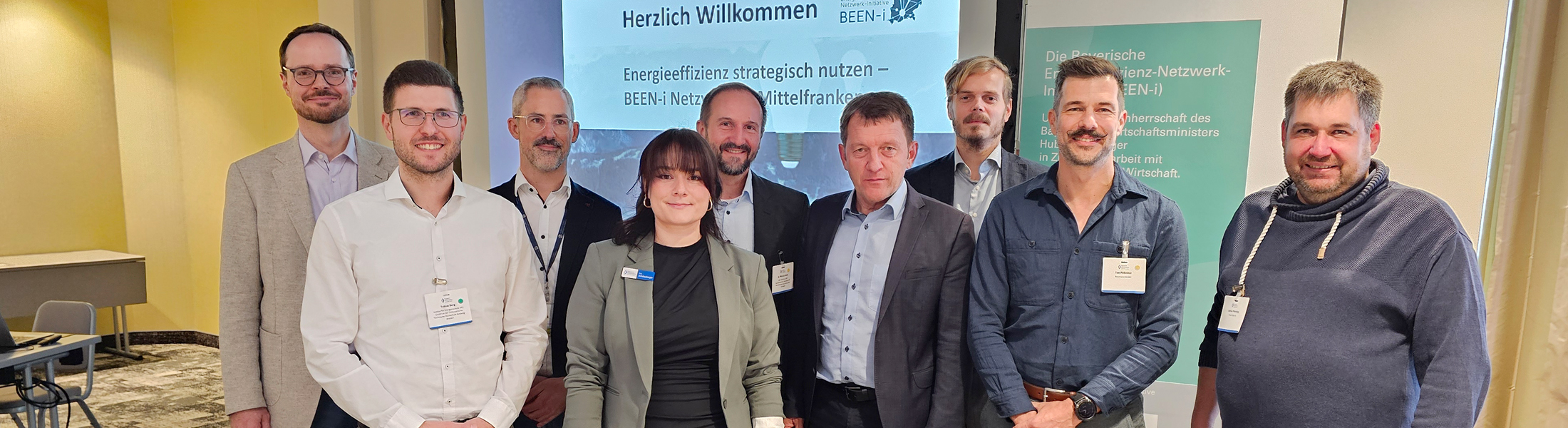
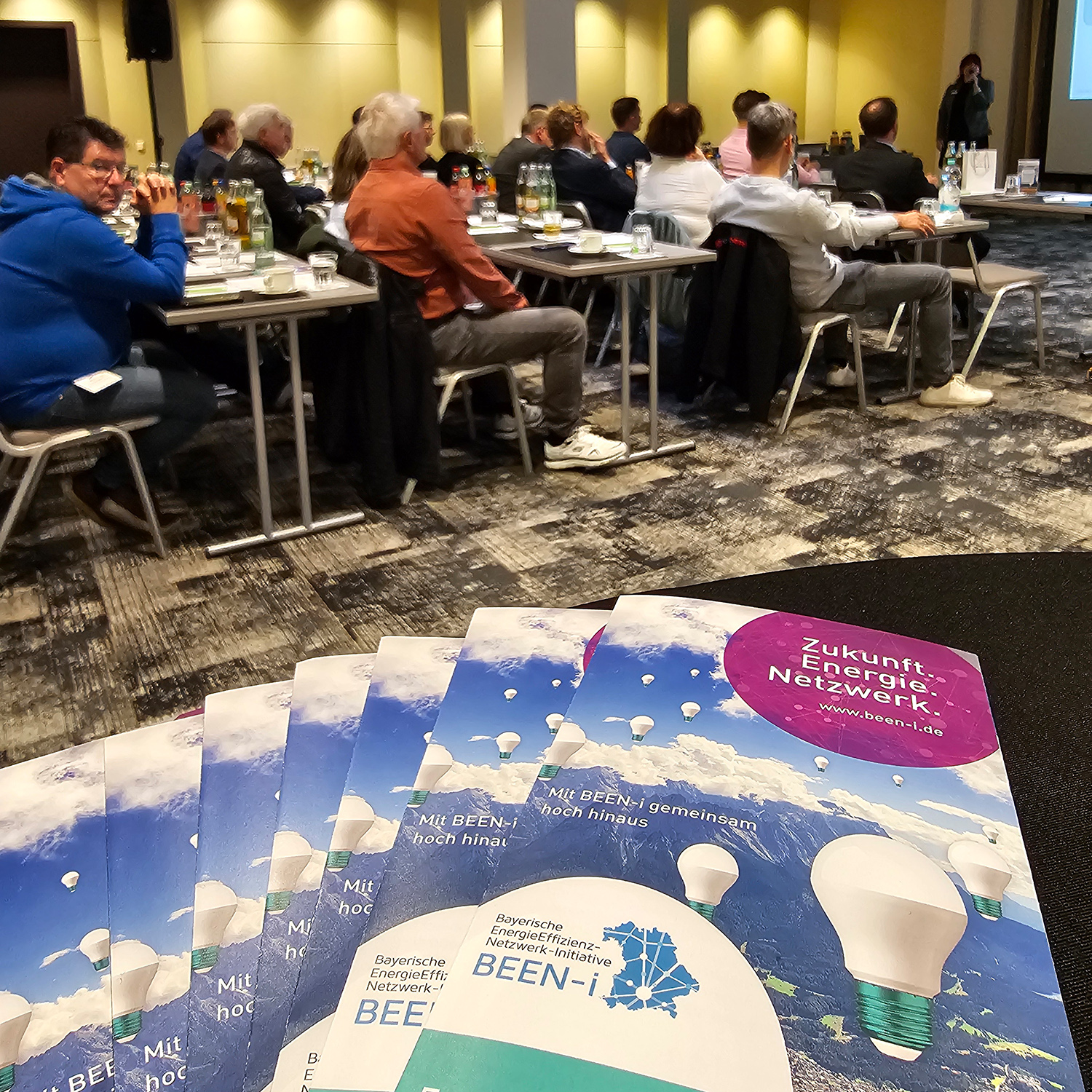
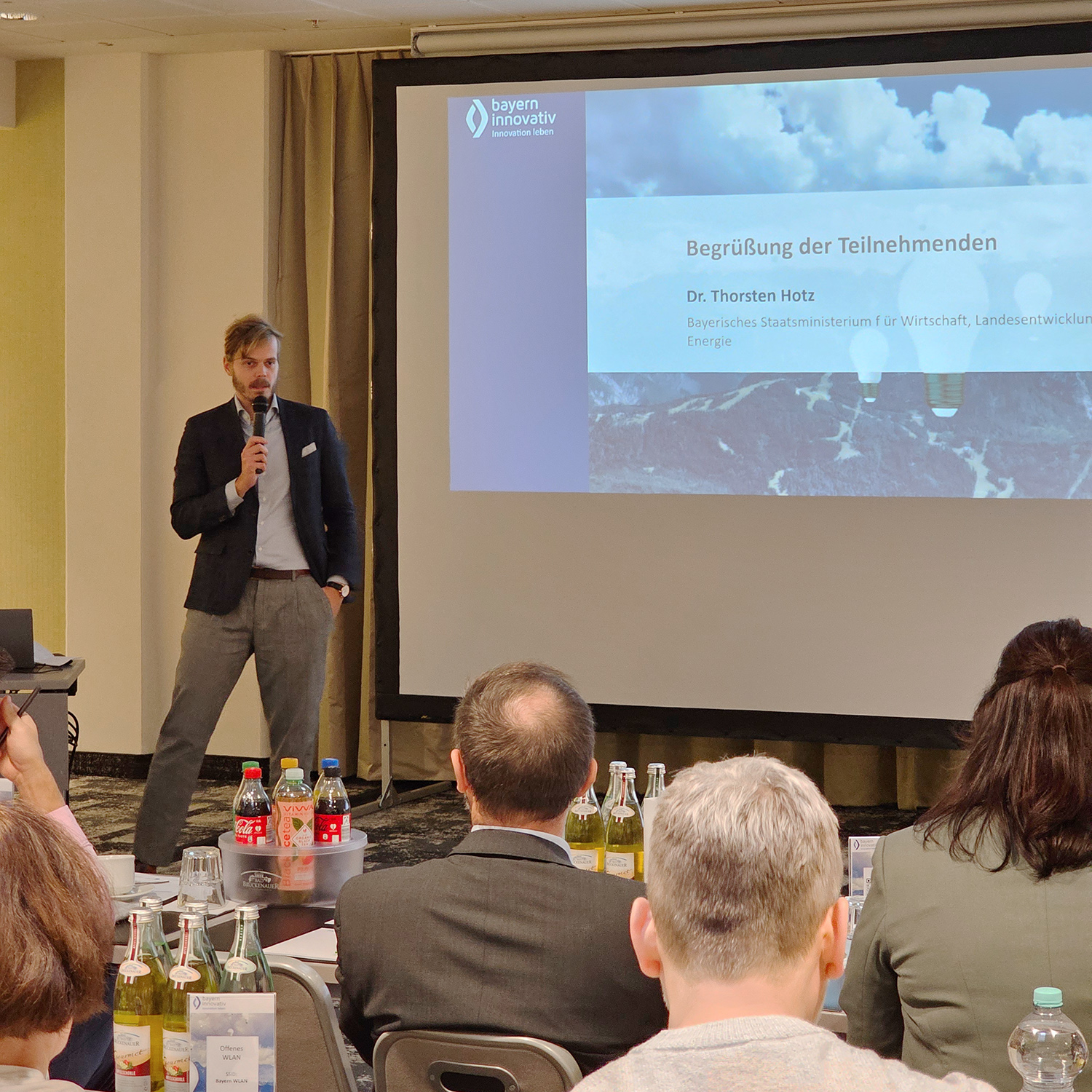
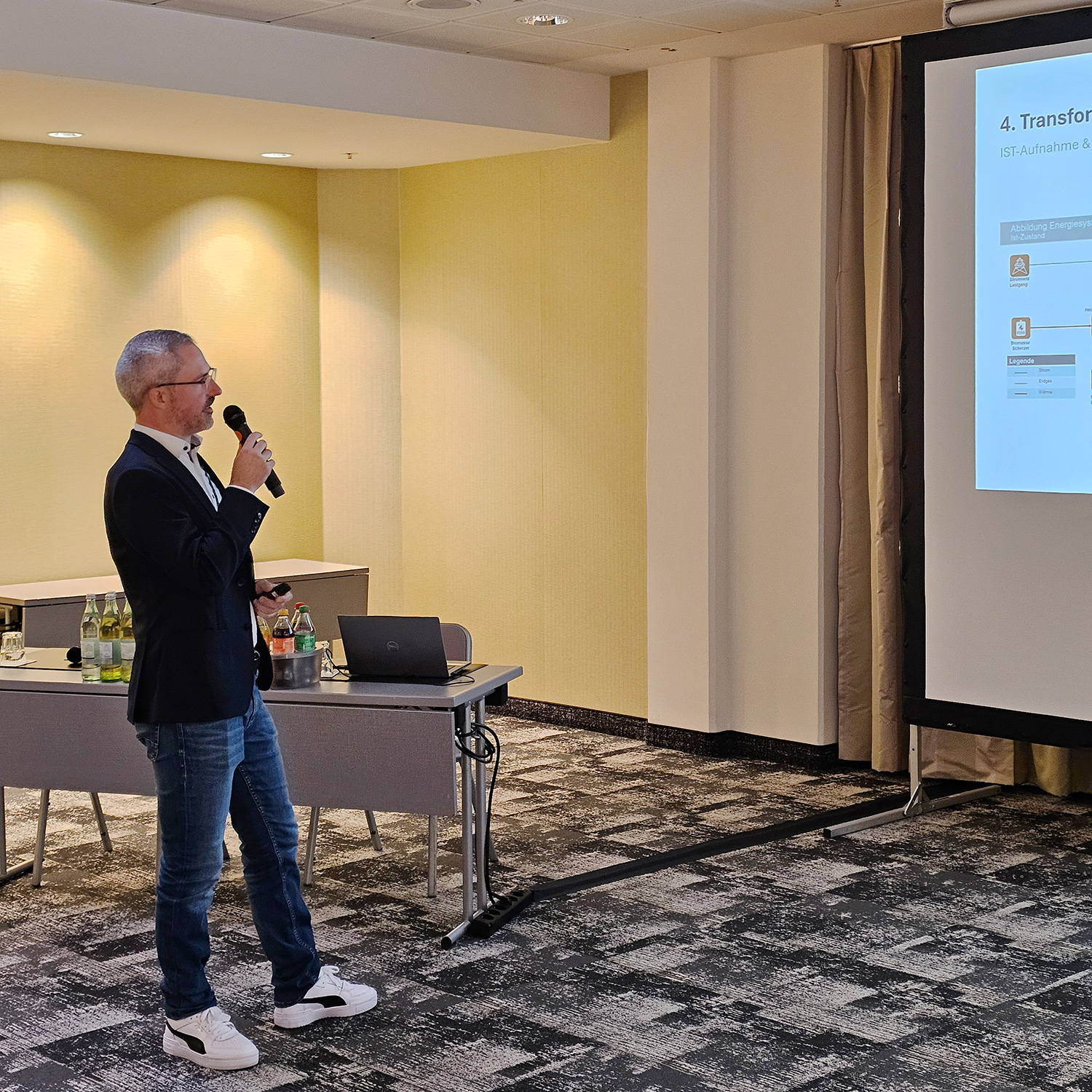
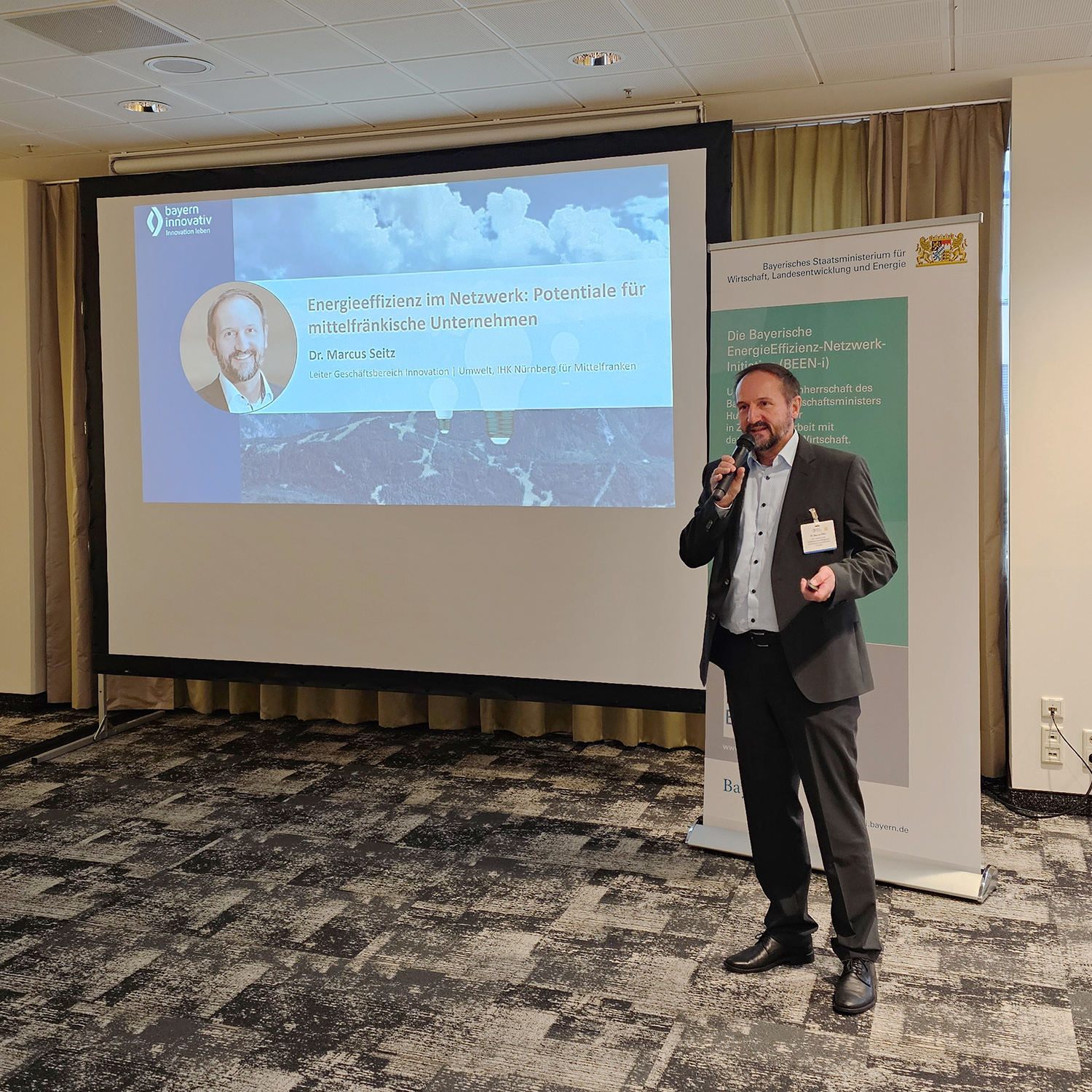
How can companies strategically leverage energy efficiency? This was the focus of the BEEN-i project event held on October 28, 2026, at Albrecht Dürer Airport in Nuremberg. Experts and companies came together to gain insights, share experiences, and make new connections—all with one major goal: to establish a new BEEN-i network in Middle Franconia.
Five Insights from Real-World Experience
1. Sharing experiences accelerates implementation
Companies can benefit from tried-and-tested solutions used by others instead of tackling technical and organizational challenges on their own. This exchange provides guidance, can reduce uncertainty, and supports the implementation of energy efficiency measures.
Stefan Pfenning, Senior Project Manager for Energy at Knauf Gips KG, highlighted the added value of networking: Companies can, for example, exchange information on new technologies, funding opportunities, and legal requirements. The example of Knauf’s compressed air supply system illustrates how important a systematic approach is. First, potential savings are analyzed and leaks are eliminated. The presented concept also includes sensors on compressors, at the plant level, and at consumption points, as well as active leak management.
Other companies’ experiences with technologies and implementation processes can help find suitable solutions more quickly and avoid mistakes.
2. Energy efficiency is also a key to business success
Energy efficiency is not just a matter of sustainability. Smart energy systems, optimized management of peak loads, and better utilization of self-generated electricity can also unlock economic potential.
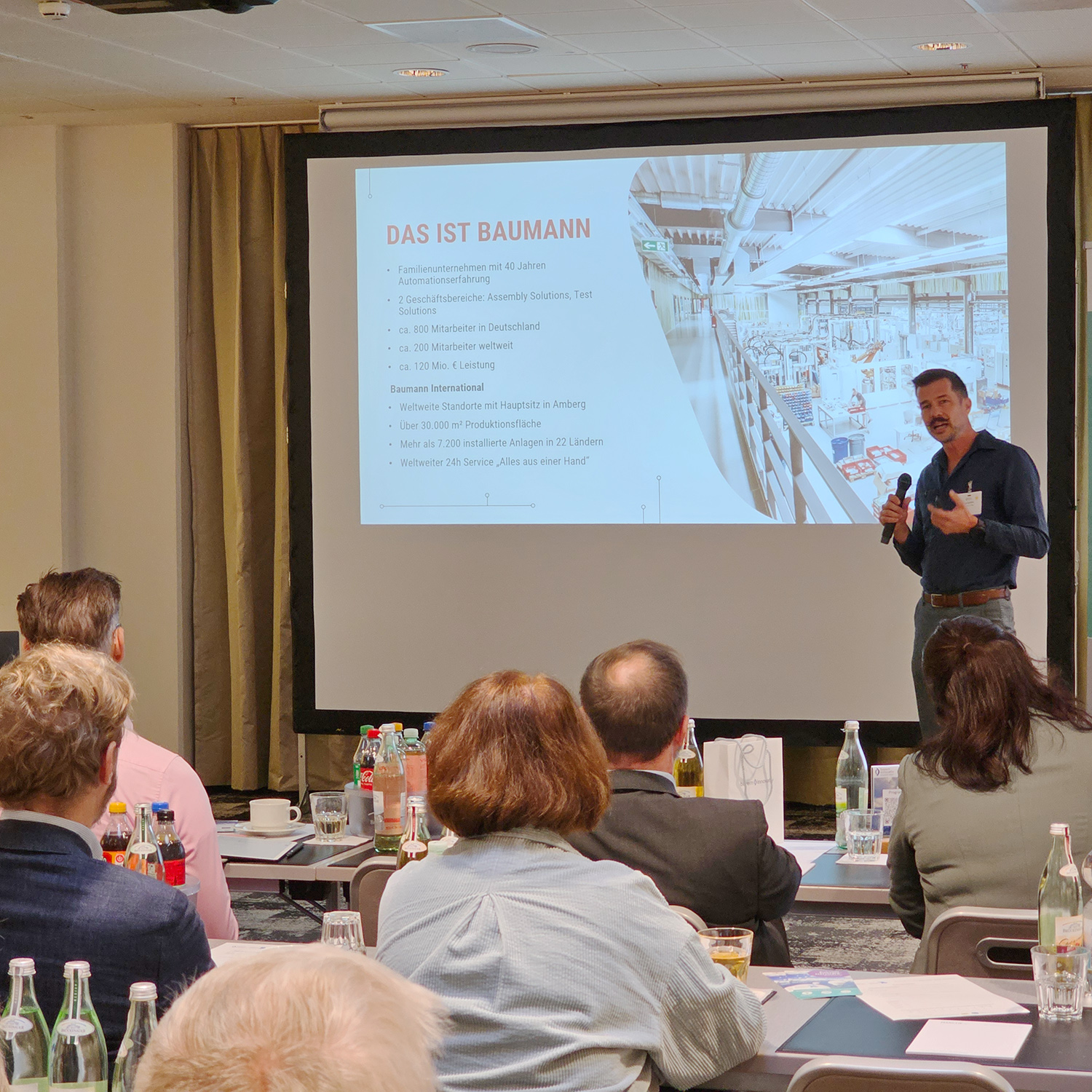
Tim Pößniker, Head of Facility Management and Occupational Safety at Baumann GmbH, presented a battery storage system with a storage capacity of 1.2 MWh and a storage power of 740 kW. The total output of the photovoltaic system is 580 kW. The system combines several applications: optimizing self-consumption of PV-generated electricity, off-peak grid usage, and cost-optimized electricity procurement. Forecasts, real-time control, and ongoing adjustments are designed to help minimize costs.
At Baumann, too, networks provide input and added value by facilitating the exchange of information on implemented efficiency measures and regulatory developments, including topics such as storage systems and grid fees. This example demonstrates how energy management and economic optimization can be integrated.
3. Turning Knowledge into Concrete Actions
Energy efficiency takes effect when analyses and concepts are turned into concrete projects. Patrick Wölfel, Head of Grid Operations at Flughafen Nürnberg Energie GmbH, demonstrated that even targeted technical measures can yield measurable savings.
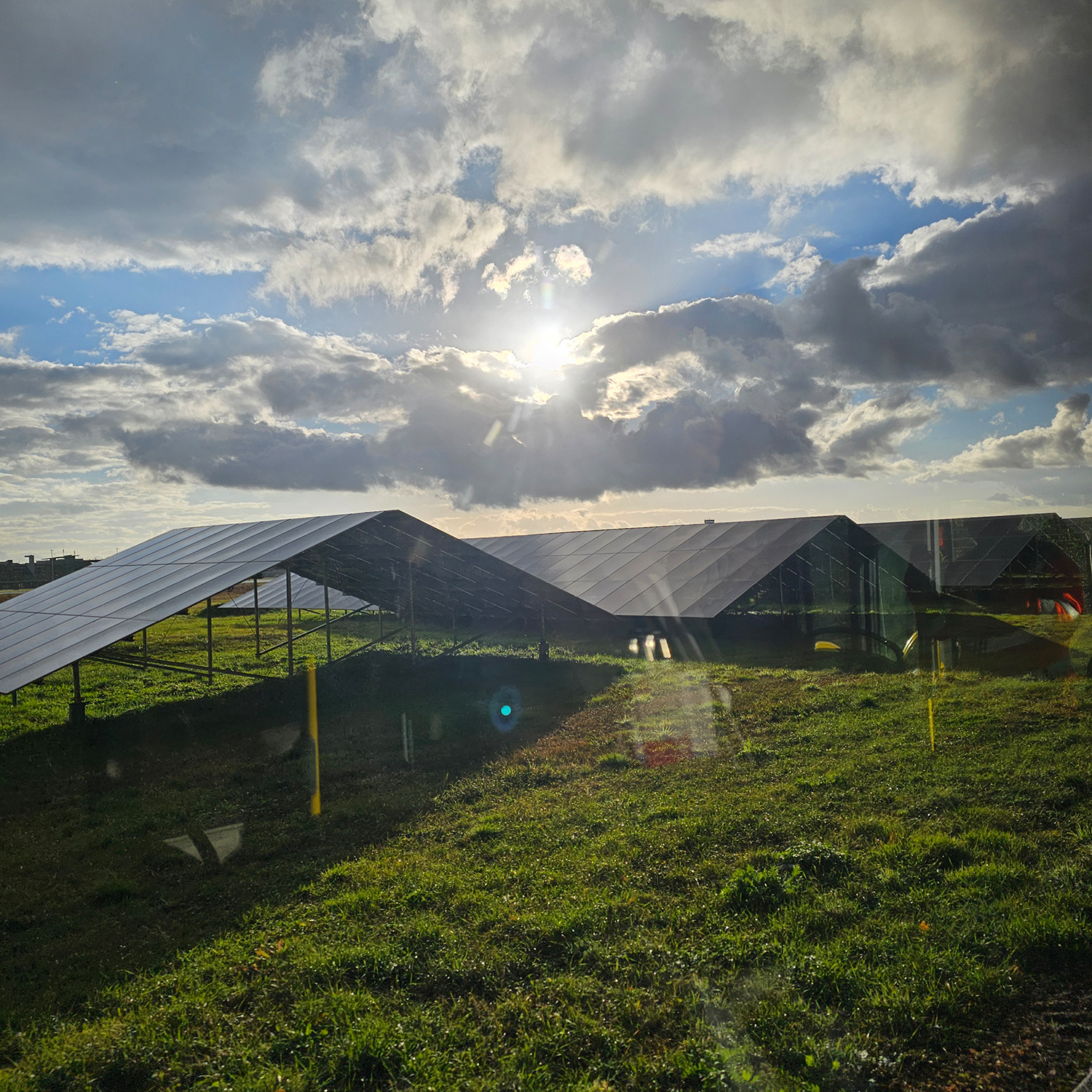
At Nuremberg Airport, the apron lighting was converted to LED technology. This saves approximately 550,000 kWh of electricity annually. In addition, eight Combi-Jets were retrofitted with battery packs, and four stationary power supplies were installed. This results in savings of approximately 55,000 liters of diesel or heating oil. Furthermore, the airport is pursuing a comprehensive transformation strategy for its energy supply, which includes, among other things, photovoltaics, battery storage, and district heating networks.
Wölfel emphasized that professional networks provide access to up-to-date information, tried-and-true solutions, and the experiences of other companies. This knowledge transfer can help companies further develop their energy management.
4. Cross-Industry Networking Opens Up New Perspectives
Looking beyond one’s own corporate context can provide new inspiration. At Nuremberg Airport, for example, the focus is on district heating networks, the electrification of fleet vehicles, and the integration of renewable energy. At Knauf, the focus includes energy-intensive production processes, compressed air systems, lighting, and the electrification of logistics.
Despite differing operational requirements, both companies are grappling with similar questions:
- Which technologies are suitable?
- How can potential savings be identified?
- What regulatory requirements must be taken into account?
Patrick Wölfel and Stefan Pfenning emphasized how valuable it can be to exchange ideas across industry and company boundaries. A solution from another company or industry can provide the impetus for improvements within one’s own organization.
5. Networks Create Long-Term Value
Energy efficiency is not a one-time project, but rather a continuous improvement process. Regular dialogue and up-to-date expertise help companies stay abreast of developments and further refine their strategy.
Nuremberg Airport is active in two professional networks. There, energy managers and technical specialists regularly exchange information on current developments, the requirements of DIN EN ISO 50001, and technical solutions such as heat pumps and energy storage systems. Baumann GmbH also uses networks to share experiences regarding implemented measures and new regulatory developments. Tim Pößniker mentioned, among other things, issues related to battery storage, charging infrastructure, and grid fees.
This allows companies to continuously gain new insights and adapt their energy efficiency strategies to technical, economic, and regulatory changes.

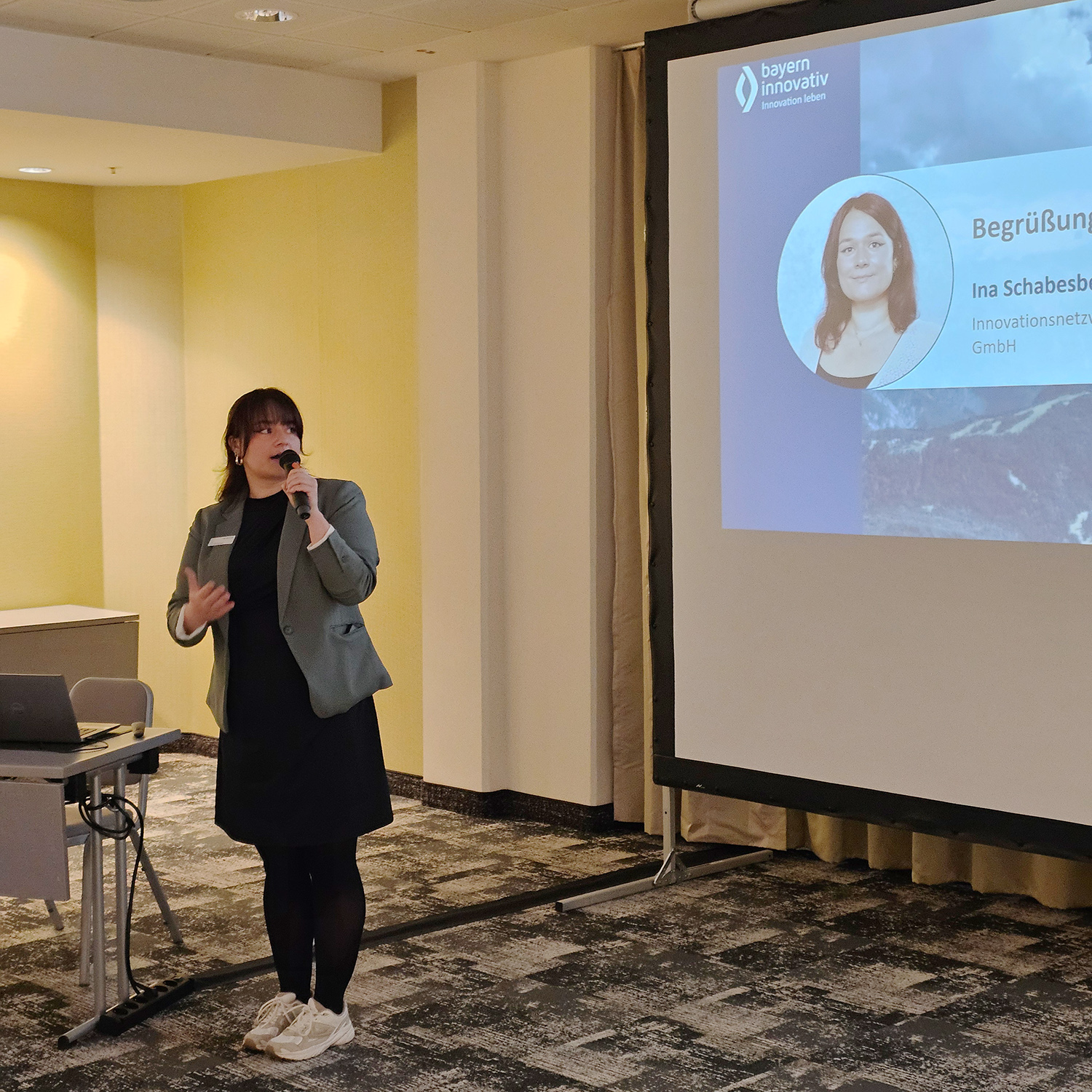
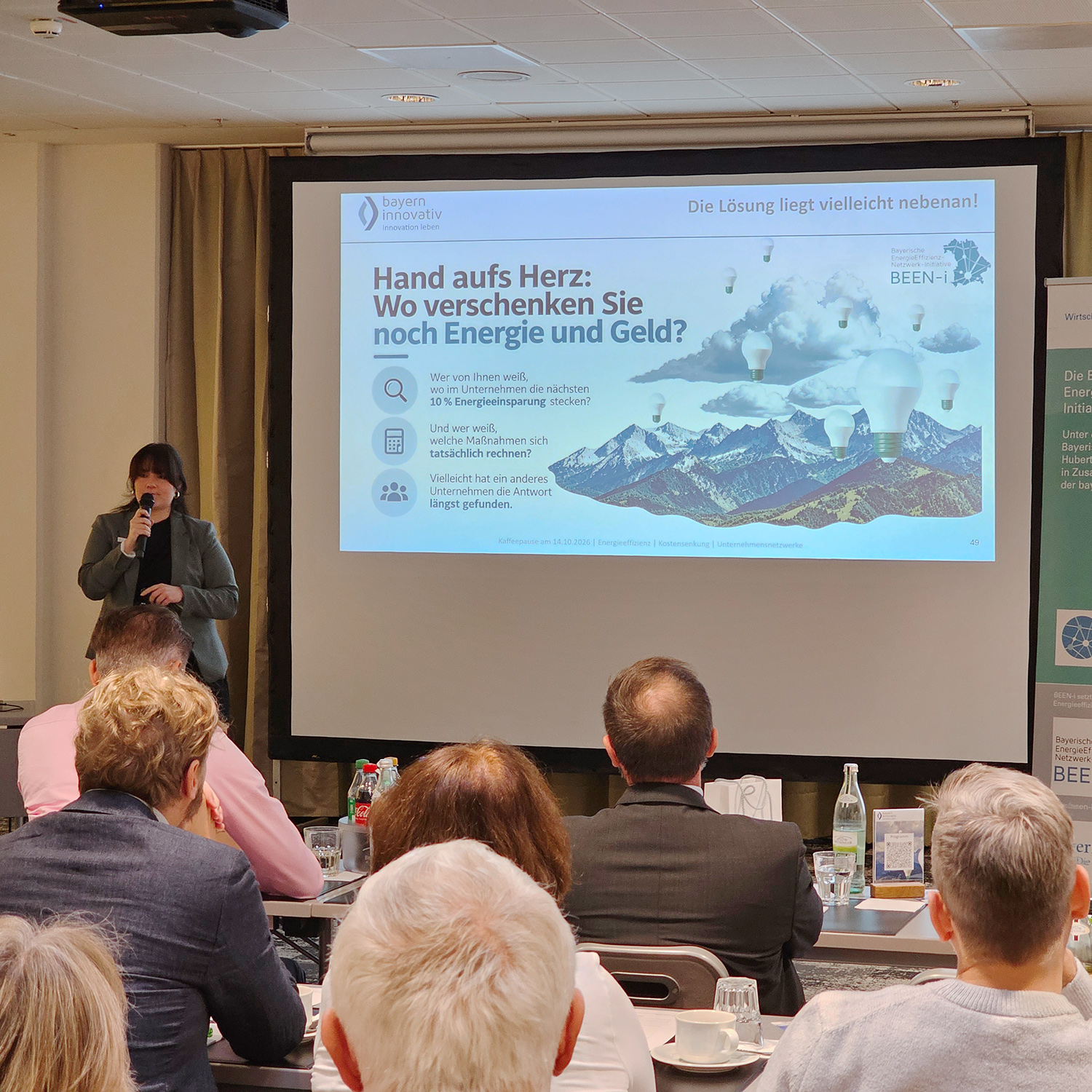
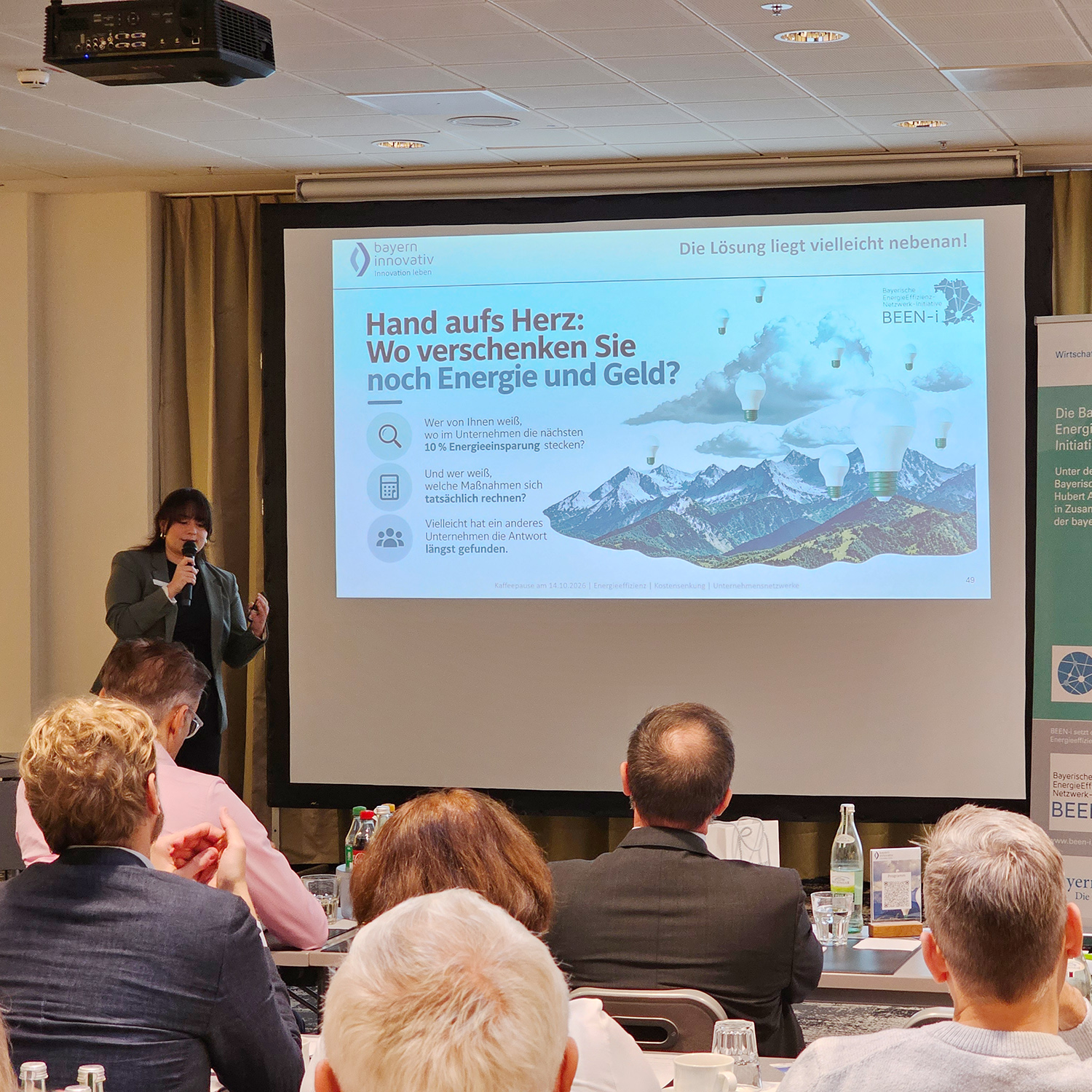
"The case studies have shown just how much potential there is in collaboration. When companies share their experiences, learn from one another, and pass on proven solutions, energy efficiency measures can be implemented more quickly and effectively. This is exactly the kind of added value we want to create with a new BEEN-i network in Middle Franconia."
Ina Schabesberger,
, Bayern Innovativ GmbH
Exchange That Brings People Together
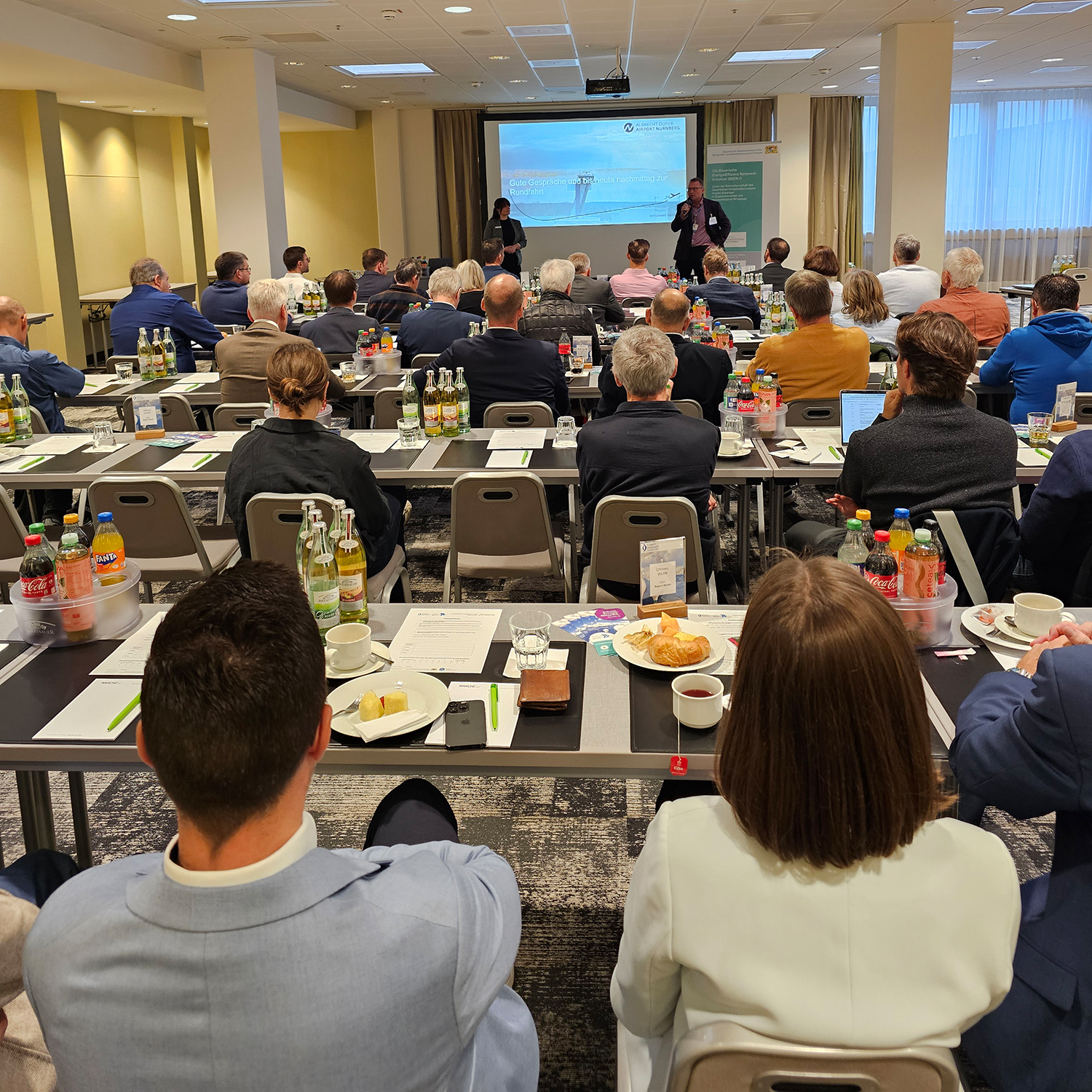
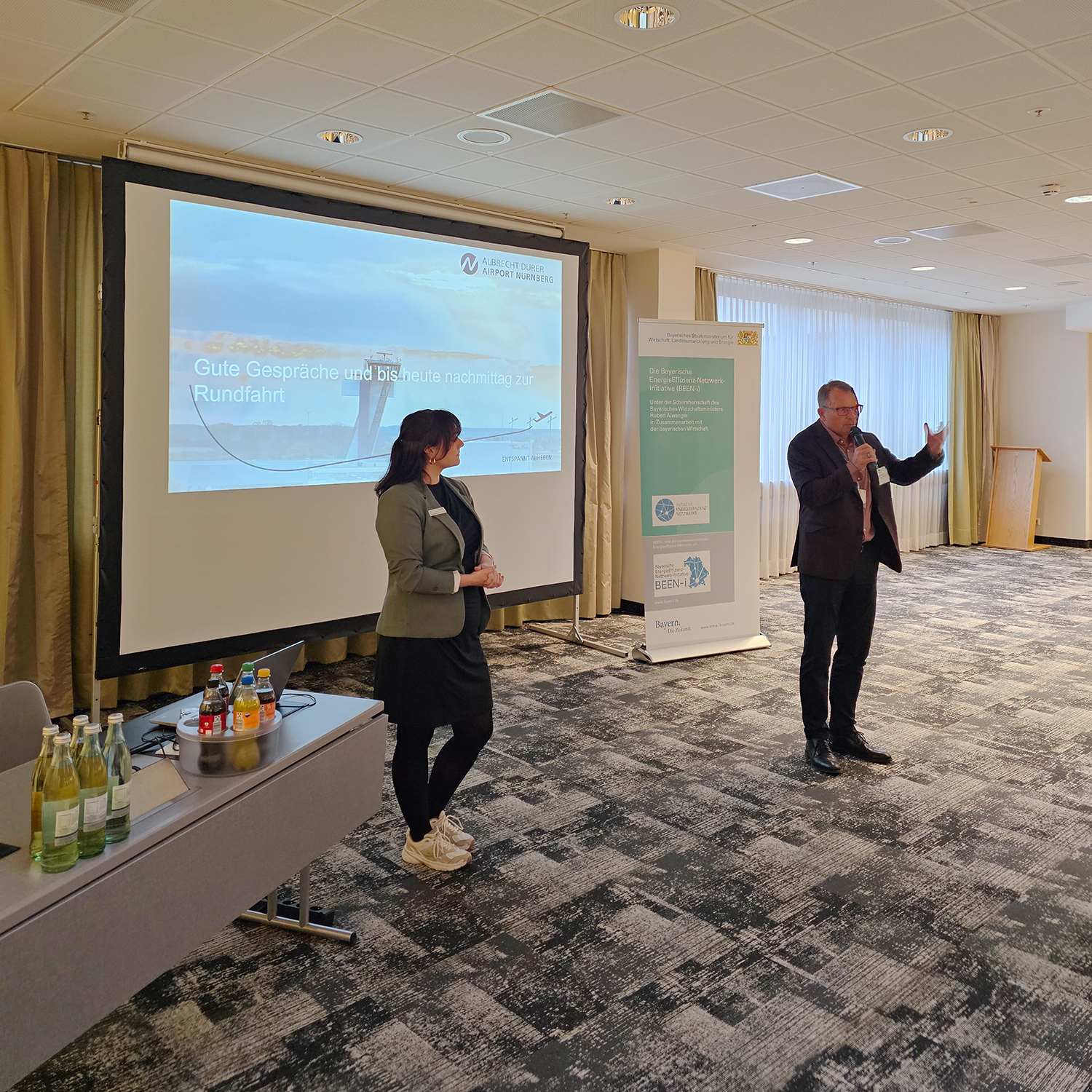
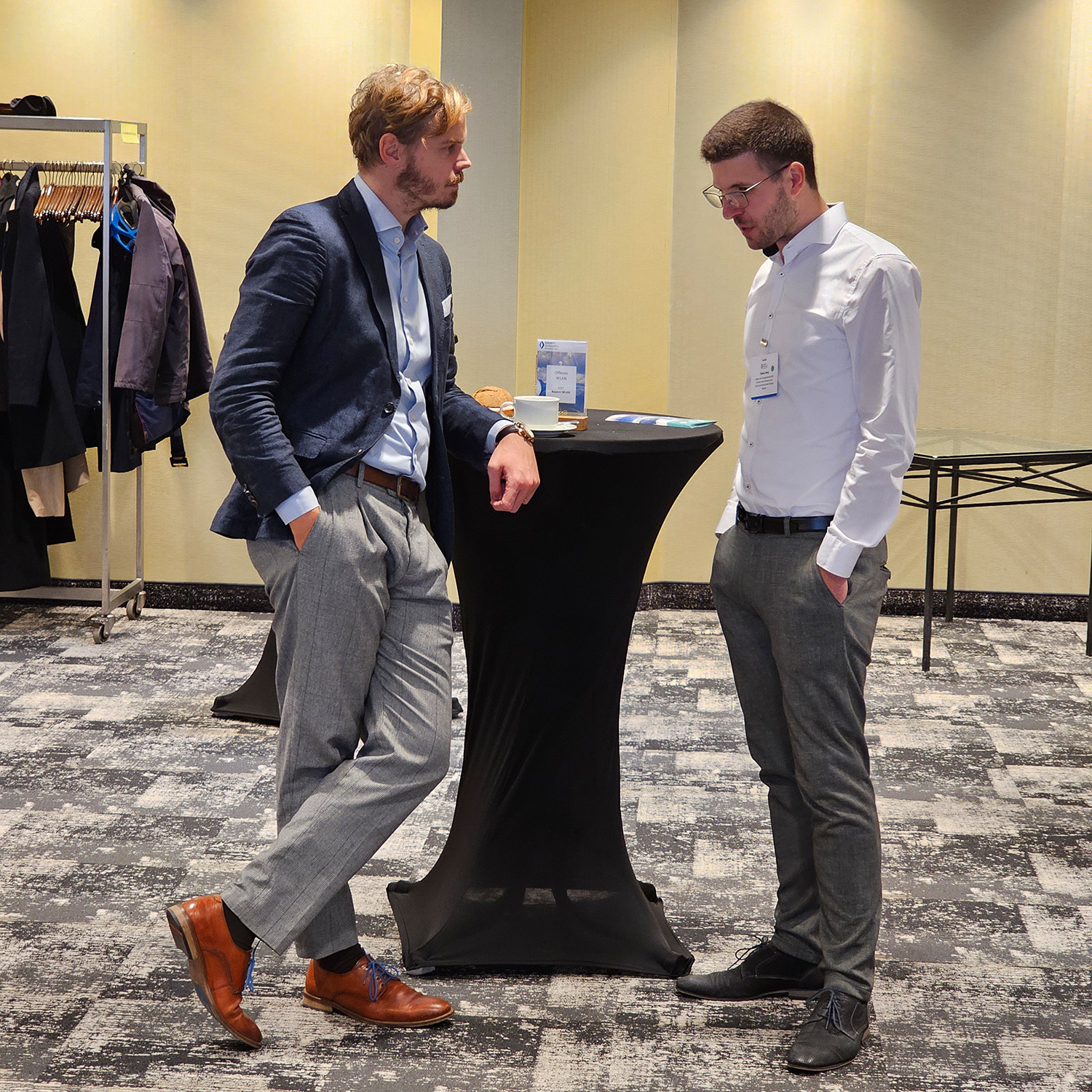
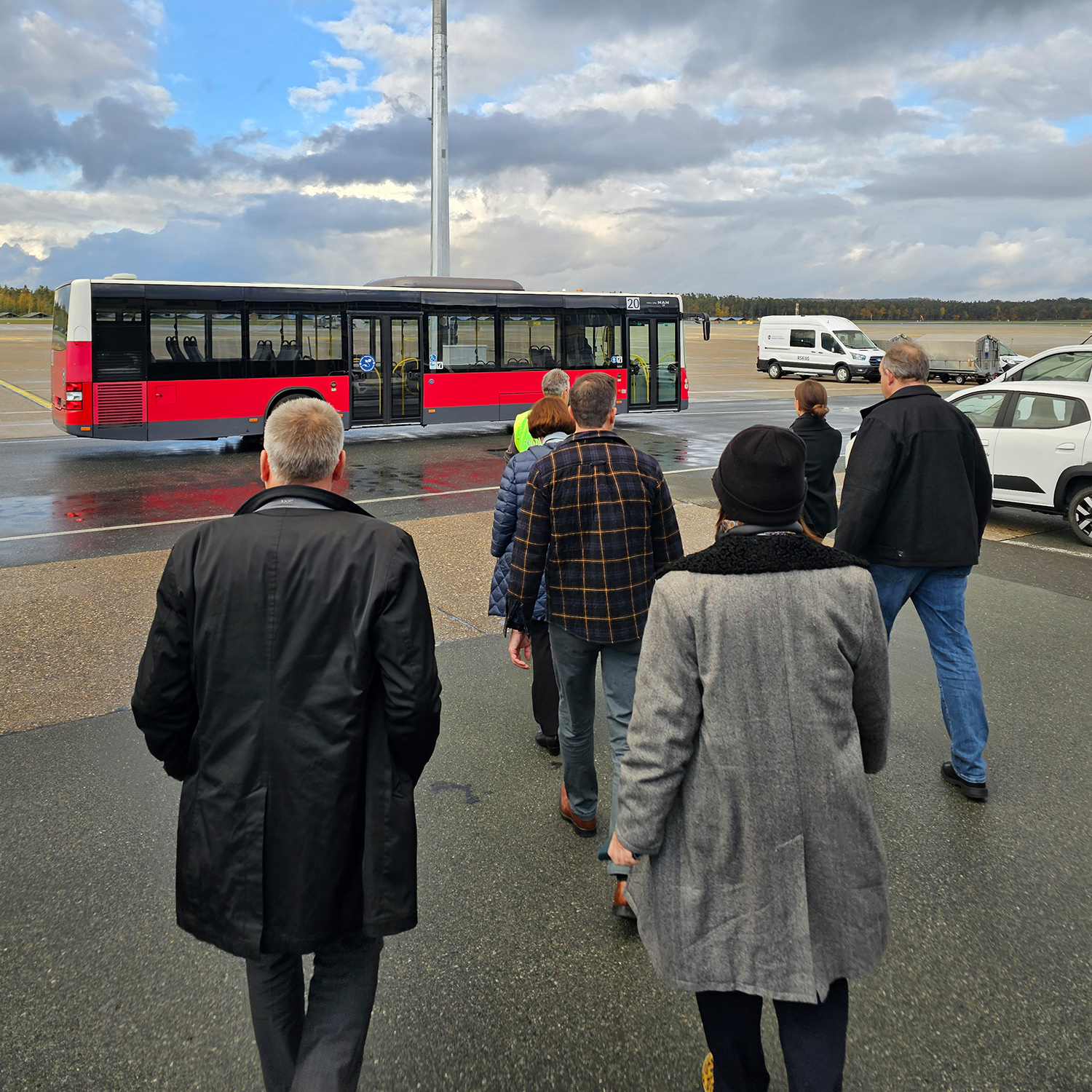
In addition to the technical presentations, the event provided an opportunity to engage in conversation and learn about perspectives from different companies and sectors. The venue at Nuremberg Airport served as the perfect real-world example of national and international connections extending beyond Nuremberg and Bavaria, and between people and ideas related to energy efficiency.
We would like to thank our host, Albrecht Dürer Airport Nuremberg, and all the speakers for their practical insights, as well as all participants for the open discussions and valuable input.
For more information on the networking initiative, please visit the BEEN-i project website. Would you like to share your success story with us? Then take advantage of the call for submissions for the 10th annual event on February 24, 2027, and get in touch with us.
Text: AI-edited
Your Contact


