A successful conclusion to the EDIH DigiCare project: DigiCare Day 2026
19.05.2026
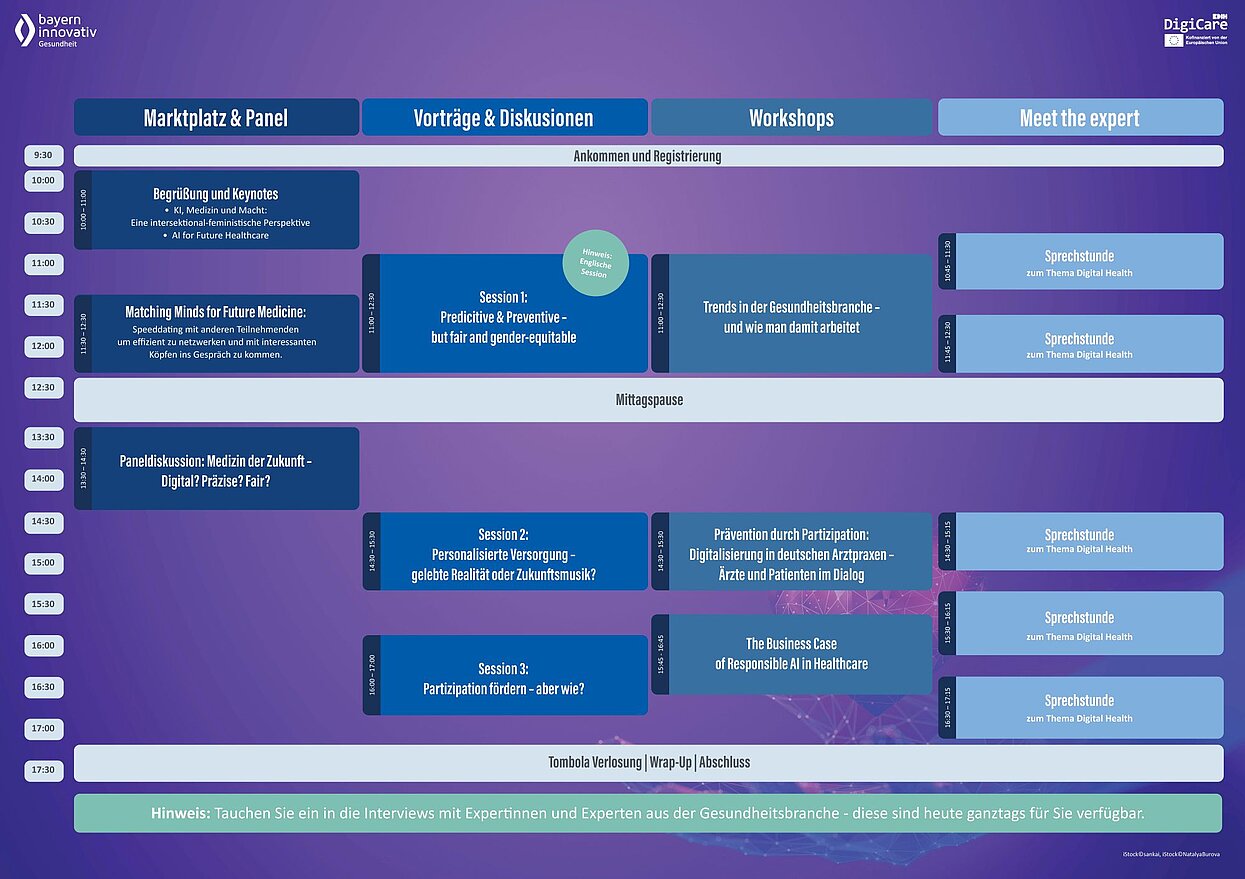
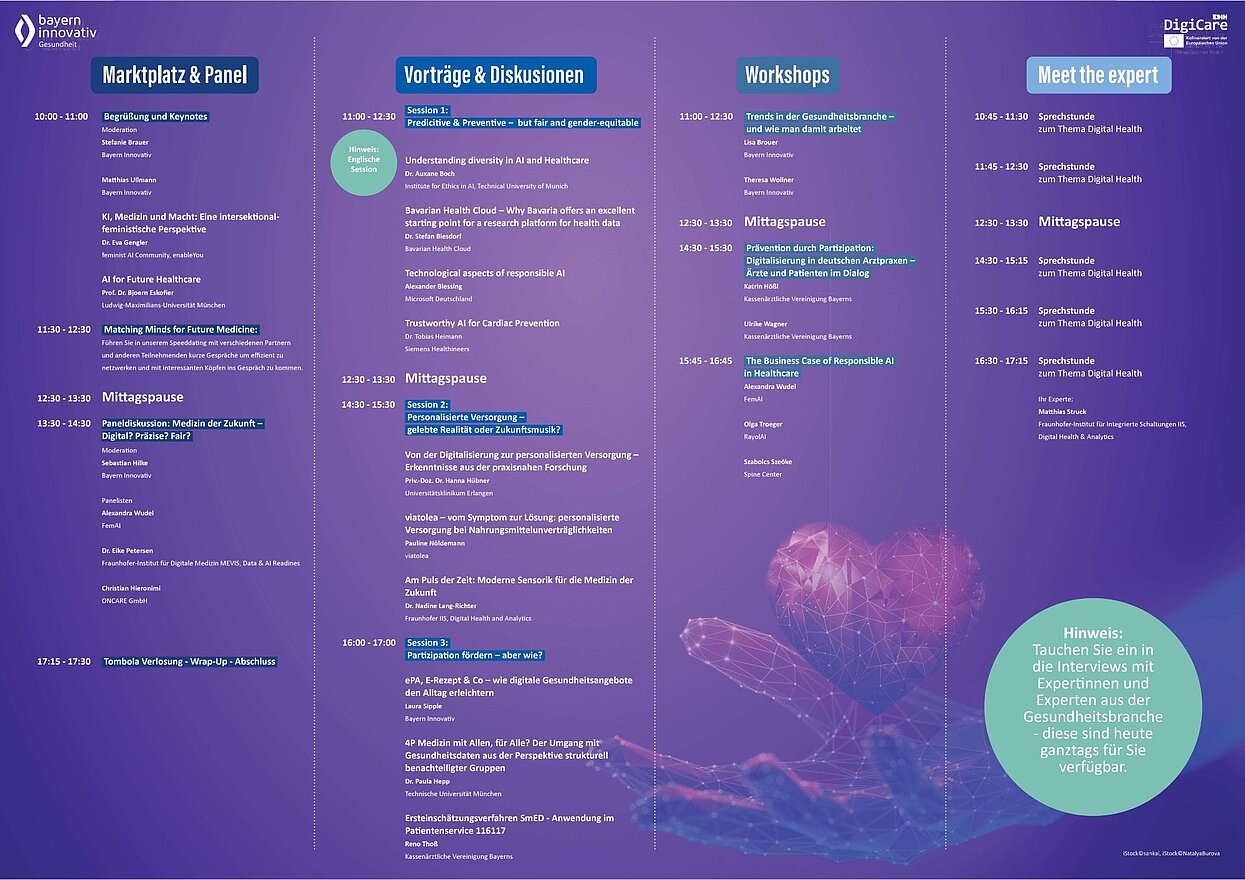
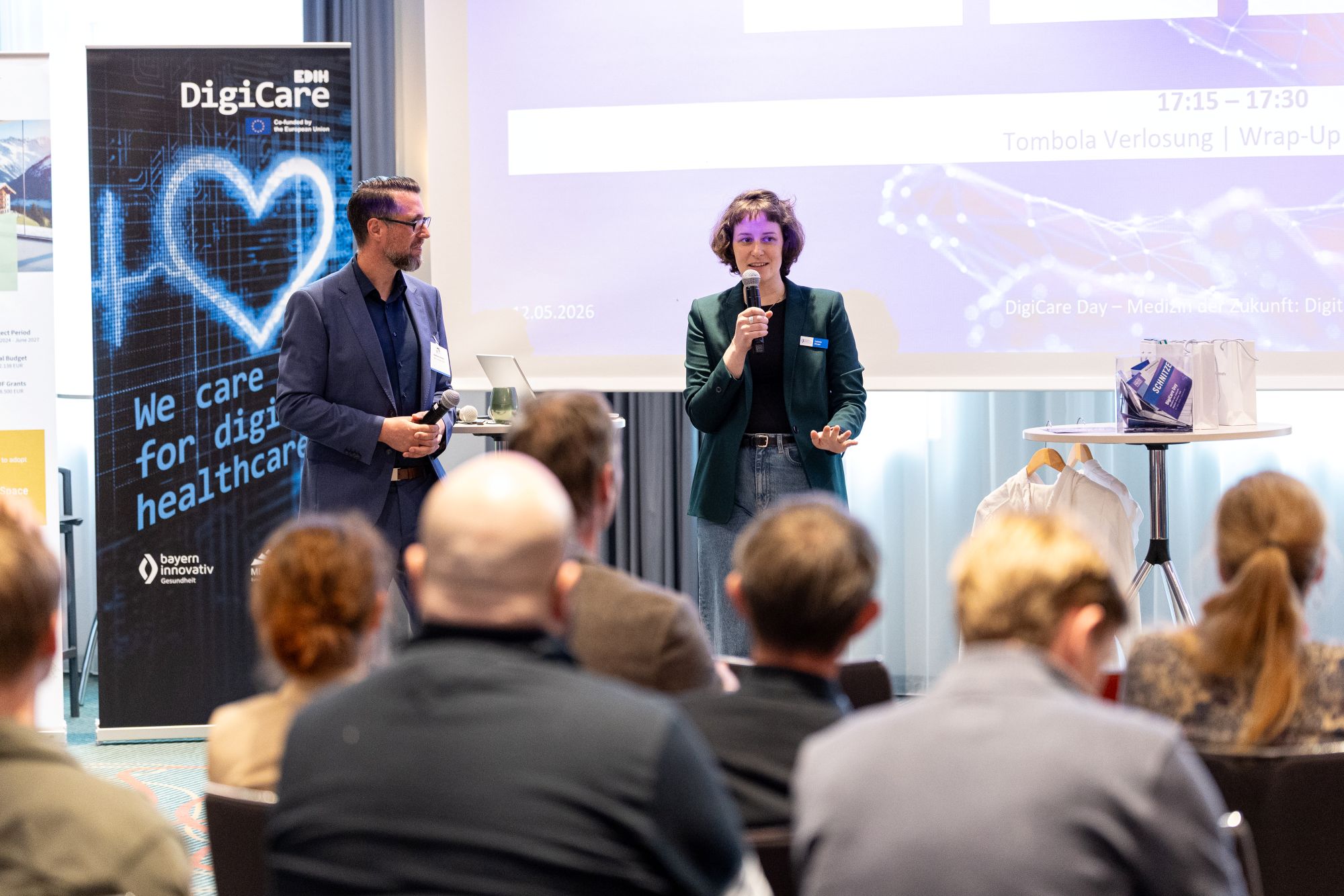
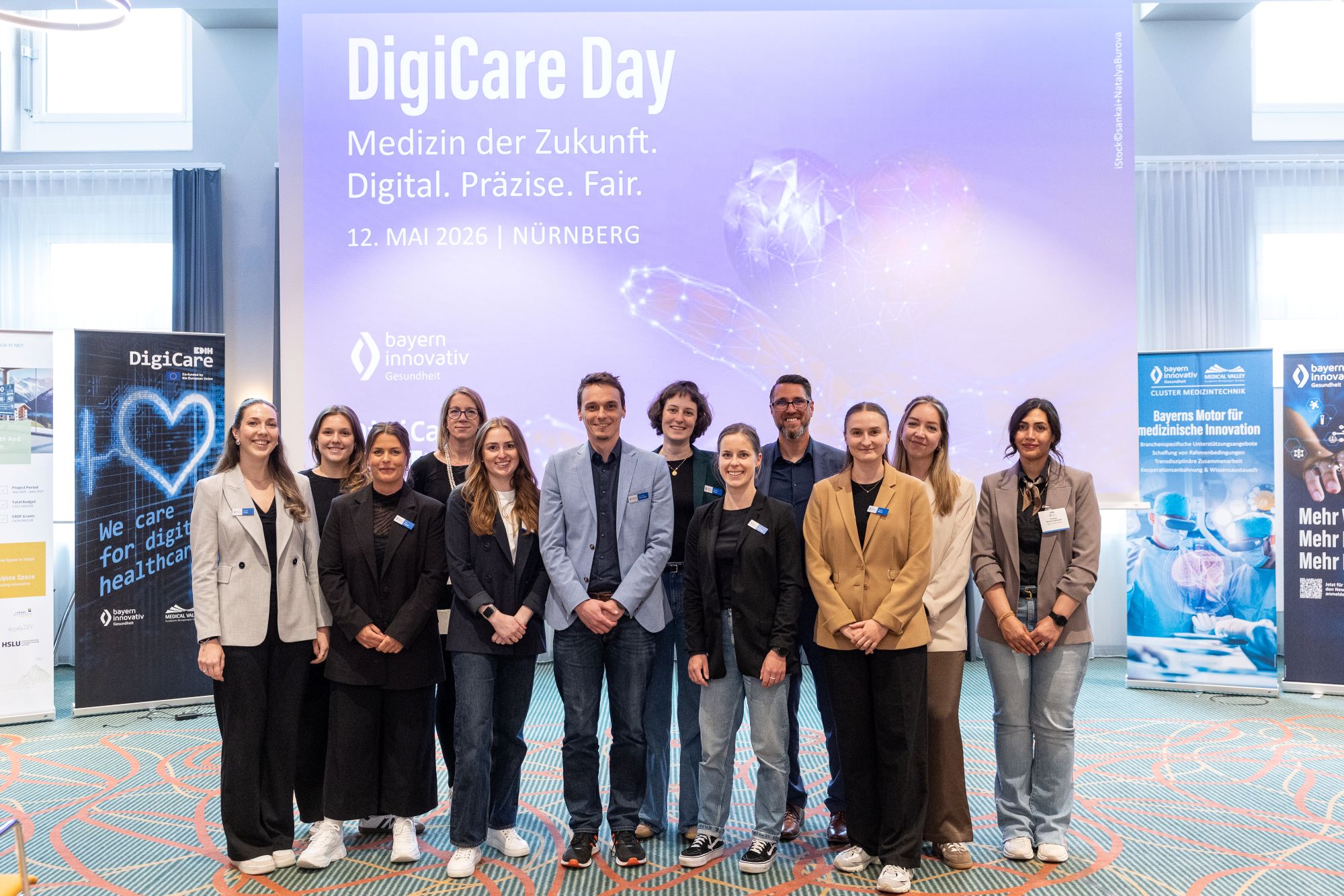
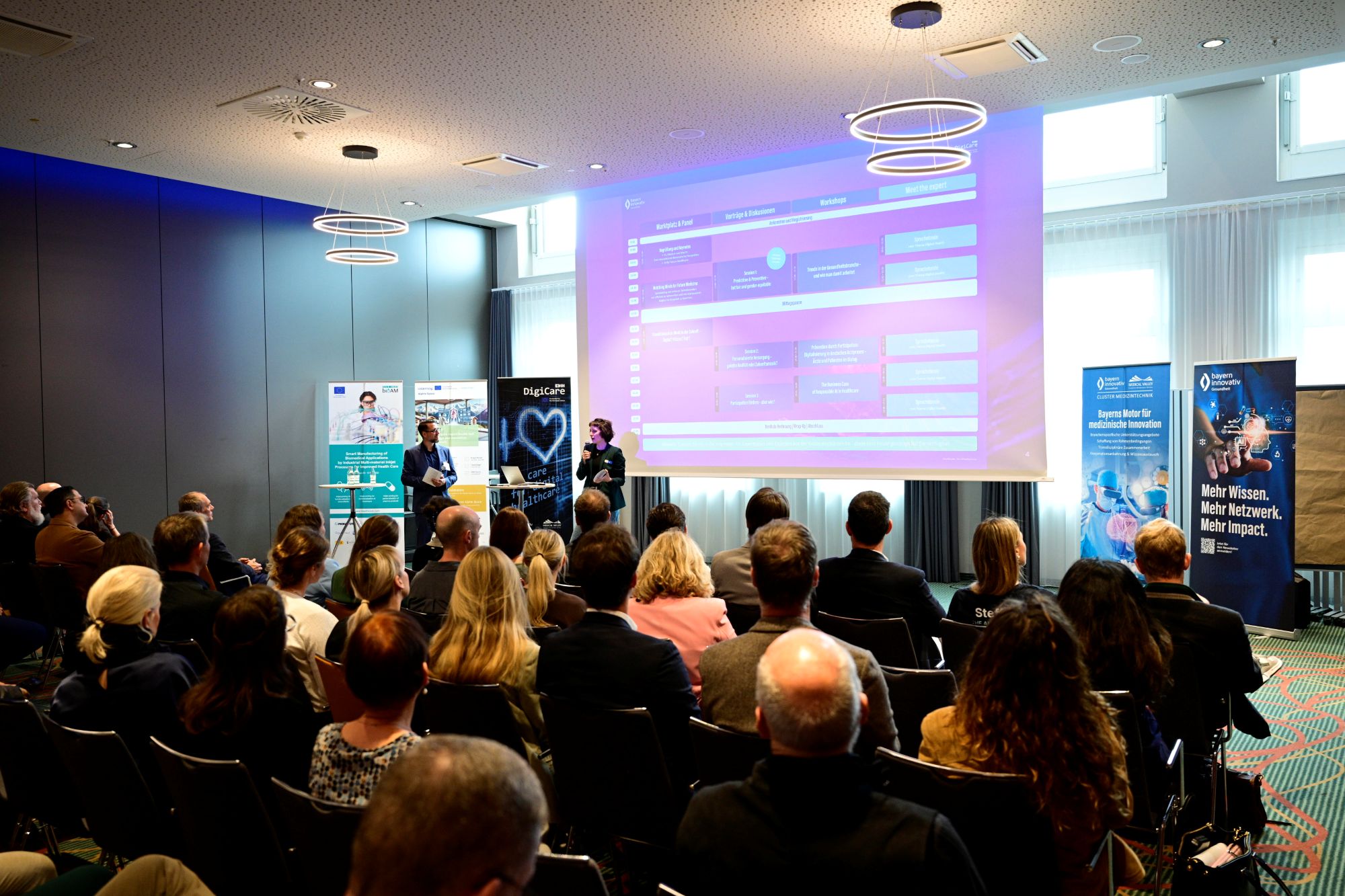
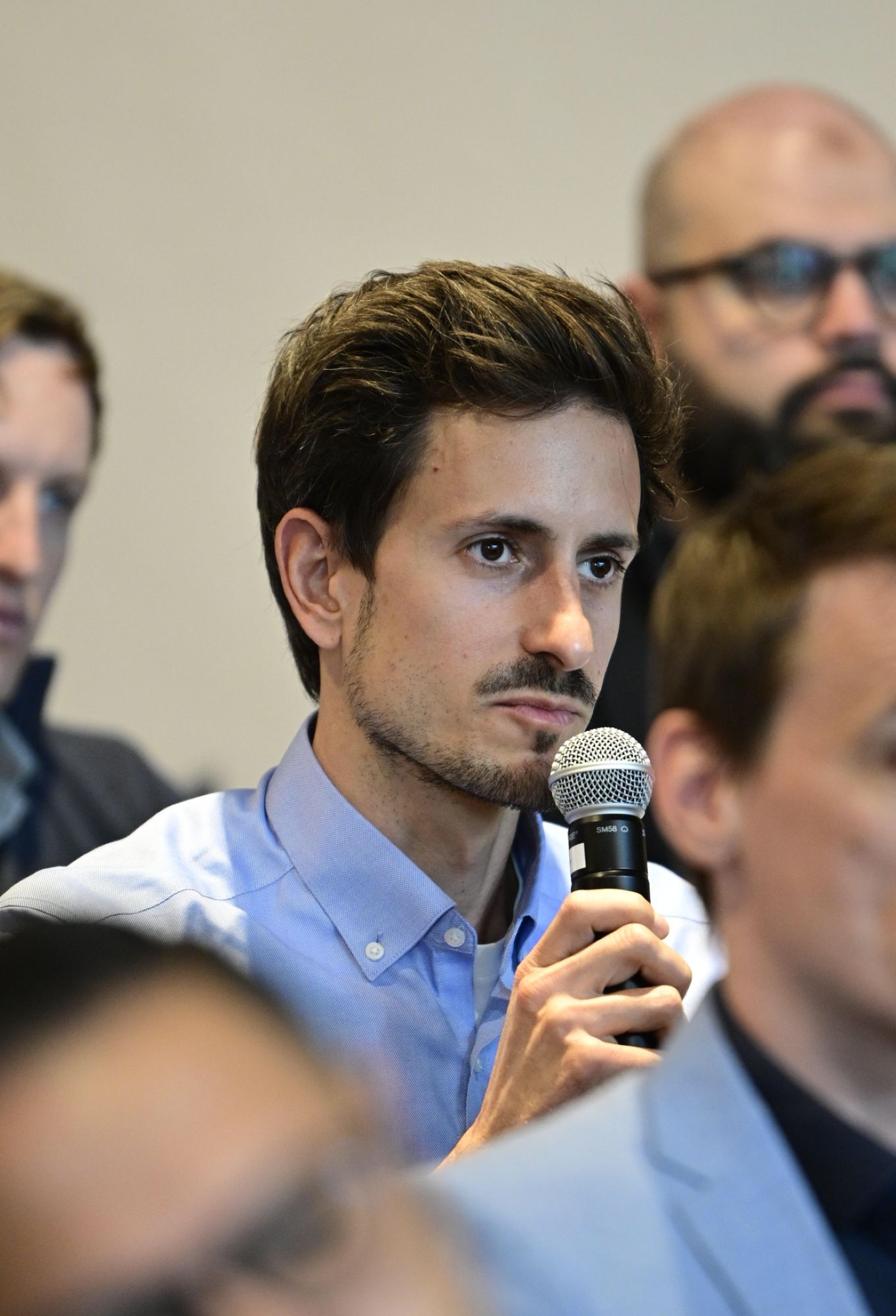
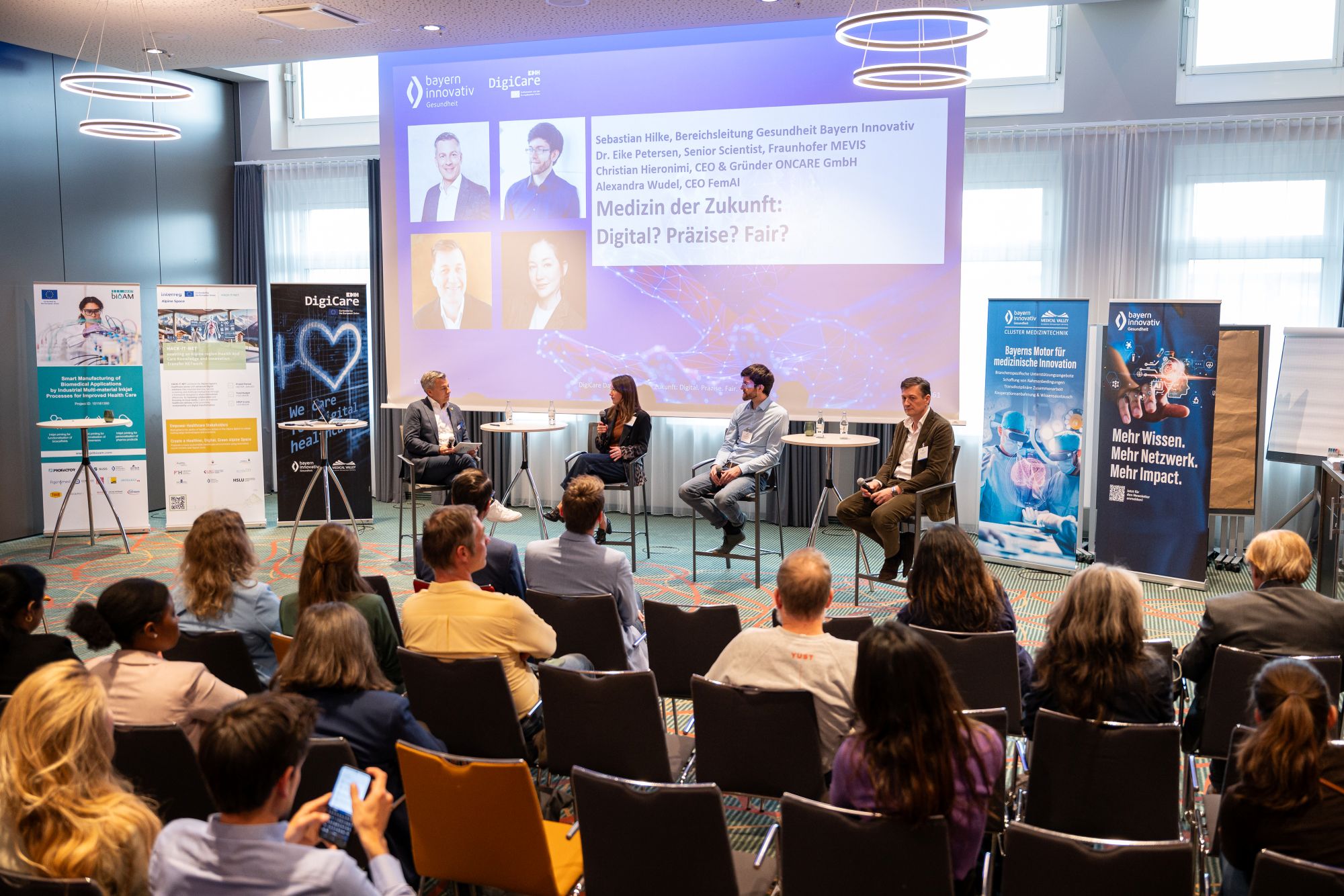
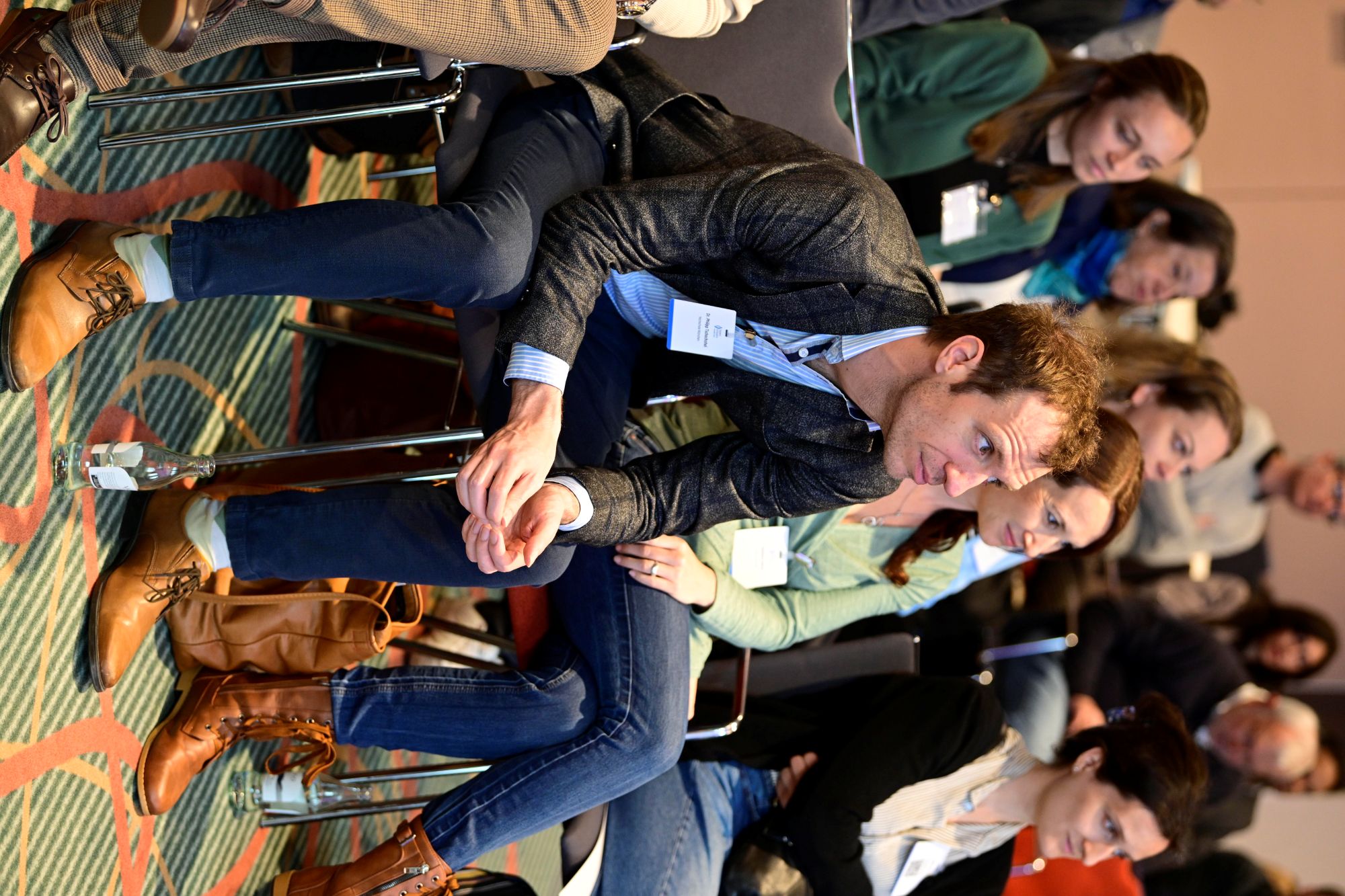
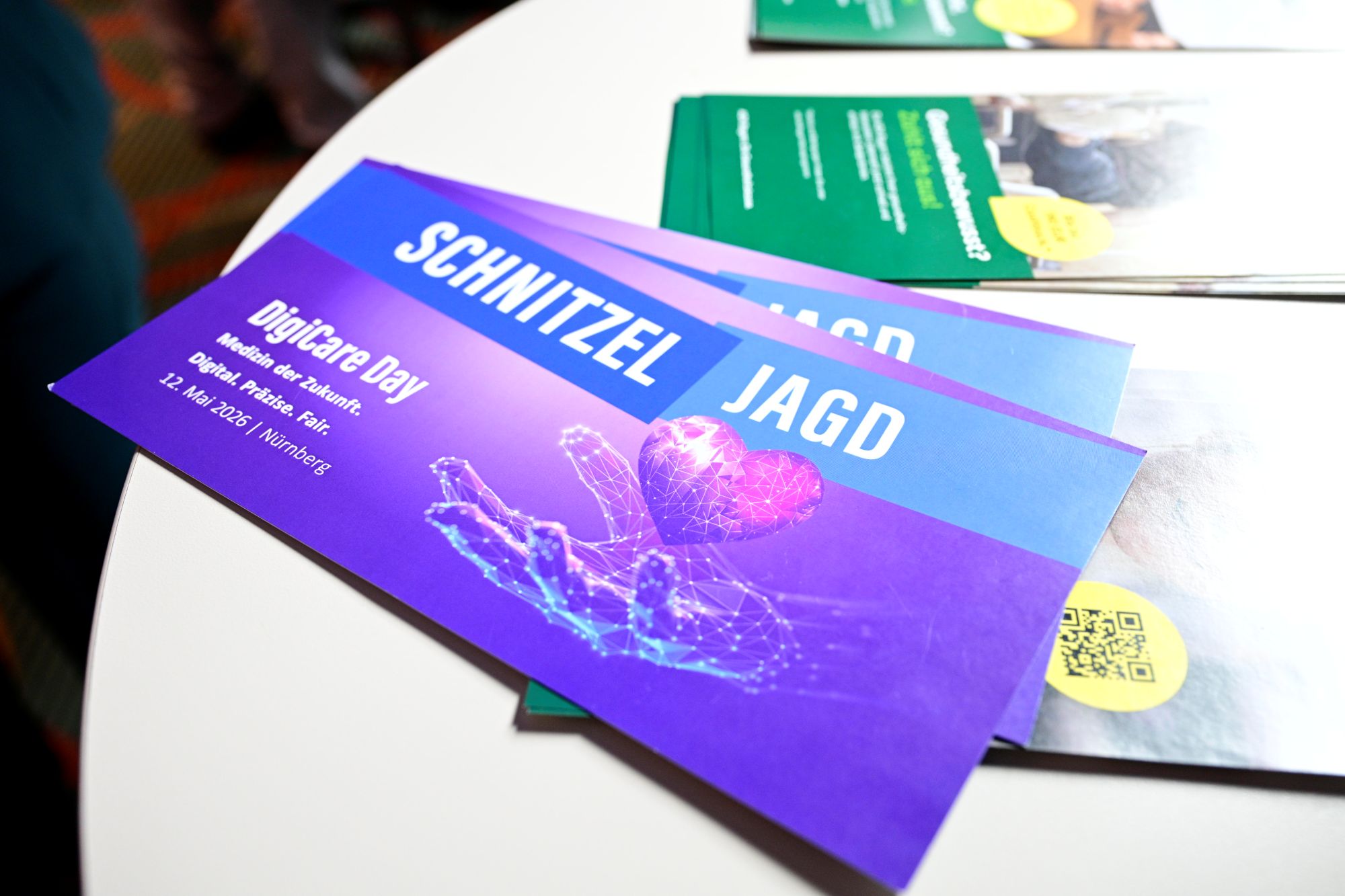
On 12 May, around100 participants from business, research and the start-up scenecametogether in Nuremberg to discuss the latest developments in artificial intelligence in the healthcare sector, personalized care and digital healthcare solutions. Under the motto "Medicine of the future: Digital. Precise. Fair.", DigiCare 2026 impressively demonstrated how strongly the future of medicine will be shaped by digitalization, data competence, interdisciplinary collaboration and fairness with ten specialist presentations, three workshops and a panel discussion. The EU-funded European Digital Innovation Hub (EDIH) DigiCare project has achieved a great deal over the past three years. The final event provided an opportunity to summarize the results and provide impetus for further initiatives.
AI - between innovation and responsibility
Two keynotes opened the day with perspectives that consciously combined technological innovation and social responsibility. In her presentation "AI, medicine and power: an intersectional feminist perspective", Dr. Eva Gengler from enableYou spoke about bias in AI systems and the so-called gender health data gap. Gengler showed how unequal data situations can reinforce existing social injustices - for example, when certain population groups are underrepresented in medical data sets. At the same time, she emphasized that AI must not only be technologically powerful, but also inclusive, transparent and responsible.
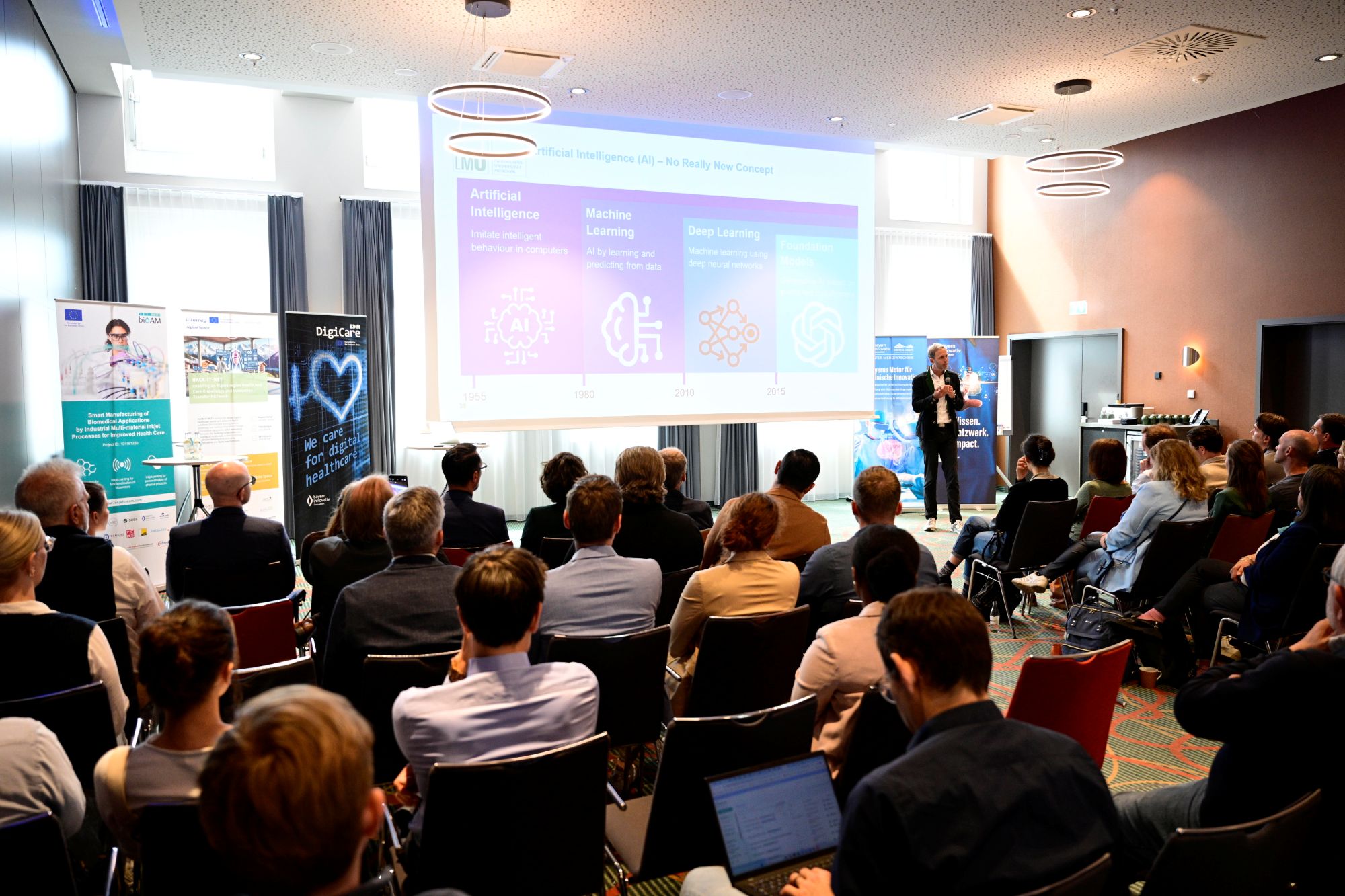
Following on from this, Prof. Dr. Bjoern Eskofier from Ludwig-Maximilians-Universität München presented current challenges and research in his keynote speech "AI for Future Healthcare". Eskofier traced the arc from the beginnings of AI to modern foundation models and data-driven medicine. The focus was on interoperable health data spaces, digital biomarkers and AI-supported prevention and therapy decisions. It became clear that reliable data infrastructures, standards and trust are needed for AI to be used in healthcare in the long term.
Fair AI and smart data spaces
The subsequent sessions also showed how closely technological innovation and social challenges are linked. The session "Predictive & Preventive - but fair and gender-equitable" focused on topics such as responsible AI, health data spaces and trustworthy AI applications. The contributions illustrated that topics such as transparency, governance and data quality are crucial to whether AI applications can be accepted and used successfully in the long term.
Personalized care becomes reality
As the day progressed, the focus shifted to personalized care. Wearables, sensor technology and digital diaries were presented as important components of personalized medicine. At the same time, the speakers also discussed the challenges: heterogeneous data, a lack of standards and the question of how digital solutions can be conceptualized in a way that is as practical and suitable for everyday use as possible. The contributions made it clear that personalized care is no longer a vision of the future, but has already become reality in many areas.
Strengthening health literacy and participation
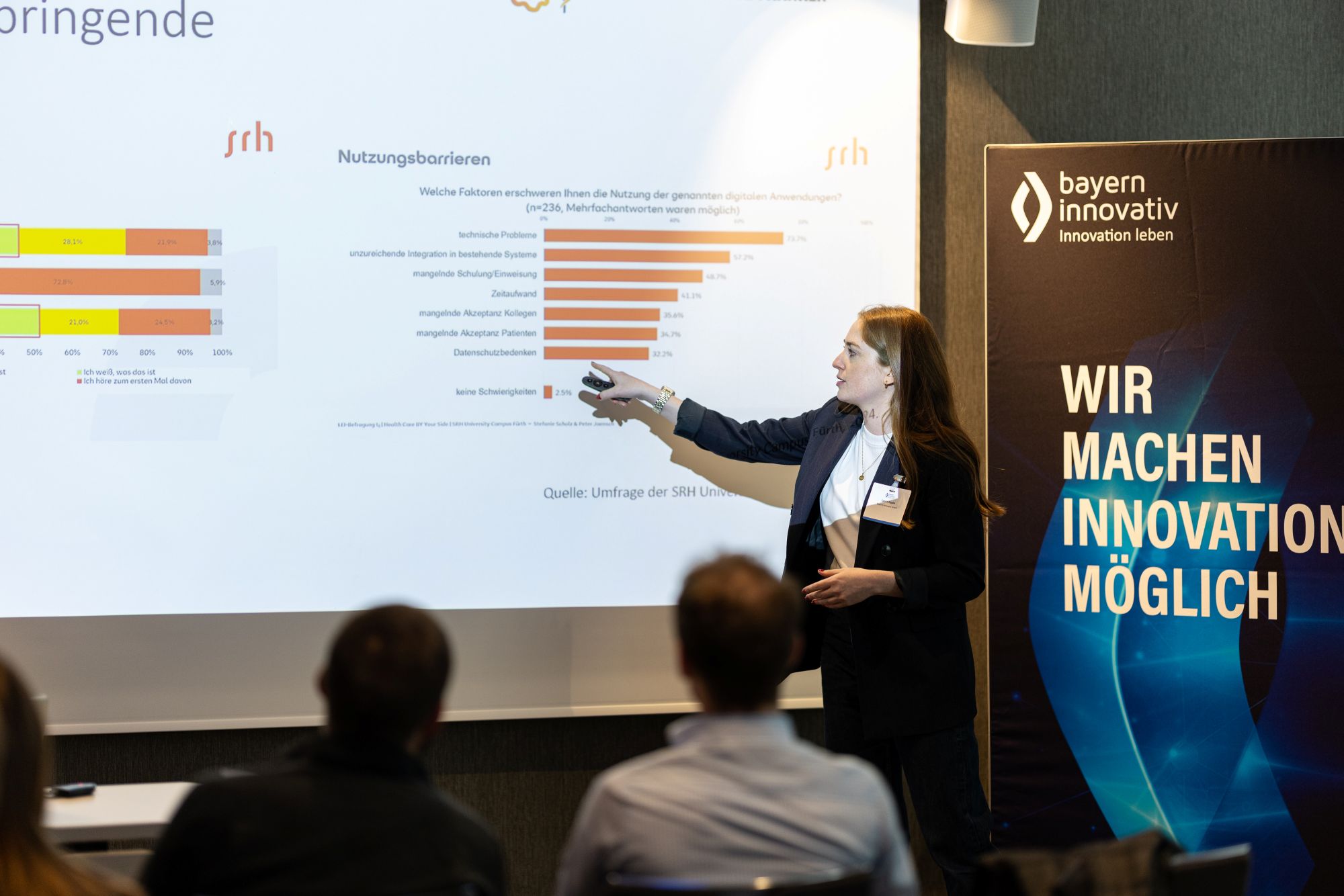
The topic of participation was just as central. Presentations and discussions made it clear how important digital health literacy and the active involvement of the population are. Whether electronic patient records, digital health applications or structured initial assessment systems such as SmED (Structured Medical Initial Assessment in Germany) - digital services only develop their added value when people understand them, trust them and actively use them. At the same time, it was discussed how existing gaps in care and structural disadvantages should be given greater consideration in future.
Networking, workshops and new connections
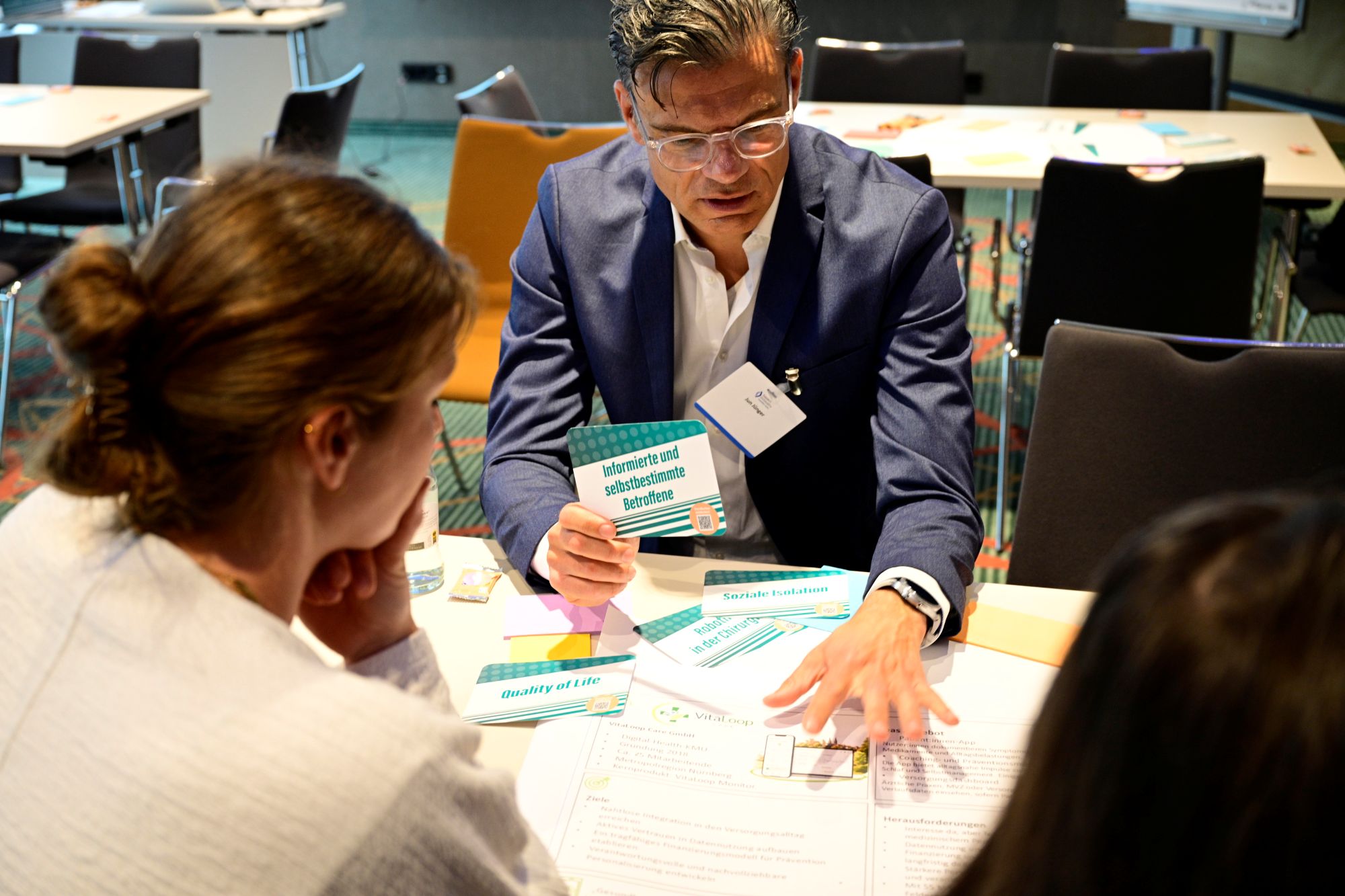
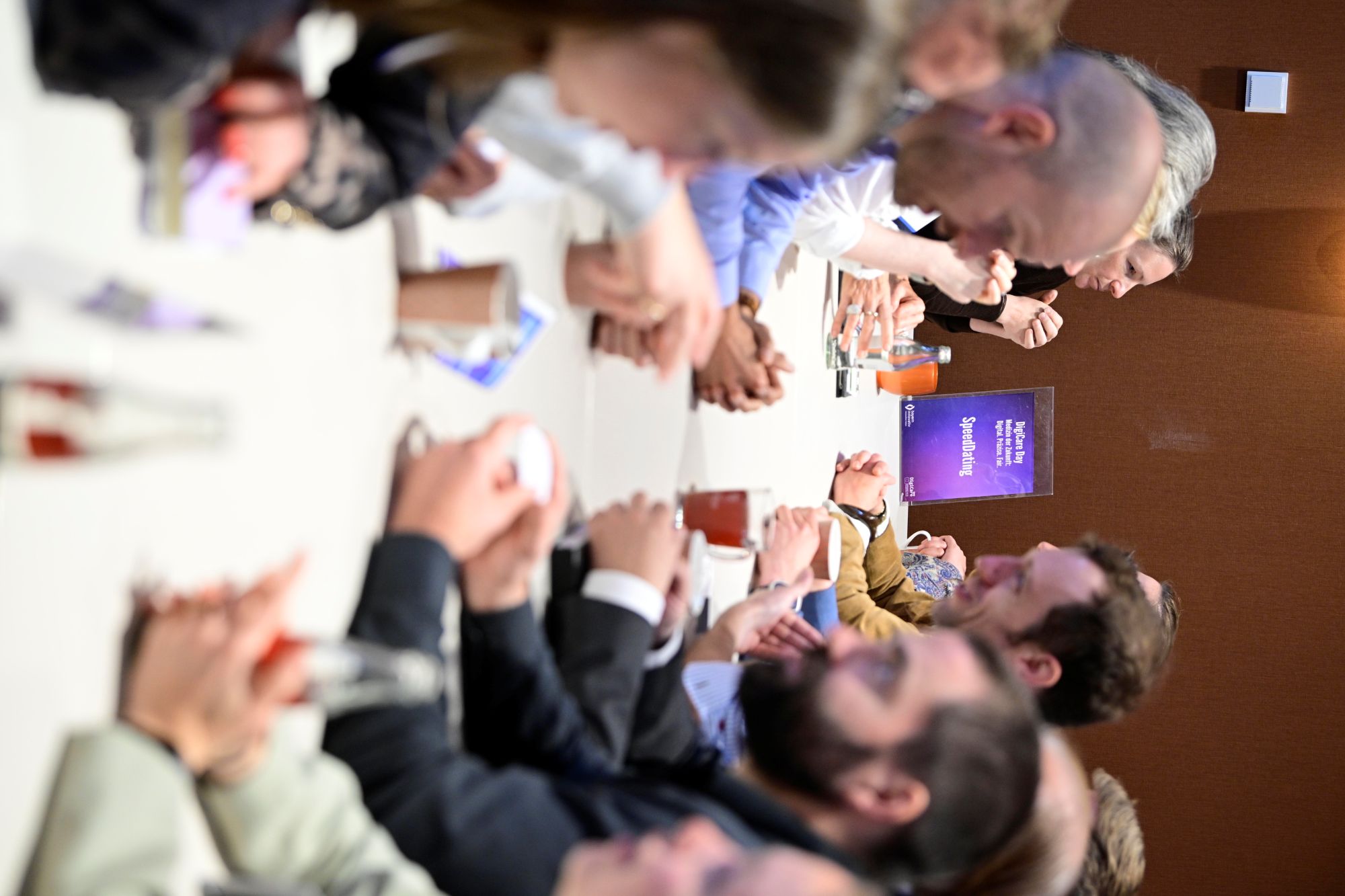
In addition to the specialist presentations, DigiCare Day offered numerous opportunities for exchange and networking. The speed dating format "Matching Minds for Future Medicine" brought a wide variety of people together in a targeted manner and ensured new contacts and future collaborations. The workshops also invited participants to discuss current challenges together - from Responsible AI to trends in the healthcare industry and digitalization in medical practices.
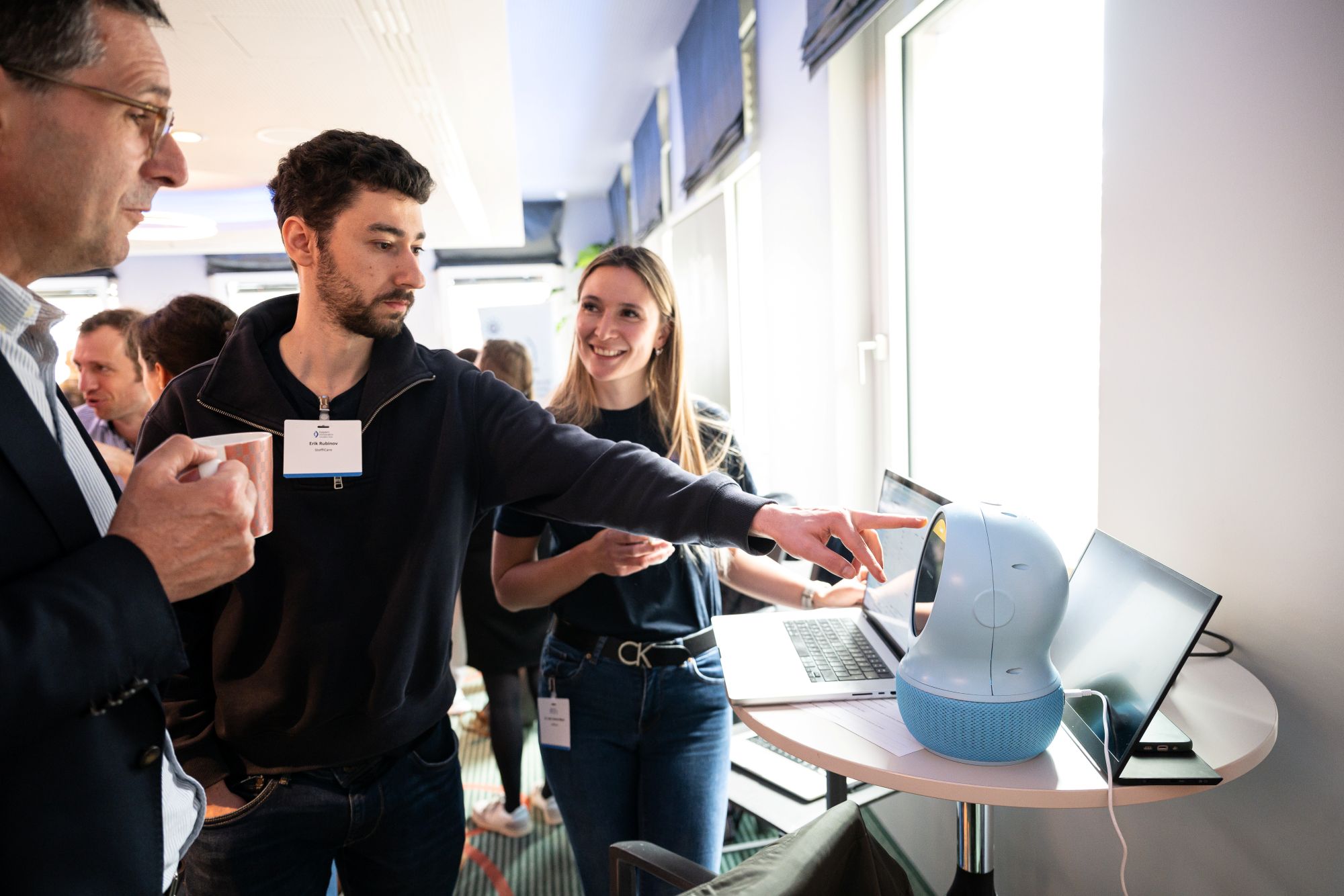
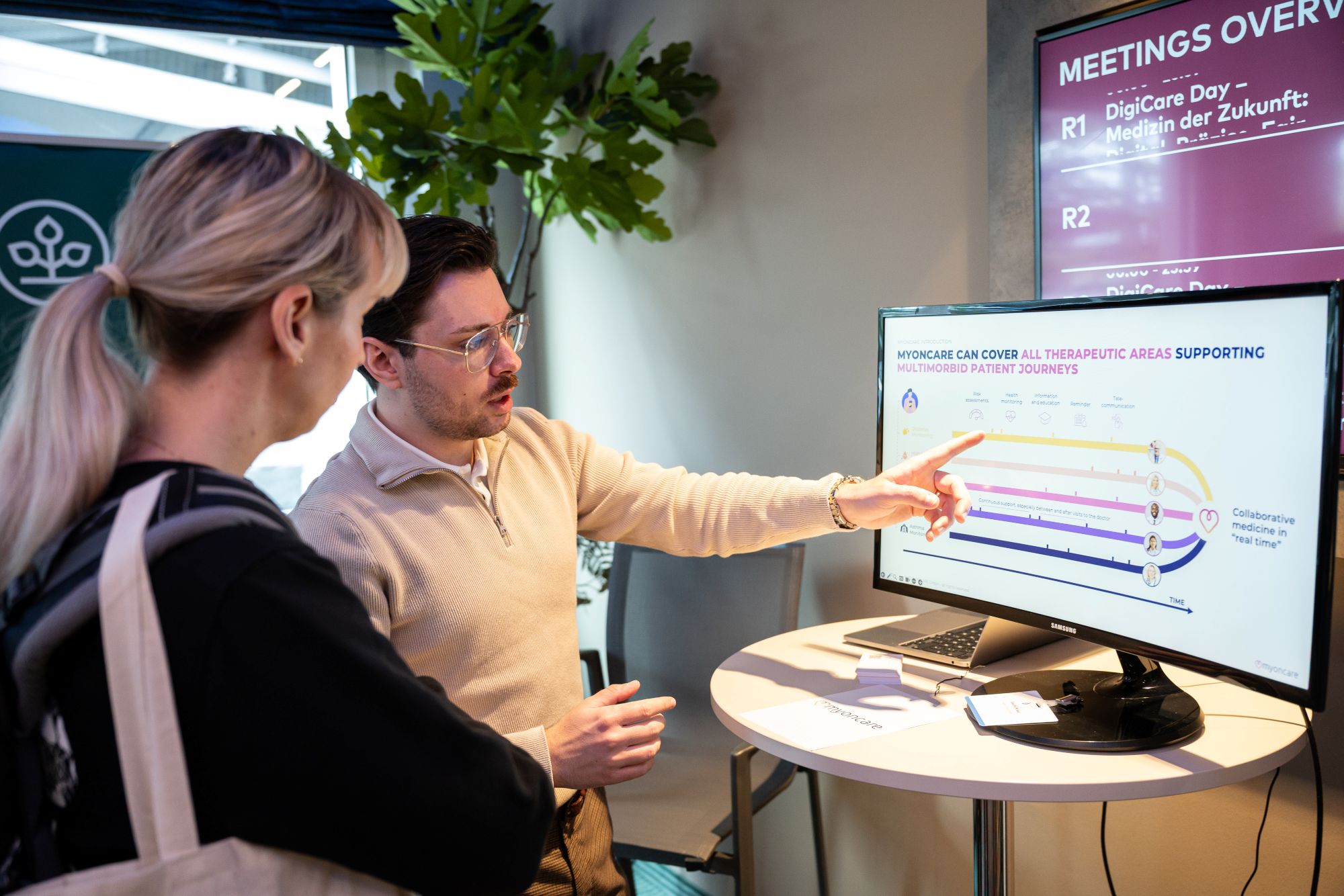
The bookable 1:1 expert consultations and the all-day marketplace area were also very popular. There, companies and organizations presented their innovative solutions and were available for discussions. Visitors took the opportunity to learn about new technologies and discuss the latest developments in the field of digital health.
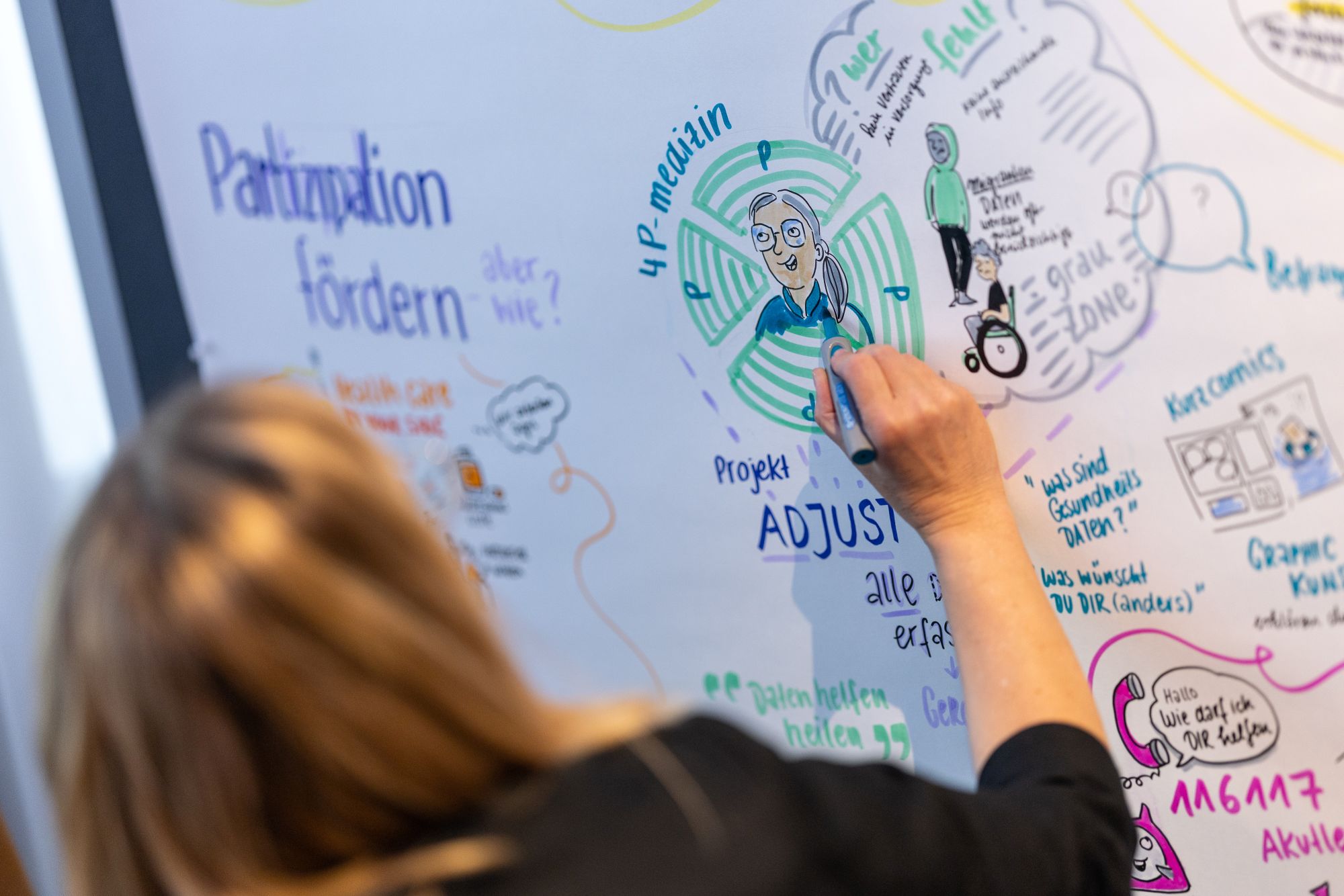
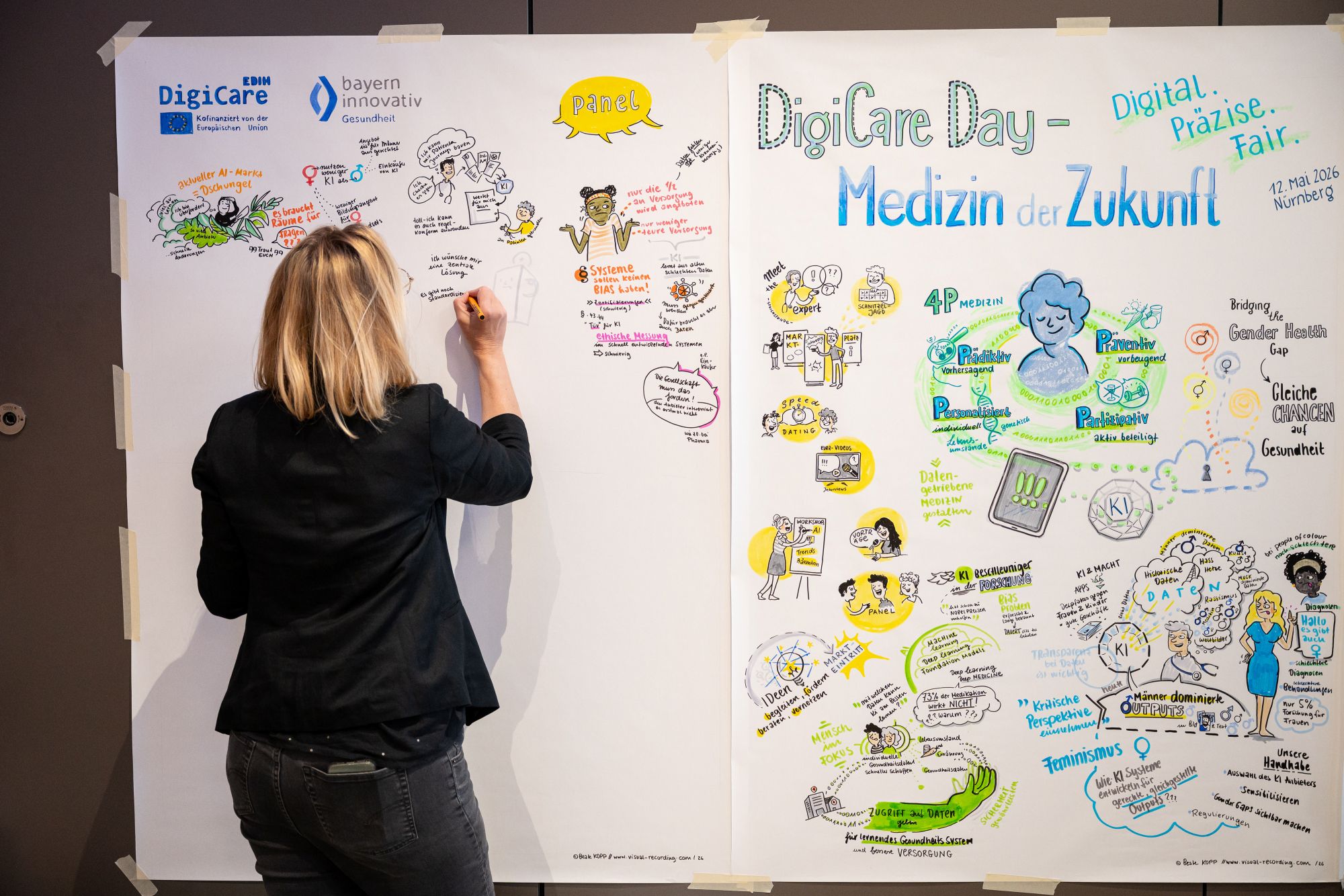
The live graphic recording, which visually captured the most important discussions and impulses of the day, also created a special atmosphere. In combination with the networking breaks and the culinary catering, this created an event framework that deliberately focused on personal exchange.
The future of medicine is created through dialog
DigiCare Day has once again shown how valuable the dialog between research, healthcare, business and society is - and how much innovative power is created when different perspectives come together. Successful formats of the EDIH DigiCare project such as the MedTech Universe, Healthtech Innovation Insights and the Fit for Digitalization in Medical Practices working group have generated valuable outcomes that make healthcare more personalized, participatory, predictive and preventive. DigiCare Day highlighted all of this once again and emphasized the success of the project. In conclusion, it can be said that The medicine of the future will be created at the interface of technology, data and people. It will be crucial not only to further develop innovations technically, but also to integrate them into healthcare in a fair, responsible and practical way.
Would you like to take another look at the program with all the participants? We have made it available here: