
A Space for Creativity and Cohesion
How New Forms of Work Are Emerging on the Former Quelle Site in Nuremberg
July 8, 2022
The history of the long-established company Quelle, once Europe’s largest mail-order business, came to an end thirteen years ago. A vast site in Nuremberg was left behind. Creative professionals and the cultural community seized the opportunity—despite many obstacles. In 2016, the nonprofit association Quellkollektiv moved into the boiler house at the foot of the Quelle Tower. It is now home to a self-managed cultural laboratory that explores new forms of work and community life. That is why it is winning this year’s State Prize for Bavarian Creative Spaces.
Anyone driving from Nuremberg to Fürth passes a piece of German commercial history. The Quelle Tower is clearly visible from both the A73 highway and the train. It’s as much a part of Nuremberg as the Imperial Castle or the Frankenstadion—and rises nearly 90 meters above the former shipping center. Beneath it lies a vast area—enough space for a fresh start following the demise of this long-standing company. A creative new beginning.
A little over ten years ago, artists moved into spaces within the massive complex on Fürther Straße, and soon the Quellkollektiv e.V. association was founded. Shortly after Quelle’s bankruptcy, a vibrant young art and entrepreneurial scene began to develop at this location. At times, more than 250 tenants worked there. “The people behind the Quellkollektiv were the first to make temporary use of the vacant space,” says Wally Geyermann. The 51-year-old from Nuremberg is an event organizer, cultural activist, project manager, and now a member of the Quellkollektiv. “A lot of creative people came—some from Mexico and Canada. Because the area was just such a magnet.” It could have been so wonderful. But as in most success stories, there were obstacles.
A Rocky Road
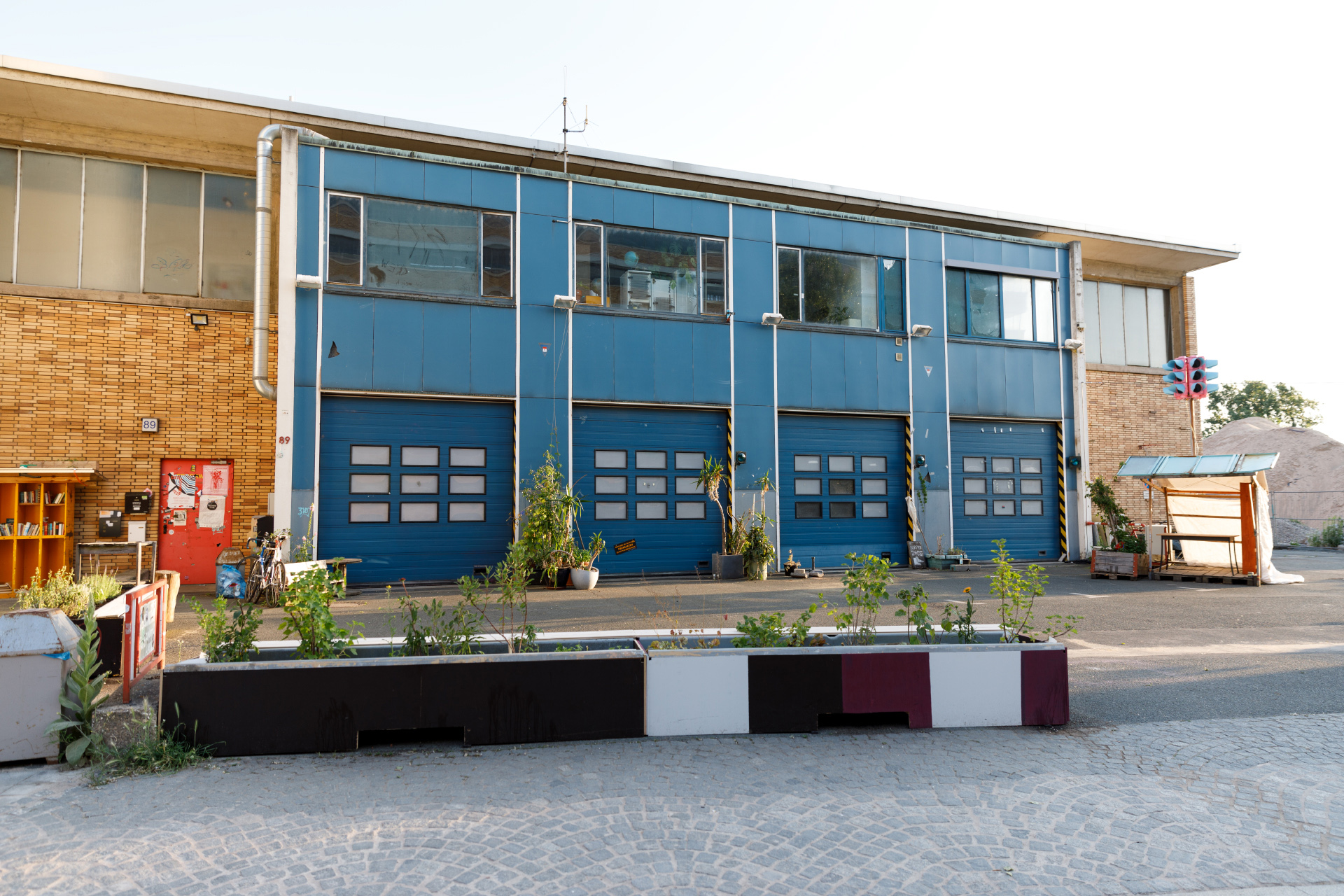
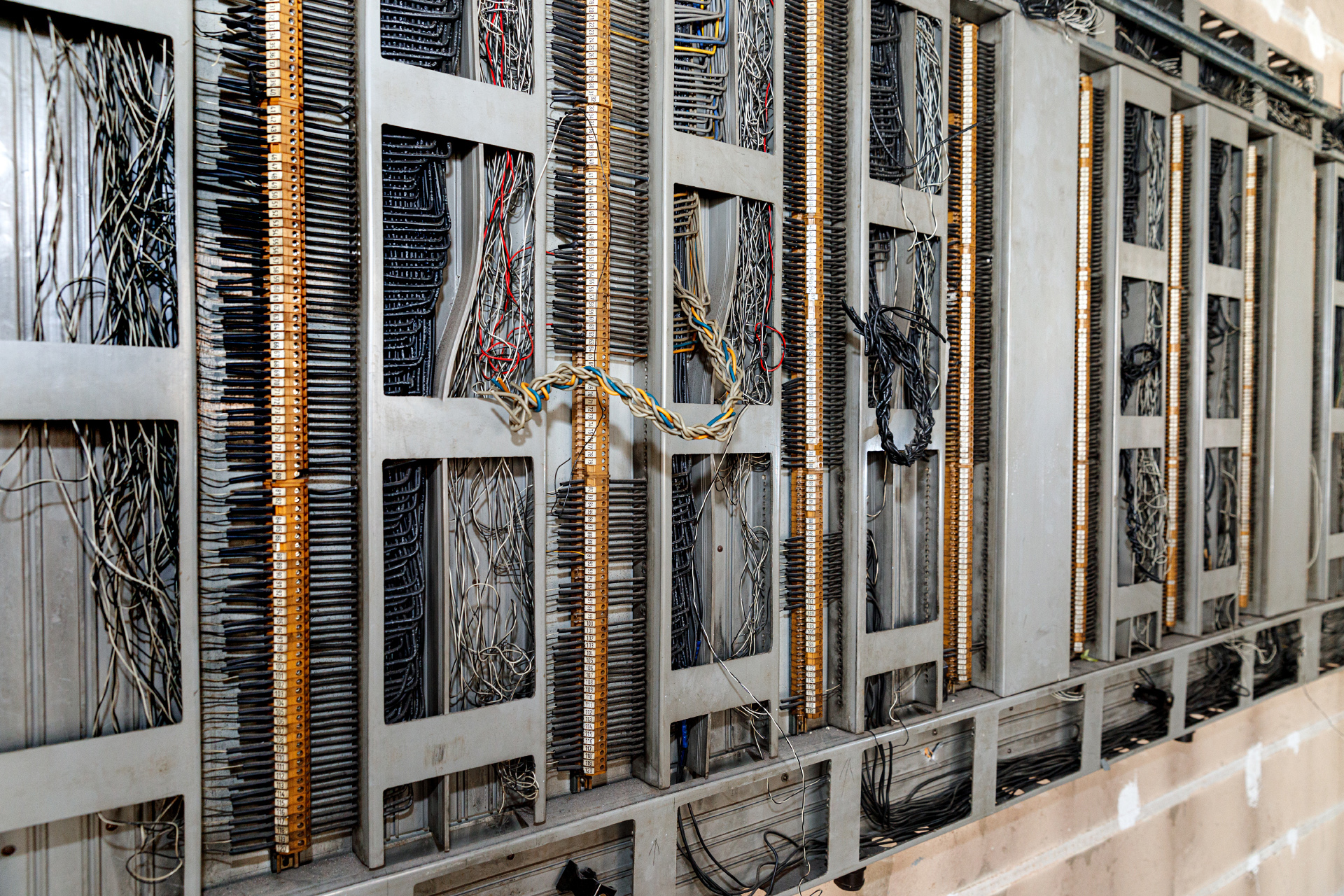
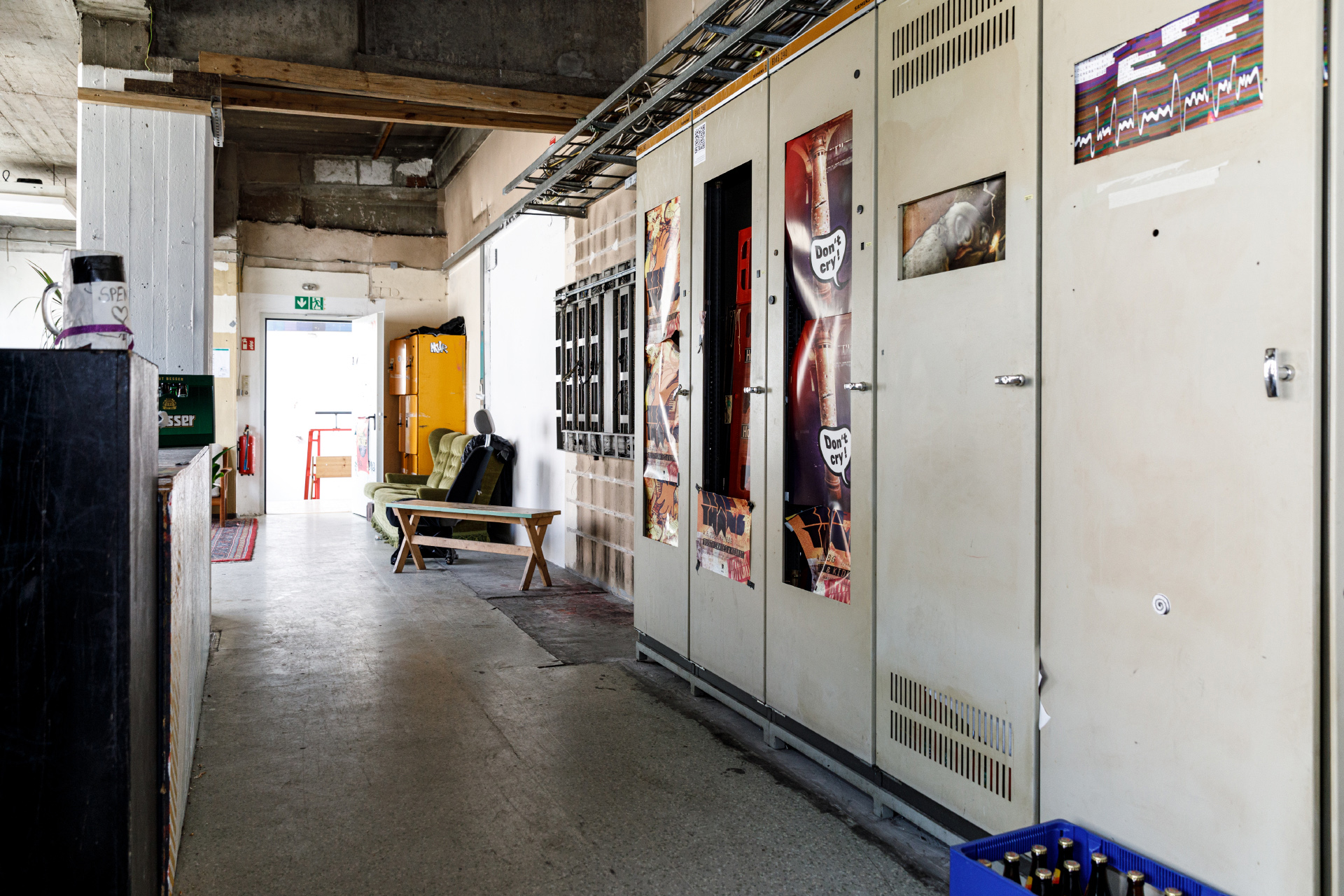
For financial reasons, the complex’s owner at the time ended the temporary use of the space in 2015. For a long time, the creative community faced uncertainty about what would happen next. The association fought to find another location. Then came the offer: The Quellkollektiv could move into the “Heizhaus,” which had previously housed a fire alarm control center, a company fire department, and a combined heat and power plant.
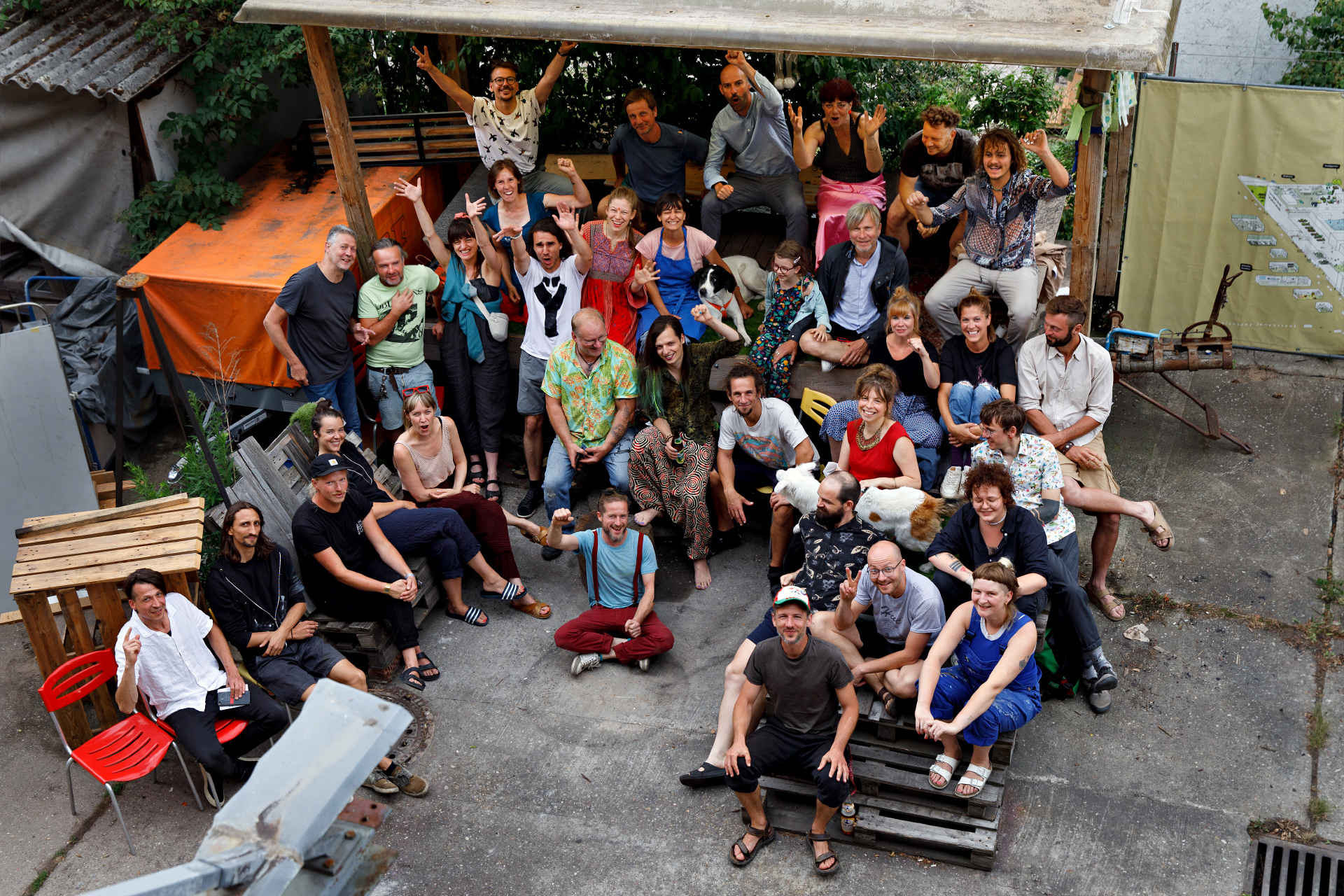
Only a small portion of the creative community accepted the offer. Many artists declined and left Nuremberg. “Unfortunately,” as Geyermann says. “But from the core group that moved here, something has developed, and it has grown and grown.” Into a self-managed cultural lab dedicated, among other things, to questions such as: How do we want to live? How do we want to work? Today, around 100 cultural and creative professionals from the Nuremberg area are members of the association.
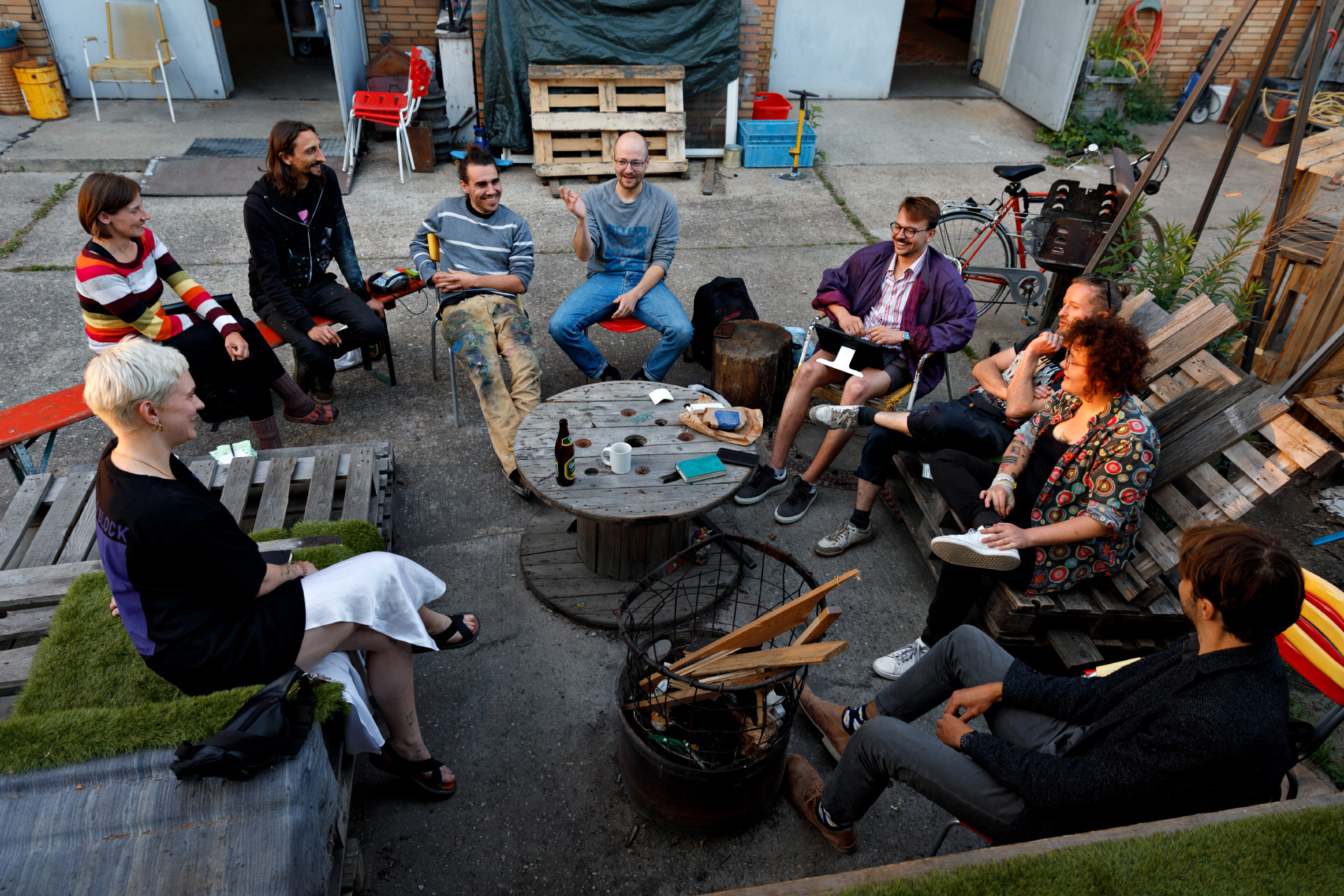
“The trades within the association are sustainably structured and take idealistic stances.” Specifically, this means: They earn their living this way, but they also want to act in a socially responsible manner. “You come here to plan a project and need support with business consulting, computer IT, or people who know about fabrics, steel, design, or printing. That means a project can be carried out from start to finish right here.” This happens through a lot of give-and-take and a sense of community. “And with a lot of knowledge transfer,” says Hanna Rentschler. The 31-year-old is an urban planner and community activist, a student of the geographies of globalization, a planner, and has been active as a project manager at the Heizhaus since the summer of 2018. Due to the financial situation, everyone relies on one another. But according to Rentschler, that’s not the most important reason: “The overall concept is simply built on cooperation.” People with specialized expertise willingly share their knowledge.
New Ways of Working
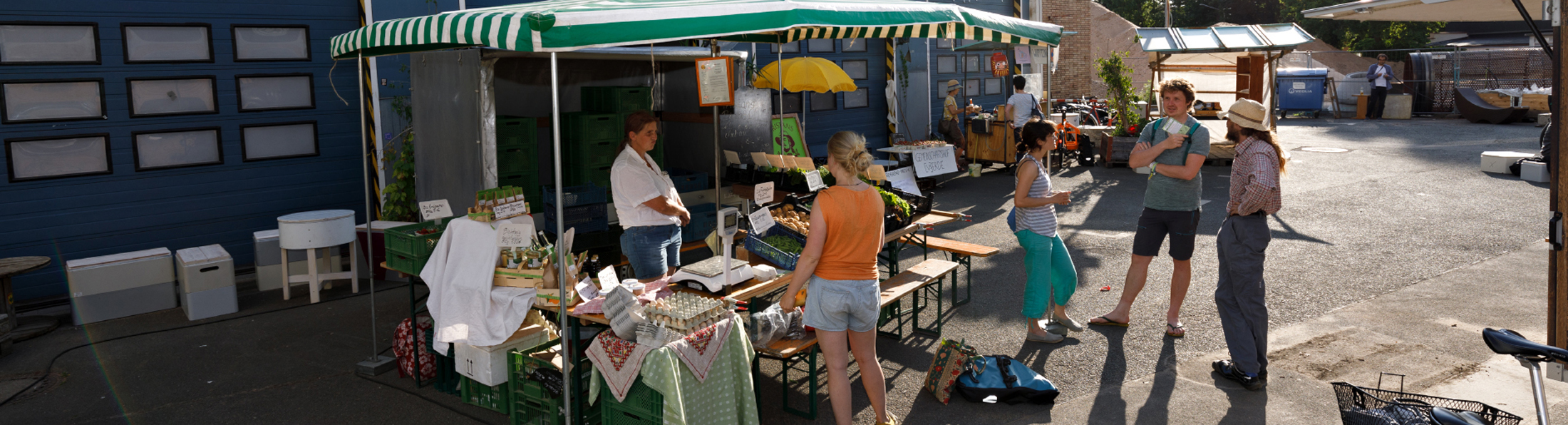
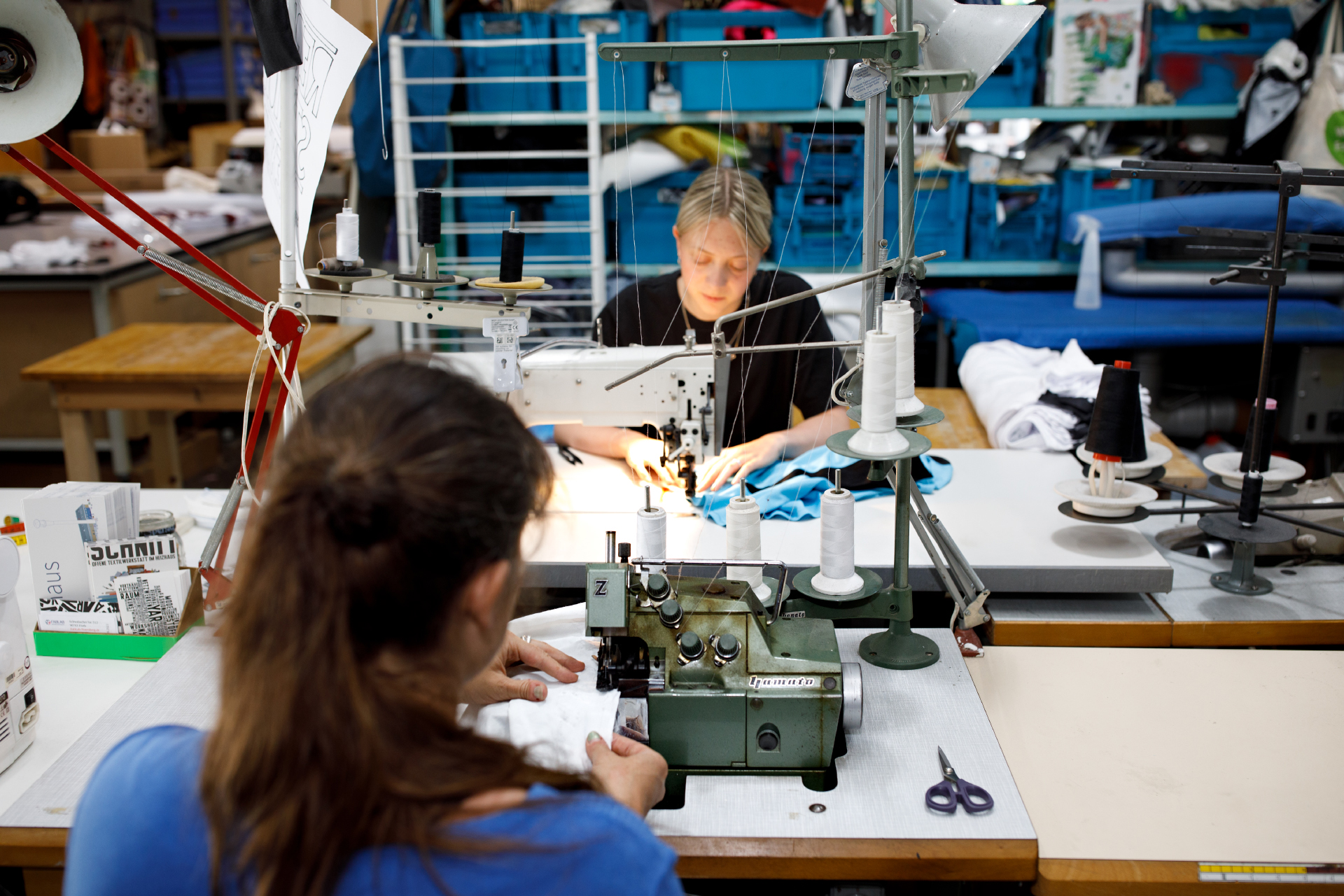
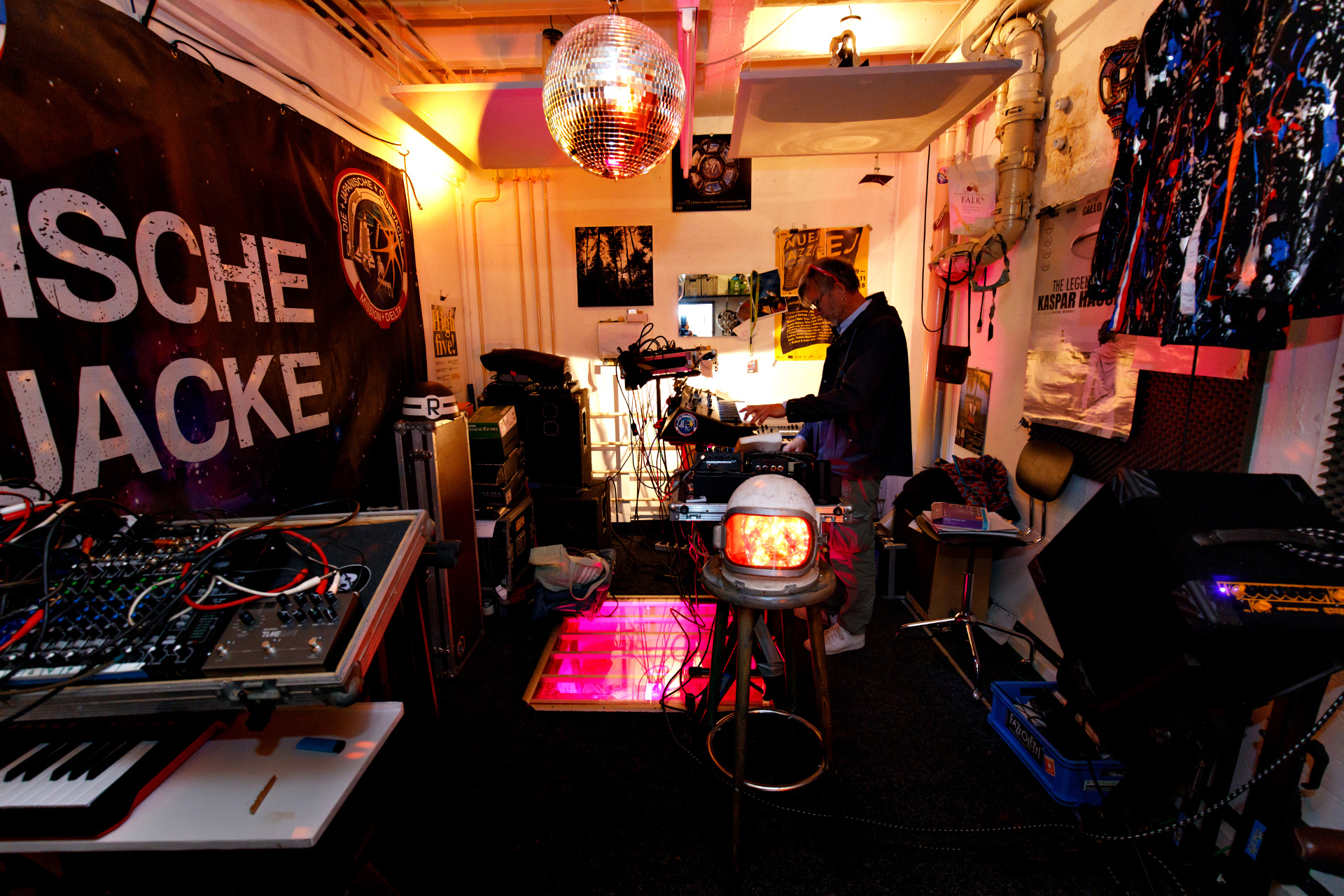
At the Heizhaus, artistic creation, craftsmanship, and community service are meant to come together. Sixty tenants work in workshops, offices, studios, art studios, and rehearsal spaces. Carpentry finds a place here just as much as neighborhood and educational work; gardening as much as bookbinding; video production as much as programming. The Heizhaus is a platform for discourse and exchange. It serves as both a creative industry hub and a social laboratory, which is why the Heizhaus is receiving this year’s State Prize for Bavarian Creative Spaces.
“When an award is presented for the first time, the task facing the selection committee is no easy one,” says cultural policy expert and Second Mayor of the City of Nuremberg, Prof. Dr. Julia Lehner. The challenge is to identify, among numerous creative industry venues, those that epitomize what is consistently associated with them: “Places of social interaction, of creativity and knowledge transfer—places whose spirit and vitality radiate out into their surrounding communities.” According to Lehner, the Heizhaus is certainly one such place. “In Nuremberg, the creative hub Heizhaus is also an excellent example of how structural change can be successfully initiated at a former industrial and commercial site,” says Lehner. “In the western part of the city, the closure of the AEG-Electrolux production facilities and the Quelle mail-order company led to a vacancy on a scale unprecedented in Nuremberg. The Quelle site alone covers over six hectares of land and more than 250,000 square meters of building space.”
Nuremberg is undergoing a transformation. Culturally, socially, and economically. “This transformation offers great potential and opportunities for creative professionals, which are even more evident when contrasted with a tightly knit structure,” says the 68-year-old. “The Heizhaus and the people working here successfully demonstrate that art, culture, and creativity can be a significant driving force for successful urban development,” says Hanna Rentschler. “Our identity is rooted in these sustainable approaches, in exchange, and in new ways of working that don’t have to be competitive.” But of course, they operate between the Department of Culture and the Department of Economic Affairs. “Which is valuable.” Initially, however, this made it difficult for outsiders and government agencies to categorize the project and the Quellkollektiv. Yet the collaboration had an impact—even in the local press. Together, the Quellkollektiv is stronger.
Little Space for Cultural and Creative Professionals
“It takes a lot of perseverance to create something like the Heizhaus,” says Hanna Rentschler. And to secure this space for creativity and culture, the Quellkollektiv remained tenacious. “But it’s incredibly difficult to maintain an entire property over the long term.” A lot does happen through temporary use, though. Property owners welcome this because it enhances the value of the spaces and bridges the gap during vacancies. “There’s a huge problem, however, with the question: How can we keep these spaces out of real estate speculation so that they can remain open without being forced to operate commercially?” People don’t have to consume anything at the Heizhaus when they enter. This also opens up new spaces for people outside the collective. Despite the pandemic, the Heizhaus has been a place of knowledge transfer, exchange, and learning in recent years. Events like “kÜnstrasen,” where readings, performances, or concerts took place in front of the Heizhaus’s roll-up doors, helped get through the COVID-19 months—all in compliance with the relevant health and safety guidelines of the time. Because the Quell collective can adapt within the Heizhaus without compromising its own ideas.
Inspiration and Collaboration
Major demolition and construction work is currently underway on the former Quelle site. By 2024, “The Q” is set to feature offices, shops, and apartments. The Quellkollektiv could hardly have found a better place to put its ideas about new ways of working and thinking into practice and showcase them. And the project is set to continue in the long term. In the fall of 2021, it was confirmed: the cultural and creative professionals will be allowed to remain in the boiler house. The Düsseldorf-based Gerchgroup, the current owner, and the Quellkollektiv have signed a lease agreement.
As a place of participation, inspiration, and collaboration, the Heizhaus is setting the tone. The fact that it fought to preserve this open space—where nothing had happened for years—shows that the creative scene needs room to breathe. It needs public space just as much as businesses and other institutions do. While little was happening in many parts of the vast grounds, the Quellkollektiv made a big difference. With a clear vision that is much more than just a creative fresh start.