From Preservation to Change
The State Museum of Egyptian Art is spearheading the transformation
December 3, 2025
How much CO₂ does a museum actually consume? This question may seem surprising at first, but it is highly relevant. Museums are among the largest energy consumers among cultural institutions and leave a significantly larger ecological footprint than many would suspect (source: Deutscher Museumsbund e. V.). The State Museum of Egyptian Art in Munich is breaking new ground in this area and demonstrating that sustainability and cultural operations are not mutually exclusive. Since 2021, Director Dr. Arnulf Schlüter and the museum’s external press officer and certified green consultant, Dr. Carsten Gerhard, have been working to consistently integrate environmental sustainability into the museum’s daily operations without jeopardizing its valuable collections.
How can we strike a balance between the highest conservation standards and climate protection goals? What role do political frameworks, internal analyses, and the museum’s architectural characteristics play in this? Dr. Schlüter and Dr. Gerhard provide answers to these questions in an interview—and make it clear: Culture can and must be part of the sustainable transformation.
What prompted the decision to systematically align the museum’s operations with environmental sustainability, and how was the process initiated internally?
Dr. Arnulf Schlüter (AS): The impetus came from the realization that museums, too, have a significant environmental impact. This includes, in particular, high energy consumption, emissions from transportation, and extensive resource use. Policy guidelines such as the EU Green Deal, which aims for climate neutrality by 2050; the German Climate Protection Act, with a target year of 2045; and the Free State of Bavaria’s target for 2040 further reinforced this process of reflection.
Dr. Carsten Gerhard (CG): We ultimately set the process in motion by establishing a formal environmental policy that defines the museum’s fundamental environmental management goals and principles. It commits the museum to continuously improving its environmental performance, complying with all relevant environmental regulations, and maintaining transparency toward the public.
How exactly did the “green screening” take place, and what surprising findings or challenges emerged in the process?
CG: We conducted a “Green Screening” with our green consultant in the fall of 2021. During this process, all of the museum’s rooms were analyzed in terms of emissions, energy consumption, waste generation, the use of environmental toxins, and resource consumption.
AS: One surprising finding was that ventilation and cooling systems accounted for about 88 percent of total electricity consumption—a significantly higher figure than originally assumed. The results were documented in an environmental report, which serves as the basis for an action plan that is continuously being refined.
Which three measures have proven to be particularly effective or straightforward to implement so far?
AS: First, shutting down the ventilation and air conditioning systems at night proved to be particularly effective and relatively easy to implement. This measure led to a significant reduction in electricity and heat consumption during nighttime hours and saves many metric tons of CO₂ annually. Second, the nearly completed switch to LED lighting has proven effective in permanently reducing electricity consumption. Third, an eco-friendly shift in the procurement of printed materials—for example, through the use of recycled paper and contracting with environmentally certified printing companies—has helped reduce Scope 3 emissions.
What specific requirements does the Egyptian collection have in terms of climate, lighting, and conservation—and how can these be reconciled with sustainable practices?
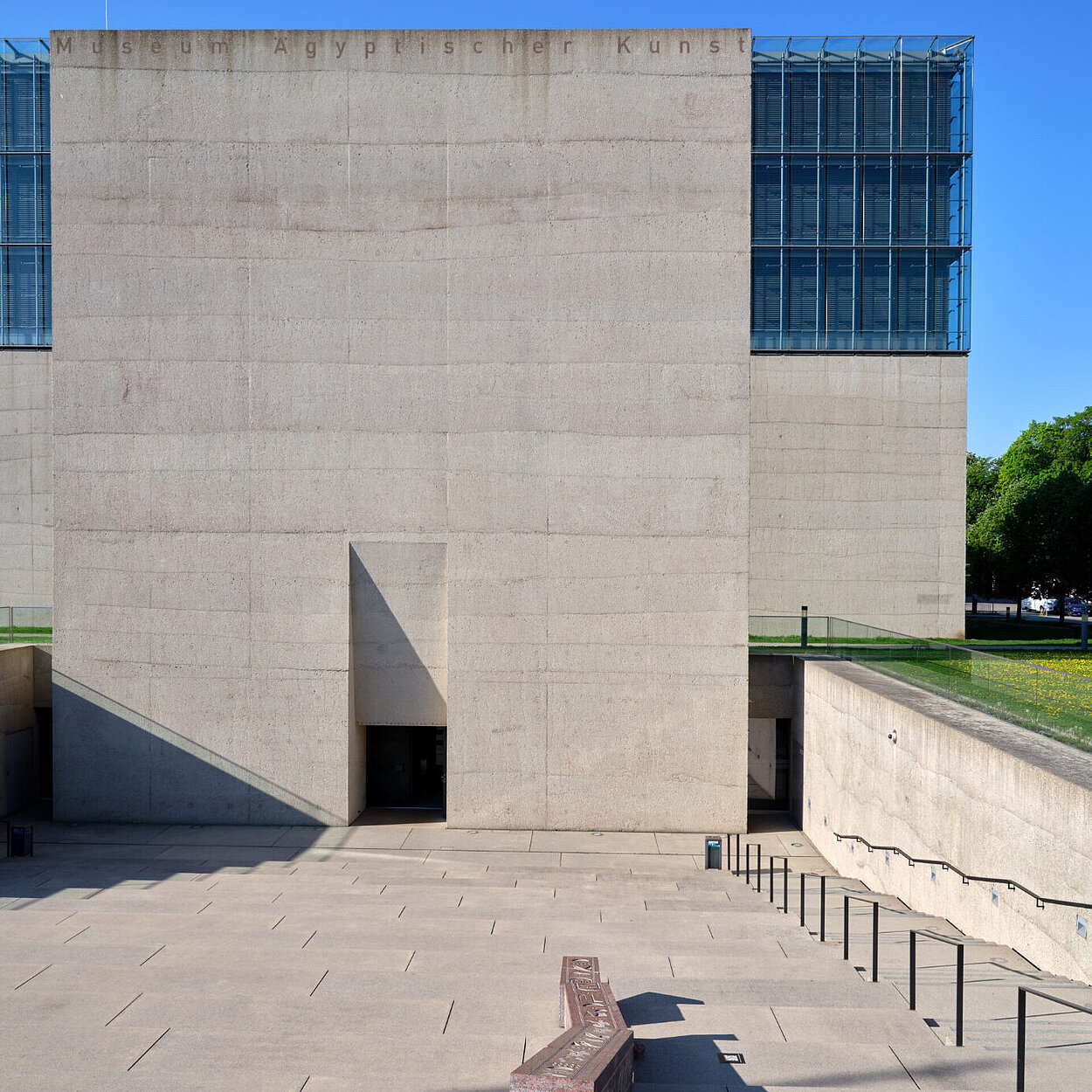
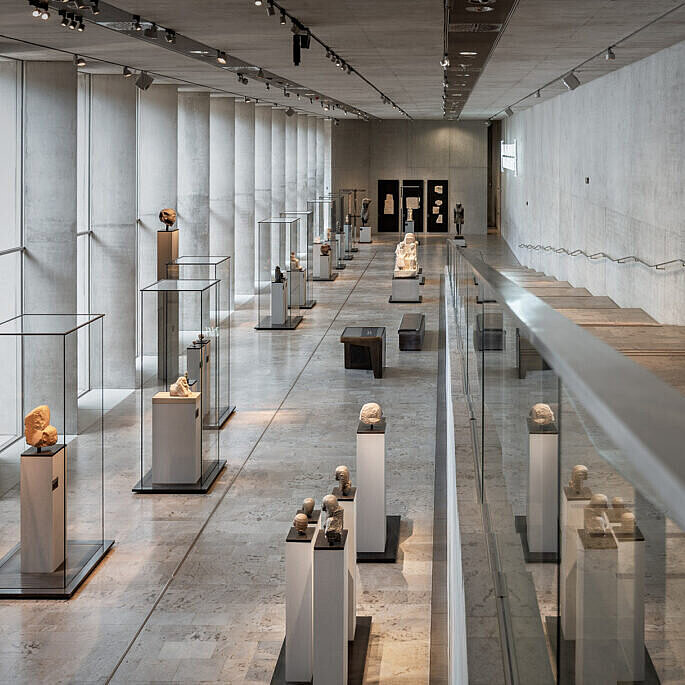
AS: Our collection requires constant temperature and humidity levels, as well as subdued lighting, to preserve sensitive objects over the long term. The building’s unique architecture—particularly its underground location—ensures a high degree of natural climate stability. This allows us to implement measures such as turning off the air conditioning at night without compromising conservation. In addition, the exhibition spaces feature targeted lighting design and energy-efficient light sources.
How do you actively involve employees, service providers, and the public in your sustainability strategy?
AS: Employees receive training, for example, on avoiding standby power consumption or on environmentally friendly procurement. We are currently developing binding guidelines and decision-making frameworks for all departments. Service providers such as printing companies and caterers are also integrated through environmental standards.
CG: We’ve worked with key partners, such as the exhibition office, to develop sustainability criteria. We inform our visitors digitally about our sustainability strategy and encourage them to use low-emission modes of transportation, such as public transit or bicycles.
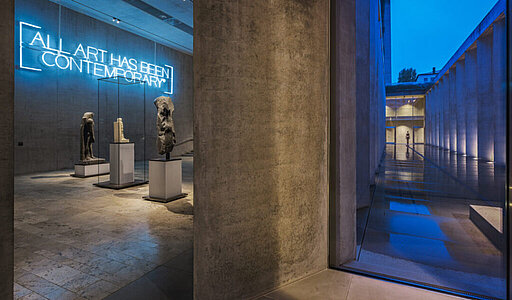
The exhibition spaces are located entirely underground. What role does this unique architectural design play in your sustainability strategy?
AS: The underground location of the exhibition halls has proven to be a major advantage. It ensures high thermal inertia, which means that temperature and humidity levels fluctuate only very slowly without active climate control. This characteristic was a key prerequisite for the successful implementation of the nighttime shutdown of the ventilation and air conditioning systems.
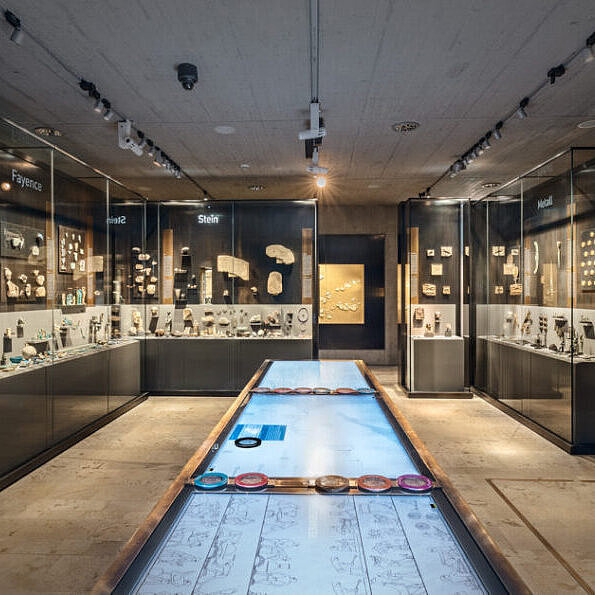
How does the architecture of the SMÄK reflect the principles of circular construction, and what inspiration can this building provide for the integration of architecture and sustainability?
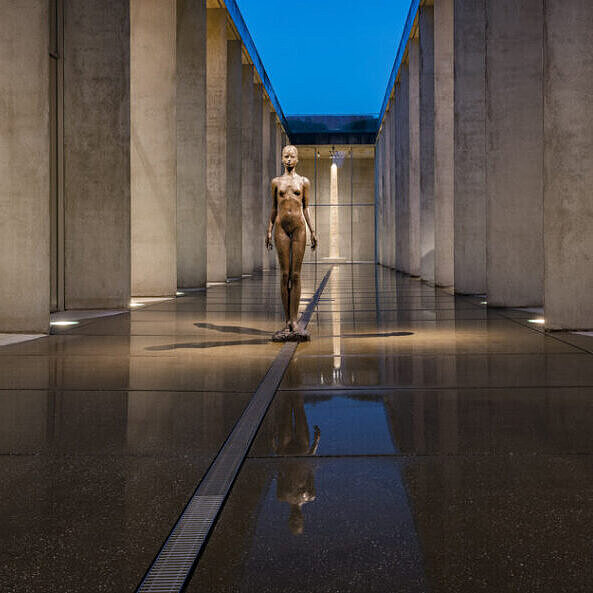
AS: When the museum building was constructed, the principles of circular construction were not yet a priority. Nevertheless, its current use demonstrates that existing architectural potential—such as its underground location for passive climate control—can be utilized sustainably. At the same time, it’s important to note that the building’s use of materials like glass, steel, and concrete results in a high environmental footprint.
In which areas of museum operations do you currently see the greatest potential for savings, and what specific steps are you planning next?
CG: The greatest potential for savings at present lies in further optimizing climate control. The next concrete steps include negotiating with our stakeholders to ensure that 100% biogas is purchased in the future (the museum is part of a purchasing consortium here that it cannot control independently) as well as placing a greater emphasis on the circular use of materials in the design of future exhibitions. We’re also currently exploring the installation of our own PV system on the museum’s administrative building roof.
How do you handle CO₂ emissions and offsetting—particularly in the areas of transportation, business travel, and areas where emissions are difficult to avoid?
AS: The museum takes a nuanced approach to offsetting. In principle, the priority is on avoiding emissions. Where this is not possible—such as when transporting works of art—we are currently assessing whether offsetting through certified and sustainable projects is feasible and compatible with budgetary constraints. For business travel, the rule is: If the destination can be reached by train in less than five hours, flying is not permitted. In addition, electric vehicles should be the preferred choice when renting vehicles.
What lessons learned would you share with other cultural institutions that want to become more sustainable, especially in the initial phase?
CG: A key factor for success is clear leadership commitment to ecological transformation. Without this support, cultural change is difficult to implement. In the initial phase, it’s important to establish a robust data foundation, for example through “green screening” and an initial greenhouse gas inventory. Then, you should define specific actions with timelines and assigned responsibilities. We meet regularly as a part of our environmental team for a standing meeting to evaluate and update these measures.
AS: Visible and tangible successes, such as the introduction of nighttime power shutdowns, can motivate employees internally and demonstrate to the outside world that change is possible. At the same time, I would like to emphasize that while we have set out on this path and established a systematic approach through an environmental policy and an action plan—we are still at the beginning of the process in many areas. We quickly learned that integrating principles of environmental sustainability into museum operations is a long-term process—setbacks included.