Accessibility

 Language
We support you in taking up a strategic position in an emerging market worth billions, building resilient partnerships and implementing concrete projects.
Our offer:
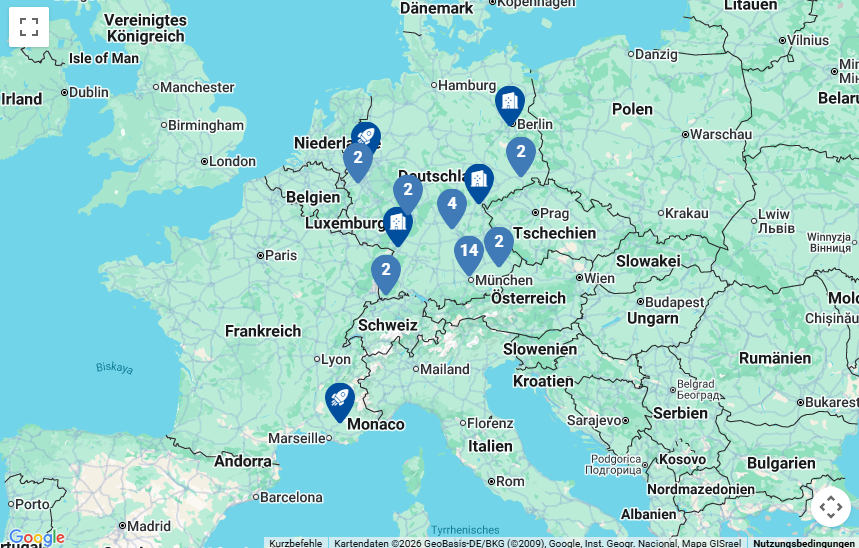
Become part of a growing, strategically relevant ecosystem. In the Bavarian fusion network, companies, start-ups and research institutions pool their expertise along the entire fusion energy value chain.
From high-performance materials, cryogenic and vacuum technology, precision optics and manufacturing technologies, innovative reactor concepts and laser approaches to safety, engineering and technology transfer, the industrial foundation for the energy of tomorrow is being laid here.
So what are you waiting for? Become part of this future market.
The time is now!
Fusion energy will reach the industrial phase in the coming years. Experts are talking about the 2030s to 2040s. The dynamics in technology, politics and business clearly show that the market is now forming.



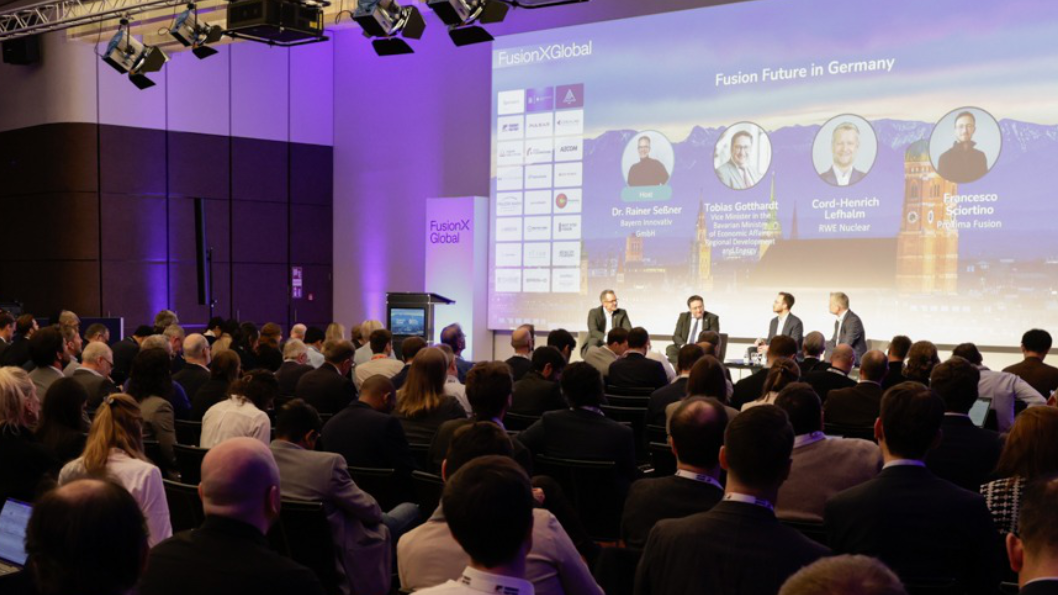
FusionX: Global
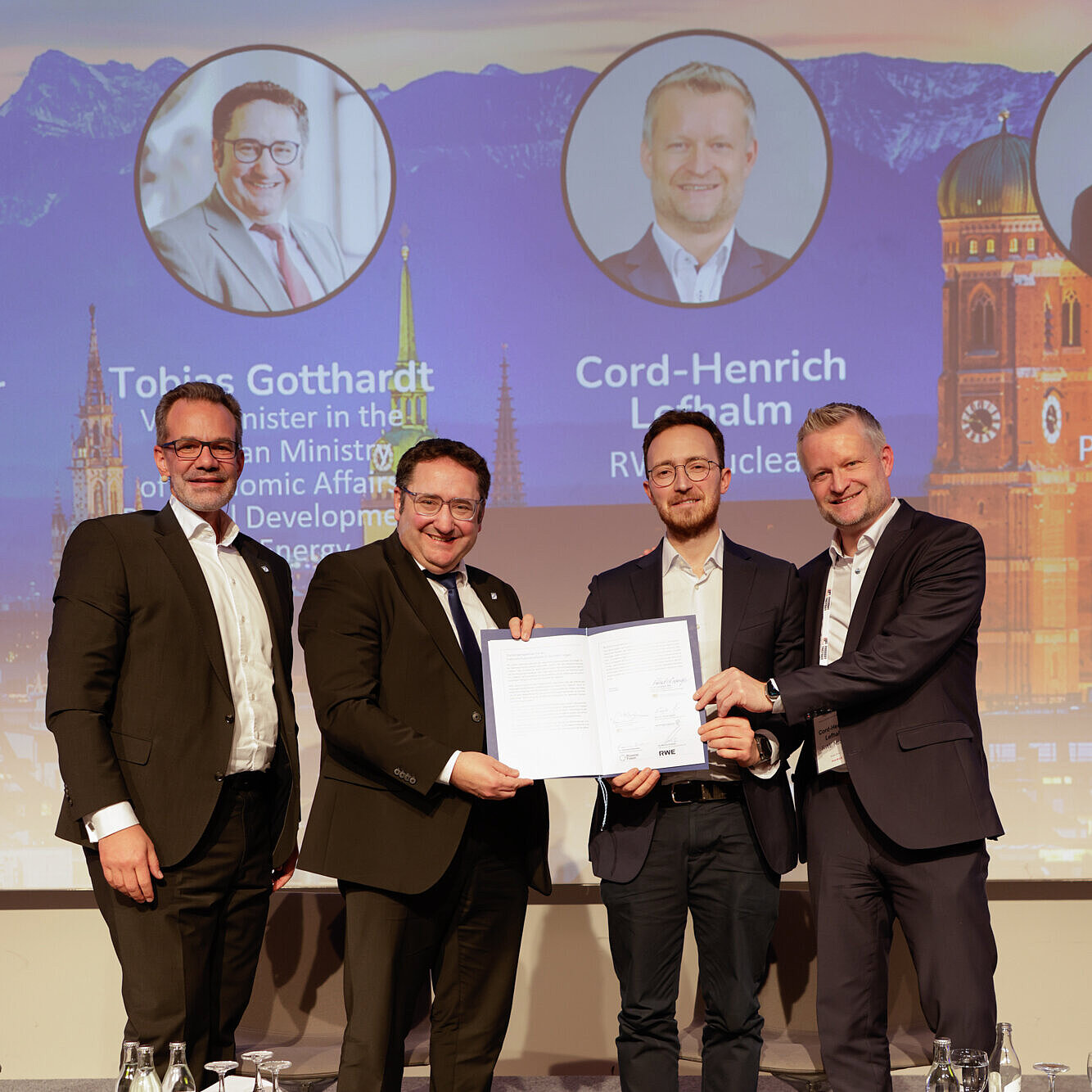
FusionX: Global is the leading event for the industrialization of fusion energy. Almost 500 experts from business, science, politics and capital came together at the end of February 2026 to talk about the industrialization of fusion. In the end, there were promising partnerships, exciting panels, keynotes and workshops as well as an announcement that can be seen as a milestone for the Bavarian fusion location. All impressions, learnings and pictures.
Fusion needs more than physics.
To turn research into industrial reality, strong industries are needed along the entire value chain. This is precisely where our networks come in - from materials and production to medical technology, security and digitalization.
Bayern Innovativ works on the central levers of the ecosystem:







These are the levers we activate:
We connect capabilities, structure projects and unlock potential to turn technological excellence into economic success.

Understanding the market. Seize opportunities.
We show you where fusion will become economically relevant and what business opportunities will emerge, giving you clarity on where a market entry is most advantageous for your company.

Secure funding. Set up projects.
We support you in setting up viable consortia and accompany you from the idea to the funding application. This increases your chances of funding and successful implementation.

Funding & consortium architecture
We work with you to structure collaborations and project steps - from pilot projects to European initiatives.

Becoming visible in the market of the future.
We position your company in the Bavarian merger ecosystem. So that you are noticed by industry, politics and capital.

Shaping the market together
Fusion can only reach industrial scale through the combined forces of capital, innovation and industrial execution. In Bavaria, investors, start-ups, industry and associations are joining forces to shape this emerging market.

For investors
-
Qualified access to deep tech deal flows
-
Assessment of technological maturity in a network context
-
Co-investment options with public leverage

For start-ups & spin-offs
- Access to pilot customers and industry partners
- Support with roadmap, funding strategy and consortium formation
- Visibility in the Bavarian innovation system

For industry & SMEs
- Orientation in a strategic technology field
- Partnerships for demonstrators and industrial integration
- Long-term energy and innovation strategy with a system view

For administration & politics
- Overview of stakeholders and needs
- Dialogue formats with impact
- Input for programs, strategies and location decisions
Structure for your entry into the industrial implementation of the merger
Fusion means technological depth, capital commitment and long horizons. That's why we don't start with action, but with classification. Together, we clarify where you stand, which options are realistic and which formats are effective. Based on this, we develop your concrete approach to the fusion ecosystem.

1. strategic orientation meeting
You define your ambition. We reflect realistic options.
2. find the right structure
Matchmaking, workshop, consortium, event, funding path.
3. continuous networking & scaling
You use the ecosystem strategically rather than selectively.
Secure access now View ecosystem map


Contact us
Contact our team at fusion(at)bayern-innovativ.de, or directly at:

 Bayern Innovativ GmbH,