 Accessibility

 Language
Fraunhofer-Institut für Silicatforschung ISC

Fraunhofer-Institut für Silicatforschung ISC
Neunerplatz 2
97082 Würzburg
Deutschland
https://www.isc.fraunhofer.de/de/arbeitsgebiete/materialien/glas.html
Rick Niebergall
Leiter Glastechnologie
Tel.: +49 931 4100-252
Contact per mail
Profile
Around 100 years of expertise in glass research and development: The Fraunhofer Institute for Silicate Research ISC supports companies in glass production and processing and provides ideas for new glass applications: with new formulations and technologies, with material and process development, with analytics and quality assurance. The Glass Technology department is certified according to DIN EN ISO 9001:2015
Technology / Research
- Mixing technology for batch preparation
- Melting in over-edge casting (up to 2 l melting volume) or in shaft casting process (up to 5 l melting volume, also for optical glass in quartz glass crucible)
- High-throughput screening system
- digital twin
- Fiber drawing from preforms
- Fiber drawing directly from the melt
- Defined cross-section reduction through the redrawing process
- Grinding technology for powder production, various coating technologies coating technologies
- CAD/CAM technology
- 3D printing
Products / (services) performances
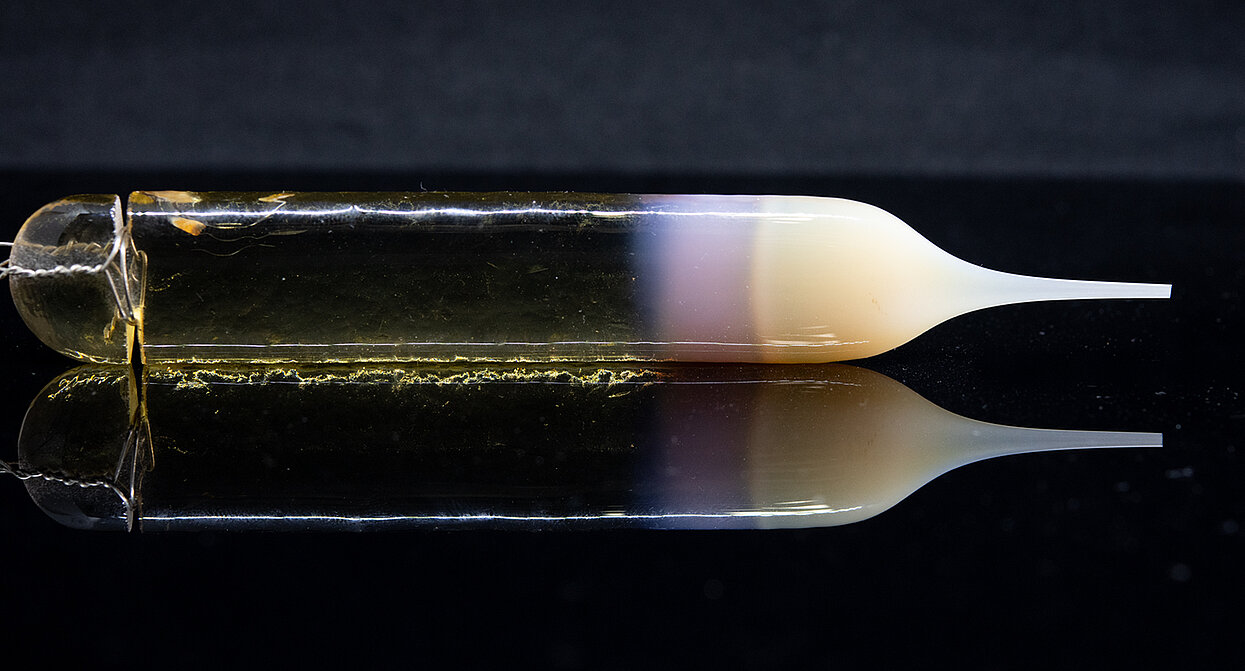
- Production of semi-finished products: frits, powders, flakes, fibres, blocks, rods, tubes, customer-specific shapes
- Development of specialty glasses and glass ceramics such as Glass solders, porous glass, solid electrolytes
- ion-conducting glasses, bioactive glasses, dental glass ceramics, optical glasses
- Glass characterization incl. wet-chemical glass analysis
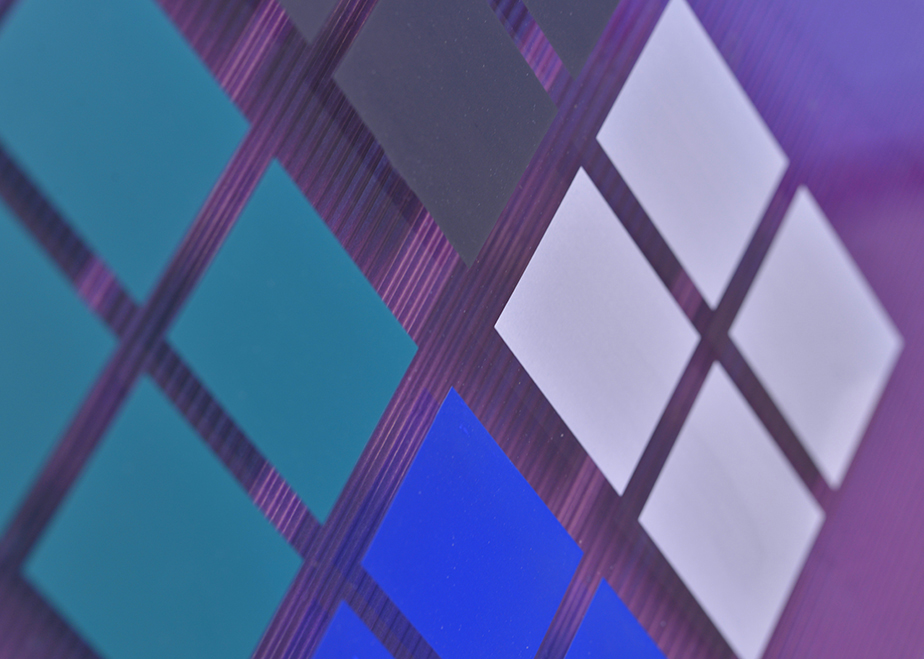
- Glass refinement (coating and structuring)
- Plant design and construction
Information
The Fraunhofer Institute for Silicate Research ISC is one of Europe's leading materials research institutes for the development of innovative and sustainable materials and technologies. Current research focuses include battery materials, glass and high-temperature materials, bio-based, PFAS-free solutions for packaging and textiles as well as materials for the hydrogen economy and printable electronics. Glass, ceramics, hybrid polymers and smart materials are key materials. Digitalization and acceleration of material development (materials acceleration) through the use of AI as well as design for recycling are the focus.
The institute has sites in Würzburg, Bayreuth and Wertheim. It has extensive materials expertise and experience in production and upscaling to pilot scale. It also offers services such as analysis and characterization, process optimization and the construction of specific devices and systems.