Accessibility

 Language
Review cluster meeting
Best practice to watch: "Future quarter IN-Campus"
24.03.2026
The IN-Campus in Ingolstadt is one of the most innovative district developments in Germany and is setting new standards for a climate-neutral energy and heat supply.
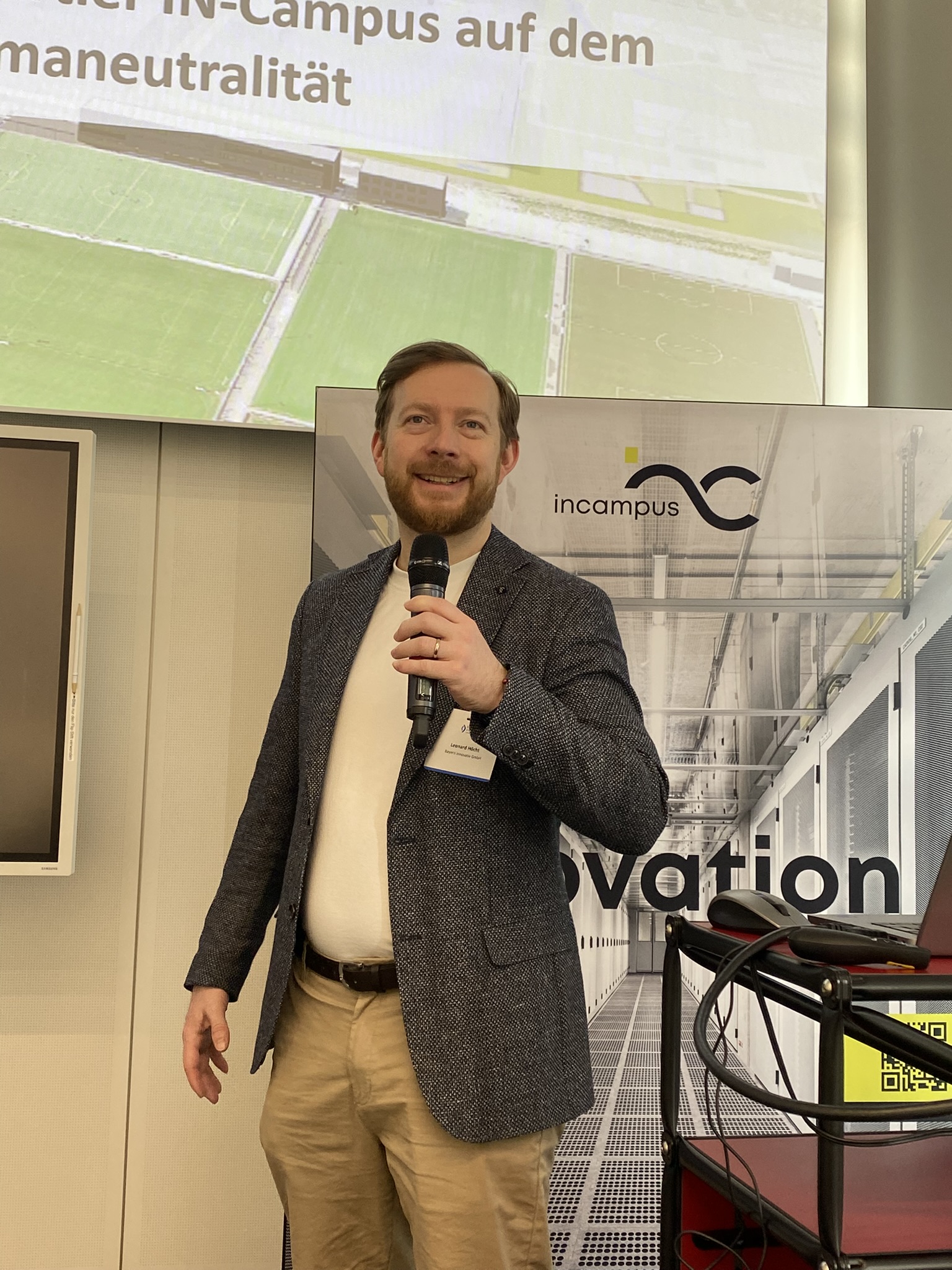
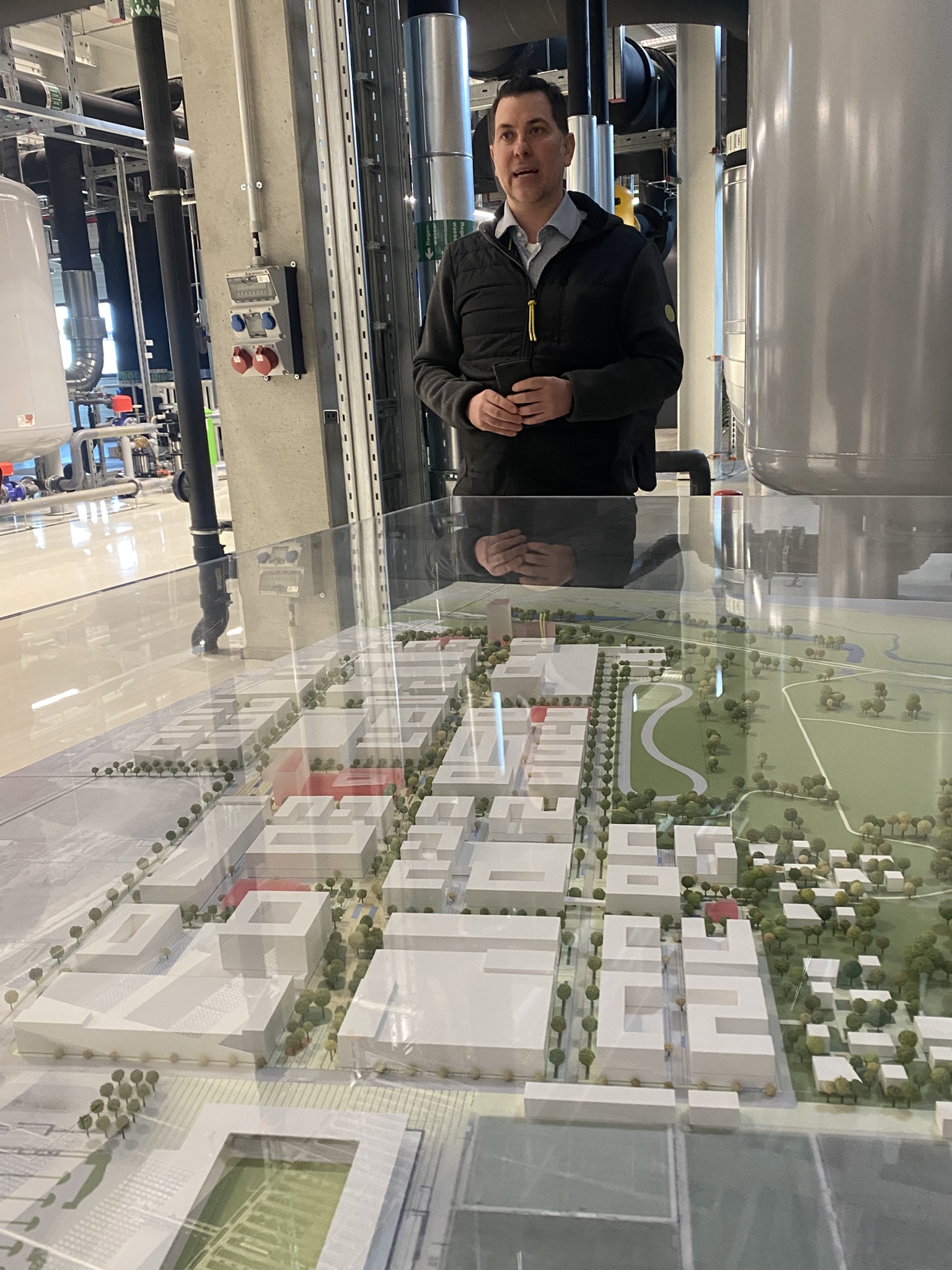
The integrated energy concept of the technology park was the focus of the on-site cluster energy technology meeting "Future quarter IN-Campus on the way to climate neutrality" on March 18.
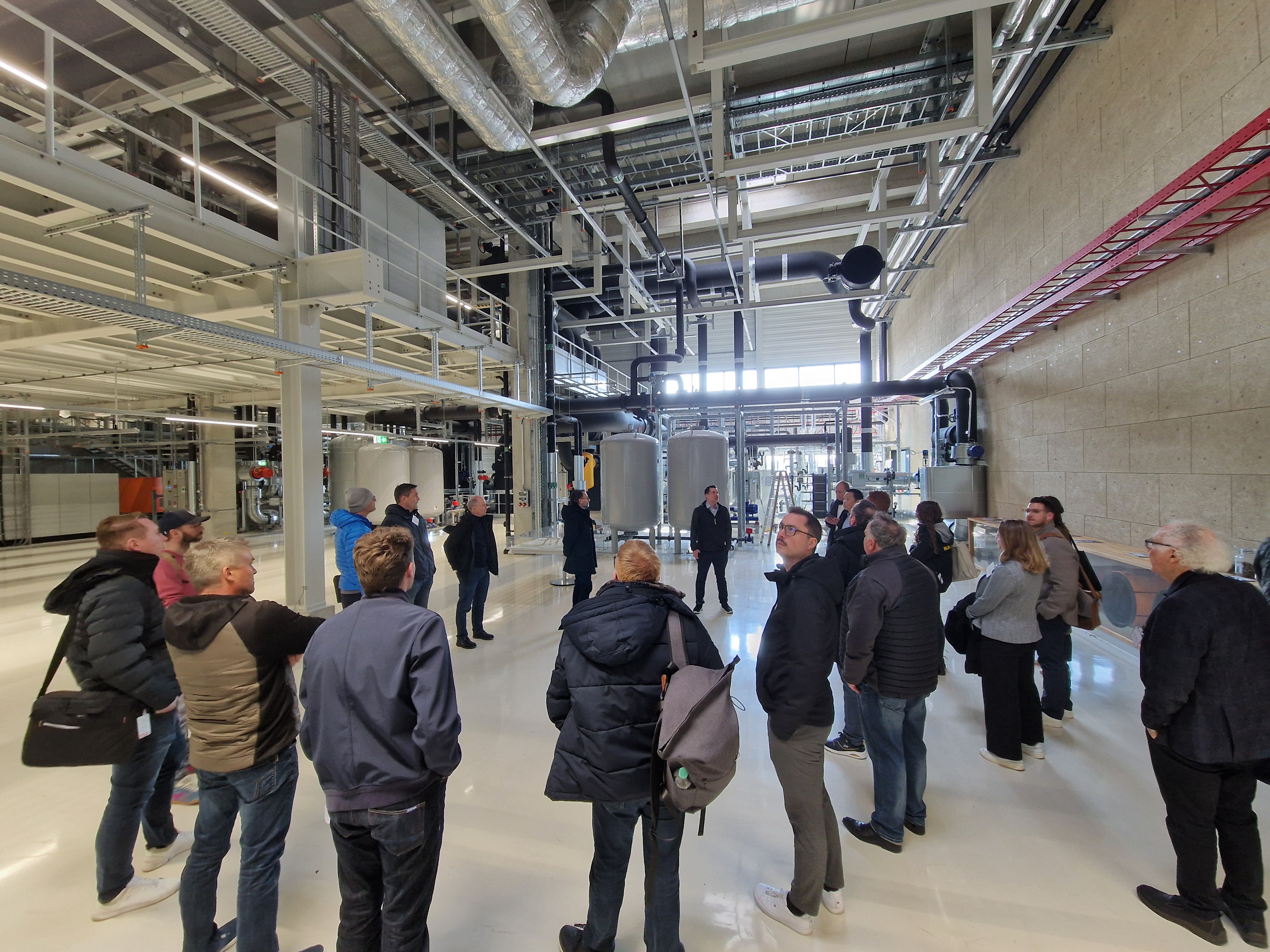
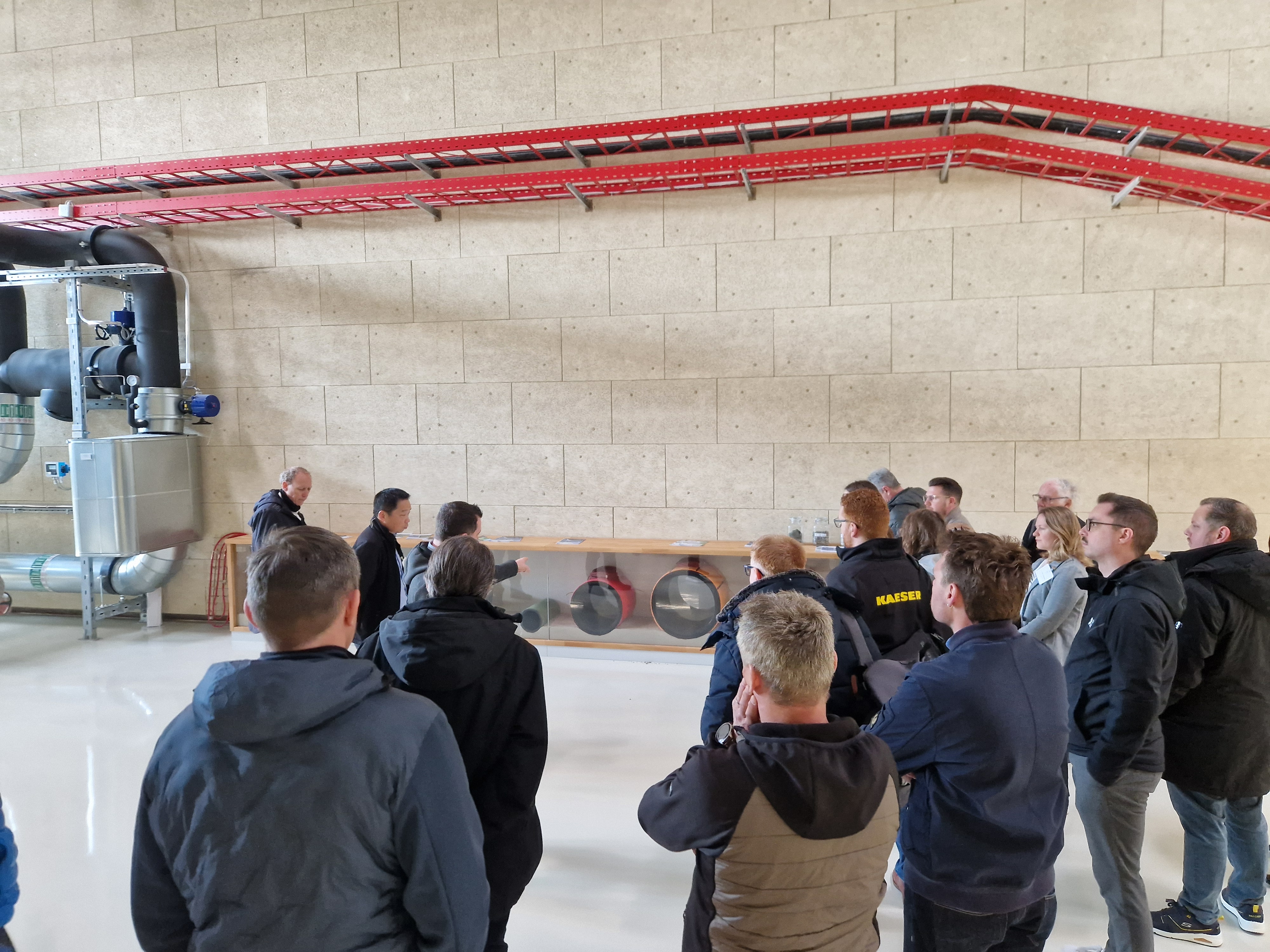
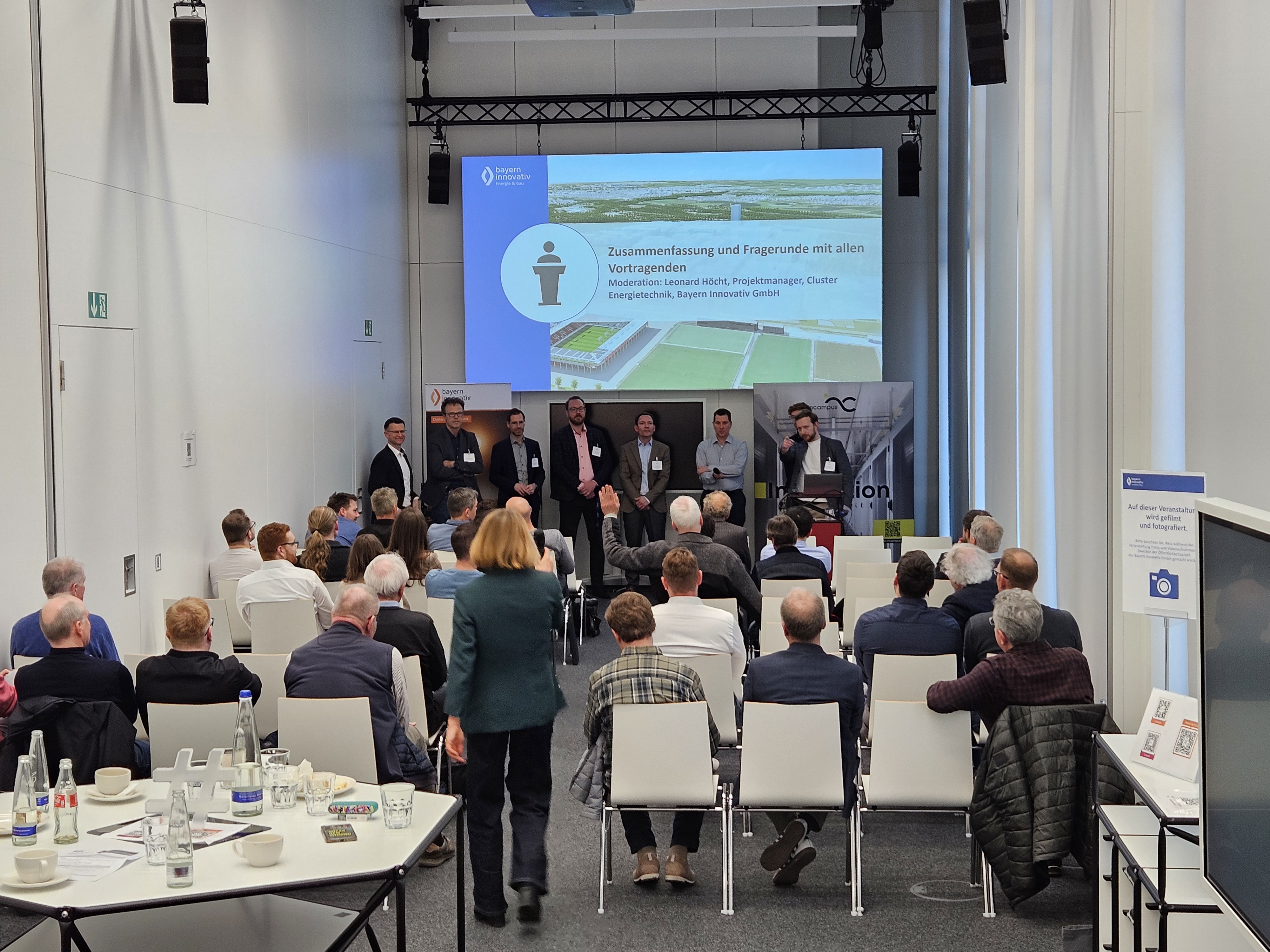
Over 50 participants learned how climate neutrality can be implemented technically, economically and systemically at district level. A highlight of the event was the guided tour of the energy center, which is equipped with state-of-the-art technology.
A compact review with further impressions can be found here: Review of the Cluster Meeting Future Quarter IN-Campus | Energy & Construction at Bayern Innovativ
 Bayern Innovativ,
 Bayern Innovativ,
 Bayern Innovativ,
 Bayern Innovativ,
 Bayern Innovativ,
 Bayern Innovativ,
 Bayern Innovativ,
 Bayern Innovativ,
 Bayern Innovativ,
 Bayern Innovativ,
 Bayern Innovativ,
 Bayern Innovativ,
 Bayern Innovativ,
 Bayern Innovativ,
 Bayern Innovativ,
 Bayern Innovativ,
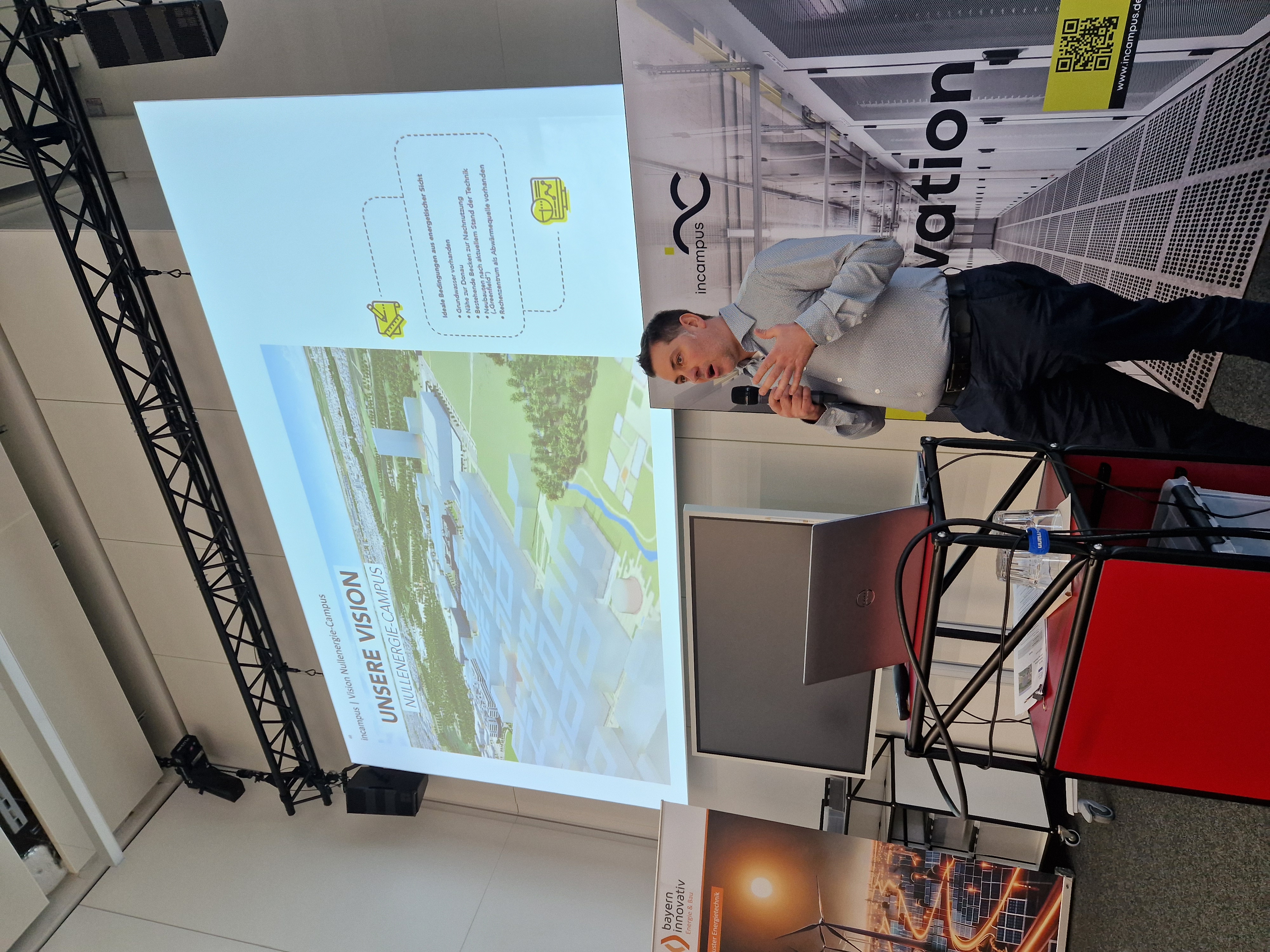
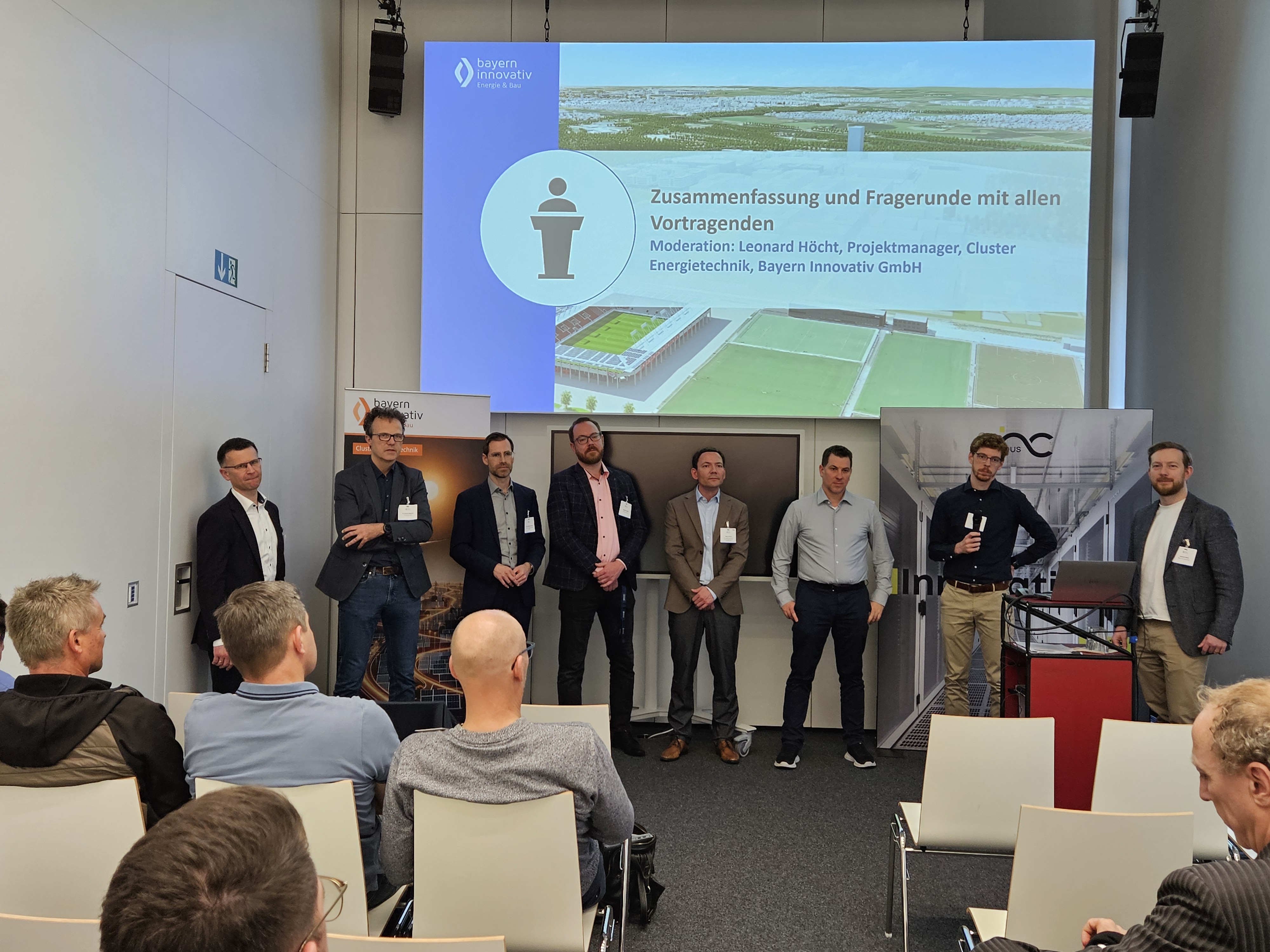
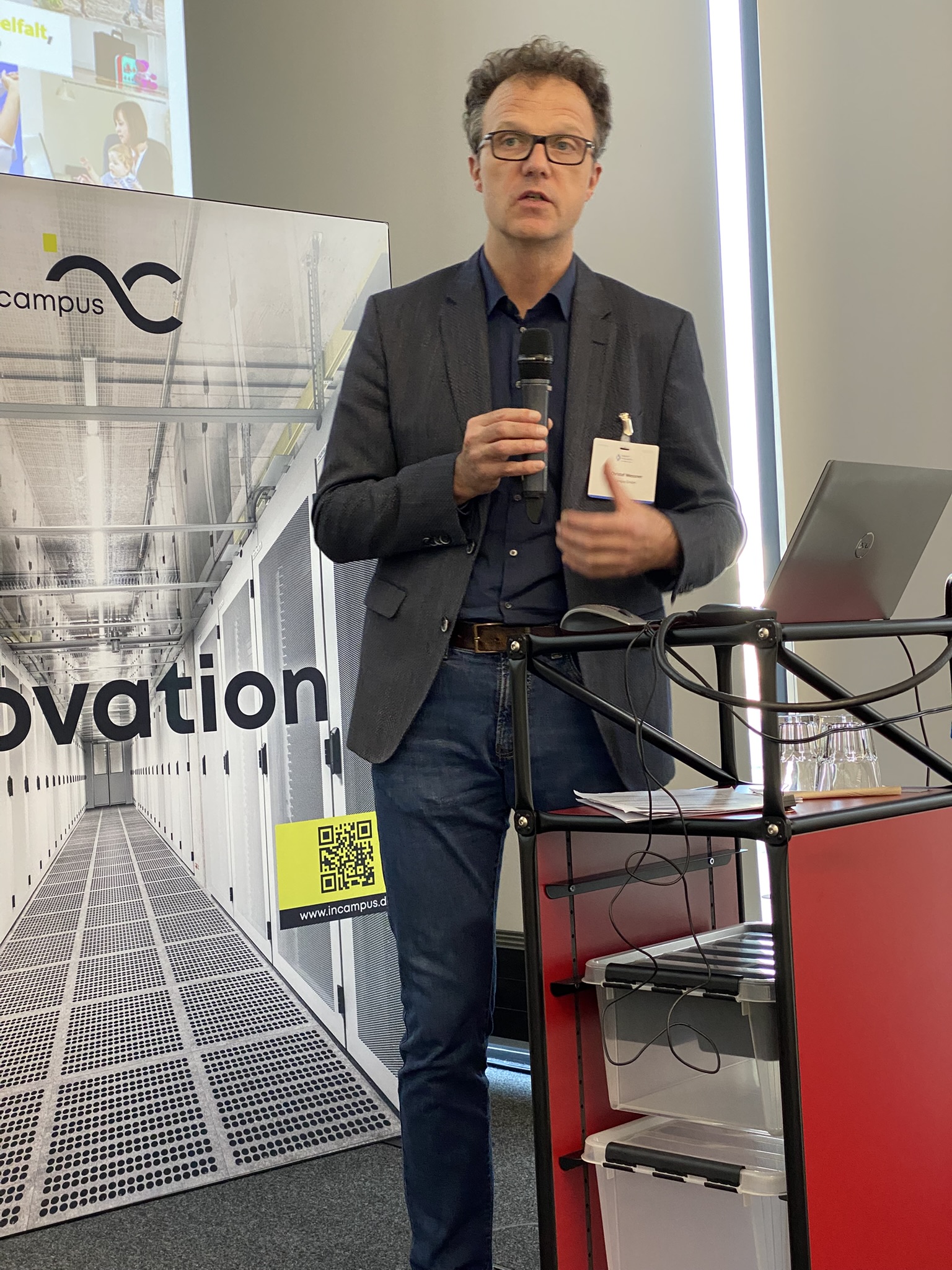
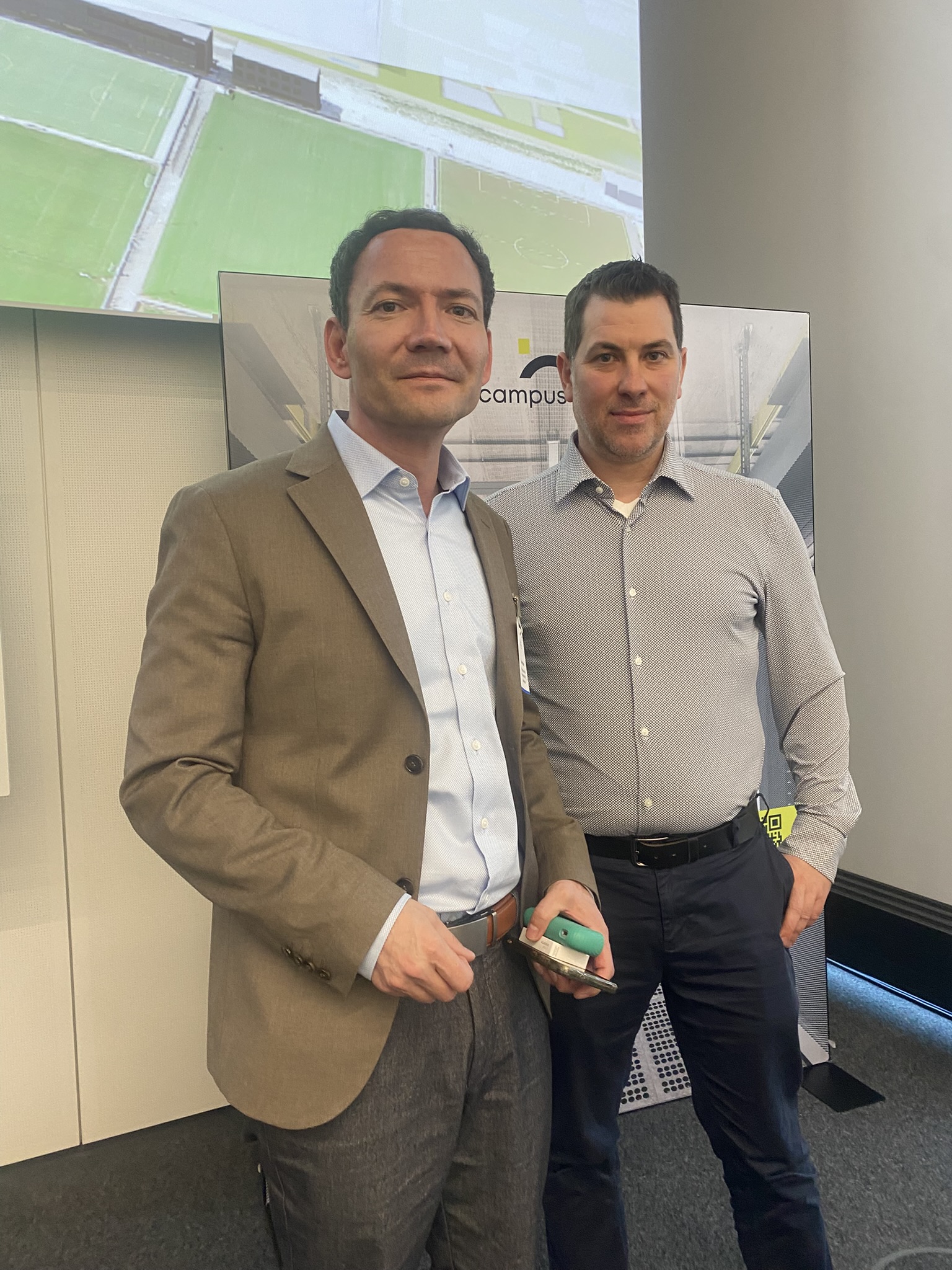
Our sincere thanks go to our host, IN-Campus GmbH, represented by Managing Director Dr. Christof Messner and Project Manager Markus Faigl. Together with Rainer Strobel from the M+M AG planning group, they provided practical insights into the concept.
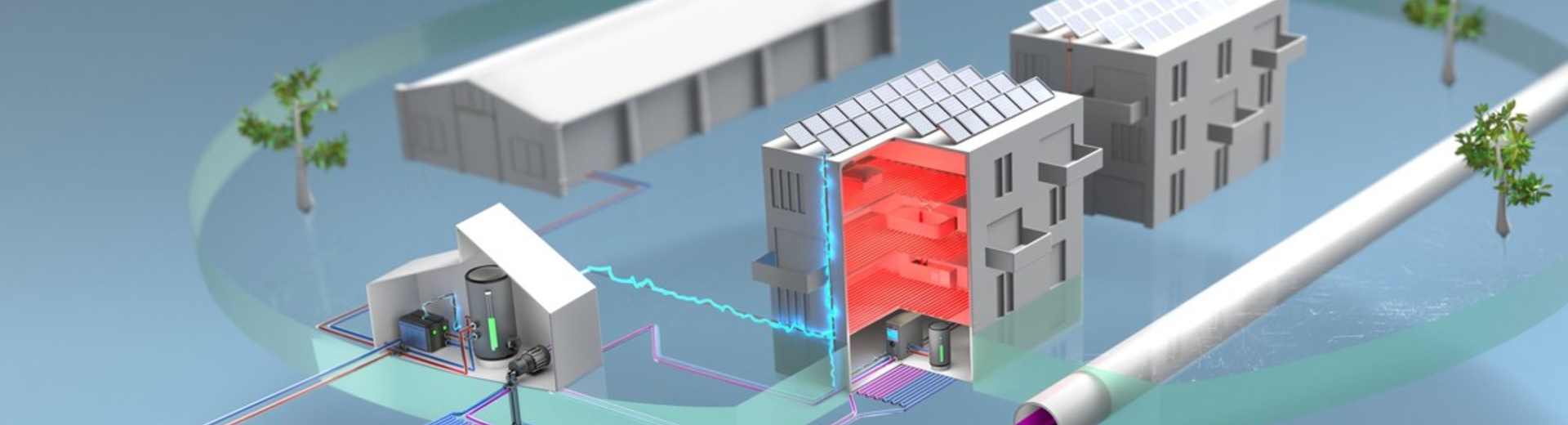
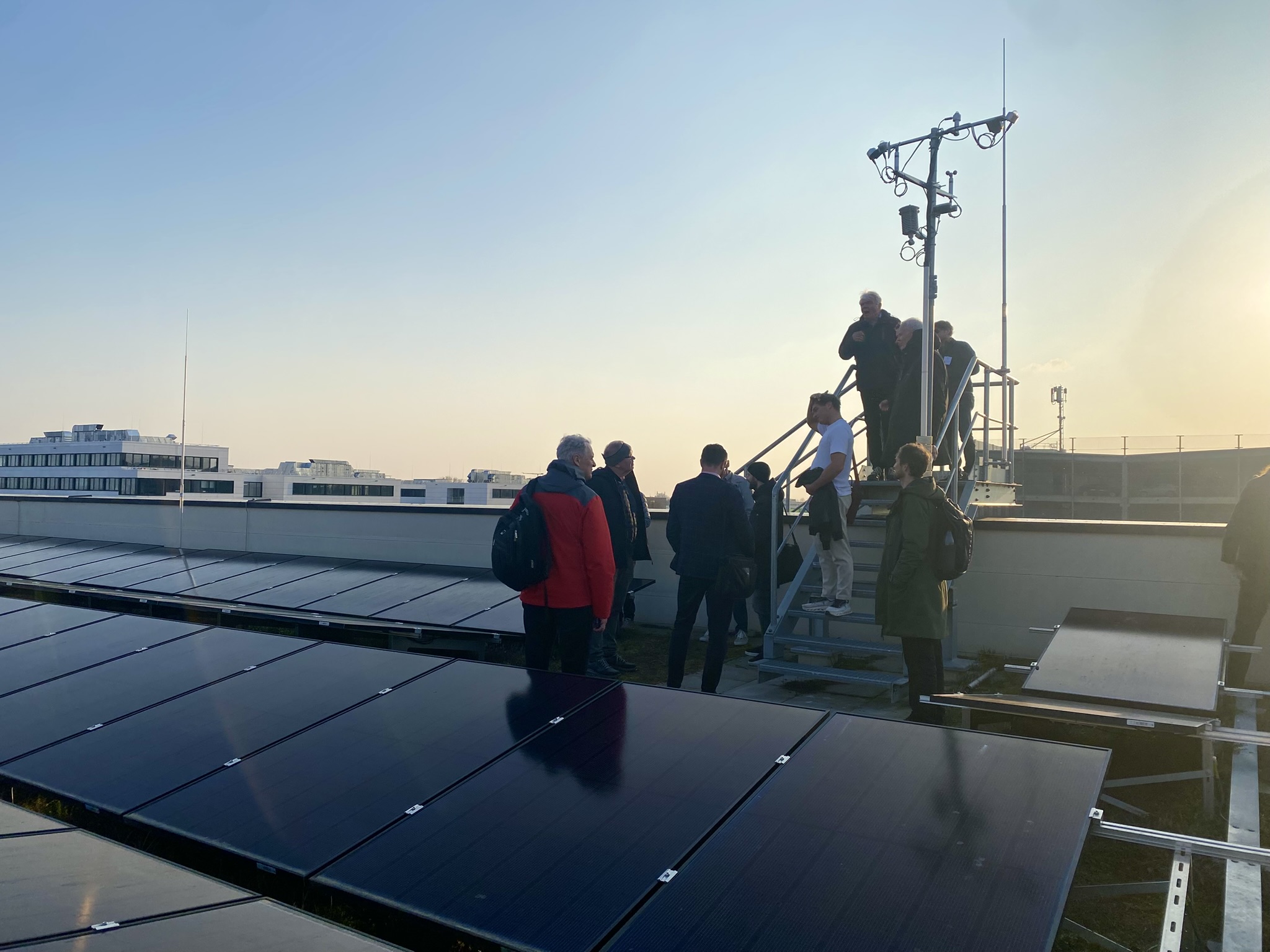
The core of the IN-Campus energy concept is a modular low-exergy system with a cold local heating network, reversible heat pumps, thermal storage and the consistent use of waste heat - especially from the data center. The energy supply is supplemented by photovoltaics, groundwater utilization and intelligent, digital energy management ("Cross Energy Concept"), which controls energy flows with foresight, reduces peak loads and enables the cross-sector networking of electricity, heating and cooling. The aim is to create a resilient, efficient site that can be gradually developed into a zero-energy campus.
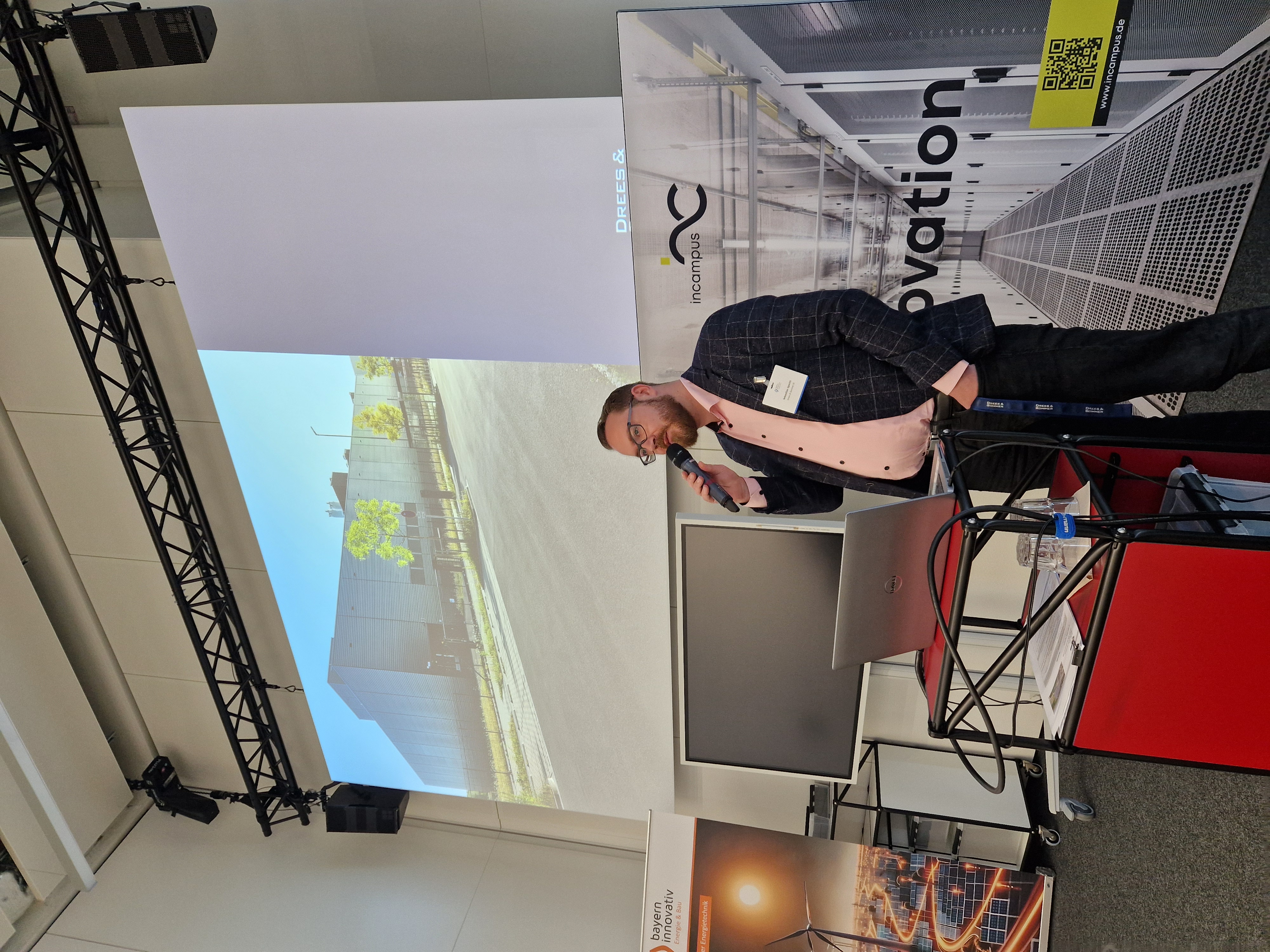
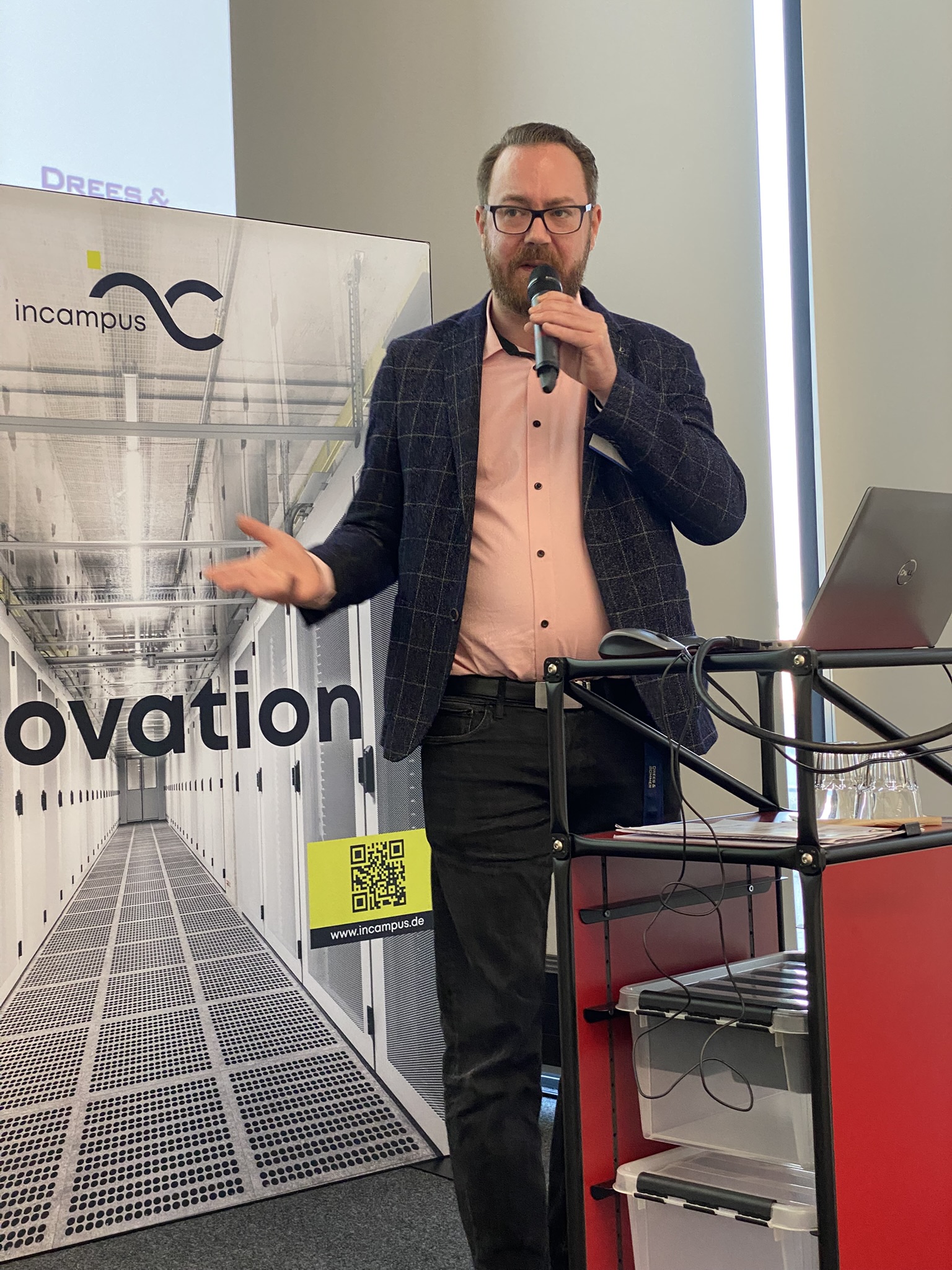
Many thanks to Sebastian Specht from Drees & Sommer for the exciting presentation on innovative energy concepts for data centers: In addition to the use of renewable electricity and efficient use of waste heat, there are other solution approaches for sustainable operation, e.g. planning with a digital twin, optimized temperature operation, the use of "refurbished servers", efficient code programming or the choice of the appropriate coolant.
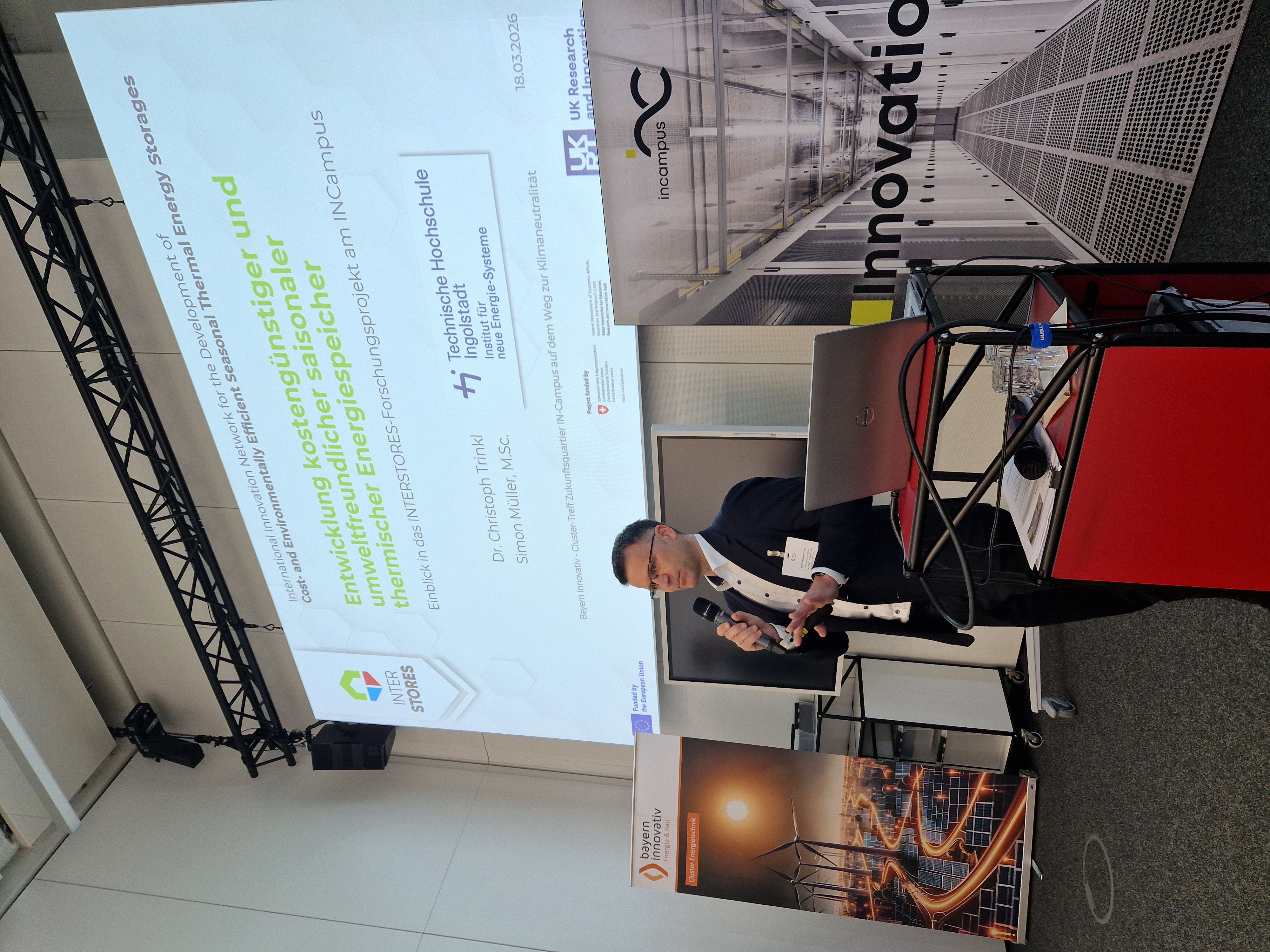
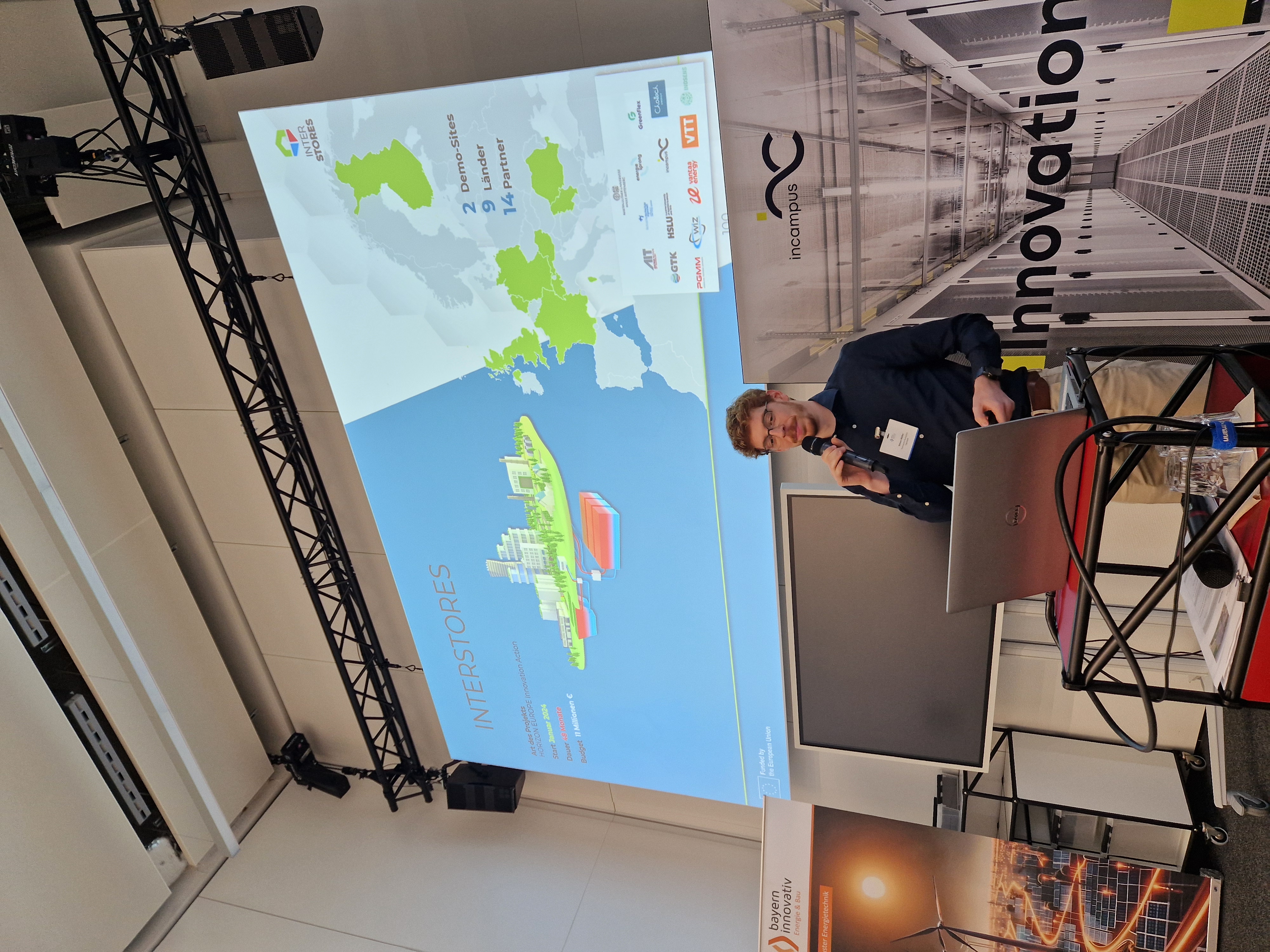
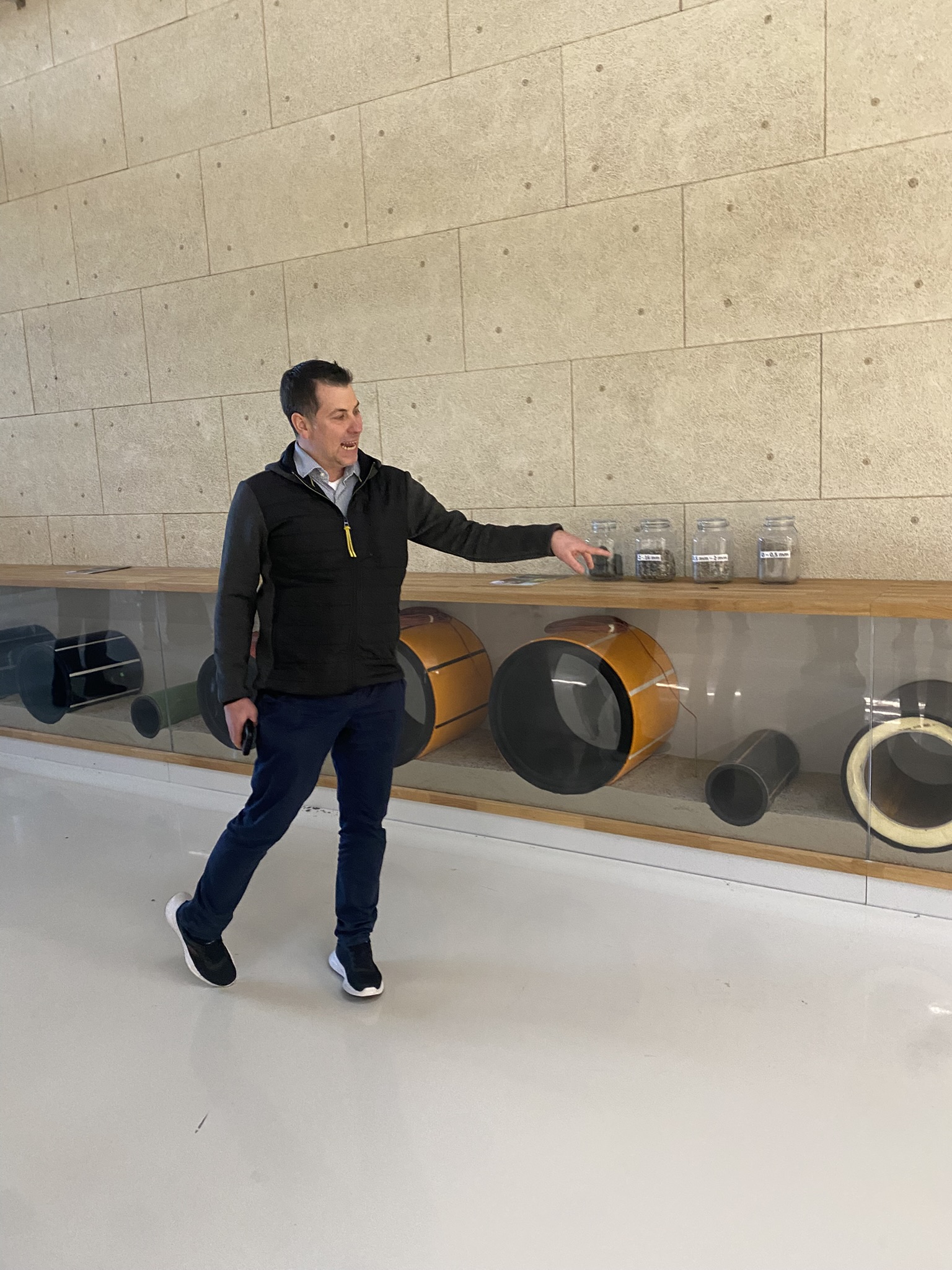
Dr. Christoph Trinkl and Simon Müller from the Institute for New Energy Systems (InES) at Ingolstadt University of Applied Sciences provided an insight into cost-effective and environmentally friendly seasonal thermal energy storage systems. They presented the gravel-water long-term heat storage system at the IN-Campus.
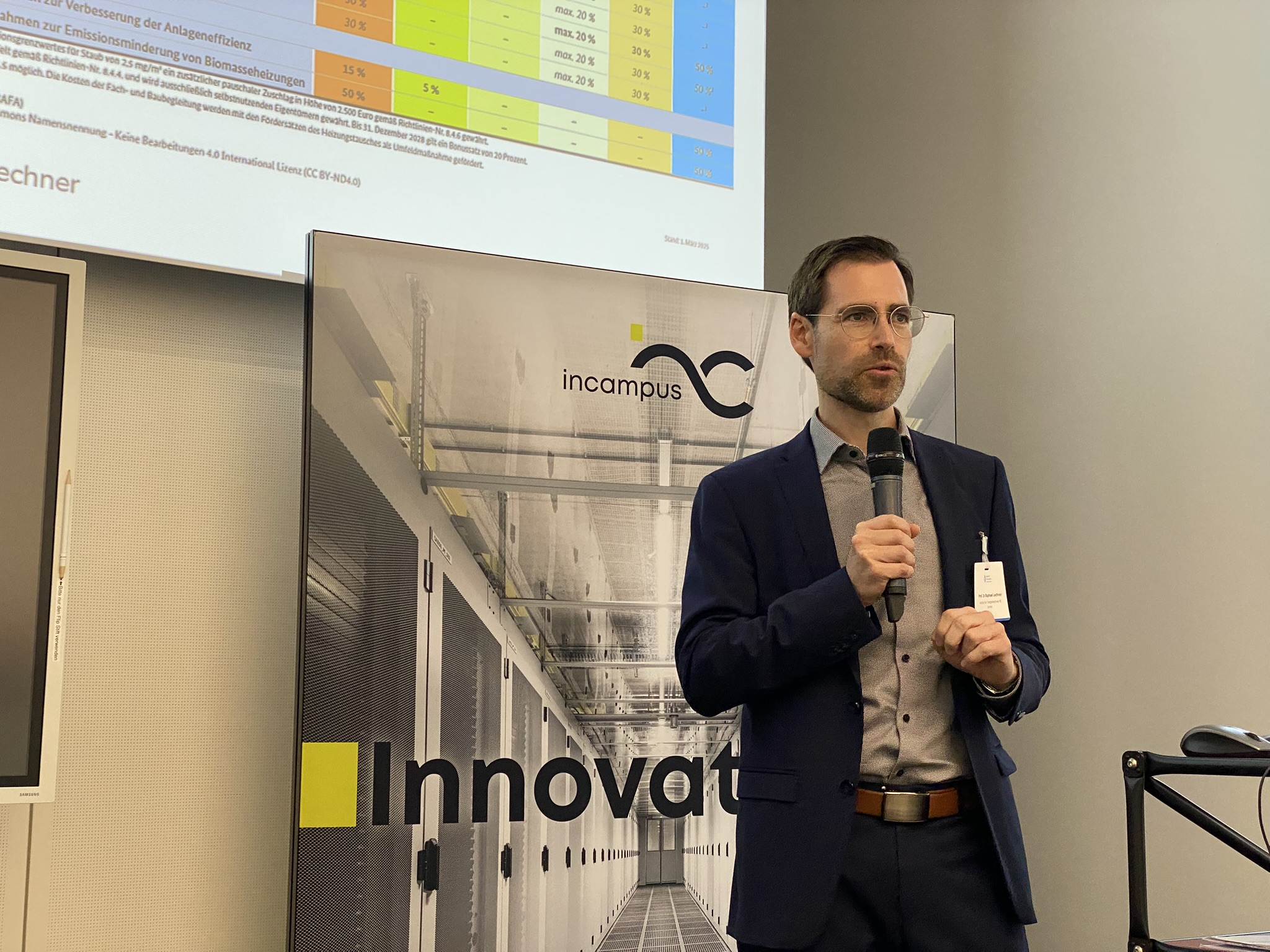
Prof. Dr. Raphael Lechner from the Institute for Energy Technology (Ife) at the East Bavarian Technical University Amberg-Weiden gave a comprehensive overview of the challenges, technologies and climate-neutral district solutions. At the same time, innovative heating and district solutions still need to be "pushed" financially. Prof. Lechner provided information on the most important funding programs.
The most important lessons learned from the event:
- The question of which heating network (cold or warm, which heat sources) is suitable can only be answered individually based on the respective conditions of the neighborhood: "It depends."
- You have to be prepared to take risks in order to implement innovative solutions that are not yet established on the market.
- Dreams can come true on a greenfield site: A bold goal geared towards climate neutrality and careful energy concept planning lead to a customized neighbourhood solution consisting of many building blocks. But creative solutions also make climate-neutral concepts possible in existing neighbourhoods.
We look forward to your suggestions for further best-practice solutions!
You may also be interested in this event: