 Accessibility

 Language
Despite its unassuming exterior, Nuremberg's Z-Bau offers plenty of space for a wide variety of contemporary cultural trends. The area has an eventful history behind it. It took some time for the former barracks to become the "House of Contemporary Culture". However, the active participants more than live up to this claim - and show how diverse culture can be today. From hip hop to the Comic Café.
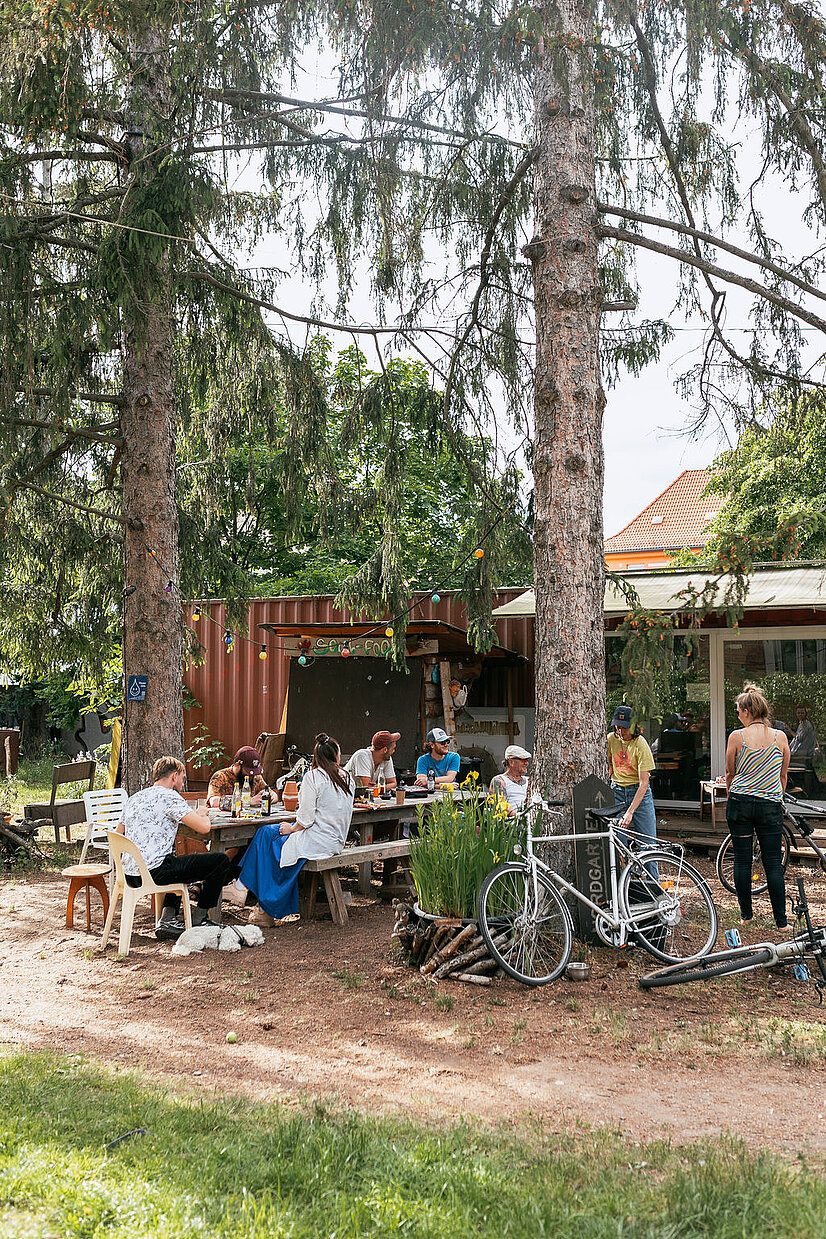
"Horchamol" is written on the façade of Nuremberg's Z-Bau, right next to a large entrance, spray-painted in awkward letters, but so large that it is clearly visible from afar. An announcement that reflects the claim of the Z-Bau well. The Franconian saying means something like: "Watch out!" When you enter the Z-Bau, you immediately experience culture in all its forms. And simply want to stay, because the large complex offers so much space for different things. If you walk from the gallery reading to the toilets, for example, you can hear the drone of black metal coming from the hall. Those coming from the role-playing game meeting can settle down in the cozy beer garden and round off the evening. Lots of ideas, lots of inspiration.
The open cultural center offers more than 5,500 square meters of space for cultural life in all its forms. Concert halls, studios, project offices, workshops, a recording studio, the Hintere Cramergasse e. V. art association, plus the aforementioned beer garden - all of this is located in and around the Z-Bau. It's no wonder that today it is a fixed meeting point for many Franconians on all kinds of occasions.
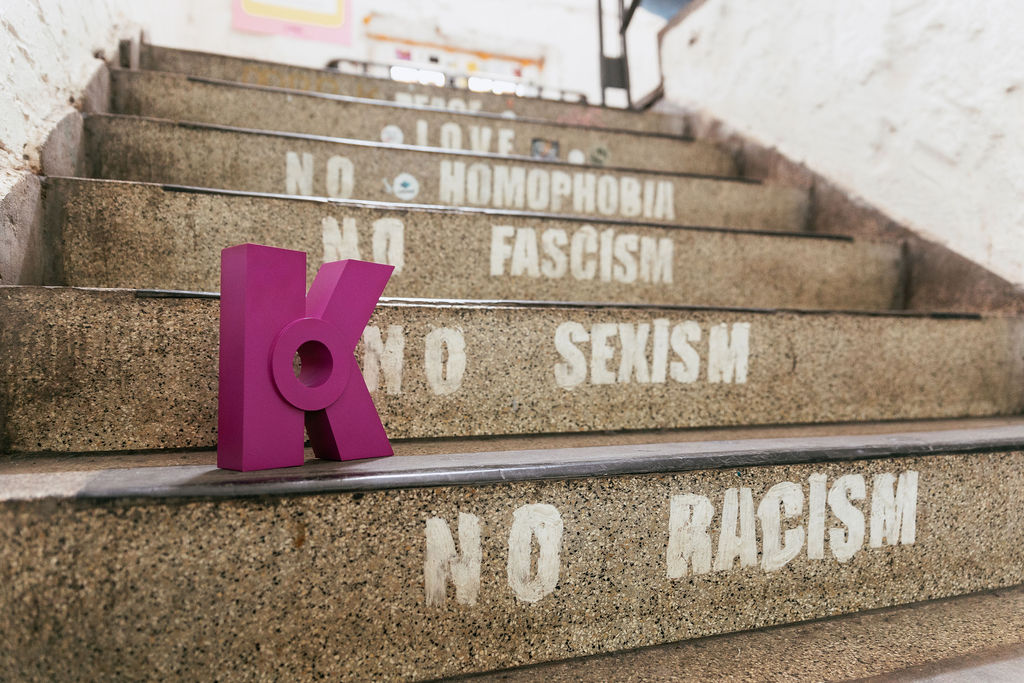
"It's now also a place where a lot of nightlife takes place and many different people come together," says Managing Director Steffen Zimmermann. A meeting place on the one hand, a place of cultural education on the other. "From panel discussions to parties, we reflect what is important in Nuremberg in terms of culture." Always with a focus on diversity and interdisciplinary understanding. The Z-Bau is open to all people and thus clearly opposes discrimination. This is something that many event organizers claim to be against, but which Z-Bau consistently puts into practice.
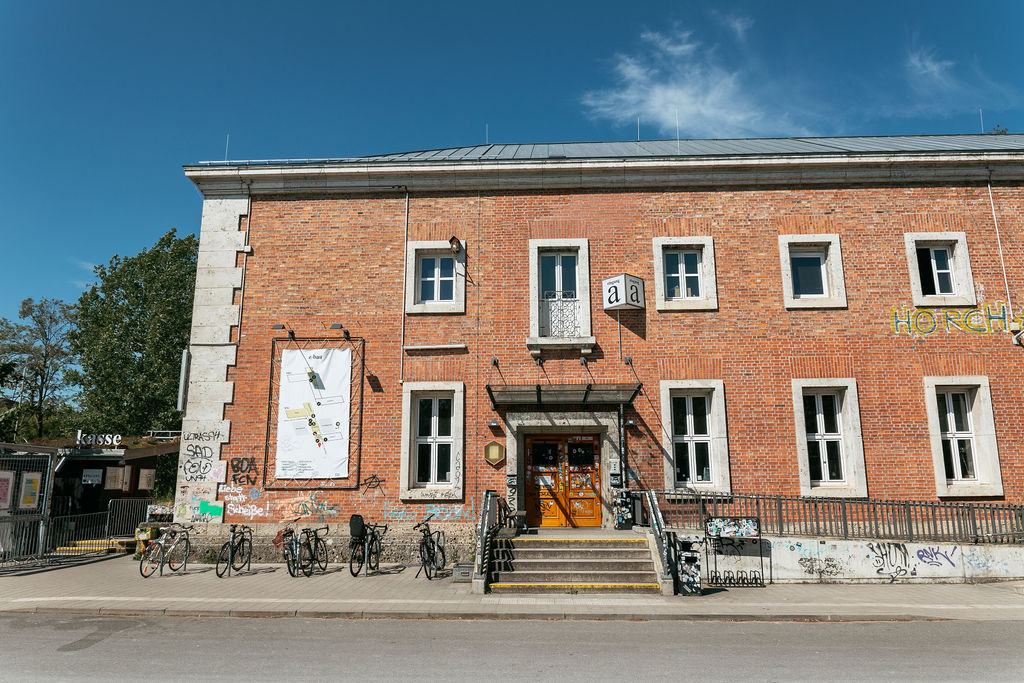
Originally, the Z-Bau was part of a southern barracks built in 1939, which housed SS units. After the end of the Second World War, the US Army took over the complex. When they left at the beginning of the 1990s, the alternative cultural scene moved into the Südkaserne 200 building known as "Z-Bau". As an interim use until the dilapidated building was demolished. (It got its name from its bird's-eye view shape.) But things turned out differently.
After many years of discussions, Nuremberg City Council decided to carry out a general refurbishment in 2011. Four years later, it opened in October, now as an open center for contemporary culture. The poster with the first event announcements still hangs in Steffen Zimmermann's office today.
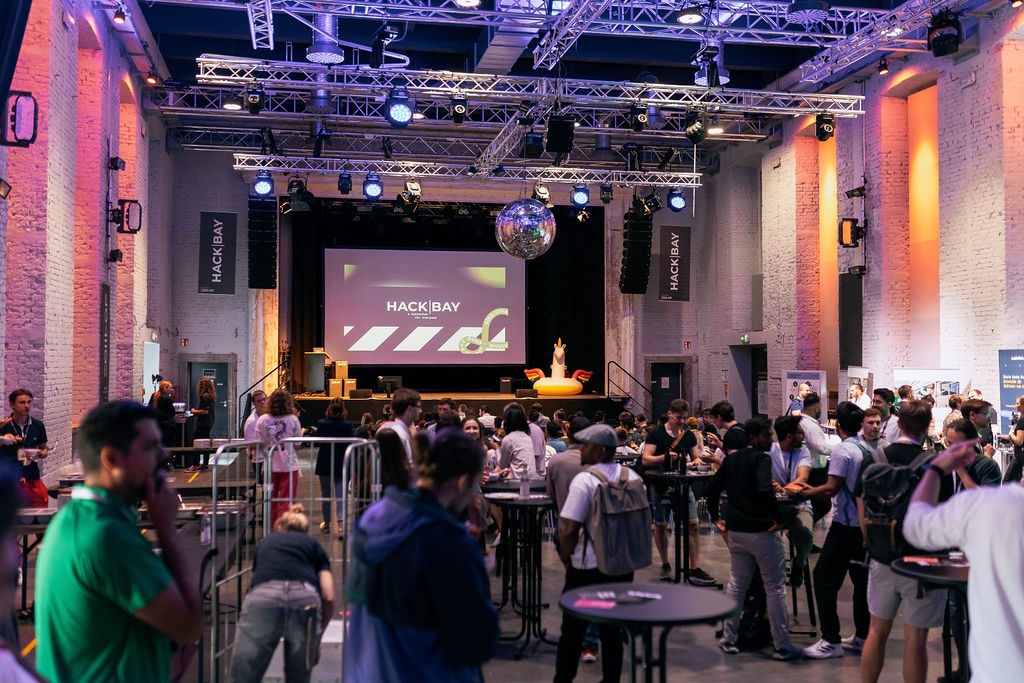
"The central theme for us is that we focus on the whole area of alternative culture and also provide spaces in this segment." The various events at Z-Bau are correspondingly diverse. A hackathon is followed by a weekly market. One day, soccer journalists Arnd Zeigler and Philipp Köster drop by for a reading, the next there is a symposium on innovative drug work. "We don't organize many events ourselves, but rather try to bring people into the building who can then use these rooms for their work and topics."
After the interim use was not extended, the GkF - Gesellschaft für kulturelle Freiräume was founded, consisting of the Kunstverein Hintere Cramergasse e. V., the Musikzentrale Nürnberg and the City of Nuremberg. The concept for the Z-Bau emerged from this merger - with a non-profit basic orientation towards the common good. Or, as the mission statement puts it: "As a house for contemporary culture, it represents the heterogeneous field of contemporary music, art and cultural trends, on whose grounds its protagonists find a designable and protected free space."
"What sets the building apart is the atmosphere," says Zimmermann. "Firstly the building itself, but also the room layout." What was once intended to house and train the armed forces has proven to be ideal for events. The different rooms and their sizes mean that different formats and people can be brought together. The band Kettcar once filmed a music video in the rooms, and then an international company from the region held a large event in the Z-Bau.
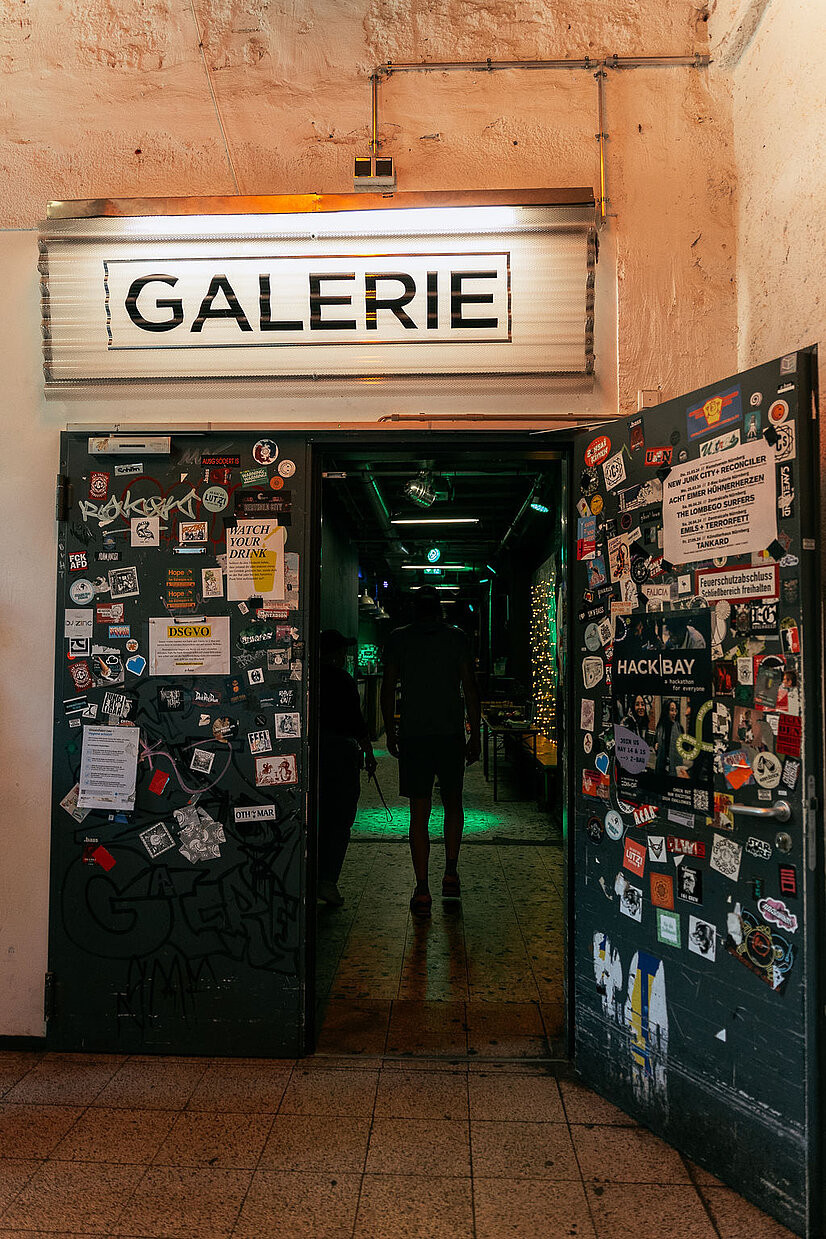
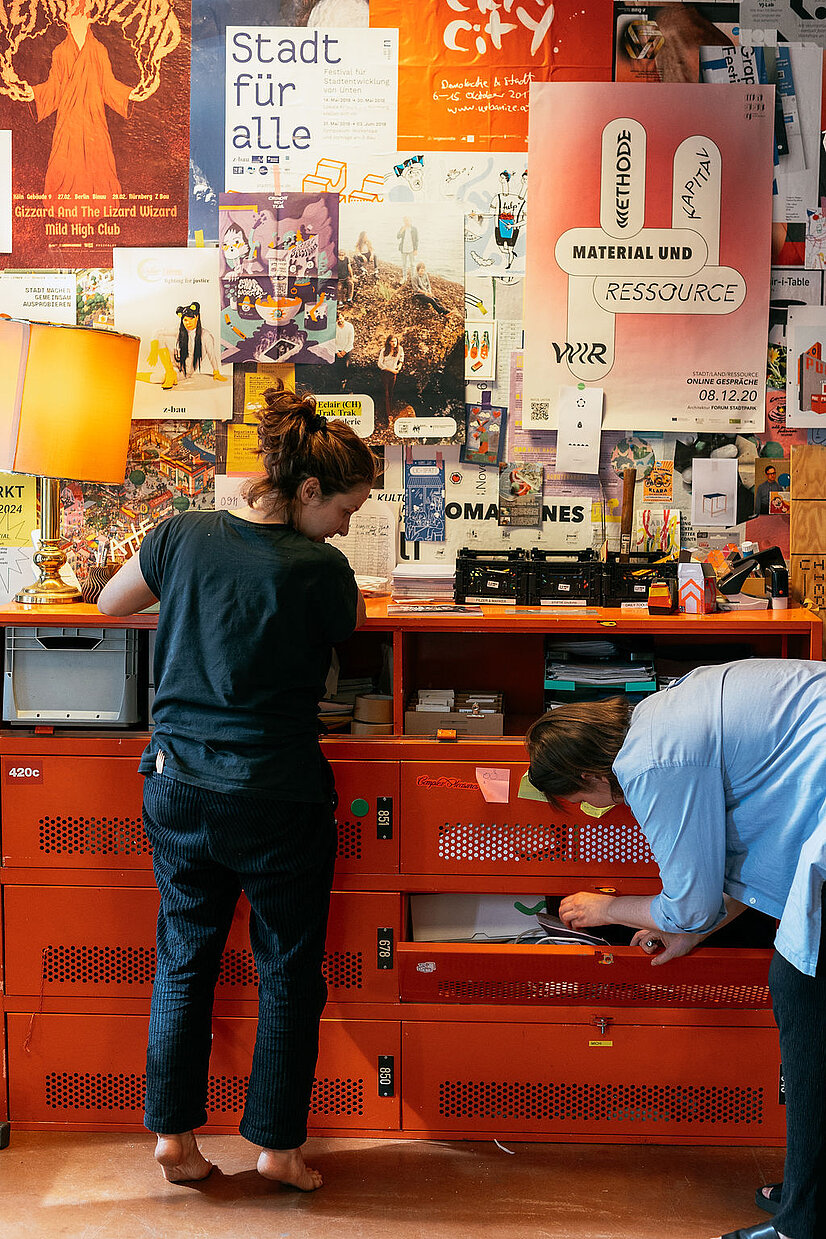
Today, events are also held in the Z-Bau in cooperation with Messe Nürnberg, and experts give their lectures here. There are many collaborations with the city's creative industries anyway, says Zimmermann. "Many event organizers are of course artists who run this as a business and can earn money in these rooms."
Many event organizers are of course artists who run this as a business and can earn money in these spaces.
Steffen Zimmermann, Managing Director Z-Bau
And where is Z-Bau heading in the next few years?
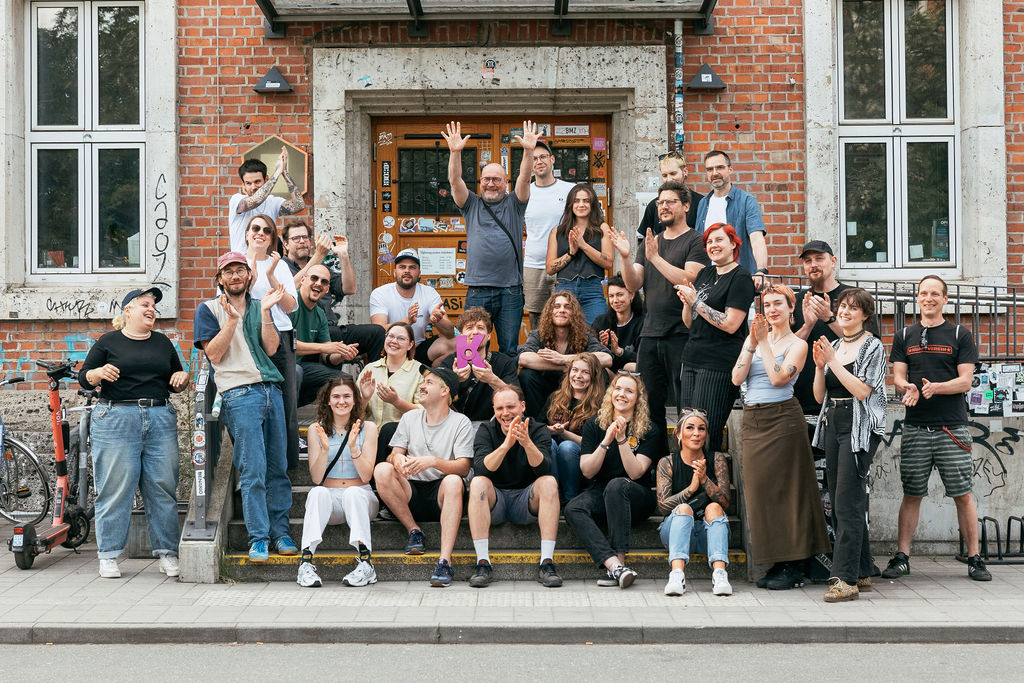
"The Z-Bau is a house for contemporary culture and we want to focus as much as possible on what is needed at any given time. We want to remain flexible and open." Promoting culture in all its diversity. And continue to do so. Z-Bau has also become an integral part of the city's politics. All of this is a team effort, says Steffen Zimmermann, as is the award as a Bavarian creative location. Today, almost 85 people belong to the extended Z-Bau team, who ensure that culture is concentrated here and comes together in the rooms.
This has not gone unnoticed by city politicians:
In a very short space of time, Nuremberg's Z-Bau has succeeded in becoming an indispensable cultural and creative venue for the city. Artists and collectives work here, ideas are created here that help shape city life and urban society, and a passion for new and innovative things pulsates here. The fact that this constantly positive development has now been honored with the Bavarian State Prize for Creative Places is a logical consequence of the work done here and the commitment of the people who shape the Z-Bau. A well-deserved award for which I would like to offer my warmest congratulations.
Prof. Dr. Julia Lehner, 2nd Mayor of the City of Nuremberg and cultural politician (CSU)
And the Z-Bau could soon play an even more important role for the city. Quartier Lichtenreuth, a new area for living and working with many green spaces, is being built in the immediate vicinity of the Z-Bau. This creative location is already an integral part of Nuremberg with a progressive understanding of culture and creative work. Which is also attracting attention far beyond the city limits.