 Accessibility

 Language
Back health day
Back in view: Movement meets high-tech
11.03.2026
A long day at the office, eight hours sitting down, neglecting your posture and the consequences in the evening: Back pain. What sounds like an isolated case affects millions of people in Germany. Back pain is one of the most common widespread illnesses: Almost a third of adults and around a fifth of children and adolescents are affected.
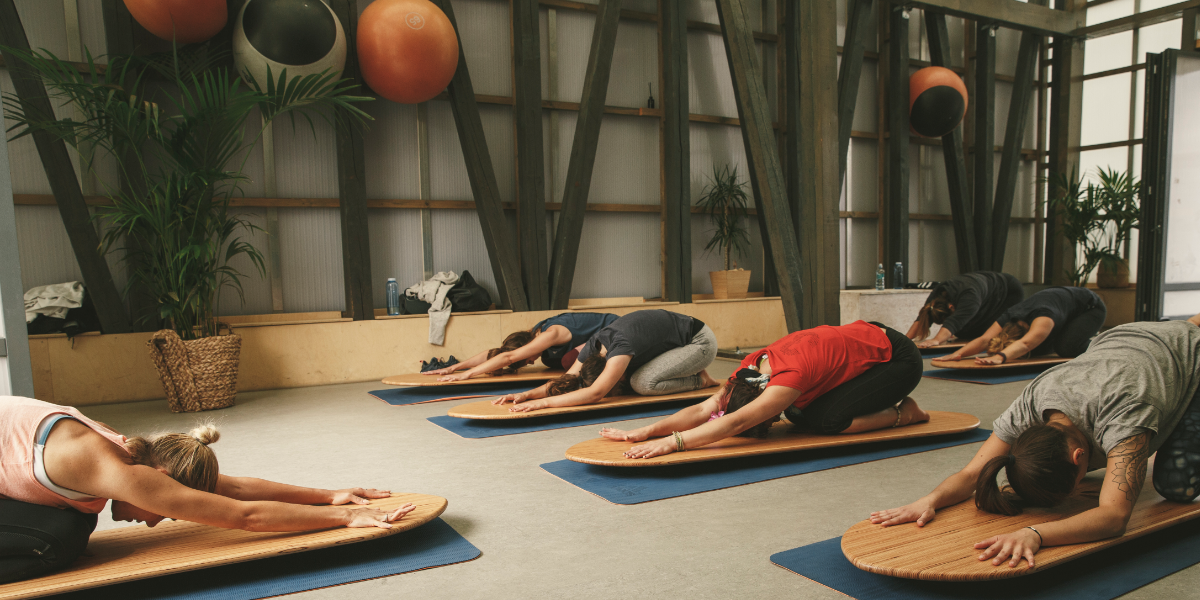
The causes are varied and often cannot be clearly determined. However, the greatest risk factor is considered to be long-term sitting in combination with a lack of exercise. Psychosocial strains such as stress or problems at work and in private life also often affect the back. The localization of the pain is crucial: most complaints occur in the lower back. The lumbar spine is exposed to a particularly high risk of injury as it carries the majority of the body weight and particularly high pressure and leverage forces act in the area between the upper body and pelvis. Pain in the middle back often originates in the thoracic spine, while complaints in the upper back are usually located in the neck region. From there, it can radiate into the shoulders and arms, and headaches in the back of the head are also typical accompanying symptoms. Every year since 2002, Back Health Day on March 15 has called on people to actively combat back pain, as it is often caused by bad habits and behavior that can be easily remedied. The motto of this year's day of action is "Back'n'Roll - Bring movement into your life!" The 25th Back Health Day will focus on the topic of "health-promoting exercise". Across Germany, attention will be drawn to how regular everyday exercise can prevent back pain and improve quality of life in the long term.
Many companies in the Bayern Innovativ network show how back health can be put into practice - with fresh ideas, preventative measures and innovative approaches that bring movement into everyday working life.
AI coach for the back: digital and effective training
Prevention can also work virtually. This is demonstrated by the health tech company Kaia Health, which offers digital therapy programs for back pain and chronic pain. "Kaia Health was founded by the founding team in 2016 out of personal motivation," explains Ronald Graefe, Regional Sales Manager at the company. "It was often difficult to find suitable therapy places for back pain. That's why we set out with the aim of focusing on the care of people with back pain, particularly with a view to preventing chronic pain, and offering effective, home-based therapy." Following a doctor's recommendation, patients can use the app via a prescription, which is activated within a few days. This makes the app a digital health application, a so-called DiGA, which has been tested and approved as a medical device. "The digital therapy is prescribed by the doctor on an extra-budgetary basis on prescription - once it has been redeemed with the health insurance company, you can get started straight away," explains Graefe. The program begins with an initial assessment, during which pain levels and limitations are recorded, and then puts together an individually tailored training program. To avoid mistakes during the exercises, an AI movement coach is used to provide immediate feedback to the patient - just like a physiotherapist, but from the comfort of their own home. Experience in healthcare shows that this digital approach is more than just a technical gimmick: In a study with 1,237 participants, pain decreased by 33 percent after three months and by as much as 46 percent after twelve months. Another study confirmed that digital movement feedback is comparable to that provided by physiotherapy specialists. Users are also reminded to do exercises and motivated to remain active on a regular basis through playful elements. For Gräfe, back health is more than just freedom from pain: "It's about quality of life and the chance to enjoy everyday life without restrictions." On Back Health Day, he gives clear advice: "Regular exercise should ideally be planned with targeted exercises and carried out consistently. If you have complaints, it is advisable to seek medical advice and, if necessary, use a digital therapy such as Kaia Back Pain."

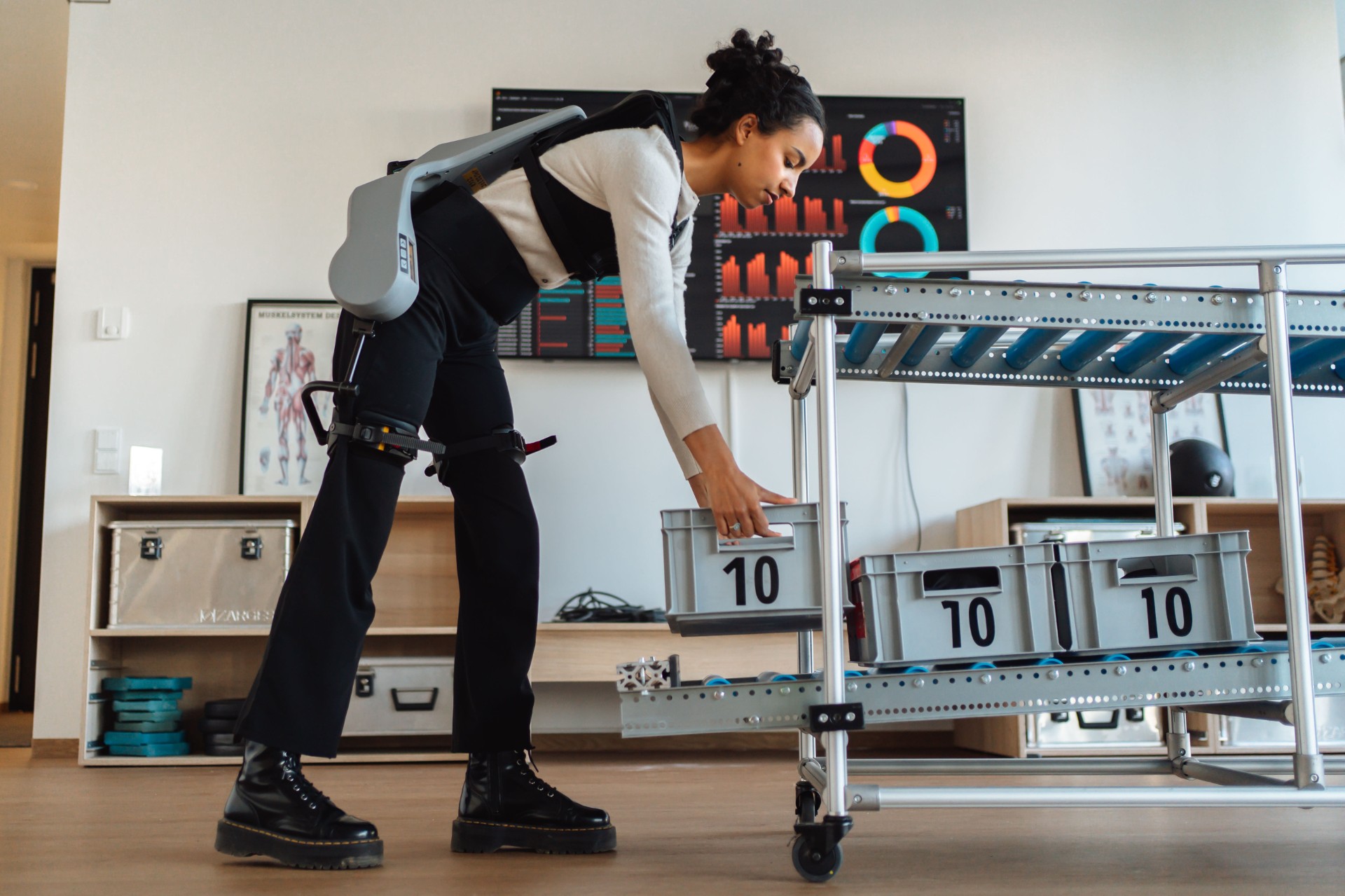
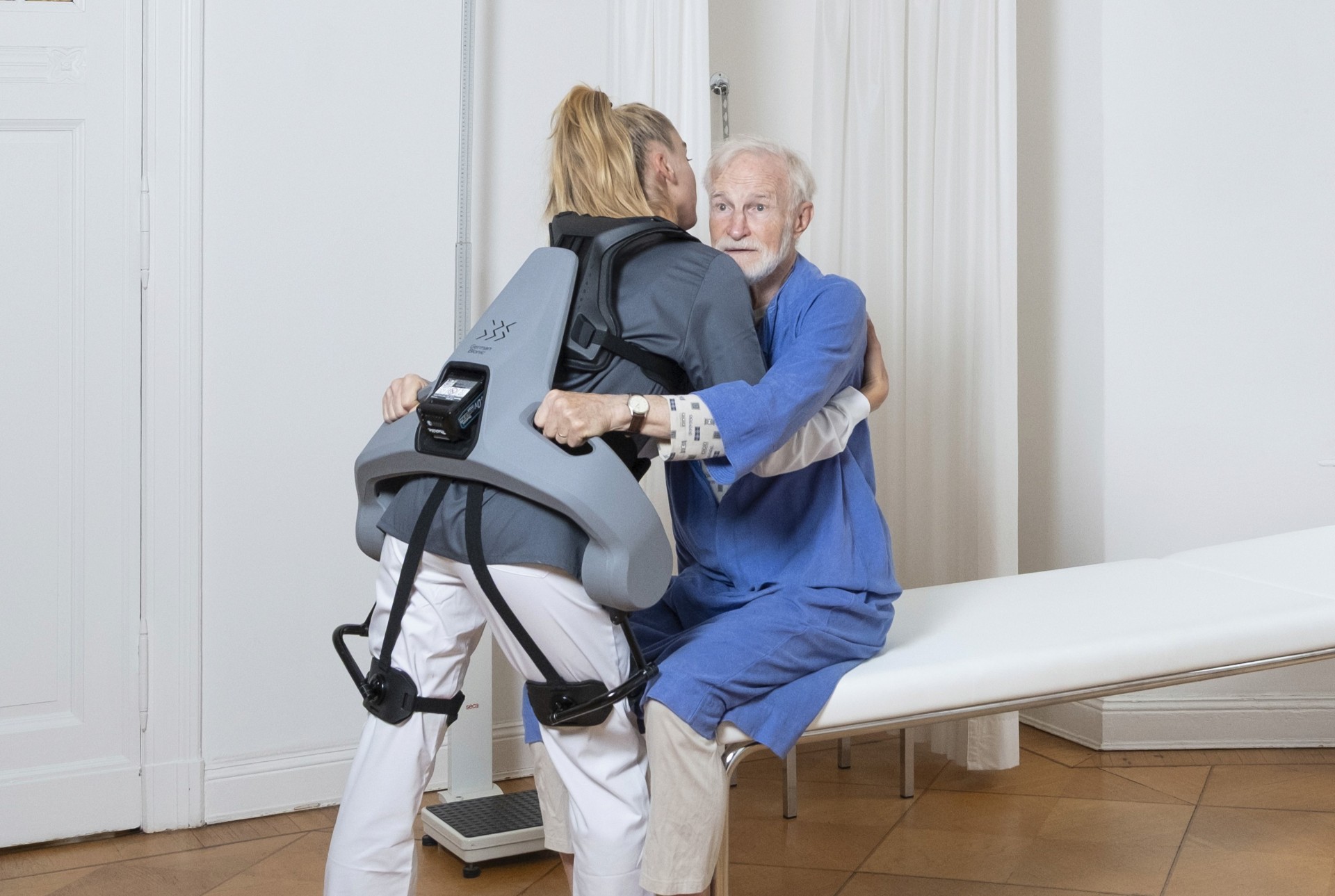
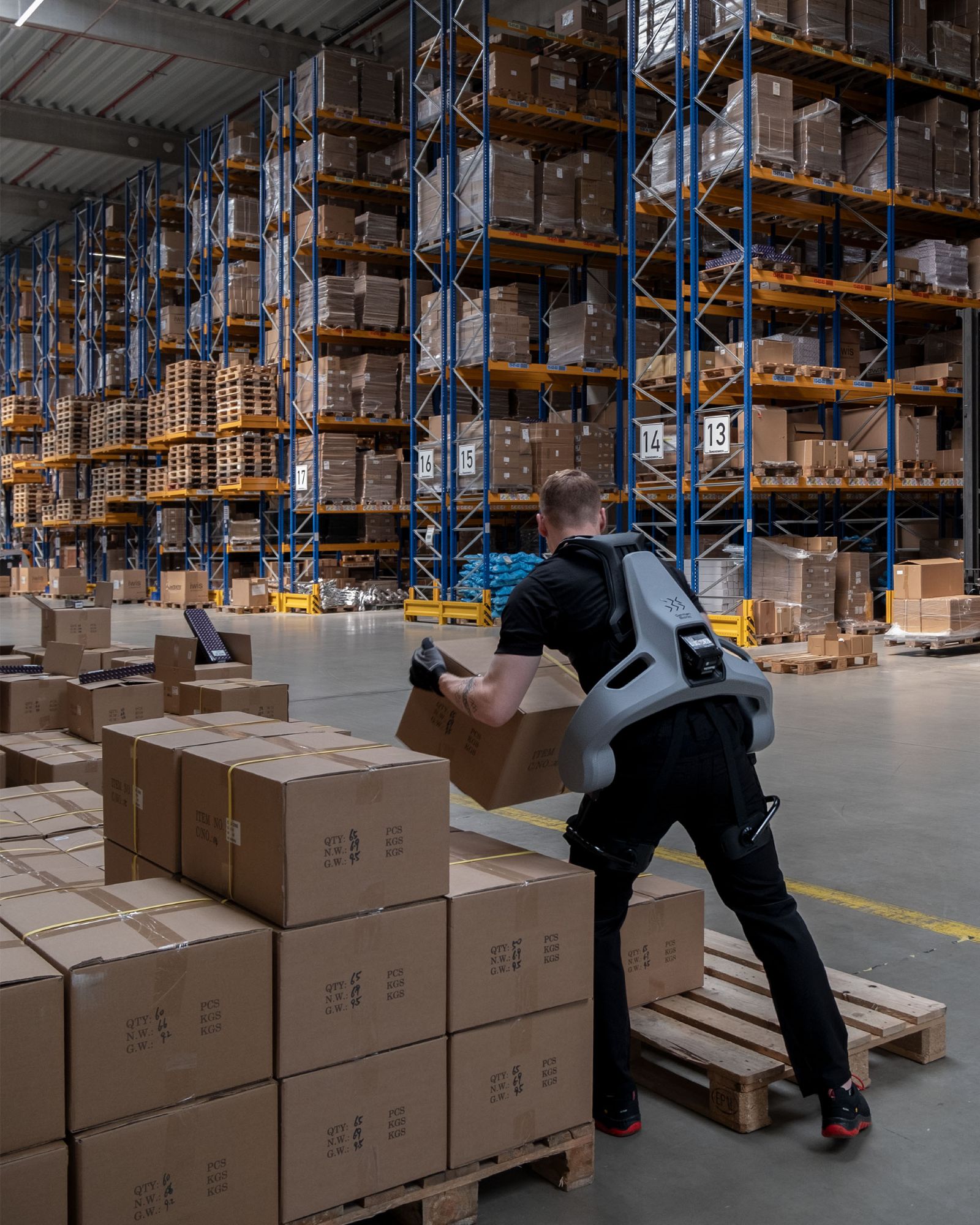
The robotics company German Bionic shows how technological innovation can make a concrete contribution to back health. In this interview, Eric Eitel, Head of Global Communications, explains how robotic exoskeletons provide targeted support for physically demanding work, such as lifting, carrying or working in a bent-over position.
Sensor technology, electric motors and AI-based control ensure that movements are carried out more ergonomically and overloading is avoided as far as possible. For Eitel, this is part of a larger social approach: "Human augmentation technology is so relevant because we have an ageing society. We need to take a sustainable approach to our workforce so that they stay fit, don't become physically overloaded and then fall ill." One example of this is the current exoskeleton system "Exia". The networked assistance system adapts individually to its wearers, learns from movement data and can support lifting movements with weight compensation of up to 38 kilograms. The aim is to measurably reduce strain in everyday working life, especially in professions with frequent lifting or unergonomic postures, such as loading aircraft or in care. For Eitel, back health primarily means prevention: "Prevention is the be-all and end-all: in order to create healthy and sustainable workplaces, it is essential to know what and how work is done." At the same time, he emphasizes that technology should not replace people: "It is important that we pursue a technological vision that supports people and does not make them superfluous. People and machines can work together and master hard work sustainably." It is not the right approach to rely solely on technology and dispense with back training altogether. Targeted exercises strengthen the back muscles. If you combine training with technology, the possibilities scale.

Another starting point for back health lies in the design of the workstations themselves and this is precisely where Ergo-Tech comes in as a medical technology company with its own production and selected merchandise. The company sees ergonomics not as an additional option, but as a basic principle. "To create a healthy, adaptable or customizable working environment," is how medical product consultant Peter Prowinsky describes the company's own claim.
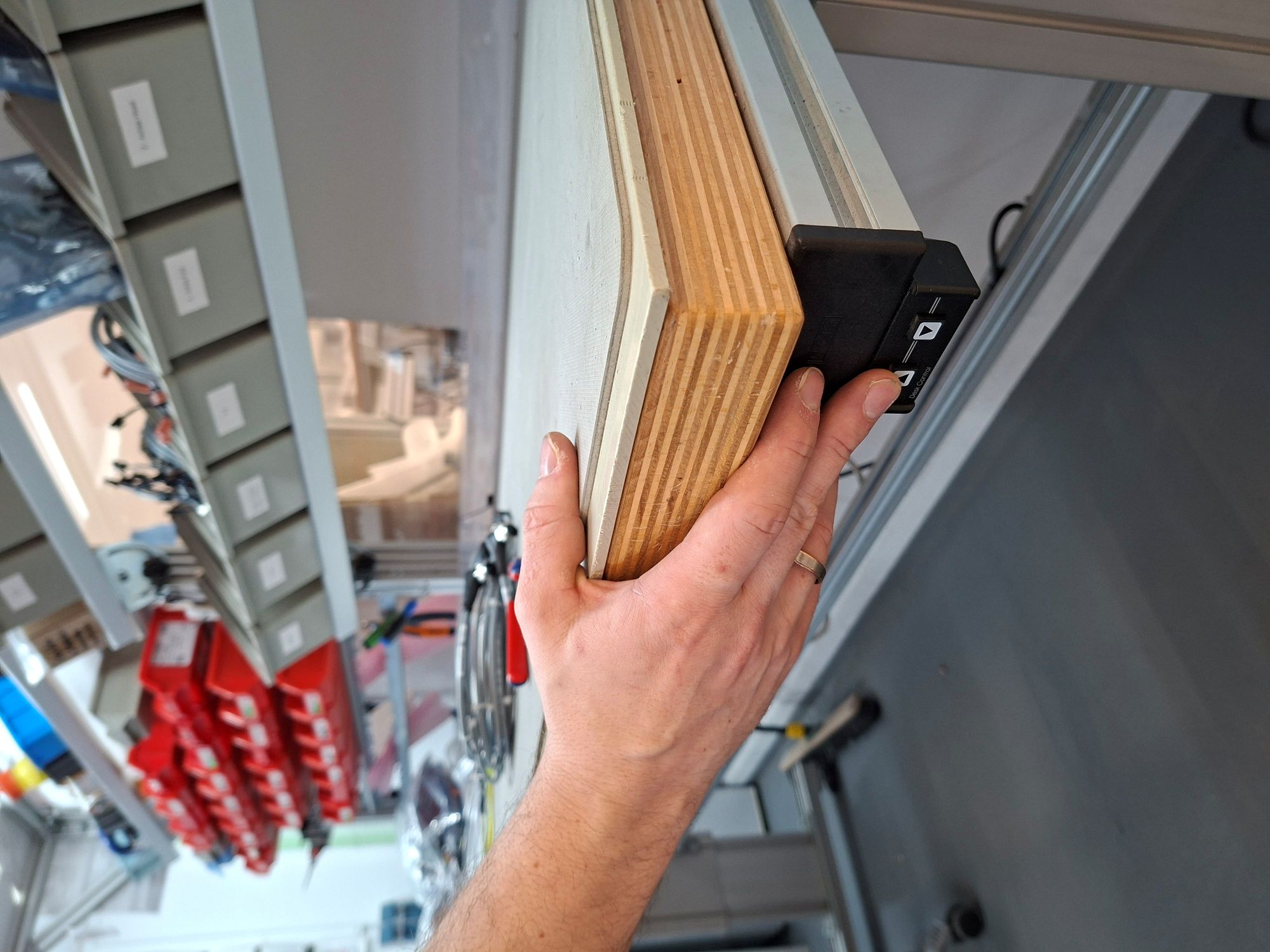
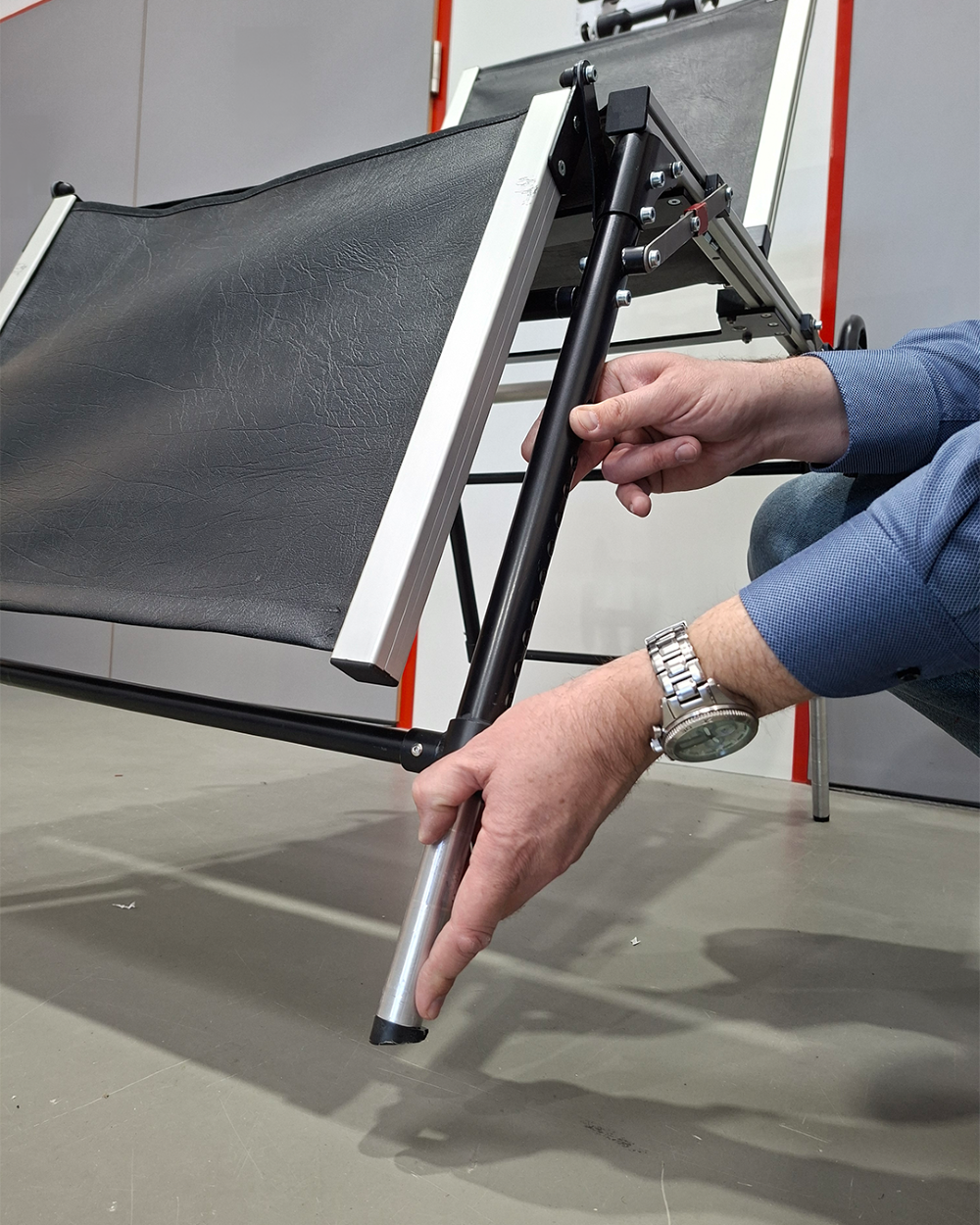
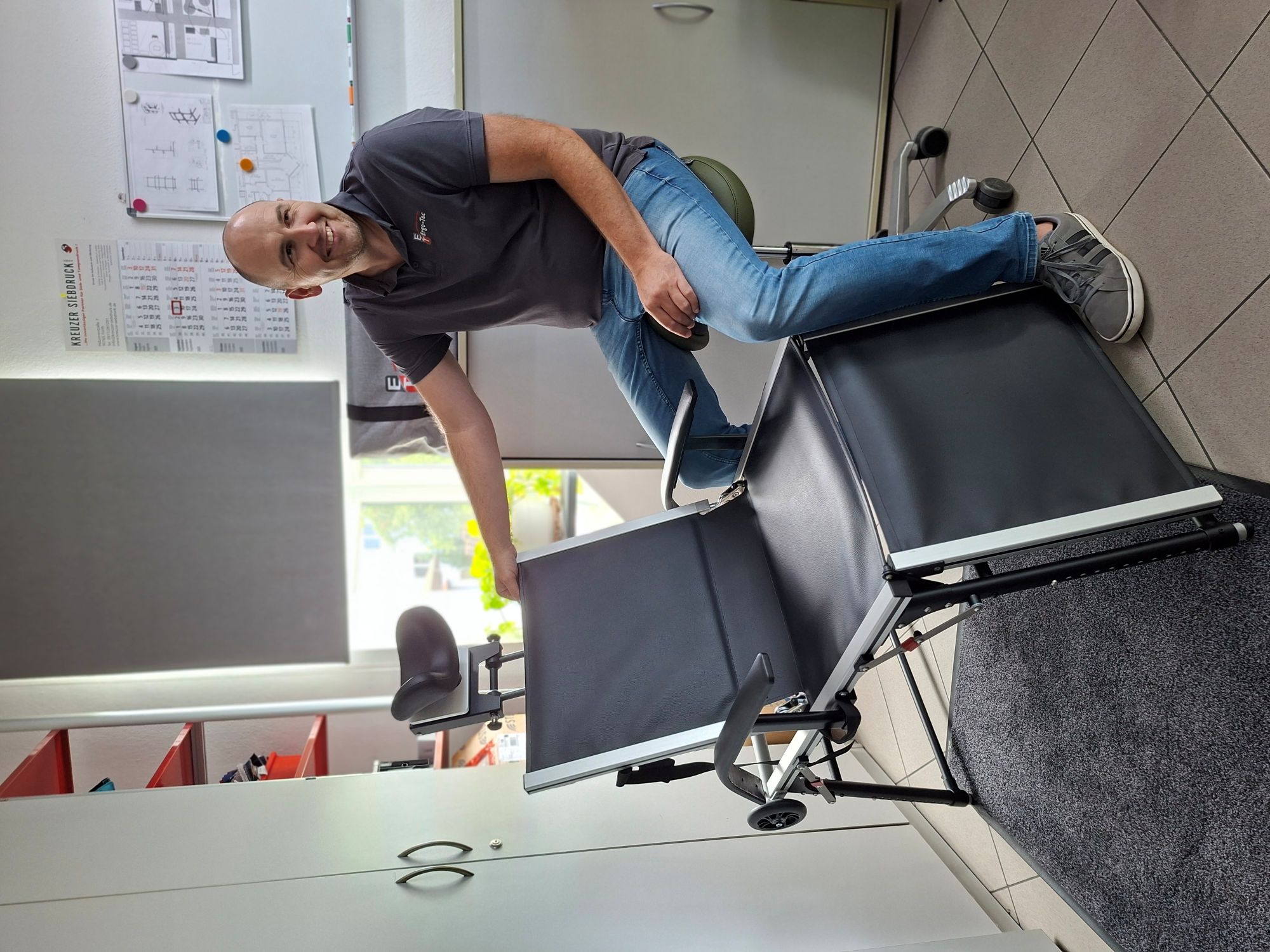
Among other things, Ergo-Tec develops customized, height-adjustable workstation solutions for logistics and production areas. The aim is to adjust workstations precisely to the activity and body height and thus noticeably reduce strain. The focus here is on solutions that promote movement instead of cementing rigid postures. Electromotive height-adjustable desks make it possible to alternate between sitting and standing, supplemented by saddle chairs or sit-stand aids with movable seat surfaces. "We mainly want to prevent complaints in the lumbar spine area, where most people have problems," says Prowinsky. In practices in particular - for example among dentists - there is a growing awareness of their own health and that of their employees. One particular innovation project is the "TheraSwitch" patient chair, an in-house product that was developed together with users. Designed for adult therapy in speech therapy, it ensures a stable, upright sitting position for people with speech or swallowing disorders and at the same time supports the ergonomic working posture of therapists, for example during diagnostic procedures such as endoscopies. "It is designed in such a way that both patients are safely positioned and professionals can work in a straight and back-friendly position," explains Prowinsky. For him, back health is one of the most pressing challenges in everyday working life. As a widespread disease, it affects both employees and the self-employed. According to Prowinsky, it is all the more important to start at the base: "You can do a lot of good with small adjustments without having to spend a fortune." According to Ergo-Tech's message, ergonomics does not start with spectacular investments, but with the conscious design of the daily workplace.
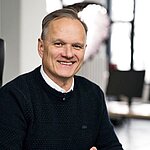
While technological innovations and digital applications are opening up new avenues in prevention, it is also clear that one of the most effective measures for a healthy back is the targeted development of muscle strength. This is precisely where the Research and Prevention Center (FPZ) in Cologne comes in. As a leading provider of evidence-based therapy programs for the prevention and treatment of musculoskeletal complaints and chronic diseases, the FPZ combines research and care in a nationwide network of certified therapy centers. Managing Director Dr. Frank Schifferdecker-Hoch formulates a clear vision: "We want to enable more than 50 million additional healthy years of life by 2035." At the heart of this is the guiding principle "Focus on the muscles". Muscles are often underestimated, says Schifferdecker-Hoch, but they act "like the body's own pharmacy: when muscles work, a variety of health-promoting processes are activated in the body, pain is reduced and function is improved."
This approach is put into practice in "FPZ Back Therapy", among other things: a well-founded initial analysis is followed by a structured, supervised build-up program designed to specifically increase strength, function and everyday resilience. "Targeted strength training is the strongest conservative lever here," he emphasizes with regard to back pain, as it increases physical reserve, improves movement control and helps "to break the familiar cycle of rest, reduction and increasing sensitivity." The right dosage and professional support are crucial in order to convey safety and achieve lasting effects. His message for Back Health Day: "Don't let pain and terms like 'wear and tear' paralyze you. In most cases, back pain can be managed very well conservatively through measured exercise, targeted muscle building and good guidance."
Whether exoskeletons, apps, ergonomic workstations or structured strength training, the examples from the network show how diverse the paths to better back health can be. They range from high-tech solutions in industry and care to digital therapy support, individually adapted work environments and evidence-based training programs. As different as the approaches are, they all pursue a common goal: to get people moving, reduce strain and ensure quality of life in the long term. As a driving force and networker, Bayern Innovativ actively supports such developments. With its broad network of research, business and healthcare, the company helps to ensure that innovative ideas do not remain isolated, but are exchanged and find their way into practice. In this way, Bayern Innovativ also strengthens Bavaria as a future-oriented business location for health innovations. Back Health Day is therefore not only a reminder of the widespread widespread illness of back pain, but also of the opportunities to actively combat it. Prevention begins in everyday life, with small changes, conscious posture, regular exercise and the courage to seek support. After all, a healthy back is no coincidence, but the result of informed decisions, committed stakeholders and a working environment that takes health into account.
