eHUBS, however, is not the first project dealing with mobility hubs. Similar approaches have already been tried out in other cities and regions in Europe.
In our profile series, we highlight the special features and findings of these diverse projects around mobility stations. Because even if the basic idea and goals of the cities are similar, each project brings new insights and approaches to this complex and highly interesting mobility concept. Hopefully, these can serve as inspiration for other projects.
Summary series
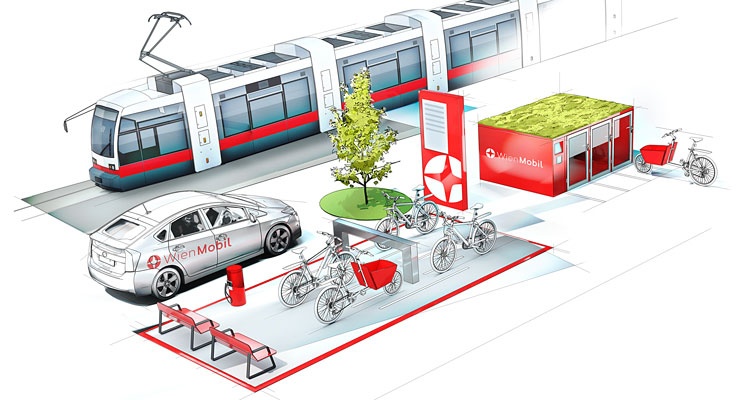
Mobility stations in Vienna The WienMobil stations combine public transport with various services and sharing offers. They are built and operated by the public transport operator Wiener Linien. There are three mobility stations with different offers so far: Bikesharing, e-scooter sharing, moped sharing, car sharing, cargo bikes, bike service station, cab, e-charging stations and bike storage boxes. Learn more in the full profile of the Wiener Linien eHUB!
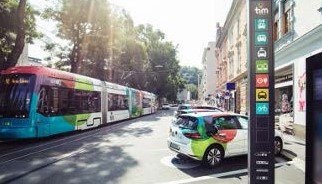
Mobility stations in Graz Since 2016, Holding Graz has been operating a network of mobility stations under the name "tim" with its public transport service. Currently, 9 stations are active with e-car sharing, rental cars and e-taxis, which optimally complement public transport in the city. Furthermore, there are locations only for tim- e-taxis. Find out more in the full profile of the Graz eHUB!
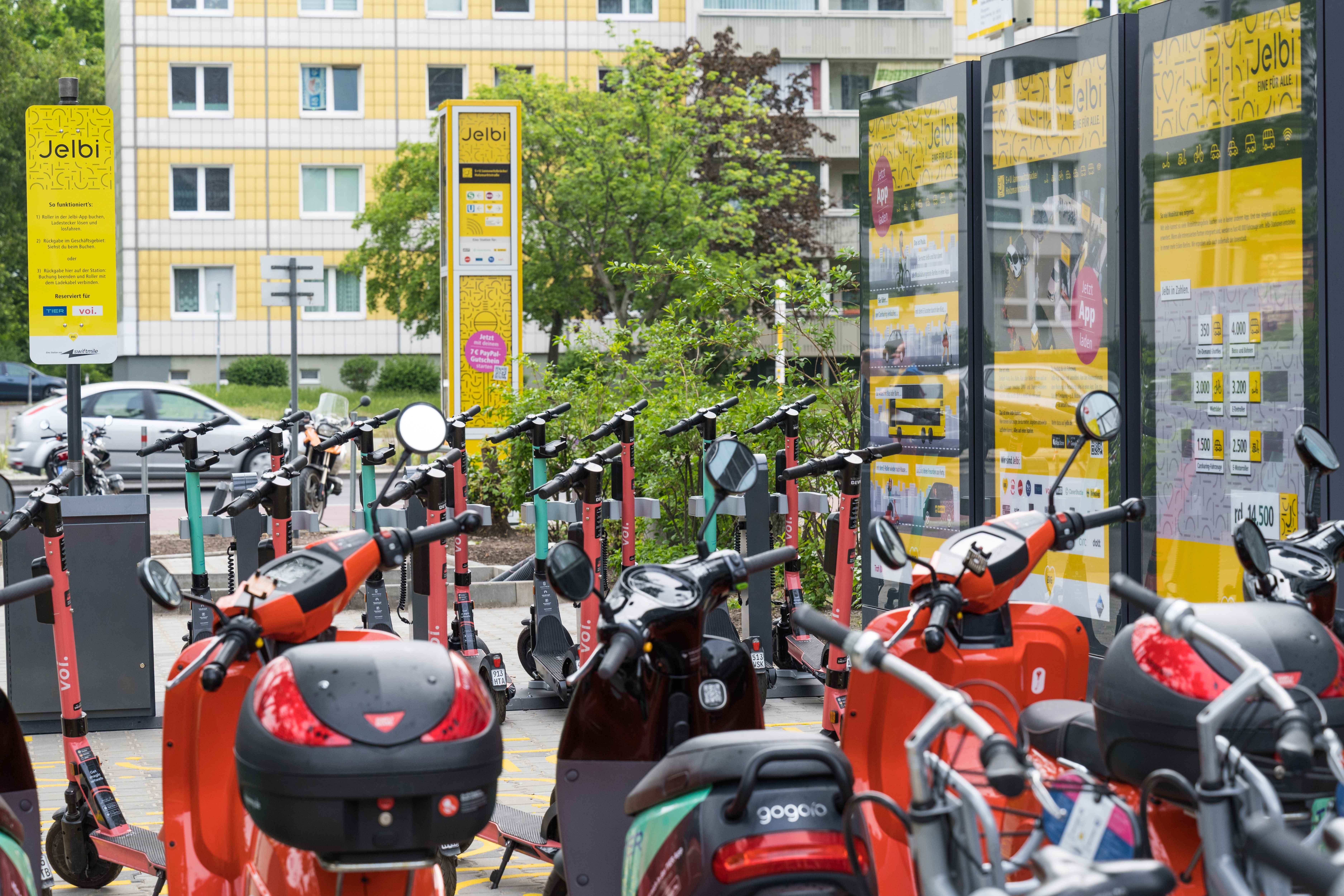
Mobility stations in Berlin Under the name Jelbi, the Berlin transport operator operates several mobility stations with a different range of rentable vehicles in Berlin. The overall offer can be booked and paid for via the Jelbi app. Learn more in the full profile of the Berlin eHUB!
Your contact
Jennifer Reinz-Zettler
NOTE: Stay informed with the eHUBs newsletter - subscribe here !
 Accessibility

 Language