A city walk through Würzburg's vibrant building culture
Sustainable building - tradition meets innovation
25.11.2025
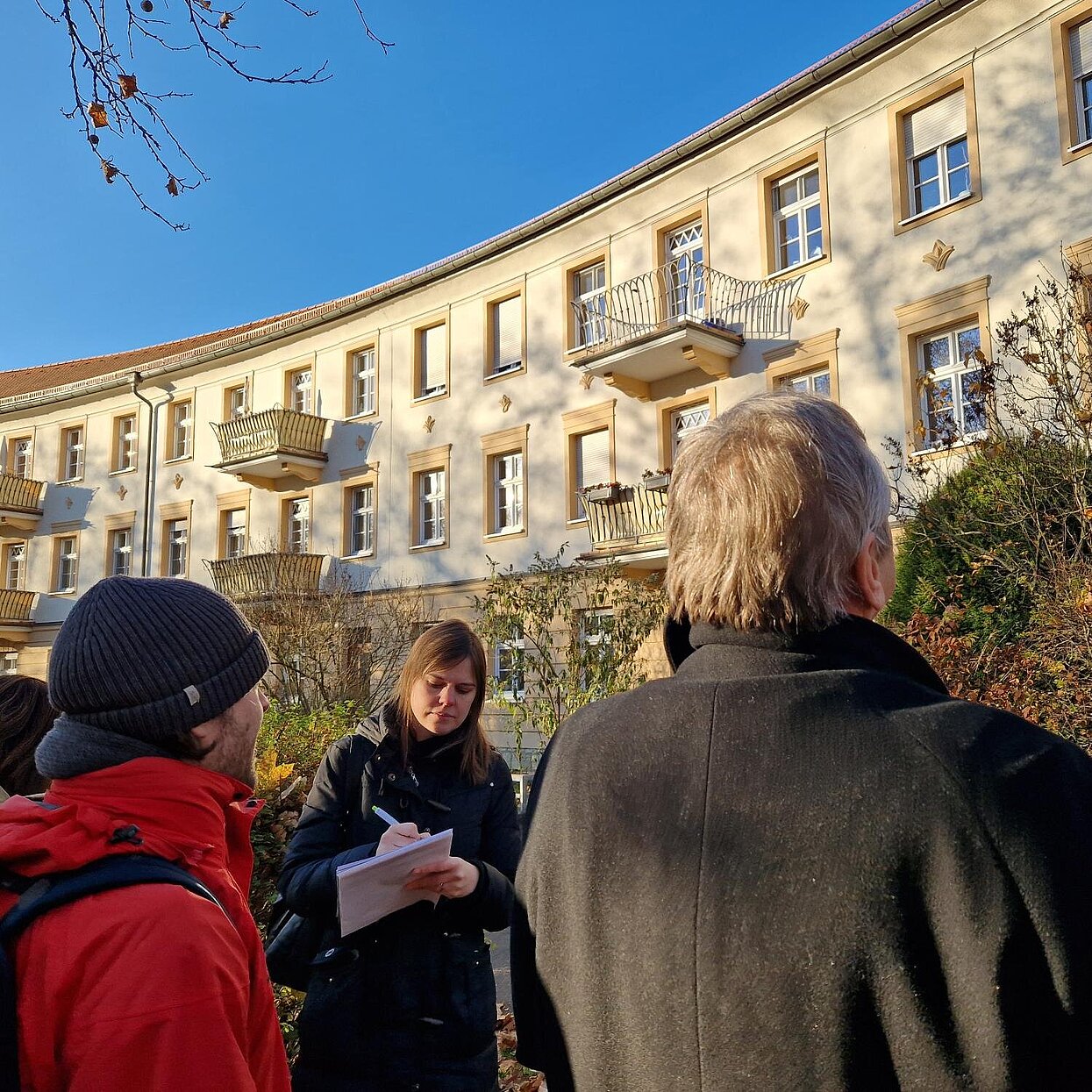
On a city walk through Würzburg's Frauenland district on November 22, interested visitors were able to experience how historic buildings and modern architecture meet and illustrate the principle of sustainability in construction. Each stop on the tour told its own story, and together they conveyed the message. Sustainability is not a new fad, but a principle that has been practiced in construction for generations.
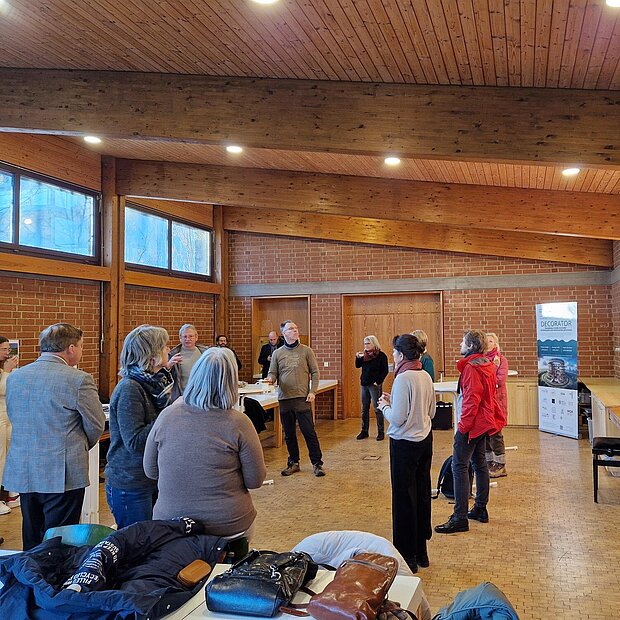
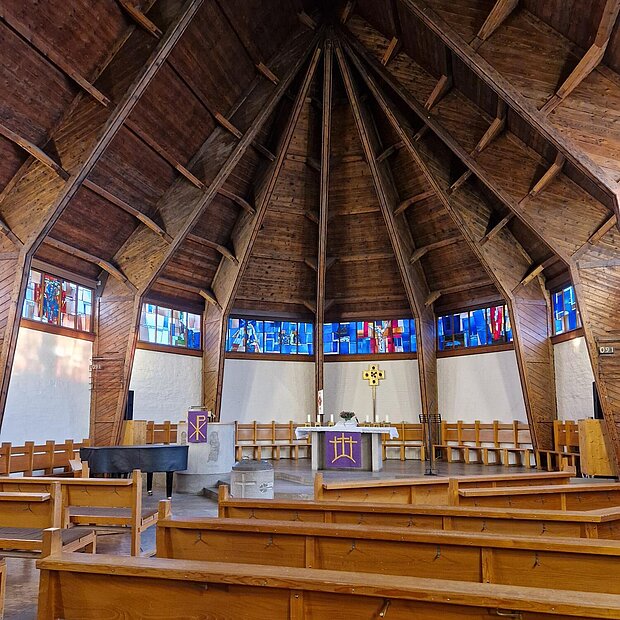
Martin Luther Church: From emergency building to contemporary testimony
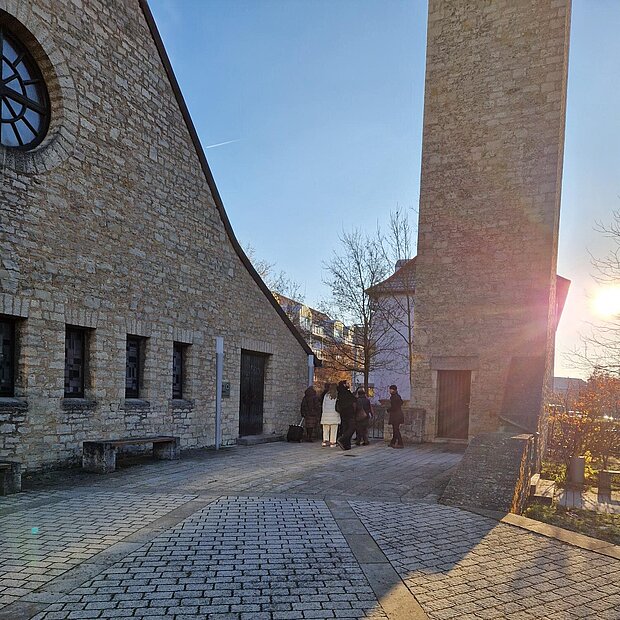
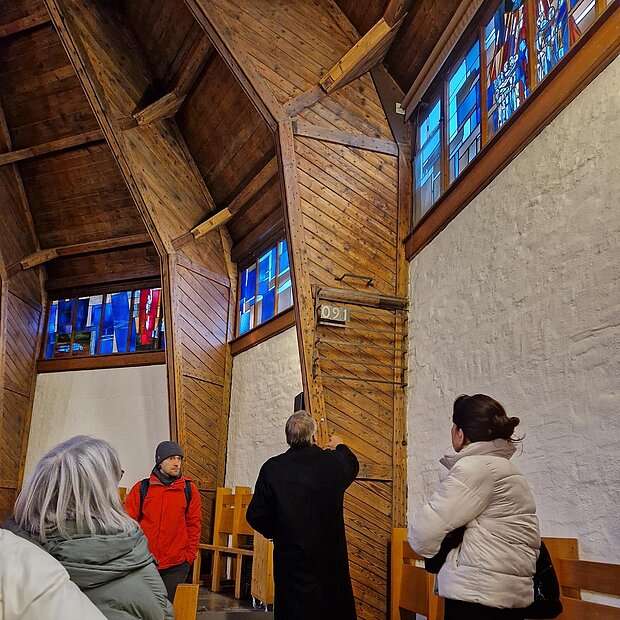
The Evangelical Lutheran Martin Luther Church was built in 1949 as an emergency church from the rubble of the Second World War. Originally planned as a temporary solution, the building still stands today and impressively documents how new structures can emerge from destruction. The simple use of materials and the clear design show that sustainable construction not only includes the selection of ecological building materials, but also the reuse and long-term use of buildings.
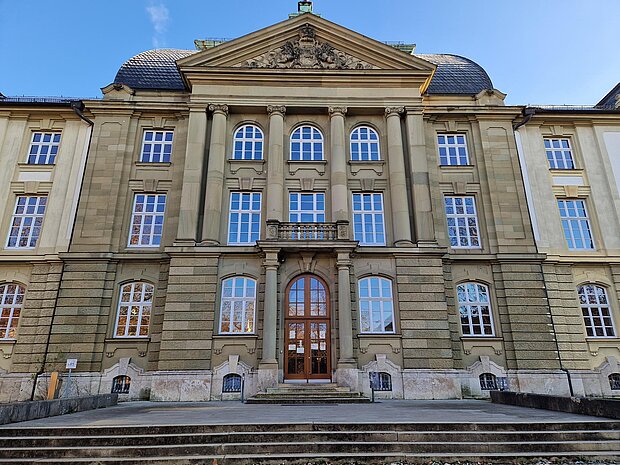
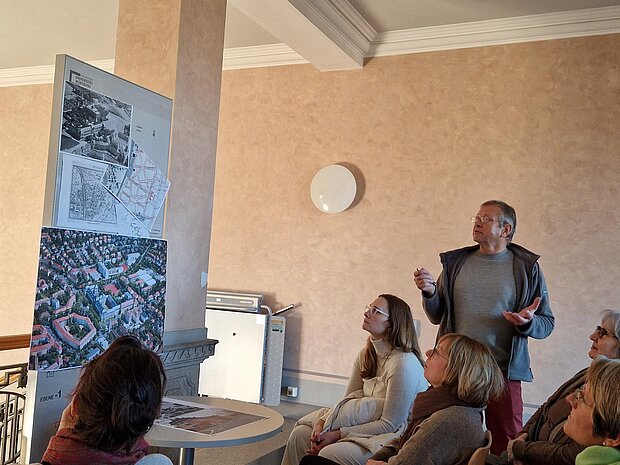
University at Wittelsbacherplatz: History meets modernity
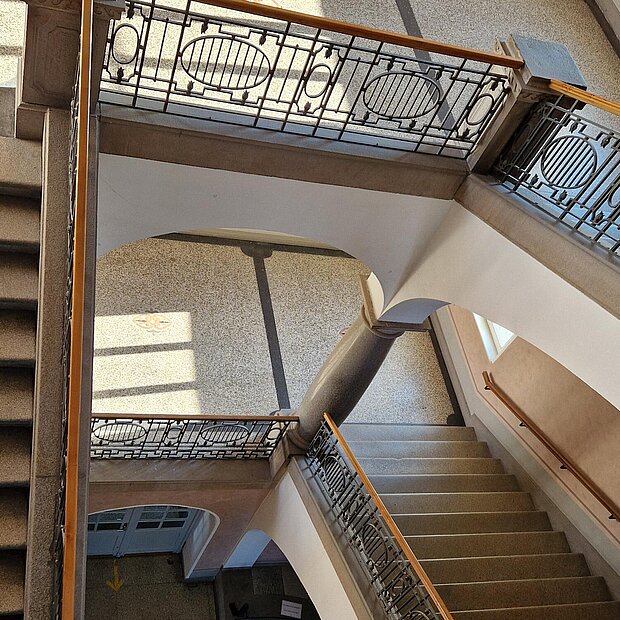
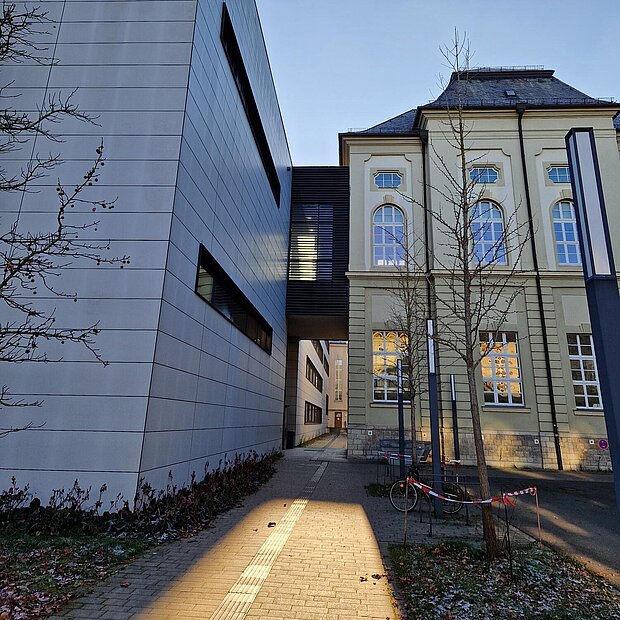
The main building on Wittelsbacherplatz, opened in 1898 as the Bavarian Royal School Teachers' Seminary, underwent extensive modernization from 2008. While the historical theater wing was demolished and replaced by a new building, central elements of the historical substance were retained. Today, the building houses a faculty library and two lecture halls with 288 seats each. The combination of old buildings and modern architecture makes it clear that sustainable building also includes the intelligent further development of existing structures.
DECORATOR: Using regional resources
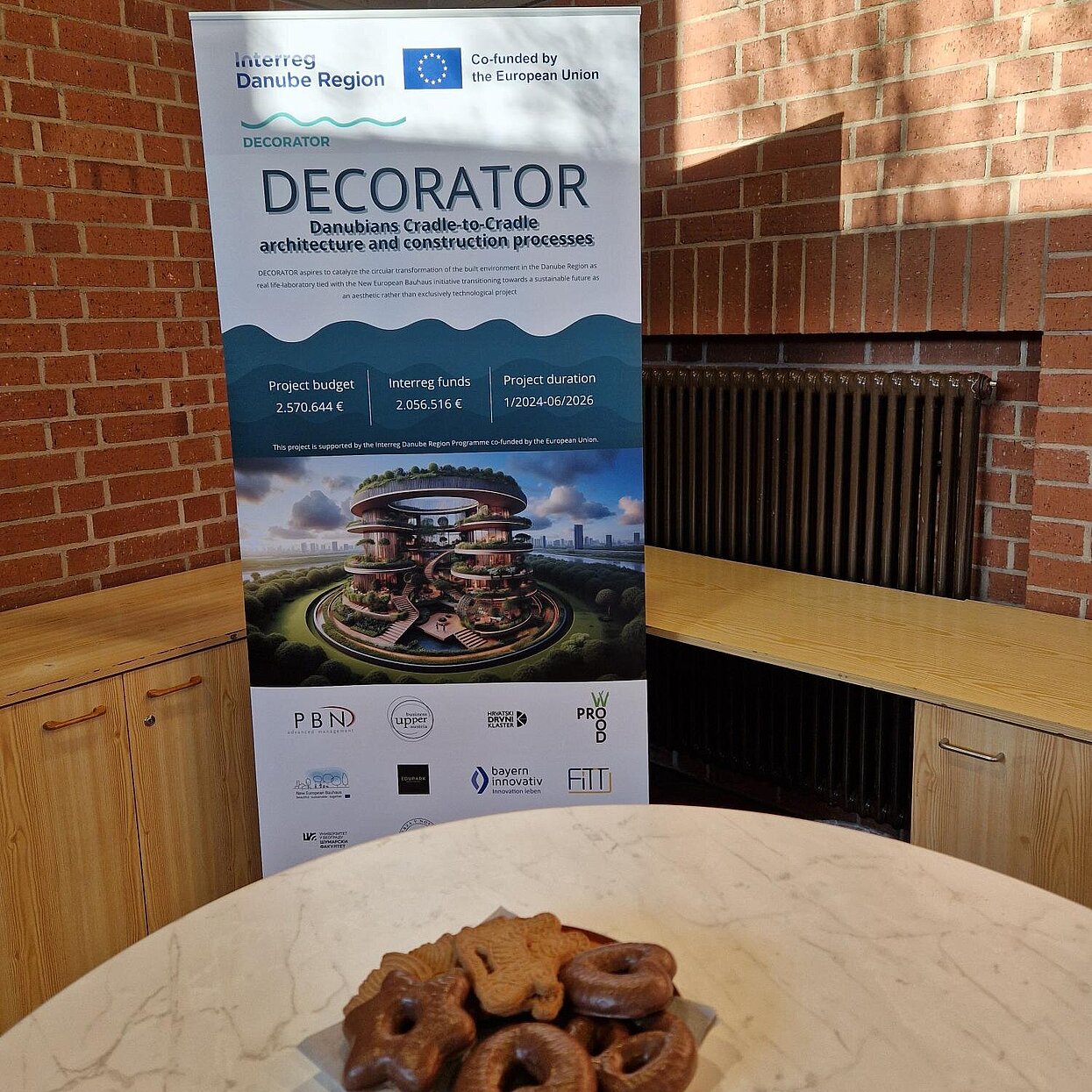
The tour was part of the Interreg project DECORATOR, which uses the Danube region as a laboratory for sustainable building. The aim of the project is to rediscover traditional building methods and regional materials. Buildings and building materials are brought to life on site with a so-called Social Treasure Hunt. DECORATOR combines modern technologies with traditional knowledge to promote a sustainable circular economy that combines ecological, social and economic aspects.