Accessibility

 Language
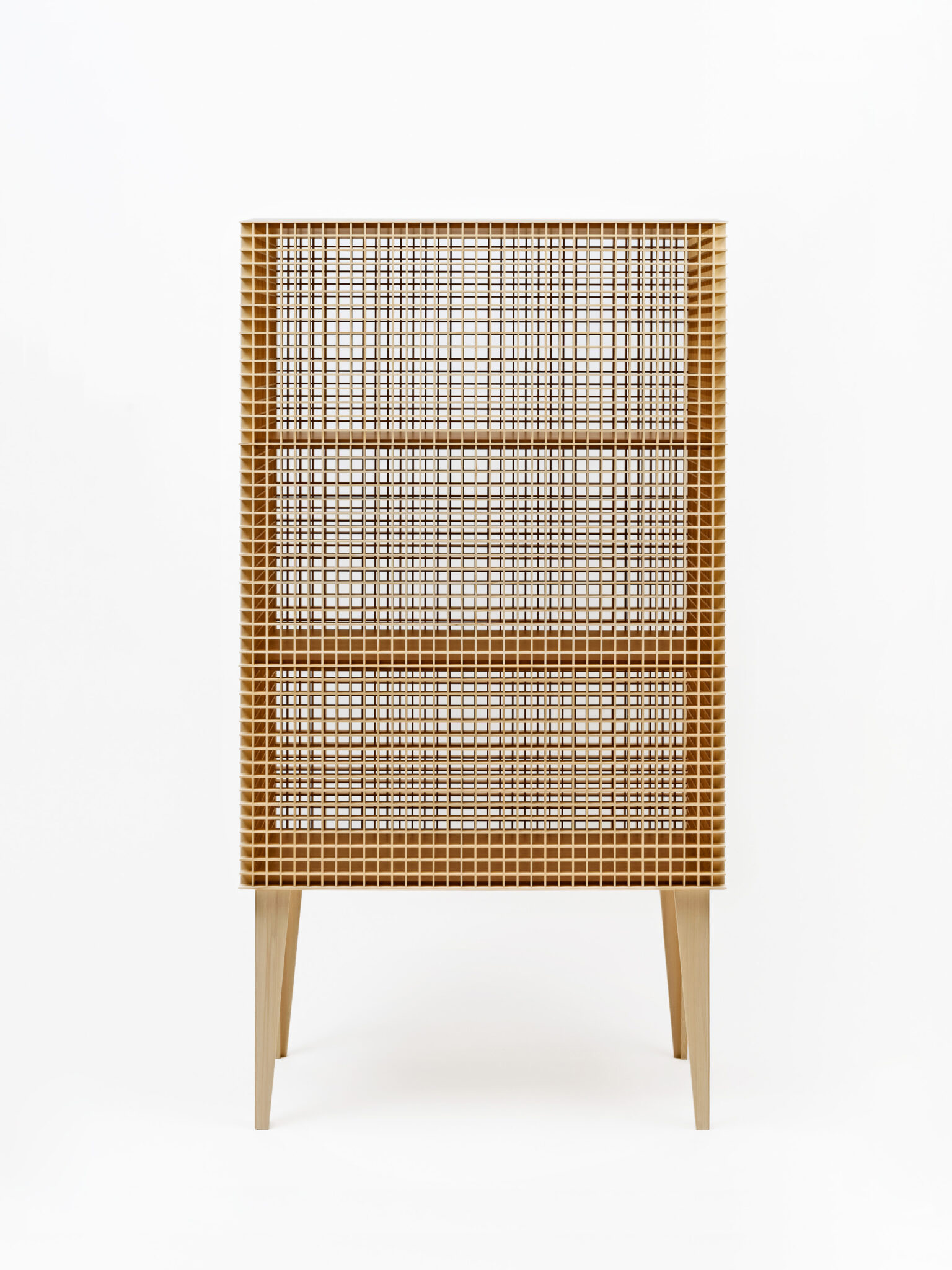
#Kunsthandwerk: How does a jury actually come to its decision? On the occasion of the exhibition of the competition entries, the Danner Foundation posed this very question for discussion and invited us to a talk.
What makes this work so unique and outstanding compared to the object next to it? And what meaning does the term 'beauty' actually have in this context? Subjective considerations and aesthetic judgments come into play as soon as visitors look at the competition entries. And raise the question of why and how a jury has actually decided on the winners. After all, even the jury members can't free themselves from subjective feelings, can they?
Discussion
- Dr. Petra Hölscher (standing in for Prof. Dr. Angelika Nollert, Director) / Curator Die Neue Sammlung - The Design Museum
- Hubert Sanktjohanser/furniture designer
- Thomas Stangier/comm. Director of the Museums of the City of Landshut
- in conversation with Julie Metzdorf/cultural journalist
- Wolfgang Lösche / internationally active juror
Journalist Julie Metzdorf spoke with Dr. Petra Hölscher, curator of the Neue Sammlungen / Design Museum Munich, with Thomas Stangier, acting director of the museums of the city of Landshut and with furniture designer Hubert Sanktjohanser about these questions and the difficulties of decision-making in a jury. And it quickly became clear that this process is complex and goes far beyond the mere professional expertise of its members.
Objective criteria only make up part of the decision-making basis: The usability of a product, technical design and knowledge of materials are among other things. But the selection of award winners is always influenced by the different personalities who have to come to a decision together. According to Dr. Petra Hölscher, there is always a debate in a jury that is shaped by the experience, knowledge, individual influences and aesthetic socialization of the individual jury members. The dynamics of the decision-making process also depend very much on how the different experts interact with each other, how they discuss and whether they are fundamentally open to other points of view or priorities.
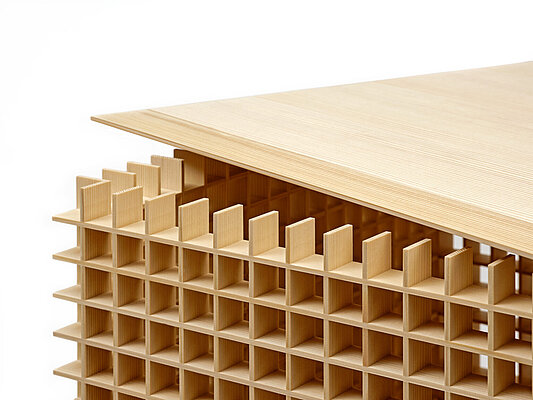
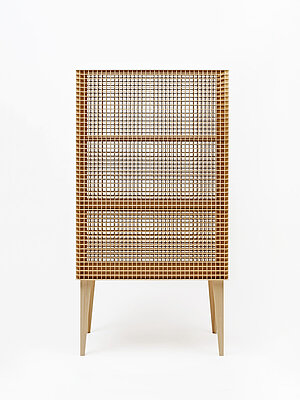
The importance of craftsmanship, innovation and tradition
In the field of creative design, however, knowledge of manufacturing traditions is also an important influencing factor. How have designers taken manufacturing traditions into account in their objects? How do they deal with these traditions? And where can something new, a new approach or a further development be seen? How independent is the work in terms of its technical and artistic realization? According to Hubert Sanktjohanser, pure craftsmanship has a very far-reaching significance for the quality of an object. In addition, however, there must also be an "intellectual usability". An object must have an innovative power, an artistic realization that goes beyond the purely technically perfected implementation.
Language plays a special role during the jury discussion: the participants in the discussion saw the use of language as an attempt to objectify their own judgments and formulate convincing arguments that go beyond aesthetic impressions or subjective preferences.
Objectivity in the jury: a balancing act between expertise and openness
Finally, moderator Julie Metzdorf poses the question: Does the decision-making method offer objectivity? In the sense that an attempt is made to establish objectivity through various instruments: through verbalization, but also through the consideration of different disciplines in the composition of the jury, the high professional qualifications of the individual jury members and the open attitude in the discussion, which presupposes a fundamental interest in the position of the other. During the panel discussion, it was clear that at least an approximation of objectivity could be achieved through the method of decision-making.
The 180 or so guests had plenty to talk about during the subsequent tour of the exhibition and plenty of ideas for their own discussion of the competition entries. Anyone interested can gain their own impression on the Danner Foundation website: Which work appeals to them? And why? And would your choice have been similar?
Artistic design and handicrafts are also part of the cultural and creative industries. If you work in this field, you are welcome to book an orientation consultation. With bayernkreativSTUNDE, we offer you a free, one-hour 1:1 consultation with our industry experts. Appointments can be booked online at any time.

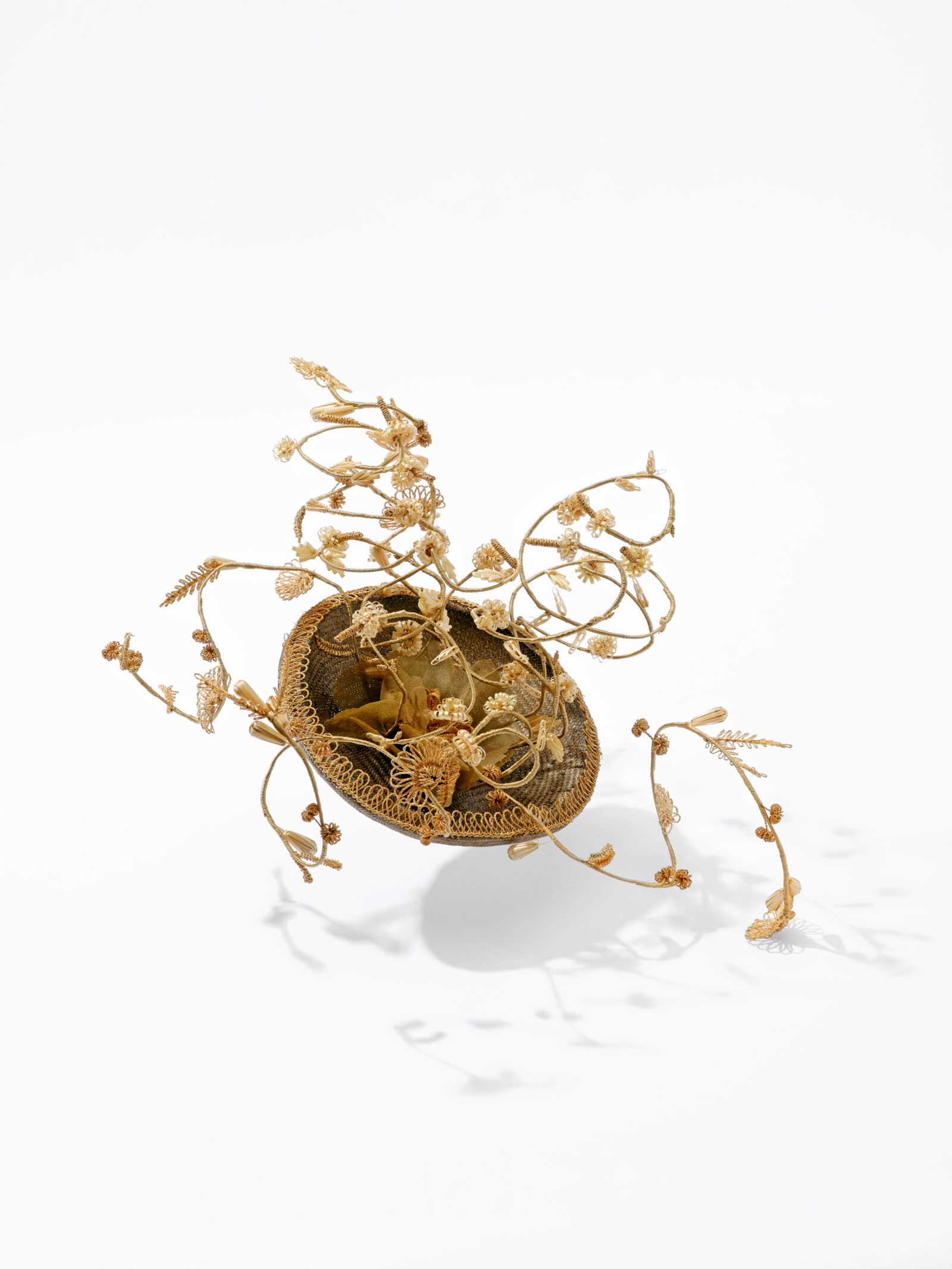
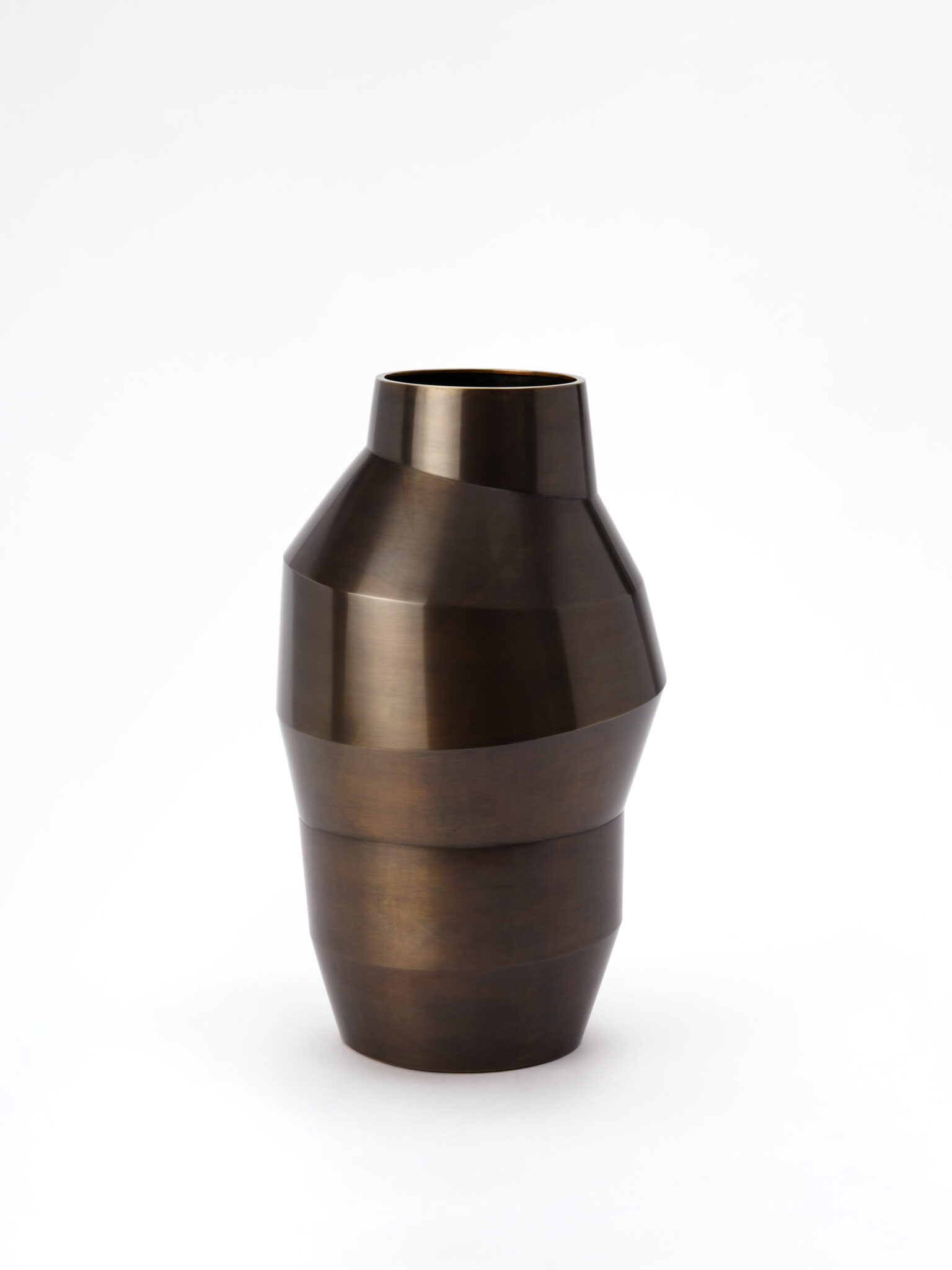

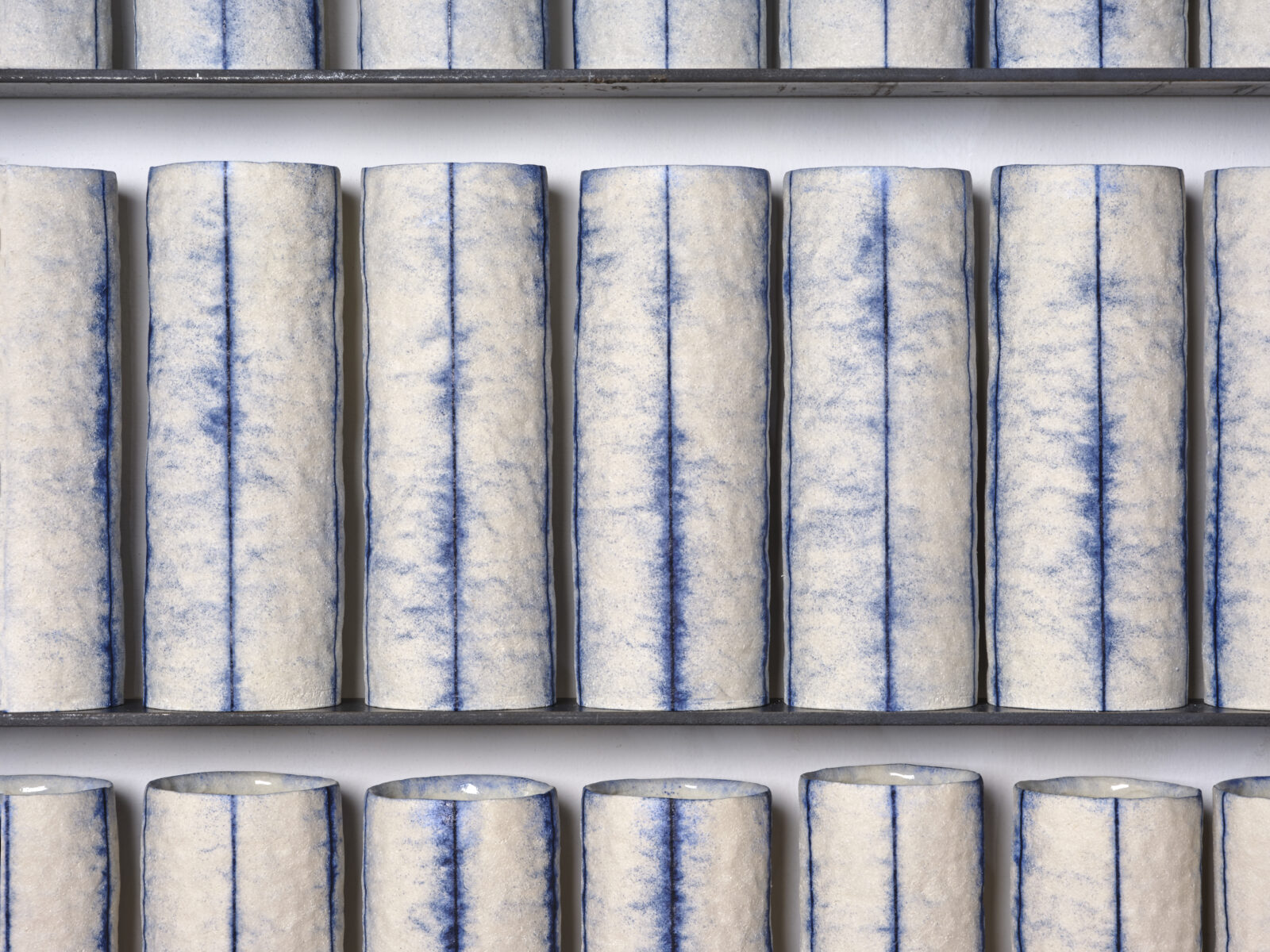
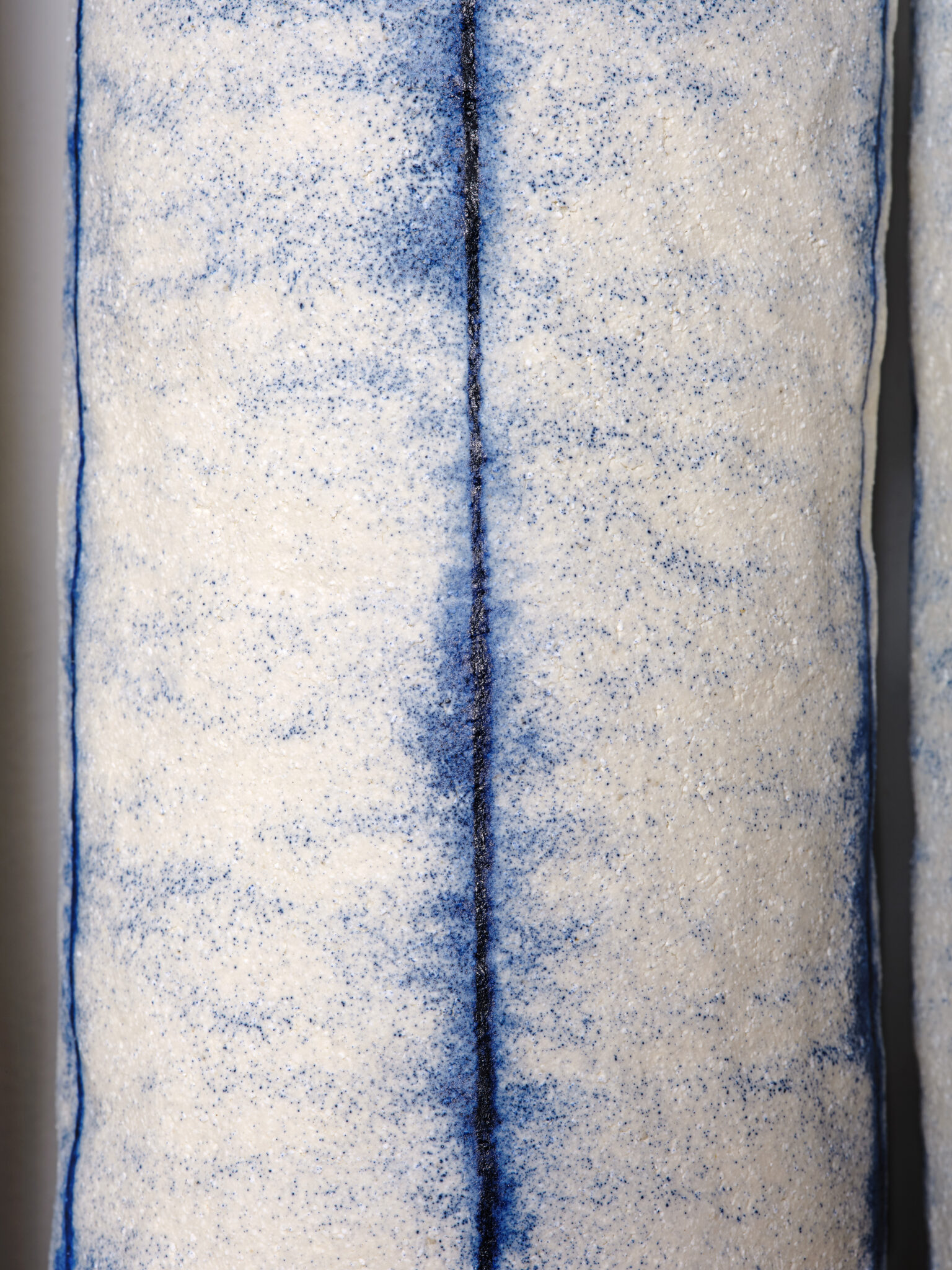

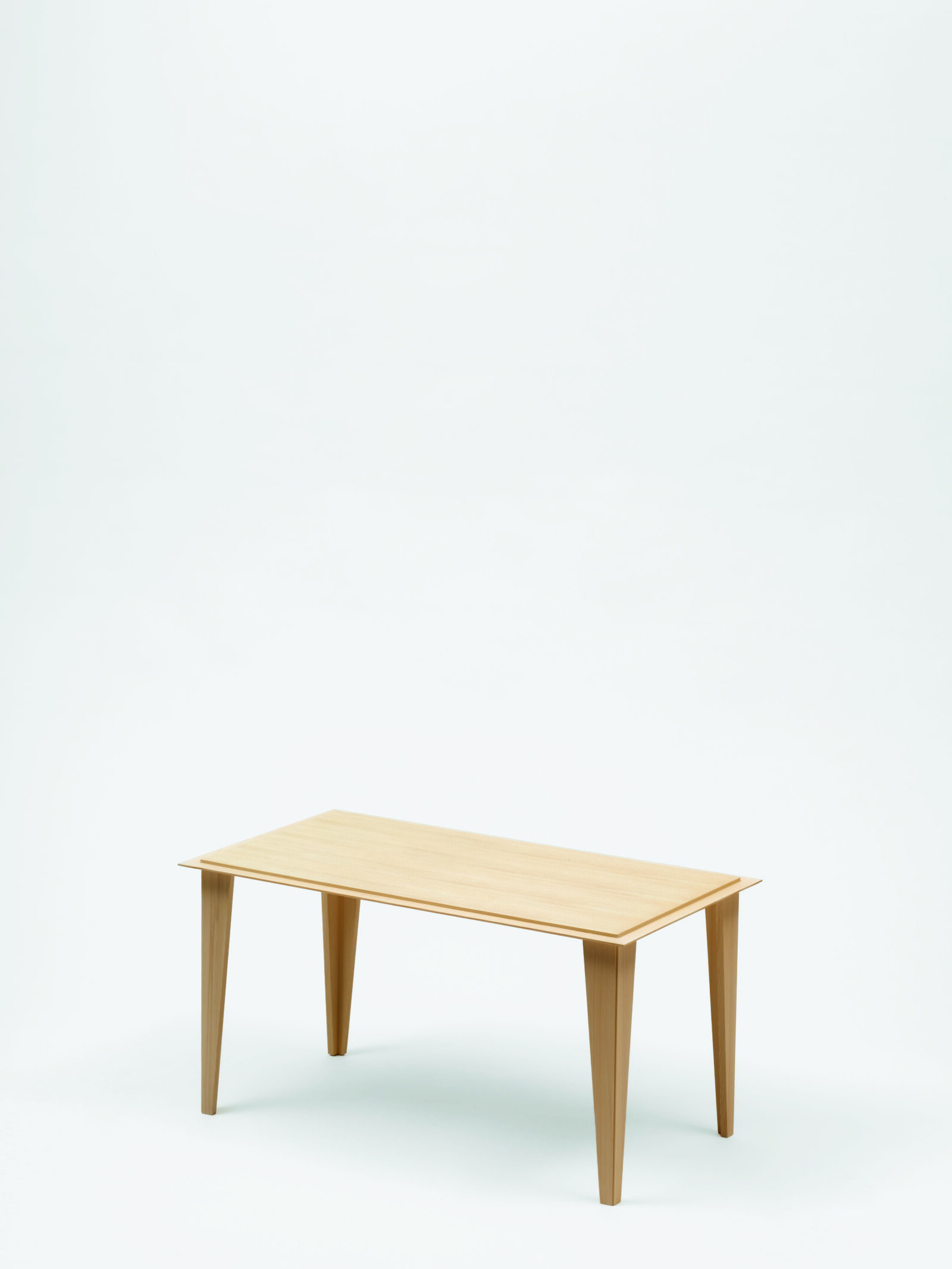
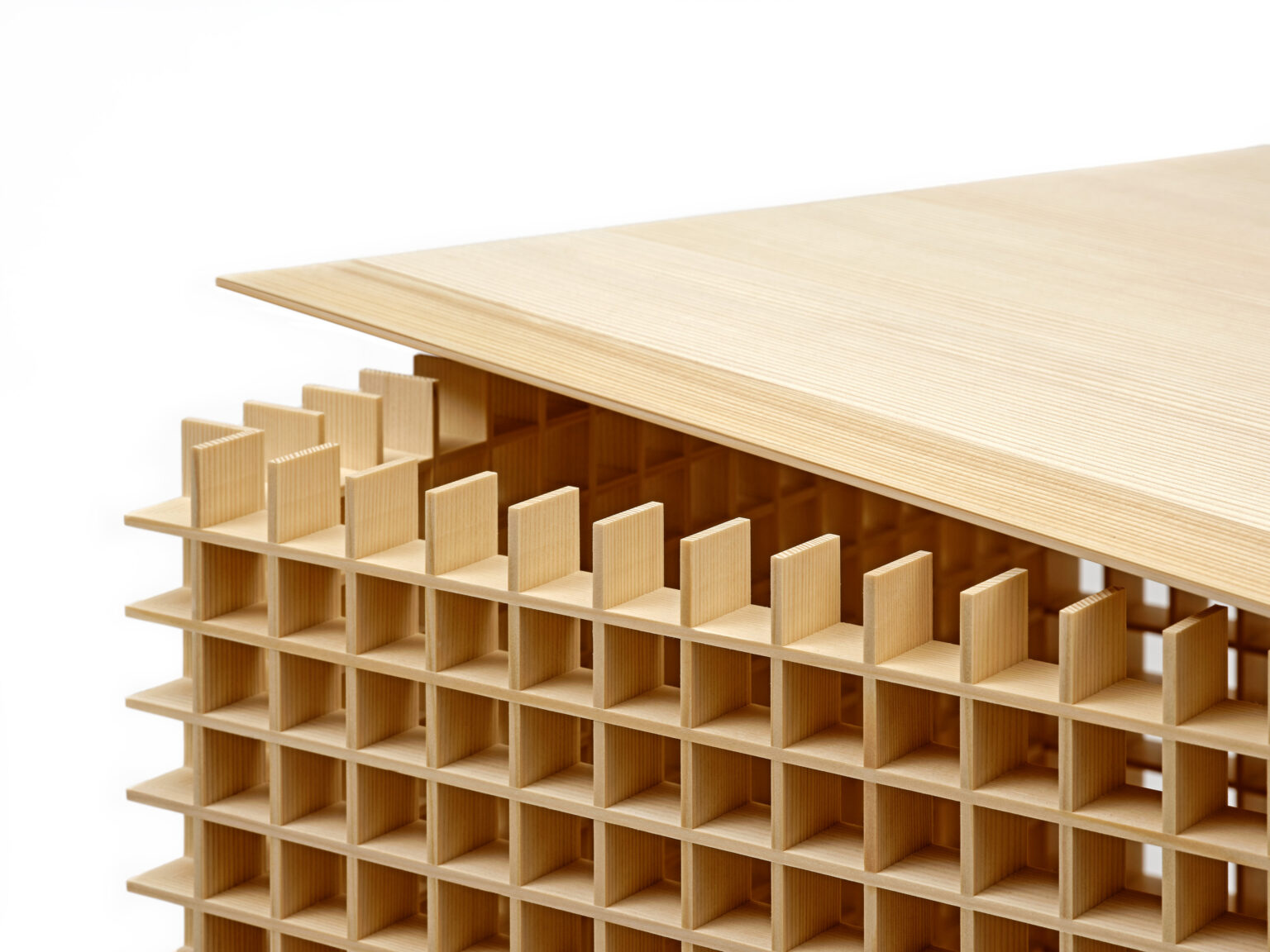
About the Danner Foundation: The Danner Foundation, founded in 1920 by Therese Danner in memory of her husband Benno, who died in 1917, aims to provide incentives for outstanding craftsmanship and to help the arts and crafts of our time to be recognized and appreciated on the broadest possible level. Bavaria is the only state in the Federal Republic of Germany that can consider itself fortunate to have such an institution for the promotion of arts and crafts.
Source: Danner Foundation